Mugwort Tea & Lucid Dreaming: Origins, Ritual, Flavour, and How to Use It
Mugwort tea (Artemisia vulgaris) has a long European and Asian folk history for vivid dreams, calm night rituals, and digestive ease. The flavour is herbal, sage-like, slightly bitter. Drink a light infusion 30–60 minutes before bed, keep a dream journal, and build a consistent wind-down routine. Not for pregnancy, breastfeeding, ragweed allergies, or if you’re on certain meds. Always read safety notes first.
What Is Mugwort Tea?
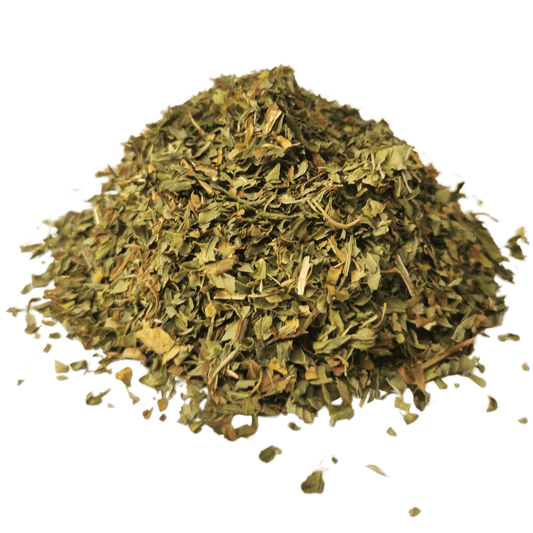
Mugwort is a perennial herb native to Europe and Asia, naturalised across the world. In Latin, it’s Artemisia vulgaris, linked etymologically to Artemis, goddess of the night and the liminal. Dried leaves are brewed as a tisane often used in dream work, meditation, and bedtime rituals.
A Brief History: From Wayside Herb to Dream Ritual
- European folklore: Mugwort was carried by travellers for protection and clear sight. Medieval herbals note its use for “restful sleep” and digestion.
- East Asia: In China, Korea, and Japan, Artemisia species appear in food, ritual, and moxibustion. The plant is tied to purification and boundary-keeping.
- Modern resurgence: Herbalists and lucid dreamers use mugwort for more vivid imagery, pre-sleep calm, and ceremonial teas. Evidence is largely traditional and experiential rather than clinical. Manage expectations.
What Does Mugwort Tea Taste Like?
Expect an aromatic, herbaceous cup with sage-like notes, a gentle camphor lift, and a pleasant bitterness that lingers. Brew light to start. Think woodland, resin, and a hint of menthol. It pairs well with lavender, chamomile, lemon balm, or honey to soften edges.
Mugwort Tea and Lucid Dreaming: What to Know
Mugwort shows up in countless dream journals and folk records. Users report:
- More vivid recall and colour saturation in dreams
- Stronger hypnagogic imagery as you drift off
- Occasional lucidity with practice
Reality check: results vary. There’s no strong clinical proof mugwort induces lucidity. Treat it as a ritual aid, not a guarantee. The real unlock is consistent sleep hygiene plus training.
The Lucid Ritual: A Simple Night Method
- Dose: 1–2 g dried mugwort leaf per 250 ml. Start low.
- Brew: 90–95 °C water. 3–5 minutes covered. Strain.
- Timing: Sip 30–60 minutes before bed.
- Journal: Keep notebook + pen bedside. On waking, write first fragments immediately.
- Technique: Add a reality check habit in daytime (e.g., count fingers, read text twice).
- Wind-down: Low light, no screens, quiet breath. Pair with soft binaural or white noise if helpful.
- Progression: Use for 3–5 nights a week, not daily, to keep the effect perceptible.
Who It’s For
- Night-ritual seekers and meditators
- Creative workers exploring hypnagogic states
- Tea drinkers who enjoy herbal, slightly bitter profiles
- Journalers building a consistent dream practice
Who it’s not for: pregnancy or breastfeeding, ragweed/Artemisia allergies, liver conditions, certain medications, or if advised by your clinician to avoid bitters. When unsure, don’t use it.

Brewing Options and Flavour Tweaks
- Gently Bitter & Clear: 1 g, 3 minutes, no sweetener.
- Softened Bedtime Blend: Mugwort + chamomile or lemon balm. 4 minutes, a little honey.
- Aromatic Lift: Mugwort + lavender (a pinch) for floral top notes.
- Iced Nightcap (weekends only): Brew double-strength, pour over ice, tiny honey. Sip earlier in the evening.
Best Practices for Results
- Cycle: 2–3 nights on, 2 off. Novelty matters.
- Sleep window: Fixed bedtime and wake time. Lucidity needs REM regularity.
- No late caffeine or alcohol. They crush dream recall.
- Dark, cool room and eye mask to stabilise REM sleep.
FAQ: Mugwort Tea & Lucid Dreaming
Is mugwort tea legal in the UK?
Yes. Mugwort is a common culinary and herbal plant. Always buy from food-grade suppliers.
Does mugwort tea cause lucid dreams?
It may support dream vividness for some. Lucidity depends mostly on training, sleep hygiene, and consistency.
When should I drink mugwort tea for dreaming?
30–60 minutes before bed. Beginners should start with low strength.
What does mugwort taste like?
Herbal, resinous, slightly bitter with a sage-like lift.
Can I mix mugwort with other herbs?
Yes. Chamomile, lavender, and lemon balm complement it and round bitterness.