

-
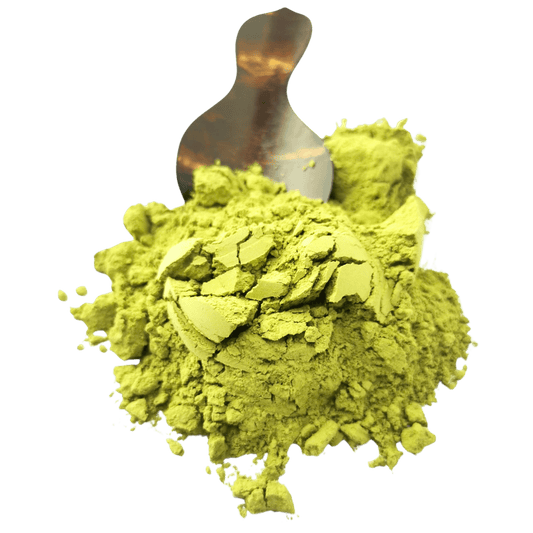
Izu Matcha
Regular price From £8.60Regular price -
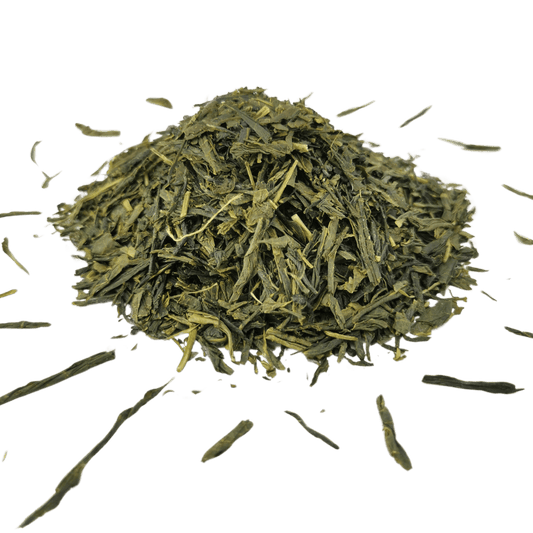
Decaf Kyushu Sencha Green
Regular price From £10.55Regular price -
Organic Gyokuro
Regular price From £7.85Regular price

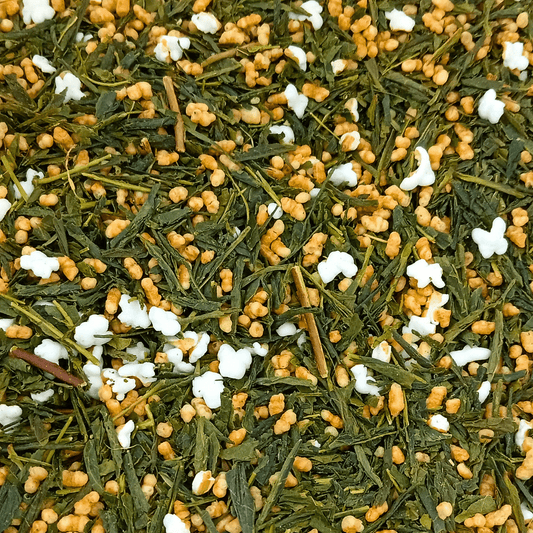

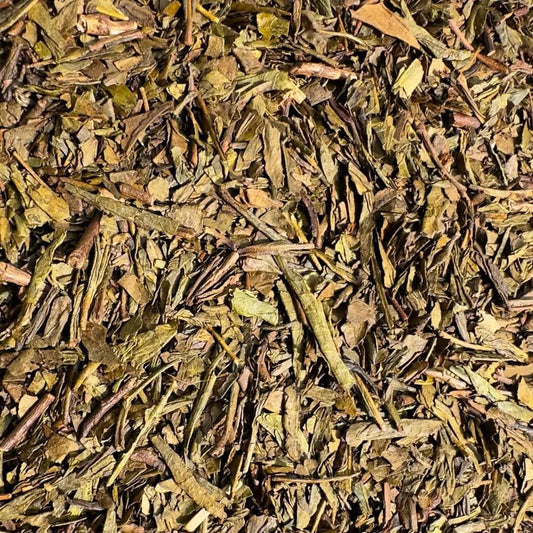

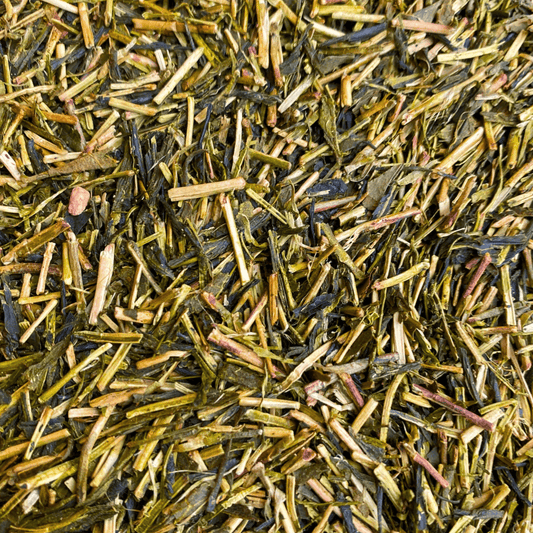

How to brew Japanese teas
Porter Hill Loose Leaf Tea Blog
View all-

Mugwort Tea & Lucid Dreaming: Origins, Ritual, ...
Mugwort tea (Artemisia vulgaris) has a long European and Asian folk history for vivid dreams, calm night rituals, and digestive ease. The flavour is herbal, sage-like, slightly bitter. Drink a...
Mugwort Tea & Lucid Dreaming: Origins, Ritual, ...
Mugwort tea (Artemisia vulgaris) has a long European and Asian folk history for vivid dreams, calm night rituals, and digestive ease. The flavour is herbal, sage-like, slightly bitter. Drink a...
-
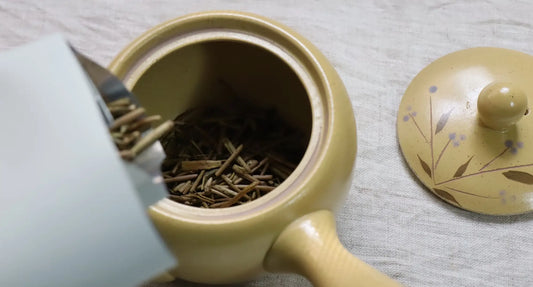
The Essential Guide to Hojicha: Japan’s Toasted...
Hojicha (ほうじ茶) is a unique Japanese green tea that stands out for its warm, toasty flavour and stunning copper-brown colour. Unlike other green teas, which are steamed and left green,...
The Essential Guide to Hojicha: Japan’s Toasted...
Hojicha (ほうじ茶) is a unique Japanese green tea that stands out for its warm, toasty flavour and stunning copper-brown colour. Unlike other green teas, which are steamed and left green,...
-

How Is Tea Decaffeinated? The CO₂ Method Explained
What Is CO₂ Decaffeination? When it comes to enjoying tea without the caffeine, not all decaffeination methods are created equal. One of the cleanest, most effective ways to decaffeinate tea—while...
How Is Tea Decaffeinated? The CO₂ Method Explained
What Is CO₂ Decaffeination? When it comes to enjoying tea without the caffeine, not all decaffeination methods are created equal. One of the cleanest, most effective ways to decaffeinate tea—while...
-

What Is Dandelion Tea?
Discover the benefits of dandelion tea with our organic blends. Learn how this caffeine-free herbal tea supports digestion, liver health, and natural detox — and why it deserves a spot...
What Is Dandelion Tea?
Discover the benefits of dandelion tea with our organic blends. Learn how this caffeine-free herbal tea supports digestion, liver health, and natural detox — and why it deserves a spot...

