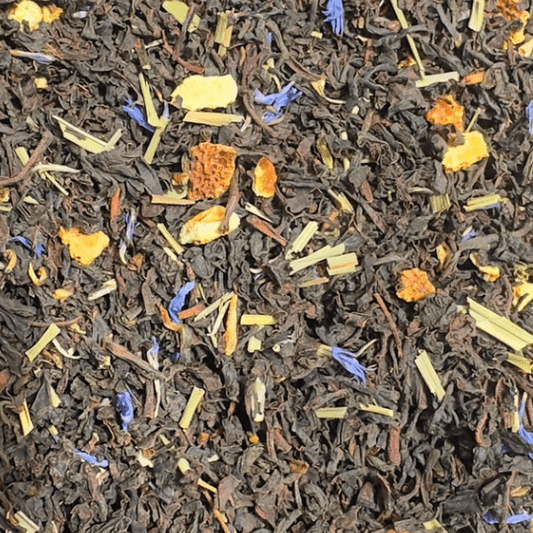
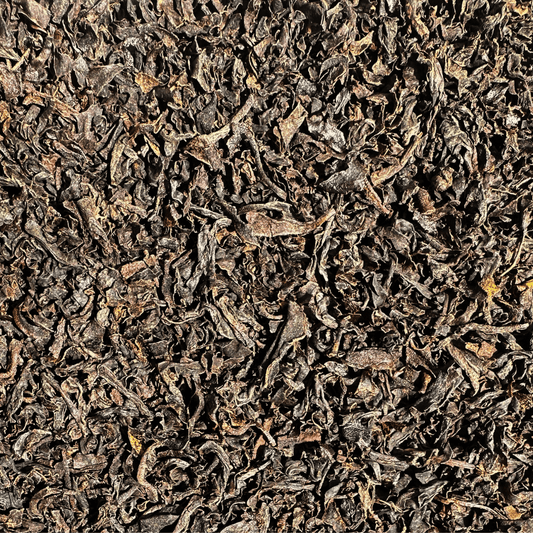
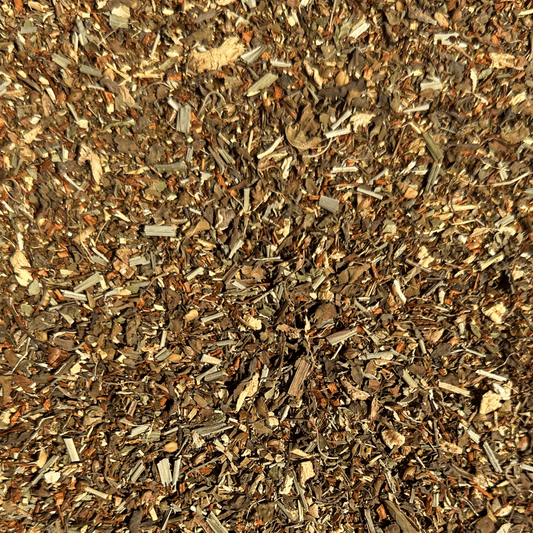
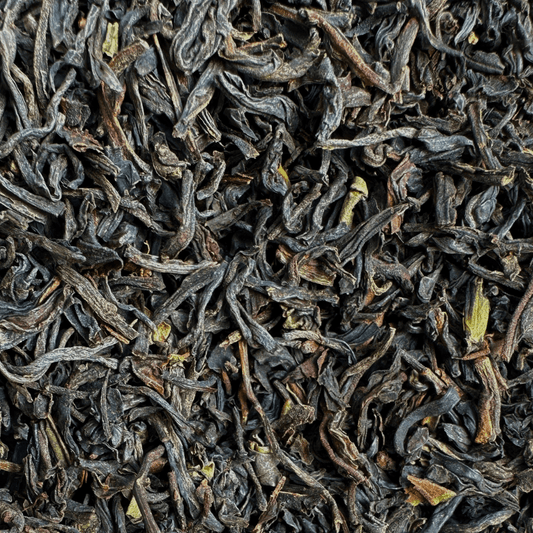
Loose Leaf Tea Brew Guide
Whether you’re brewing delicate green tea or a vibrant herbal infusion, follow these simple steps and you’ll be on your way to enjoying a better brew.
Choose a tea type, brew perfectly.
Collapsible content
Fruit& Herbal Teas (95-100°C)
Fruit and herbal teas, also known as tisanes, are naturally caffeine-free and made from dried herbs, flowers, fruits, and spices. These infusions require boiling water to extract their full flavour.
• Tea-to-Water Ratio: 1-2 teaspoons per 250ml
• Water Temperature: 95-100°C
• Steeping Time: 3-5 minutes
Head over to our wide selection of delicious Fruit and Herbal caffeine free teas here.
Black Tea (95-100°C)
Black tea is fully oxidised, giving it a strong, bold flavour. It brews best with hot, near-boiling water to bring out its rich taste and deep aroma.
• Tea-to-Water Ratio: 1 teaspoon per 250ml
• Water Temperature: 95-100°C
• Steeping Time: 2-3 minutes
Oolong Tea (80-90°C)
Oolong tea sits between green and black tea in terms of oxidation, resulting in a complex, floral, and sometimes creamy flavour.
• Tea-to-Water Ratio: 1 teaspoon per 250ml
• Water Temperature: 80-90°C
• Steeping Time: 2-3 minutes
Green Tea (70-80°C)
Green tea is delicate and requires cooler water to avoid bitterness and preserve its natural sweetness and umami notes.
• Tea-to-Water Ratio: 1 teaspoon per 250ml
• Water Temperature: 70-80°C
• Steeping Time: 1-3 minutes
White Tea (60-75°C)
White tea is the least processed type of tea, making it light, floral, and naturally sweet. It should be brewed at lower temperatures to avoid scorching the delicate leaves.
• Tea-to-Water Ratio: 1-2 teaspoons per 250ml
• Water Temperature: 60-75°C
• Steeping Time: 2-3 minutes
Matcha & Gyokuro (50-60°C)
Matcha and Gyokuro green tea are shade-grown, resulting in higher chlorophyll and umami content. They require very low water temperatures to prevent bitterness and bring out their natural sweetness.
• Tea-to-Water Ratio:
- Matcha: 1 teaspoon per 70ml water
- Gyokuro: 1 teaspoon per 250ml
• Water Temperature: 50-60°C
• Steeping Time:
- Matcha: Whisk immediately until bubbles—no steeping required.
- Gyokuro: 1-2 minutes
✔ Use fresh, filtered water for the best flavour.
✔ Avoid over-steeping, especially for green and white teas, to prevent bitterness.
✔ Experiment with multiple infusions—many teas (especially oolong and green tea) can be re-steeped.
✔ Store tea properly in an airtight container away from light, heat, and moisture to preserve its freshness.
New Arrivals
Check out our newest additions to the Porter Hill collection
-
The Festive Blend
Regular price From £8.15Regular priceSale price From £8.15 -
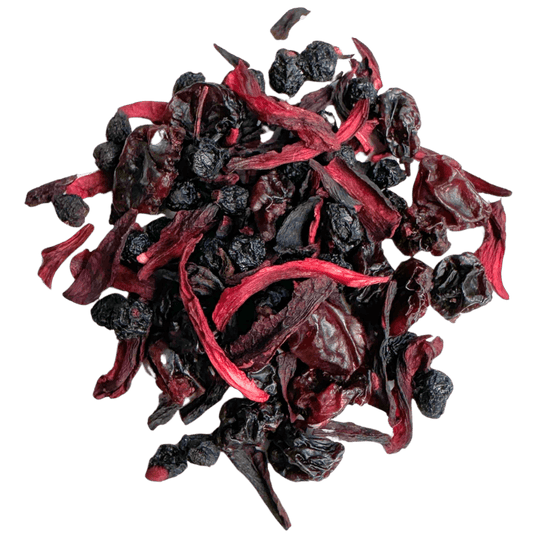
Jingle Berry Rooibos
Regular price From £8.85Regular priceSale price From £8.85 -
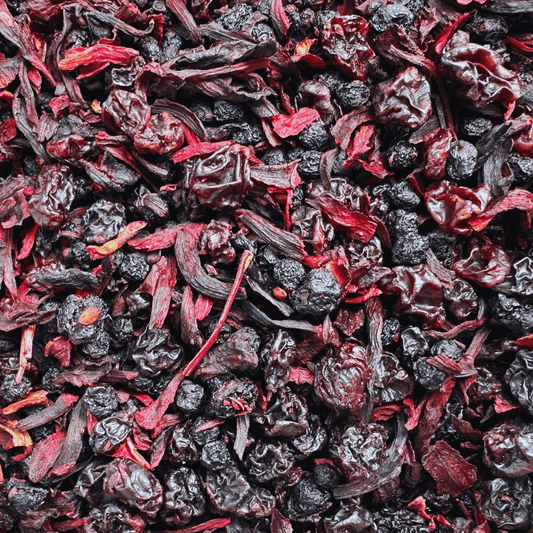
Mulled Wine
Regular price From £8.45Regular priceSale price From £8.45 -
Pumpkin Spice
Regular price From £7.70Regular priceSale price From £7.70 -
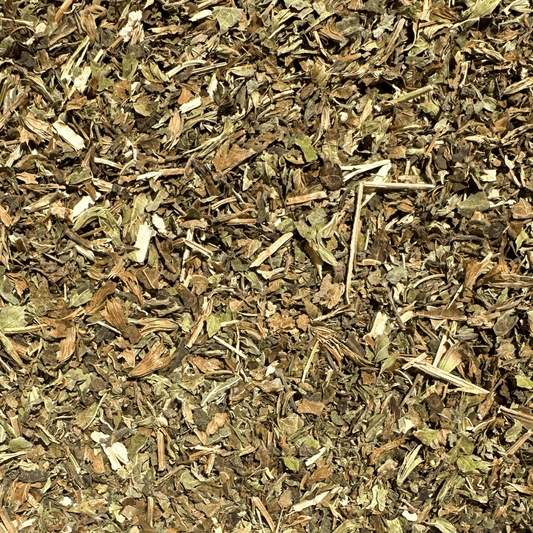
Keemun Rose
Regular price From £8.00Regular priceSale price From £8.00 -
Thai Ginger Root
Regular price From £6.95Regular priceSale price From £6.95 -

Zesty Earl Grey
Regular price From £6.10Regular priceSale price From £6.10 -
Lumbini Ceylon Orange Pekoe
Regular price From £7.40Regular priceSale price From £7.40 -
Dandelion Detox
Regular price From £7.15Regular priceSale price From £7.15 -
The Clocktower All Day Blend
Regular price From £9.40Regular priceSale price From £9.40 -
Rainbow Tea
Regular price From £10.60Regular priceSale price From £10.60 -
Organic Lemon Balm Tea
Regular price From £10.05Regular priceSale price From £10.05 -
Organic Honeybush Tea
Regular price From £10.25Regular priceSale price From £10.25
Porter Hill Tea Blog
View all-
Mugwort Tea & Lucid Dreaming: Origins, Ritual, ...
Mugwort tea (Artemisia vulgaris) has a long European and Asian folk history for vivid dreams, calm night rituals, and digestive ease. The flavour is herbal, sage-like, slightly bitter. Drink a...
Mugwort Tea & Lucid Dreaming: Origins, Ritual, ...
Mugwort tea (Artemisia vulgaris) has a long European and Asian folk history for vivid dreams, calm night rituals, and digestive ease. The flavour is herbal, sage-like, slightly bitter. Drink a...
-
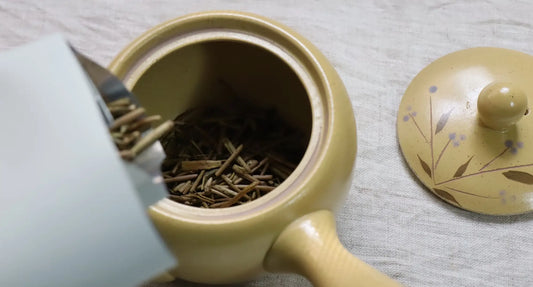
The Essential Guide to Hojicha: Japan’s Toasted...
Hojicha (ほうじ茶) is a unique Japanese green tea that stands out for its warm, toasty flavour and stunning copper-brown colour. Unlike other green teas, which are steamed and left green,...
The Essential Guide to Hojicha: Japan’s Toasted...
Hojicha (ほうじ茶) is a unique Japanese green tea that stands out for its warm, toasty flavour and stunning copper-brown colour. Unlike other green teas, which are steamed and left green,...
-

How Is Tea Decaffeinated? The CO₂ Method Explained
What Is CO₂ Decaffeination? When it comes to enjoying tea without the caffeine, not all decaffeination methods are created equal. One of the cleanest, most effective ways to decaffeinate tea—while...
How Is Tea Decaffeinated? The CO₂ Method Explained
What Is CO₂ Decaffeination? When it comes to enjoying tea without the caffeine, not all decaffeination methods are created equal. One of the cleanest, most effective ways to decaffeinate tea—while...
-
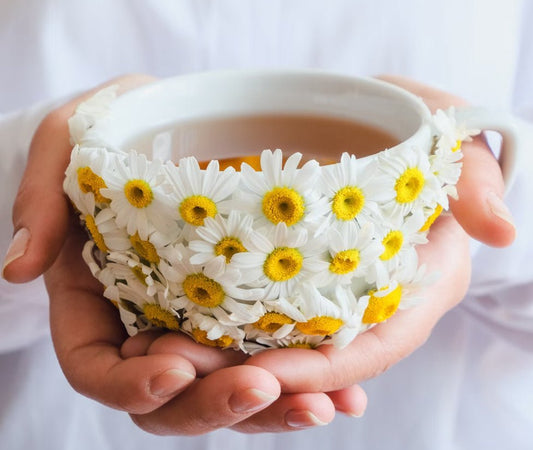
What Is Dandelion Tea?
Discover the benefits of dandelion tea with our organic blends. Learn how this caffeine-free herbal tea supports digestion, liver health, and natural detox — and why it deserves a spot...
What Is Dandelion Tea?
Discover the benefits of dandelion tea with our organic blends. Learn how this caffeine-free herbal tea supports digestion, liver health, and natural detox — and why it deserves a spot...