Darjeeling Tea: A Complete Guide to Flushes, Taste and Brewing

If you have ever wondered why some black teas taste like dried fruit and muscat grapes while others taste like a strong builder's brew, Darjeeling tea is where to start. Grown in the Himalayan foothills of West Bengal, India, this is black tea for people who want fragrance and complexity rather than brute strength. The short answer to 'what is Darjeeling tea?' is this: it is a lighter, more aromatic style of black tea with floral lift and a distinctive muscatel character, best enjoyed without milk or with just a drop.
The tea in this guide: Margaret's Hope Darjeeling 2nd Flush TGFOP from £7.05 Shop it →
We carry Margaret's Hope Darjeeling, a second-flush tea from one of the region's established estates. It is a good place to start if you have never tried a Darjeeling with this much personality, or a reliable favourite if you already know you like the style.
At a glance
- Darjeeling is a lighter, aromatic black tea grown in West Bengal, India
- Protected geographical indication since 2004, like Champagne
- First flush (spring) is delicate and green; second flush (early summer) has riper muscatel notes
- Brew at 90 to 95°C for 3 to 4 minutes; best without milk
- Contains caffeine, roughly 50 to 120mg per cup depending on brewing
- Pairs well with plain biscuits, shortbread and lighter afternoon food
What is Darjeeling tea?
Darjeeling tea is made from Camellia sinensis var. sinensis, the smaller-leafed Chinese tea plant rather than the larger Assam variety grown elsewhere in India. According to Wikipedia's overview of Darjeeling tea, the Tea Board of India recognises 87 tea estates covering 17,500 hectares in the Darjeeling and Kalimpong districts. Since 2004, 'Darjeeling tea' has been a protected geographical indication, meaning only tea grown and processed in these registered gardens can legally carry the name.
The first Camellia sinensis plants were established in the area in 1841 by Archibald Campbell, a British civil surgeon. By 1866, Darjeeling had 39 tea gardens; by 1885, that number had grown to 100 estates and a population of 95,000 people, compared with fewer than 100 in the 1830s. The region's cool, wet climate and high elevation give the tea its character, which is often described as the 'Champagne of teas' for its musky-sweet notes reminiscent of muscat wine.
First flush vs second flush: what's the difference?
A flush is a picking period. Darjeeling tea is harvested several times across the growing season, and each flush produces a different style of tea from the same bushes.

First flush (March to May)
The first flush uses the youngest leaves of the year. These teas are lighter in colour, more delicate, and often have a greener, more vegetal character with notes described as minty-fresh and arboreal. Serious Eats notes that first flush Darjeeling offers a balance of sweetness and astringency with smooth, mountain-air flavours. These teas brew to a pale gold and suit anyone who finds most black tea too heavy.
Second flush (May to June)
Second flush Darjeeling is picked from more mature leaves later in the season. The cup is amber rather than gold, rounder in body, with riper fruit character and those famous muscatel notes. Interestingly, research cited on Wikipedia attributes the muscatel flavour partly to attacks by Empoasca leafhoppers and Homona coffearia moths during this period. The plant's defence response to these insects contributes compounds like 3,7-dimethyl-1,5,7-octatrien-3-ol that create that distinctive dried-fruit, wine-like taste. So when you are sipping a good second flush, you are tasting the result of tiny insects having a nibble.
Monsoon and autumnal flushes
Later harvests continue through the year. The monsoon flush (July to September) produces larger, less flavourful leaves typically used for blending. The autumnal flush (October to November) gives a darker, fuller-bodied cup with herbaceous notes and a softer version of the muscatel character. It is a gentler introduction if you find second flush too brisk.

Black Tea
Margaret's Hope Darjeeling 2nd Flush TGFOP
Second-flush Darjeeling with fragrant muscatel notes. Take a moment over this one.
Have a lookWhat does Darjeeling tea taste like?
Good Darjeeling is pleasantly astringent and bright in both taste and colour, with sweetness, fragrance and astringency taking turns. The flavour profile can include dried fruit, muscat grape, floral notes, gentle nuttiness, and sometimes citrus or mossy undertones. Unlike a malty Assam or a robust English Breakfast, Darjeeling is lighter and less bitter, though still recognisably black tea.
The exact taste depends on the estate, the flush, and how you brew it. First flush is delicate and green-leaning; second flush has riper fruit and more body; autumnal is softer with hints of caramel. The same garden can produce quite different cups depending on when the leaves were picked.
How to brew Darjeeling tea
Darjeeling rewards a lighter touch than your typical breakfast brew. Most sources agree on similar parameters, though you will see some variation.
| Flush | Water temp | Steep time | Leaf per cup |
|---|---|---|---|
| First flush | 85 to 90°C | 2 to 3 minutes | 2 to 3g |
| Second flush | 90 to 95°C | 3 to 4 minutes | 2 to 3g |
| Autumnal | 90 to 95°C | 3 to 4 minutes | 2 to 3g |
For our Margaret's Hope second flush, we suggest boiling water (100°C) and a two-minute infusion if you want a brighter, more lifted cup. If you prefer more body, extend to three minutes or add slightly more leaf. A roomy basket infuser gives the leaves space to unfurl properly.
- Boil fresh water and let it cool for a minute if you want to hit 90 to 95°C, or use it straight off the boil for a brisker cup
- Add one teaspoon (about 2 to 3g) of loose leaf per cup to your infuser
- Pour the water over the leaves and time your infusion
- Remove the infuser promptly when the time is up
- Let the cup cool slightly before tasting, as the aromas develop as it cools
Should you add milk to Darjeeling?
The traditional answer is no. Darjeeling is lighter than most black teas and best brewed lightly and enjoyed without milk. The floral and muscatel notes that make Darjeeling distinctive are delicate enough that a splash of milk will flatten them.
That said, if you find the brisk edge too sharp, a very small amount of milk can soften things. But if milk is what you really want, you might be happier with Bukhial Assam or English Breakfast, which are built to handle it.
How much caffeine is in Darjeeling tea?
All tea from Camellia sinensis contains caffeine. Healthline reports that one study found an average of 1.7 grams of caffeine per 100 grams of Darjeeling tea leaf, at the higher end among Indian black teas examined. Using approximately 7 grams of tea per cup, they estimate an average cup contains about 120mg of caffeine, comparable to a strong cup of coffee.
In practice, your cup will vary depending on how much leaf you use, water temperature, and steeping time. A lighter brew with less leaf steeped briefly will have less caffeine; a longer, stronger infusion will have more. If you need to avoid caffeine entirely, try Decaf English Breakfast or one of our herbal infusions.

Black Tea
A medium-bodied decaf black tea with soft floral notes. Decaffeinated, rather than completely caffeine-free.
Have a lookWhere is Margaret's Hope?
Margaret's Hope is a named tea garden in the Darjeeling district. The estate is owned by Goodricke, one of the established tea companies in the region. The name supposedly comes from a British estate manager's daughter who loved the garden and hoped to return, though the details are hazy enough that we will not claim them as hard fact.
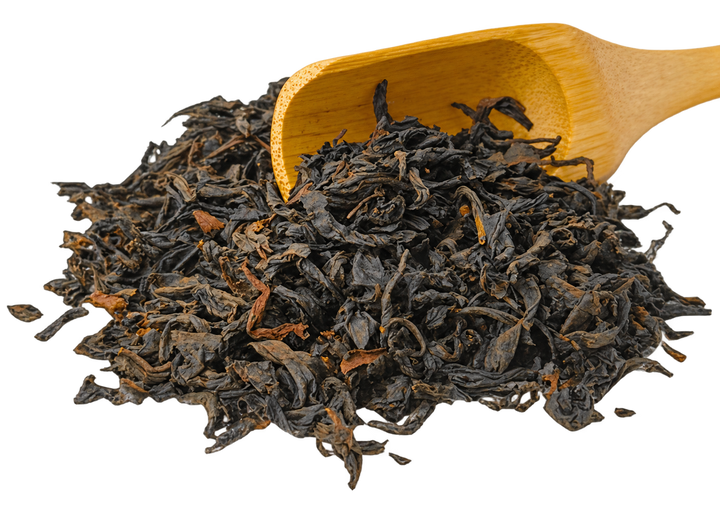
What we can say is that Margaret's Hope produces a classic second-flush Darjeeling with the muscatel character, dried fruit notes and floral lift that define the style. The TGFOP grade (Tippy Golden Flowery Orange Pekoe) describes the appearance of the dry leaf rather than the flavour, referring to the visible golden tips and the mix of leaf sizes.
Common mistakes when brewing Darjeeling
The most common mistake is treating Darjeeling like a breakfast tea. If you use boiling water and steep for five minutes, you will get a cup that is overly tannic and bitter, with the delicate aromatics buried. The second mistake is adding too much milk, which hides exactly what you are paying for.
Another pitfall is storing the tea badly. Darjeeling's aromatics fade quickly if exposed to air, light, heat or strong smells. Keep it in an airtight container away from the spice cupboard and use it within a few months of opening.
Darjeeling tea vs English Breakfast
English Breakfast is typically a blend of robust black teas from Assam, Ceylon and sometimes Kenya, designed to be strong, malty and happy with a generous pour of milk. Darjeeling is a single-origin tea with a lighter body, more complex aromatics, and a character that milk tends to obscure.
If you want a proper morning brew that cuts through a full English, choose breakfast tea. If you want something for a quiet afternoon when you have time to notice the flavours, choose Darjeeling. They are not competitors so much as different tools for different jobs.
What to try next
If you enjoy the lighter, more aromatic side of black tea, Lumbini Ceylon Orange Pekoe has a full body and rounded finish while keeping that clean, bright character. For something with creaminess and floral notes, Golden Heaven Yunnan offers cocoa-like depth and gentle natural sweetness.
If you would like to compare a few black teas side by side, the Breakfast Tea Tasting Box includes five strong loose leaf breakfast teas that all take milk, while the Bestsellers Tasting Box gives you a broader range from malty breakfast brews to caffeine-free options. Not sure where to start? The Tea Finder will point you in the right direction based on what you already like.

Letterbox gift
Five of our best-selling loose leaf teas in one letterbox box, from a malty breakfast brew to a caffeine-free bedtime cup.
Have a lookWe offer free UK delivery on orders over £35. You can also call into the shop in Byram Arcade, Huddersfield, if you want to smell the teas before you buy or ask questions over the counter. The kettle's usually on.
Frequently asked questions
How do you pronounce Darjeeling tea?
It is dar-JEE-ling, with the stress on the second syllable. The name comes from the Tibetan words 'dorje' (thunderbolt) and 'ling' (place), so it roughly means 'land of the thunderbolt'. Once you have said it a few times, it sticks.
Is Darjeeling tea a black tea?
Yes, Darjeeling is generally classified as black tea, though it is almost always less oxidised than typical black tea. This gives it a lighter body and more complex aromatics than most breakfast blends. The same leaves can also be processed as white, green or oolong tea depending on the method used.
What food pairs well with Darjeeling?
Darjeeling suits lighter afternoon food rather than a full meal. Shortbread, plain biscuits, cucumber sandwiches and light cakes work well. Its high tannin content also pairs surprisingly well with baked goods and even pasta dishes. Avoid anything too heavily spiced or rich, which will overpower the tea's subtlety.
Can I cold brew or ice Darjeeling tea?
Yes, and it makes a refreshing summer drink. Use about double the leaf you would use for hot tea, steep in cold water in the fridge for six to eight hours, then strain. The cold extraction produces a smoother, less astringent cup that highlights the floral and fruity notes.
How should I store loose Darjeeling tea?
Keep it sealed in an airtight container, somewhere cool, dry and away from sunlight, steam and strong kitchen smells. The resealable pouch it comes in works fine, or transfer it to a tin. Do not store it next to coffee or spices, and aim to use it within a few months of opening for the best aromatics.
What does TGFOP mean on Darjeeling tea?
Tippy Golden Flowery Orange Pekoe. It is a grading term that describes the appearance of the dry leaf: the visible tips, the golden colour, the mix of leaf sizes. It says nothing about oranges and is not really a quality score. Think of it as a rough guide to what the leaves look like rather than how good the cup will taste.
Sources: Wikipedia · Serious Eats · Healthline