
Regular price
From £4.40
Regular price
Sale price
From £4.40

SPECIALITY TEA · LEAVES WORTH LINGERING OVER
Remarkable leaves. Entirely different cups.
Shade-grown matcha, hand-rolled jasmine pearls, mellow yellow tea, earthy pu-erh and slow-unfurling oolong. Start with the flavour that intrigues you and discover what careful tea-making can do.

More tea shelves
Choose matcha for rich umami, jasmine pearls for fragrance, yellow tea for a soft and silky cup, or pu-erh when you want something deep, earthy and unlike everyday tea.
Choose your next cup
Compare the products below, or use the filters to find your favourites.


Tea Gift Bundle
Rare leaves, rewarding cups
Speciality tea is where things get interesting. These are leaves with stories written into every unfurl: shade-grown Japanese greens, hand-rolled jasmine pearls, butter-soft oolongs, pine-smoked black tea from China. Each one rewards a little attention with flavours you simply cannot find in everyday blends. This is the shelf for drinkers who want to notice something new in their cup.
The range here spans the full spectrum of the tea plant's possibilities. Organic Gyokuro brings umami depth from weeks under shade cloth. Quanzhou Milk Oolong offers a silky, creamy sweetness without a drop of dairy. Jasmine Dragon Pearls release wave after wave of floral perfume across multiple steeps. Golden Heaven Yunnan delivers cocoa-like depth and gentle sweetness, while Pai Mu Tan shows what white tea does best: delicate, floral, utterly calming.
Whether you have brewed gongfu style for years or are opening your first pouch of loose leaf beyond English Breakfast, there is something here worth exploring. These teas suit quiet mornings, slow afternoons, or any moment you can give a brew your full attention. We hand-pack every order in Yorkshire.
How to choose
Seeking calm and subtle? Start with white tea like Snow Yunnan. After something lively and bright? Organic Dragonwell or Gyokuro. Craving richness? The black teas and darker oolongs bring body and warmth.
White and yellow teas tend to be gentler. Green teas sit in the middle. Black teas and matcha deliver a proper lift. Pu-erh offers steady, earthy energy. Pick according to when you plan to drink.
Many speciality teas reward multiple infusions. Oolongs and jasmine pearls can be steeped again, each cup a little different. Gram for gram, that stretches value further than single-steep leaves.
Where to start
 Quanzhou Milk OolongA gentle introduction to oolong with creamy, floral notes and a mellow character.From £5.35
 Jasmine Dragon PearlsIdeal for anyone who loves fragrant tea and wants to try hand-rolled leaves.From £6.70
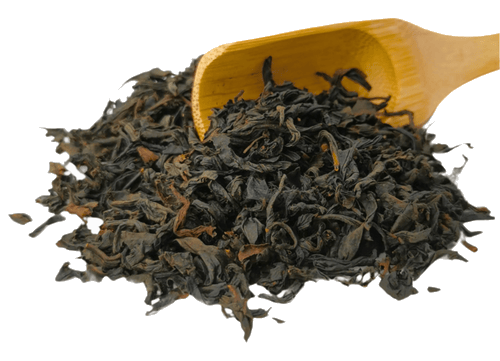
 Emperor Butterfly Lapsang SouchongFor bold drinkers ready to explore smoky, pine-touched black tea.From £6.15
Good questions
Further reading
Speciality teas are usually single-origin, made from specific cultivars, and processed with extra care. They often come from small harvests and showcase flavours you would not find in blended breakfast teas.
Use freshly boiled water for black and pu-erh, around 80°C for green, white and yellow teas. Start with one teaspoon per cup, steep for two to three minutes, then adjust to taste. Many leaves can be resteeped.
These teas are priced higher because yields are smaller and processing is more labour-intensive. You also get more from each gram: most can be steeped several times, so cost per cup often balances out.
Most green, white and oolong teas taste best without milk. Richer black teas like Golden Heaven Yunnan or Lumbini Ceylon can take a splash if you prefer, though try them plain first to appreciate the full flavour.
Green tea is barely oxidised, keeping it fresh and grassy. Oolong is partially oxidised, sitting between green and black, which creates a wider range of flavours from floral and creamy to toasty and fruity.
FIND YOUR SPECIALITY TEA
Speciality tea is not one style. It is a shelf of exceptional processes, places and traditions—from powdered shade-grown leaf to hand-rolled pearls and carefully aged tea.
 Whisked Japanese tea
Umami · creamy · vivid
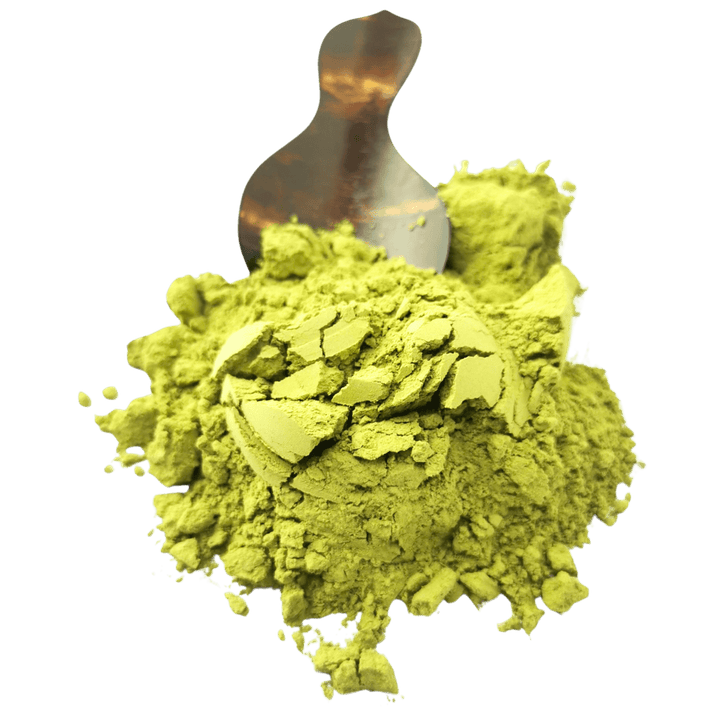
A proper introduction to matcha: smooth, rich and made to be whisked into a bright, velvety cup.
 Hand-rolled fragrance
Jasmine · silky · unfurling
Rolled green tea pearls release elegant jasmine fragrance and reward more than one infusion.
 Rare mellow style
Light · mellow · silky
A gentle Chinese yellow tea with restrained sweetness and a soft finish—distinctive without being difficult.
 Compressed Yunnan tea
Earthy · rich · rounded
Small compressed nests make an easy route into pu-erh’s deep, earthy character and repeat-brew ritual.
READ THE CRAFT
The tea-maker’s choices shape everything: how the plants are shaded, how the leaves are rolled, how gently they are oxidised and whether time is allowed to transform them.
SHADE-GROWN · STONE-GROUND
Shade-grown Japanese leaves are ground to a fine powder, creating a vivid cup with creamy texture, deep umami and a distinctive whisked ritual.
HAND-ROLLED · SCENTED
Young green tea leaves are rolled into pearls and scented with jasmine blossom, releasing silky fragrance through several infusions.
GENTLY YELLOWED · MELLOW
A careful resting stage mellows the leaf, giving Badaling a light, smooth cup with gentle sweetness and very little sharpness.
COMPRESSED · TIME-DEEPENED
Compressed Yunnan tea develops earthy, rounded character and a rich cup that rewards curious drinkers and repeat infusions.
AN EASY FIRST STEP
Jasmine Dragon Pearls are floral and familiar, Milk Oolong is soft and creamy, and Badaling Yellow Tea is light, silky and gentle.
FOR TEA EXPLORERS
Try Gyokuro for shade-grown Japanese umami, Snow Yunnan for delicate white-tea sweetness, or Pu-erh Mini Tuocha for a deep earthy cup.
MAKE A MOMENT OF IT
Whisk matcha, watch pearls unfurl in glass, or return to the same oolong leaves over several short infusions.
SPECIALITY TEA, EXPLAINED
On this shelf, speciality means a tea distinguished by unusual craft, origin, cultivar, processing or drinking ritual. It includes rare styles and exceptional examples of familiar tea families rather than one single category.
Jasmine Dragon Pearls are a beautifully fragrant first step, Quanzhou Milk Oolong is soft and creamy, and Badaling Yellow Tea is light and mellow. Choose by flavour rather than by rarity.
Most teas on this shelf come from the tea plant and naturally contain caffeine. The amount varies by tea, serving and brewing method; each product page shows its caffeine guidance.
Follow the guide on the individual product page because these teas differ widely. Cooler water suits delicate green, white and yellow teas; pu-erh uses hotter water; matcha is whisked rather than infused.
Many can. Oolong, jasmine pearls, white tea, yellow tea and pu-erh often reveal new aroma and sweetness across repeat infusions. Remove the leaves cleanly, then add a little time to the next brew.
Matcha is green tea, but you drink the whole powdered leaf after whisking it into water. That gives it a fuller texture, concentrated flavour and a different preparation ritual from infused loose leaf green tea.
Keep tea sealed, cool, dry and away from sunlight and strong aromas. Matcha benefits from especially careful storage; follow the pack guidance and use it while its colour and aroma are at their best.
Yes. All Porter Hill teas are vegan. Every product page lists its ingredients clearly, including any flowers, fruit or natural flavourings used in a blend.
YOUR NEXT OOLONG
Oolong sits between green and black tea, opening into creamy, floral, citrus-bright and roasted cups with every infusion.
Milk Oolong welcomes beginners; Taiwanese leaves reward the curious.
Whole rolled leaves open gradually and reveal new flavour as you re-brew.
Small-batch packing by our Huddersfield team.