Hojicha: The Roasted Japanese Green Tea That Changes Everything

If you've written off green tea as grassy, bitter or just not your thing, hojicha might change your mind. This Japanese tea is roasted after the leaves are picked, which transforms the flavour entirely. Instead of the bright vegetal notes you get from sencha, hojicha delivers warmth: toasted nuts, caramel, a hint of woodsmoke and gentle sweetness. It's green tea for people who thought they didn't like green tea.
The tea in this guide: Kukicha from £6.00 Shop it →
Hojicha originated in Kyoto around the 1920s, supposedly by accident when a merchant roasted leftover bancha leaves rather than waste them. The result was a tea so different from anything else in Japan that it became its own category. A century later, it's still made the same way: tea leaves or stems roasted until they turn reddish-brown and release that distinctive toasty aroma.
The short answer to 'what is hojicha?' is this: a low-caffeine Japanese green tea that tastes like warmth in a cup. Now let's get into the details.
At a glance
- Roasted Japanese green tea with a warm, nutty flavour
- Made from leaves, stems or both, roasted at around 150°C
- Contains roughly 7 to 20 mg caffeine per cup
- Brew at 80 to 100°C for 30 seconds to 3 minutes
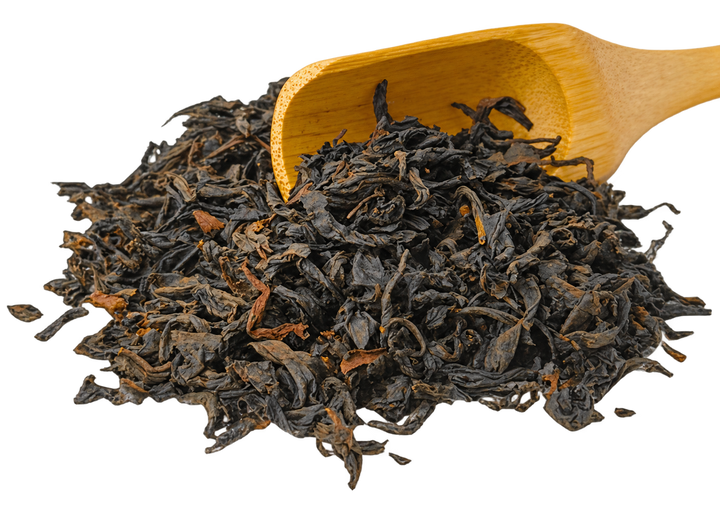
- Reddish-brown colour, no grassiness, minimal bitterness
- Works hot, iced or in a latte
What is hojicha and how is it made?
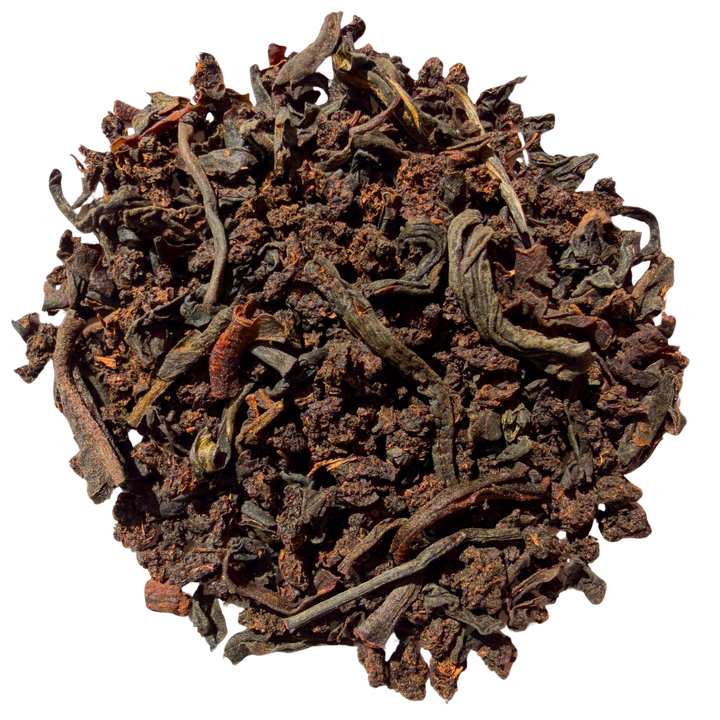
Hojicha starts life like any other Japanese green tea. The leaves come from the Camellia sinensis plant, usually harvested later in the season as bancha. What makes hojicha different is what happens next: instead of just steaming and drying the leaves, producers roast them in a porcelain pot over charcoal at around 150°C.
That roasting step does several things. It turns the leaves from green to reddish-brown. It breaks down the catechins that make other green teas astringent. And it creates pyrazines, the compounds responsible for that warm, toasty aroma. The name itself tells you what you're getting: 'hoji' means 'to roast' and 'cha' means 'tea'.
The tea material matters too. Hojicha can be made from whole leaves, from stems (like kukicha), or from a mixture of both. Stem-based hojicha tends to be sweeter and lighter; leaf-based versions have more body. Porter Hill's loose leaf Hojicha uses roasted leaf and stems together for a mellow, nutty character that brews beautifully.

Green Tea
Roasting gives this Japanese green tea its warm, nutty flavour and toasty aroma.
Have a lookWhat does hojicha taste like?
Warm. Toasted. Gently sweet. If you're expecting the grassy, almost savoury flavour of sencha, hojicha will surprise you. The roasting replaces those vegetal notes with something closer to roasted nuts, caramelised grain and a hint of woodsmoke. Some people pick up coffee or malt undertones too.
The body is light to medium, the finish clean, and there's almost no bitterness even if you steep it a bit long. It's a forgiving tea, which makes it a good starting point if you're new to Japanese green tea or if you've had bad experiences with bitter brews in the past.

If you like hojicha's toasted character but want to try something with a bit more depth, Genmaicha pairs green tea with roasted rice for a popcorn-like aroma. It's a different take on the 'toasty Japanese tea' idea, and the two are worth comparing side by side.
How much caffeine does hojicha have?
Hojicha contains caffeine, but less than most other green teas. A typical cup has roughly 7 to 20 mg, depending on whether it's made from leaves or stems and how long you steep it. For comparison:
| Drink | Caffeine per cup |
|---|---|
| Hojicha | 7–20 mg |
| Black tea | 40–70 mg |
| Matcha | 60–80 mg |
| Drip coffee | 95–200 mg |
The roasting process and the use of stems both contribute to the lower caffeine content. That's why hojicha is popular in Japan as an evening tea and is often given to children and older adults. But 'lower' isn't the same as 'none'. If caffeine keeps you awake or you need to avoid it entirely, choose a verified caffeine-free option like the Caffeine-Free Tasting Box instead.
For more on how caffeine varies across teas, our guide to caffeine in tea has the full breakdown.
How to brew hojicha
Hojicha is one of the more forgiving Japanese teas to brew. Unlike gyokuro, which needs precise temperatures and timing, hojicha can handle hotter water and longer steeps without turning bitter. Here's the method:
- Use one teaspoon of hojicha per cup (about 200 ml).
- Heat water to 80–100°C. Boiling works fine and brings out more aroma.
- Pour water over the leaves and steep for 30 seconds to 3 minutes.
- Strain and pour.
Taste your first cup and adjust from there. Shorter steeps give a lighter, sweeter cup. Longer steeps bring out more of the roast. If your kettle doesn't have temperature control, letting the water sit for a minute after boiling will bring it down to roughly 80°C.
You can resteep hojicha, but the roasted flavour fades quickly. Add thirty seconds to the time and don't expect the same depth as the first infusion.
Common brewing mistake
Using too little leaf. Hojicha's mellow flavour means a weak brew can taste like nothing much. If your cup seems thin, add more leaf rather than steeping longer.
Can you make iced hojicha?
Absolutely. Brew it hot as normal, let it cool to room temperature, then pour over ice. Use slightly more leaf if you're expecting a lot of ice to melt and dilute the cup. Cold-brew works too: put hojicha in cold water and leave it in the fridge overnight. Hot brewing brings out the roasted notes more clearly, but cold-brew gives a smoother, gentler version.
How to make a hojicha latte
Hojicha lattes have become popular in cafés, especially since the pandemic when people started making barista-style drinks at home. The toasty flavour pairs surprisingly well with milk, though it's a different experience from drinking hojicha plain.
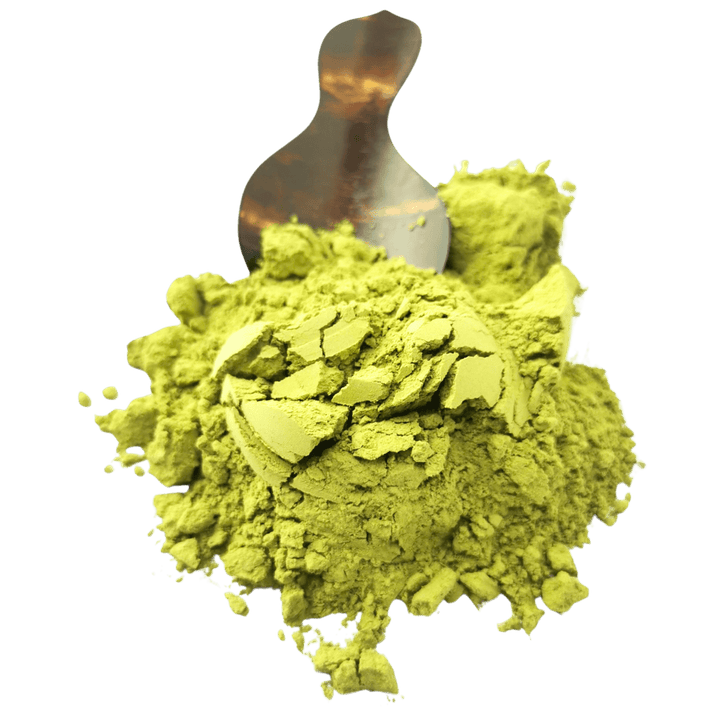
- Sift 1 to 2 teaspoons of hojicha powder into a mug.
- Add a splash of hot water and whisk until smooth.
- Heat milk until steaming (dairy or oat both work well).
- Pour the milk into the hojicha and stir.
- Sweeten if you like, or leave it plain.
If you're using loose leaf rather than powder, brew it double-strength (two teaspoons per small cup) and add steamed milk to that. The latte trend has driven up demand for hojicha powder, which is essentially ground roasted tea leaves designed for whisking rather than steeping. For a detailed method, see our hojicha latte recipe.

Letterbox gift
Japanese Green Tea Adventure Box
A selection of Japanese loose leaf teas, ready to compare cup by cup or send as a gift.
Have a lookHojicha vs matcha vs sencha: what's the difference?
All three are Japanese green teas, but they taste completely different.
| Tea | Processing | Flavour | Caffeine |
|---|---|---|---|
| Hojicha | Roasted | Warm, nutty, toasty | 7–20 mg |
| Sencha | Steamed | Fresh, grassy, savoury | 20–45 mg |
| Matcha | Shade-grown, stone-ground | Umami, vegetal, creamy | 60–80 mg |
Sencha is the everyday green tea of Japan, steamed to keep its fresh character. Matcha is a powder made from shade-grown leaves, whisked into water rather than steeped. Hojicha is the only one that's roasted, which is why it has that distinctively different flavour and lower caffeine.
If you want to try them all side by side, the Japanese Green Tea Adventure Box includes hojicha, sencha, genmaicha and gyokuro in one letterbox-friendly set. Our guide to Japanese green teas explains the differences in more depth.
The accidental invention of hojicha
Hojicha's origin story is one of those happy accidents. According to tea historians, a Kyoto merchant in 1920 found himself with unsaleable bancha leaves. Rather than throw them away, he roasted them. The result was a tea with a completely different flavour profile: less bitter, more aromatic, and appealing to people who found regular green tea too astringent.
The timing was fortunate. Japan was industrialising rapidly, and a tea that was forgiving to brew and pleasant to drink found a ready audience. By the 1930s, established tea houses in Kyoto were selling hojicha alongside their traditional offerings. A century on, it's still popular in Japanese households, often served after dinner or given to children because of its milder taste and lower caffeine.
Milk or no milk?
For plain hojicha brewed from whole leaves, skip the milk. The pleasure is in the roasted flavour, and milk blurs that. Drink it hot and neat, or let it cool and pour it over ice.
For a hojicha latte made with powder, milk is the whole point. The toasty notes cut through the creaminess nicely, and a splash of syrup or honey works if you want sweetness. It's a different drink, not better or worse, just different.
What to try next
Porter Hill's loose leaf Hojicha is the place to start: roasted leaves and stems for a warm, nutty cup that's easy to brew and hard to mess up.
If you want to compare Japanese teas, the Japanese Green Tea Adventure Box lets you taste hojicha alongside sencha, genmaicha and gyokuro without committing to full packs of each.
For something completely different but in the same flavour family, Kukicha is a Japanese stem tea with gentle sweetness and a nutty finish. It's not roasted like hojicha, but it shares that mellow, easy-drinking character.
Still deciding? The Tea Finder will narrow down what you're after based on flavour, caffeine and mood.
Order online with free UK delivery on orders over £35. Or call into the shop in Byram Arcade, Huddersfield, and we'll talk you through the options over the counter. The kettle's always on.
Frequently asked questions
Is hojicha the same as matcha?
No. Matcha is a stone-ground powder from shade-grown leaves that you whisk into water. Hojicha is roasted whole leaves or stems that you steep. They taste completely different: matcha is creamy and vegetal, hojicha is warm and nutty. Matcha also has significantly more caffeine.
Is hojicha good for evenings?
Many people drink hojicha in the evening because it's mellow and comforting. It does contain caffeine, around 7 to 20 mg per cup, so if caffeine affects your sleep, you might want a caffeine-free herbal tea instead. It's gentler than sencha or matcha, but not caffeine-free.
What is the difference between hojicha and sencha?
Both are Japanese green teas, but sencha is steamed to keep its fresh, grassy character, while hojicha is roasted for a warm, nutty flavour. Sencha tastes vegetal and lively; hojicha tastes toasted and mellow. They're quite different cups despite coming from the same plant.
Can you buy hojicha tea bags?
You can find hojicha in tea bags, but loose leaf gives you more control over strength and flavour. Loose hojicha also tends to be better quality. One teaspoon per cup is all you need, and the leaves are large enough that a simple strainer works perfectly.
Why is hojicha brown instead of green?
The roasting process changes the colour of both the dry leaves and the brewed tea. While sencha stays green, hojicha turns reddish-brown during roasting. The liquor ranges from amber to light brown depending on how long you steep it. The brown colour is a sign of proper roasting, not poor quality.
Sources: Wikipedia · BBC Bitesize · Food & Wine