Regular price
From £4.40
Regular price
Sale price
From £4.40

GREEN TEA · FRESH, FLORAL, TOASTED AND ROASTED
There is no single taste of green.
Explore the bright freshness of Sencha, soft jasmine fragrance, comforting roasted rice, deep umami and mellow toasted leaves. Green tea has far more range than its reputation suggests.

More tea shelves
Start with the flavour you want. Choose Sencha for clean freshness, jasmine for floral lift, Genmaicha for nutty comfort, or Hojicha for a smooth roasted cup without grassy sharpness.
Choose your next cup
Compare the products below, or use the filters to find your favourites.


Loose Leaf Green Tea
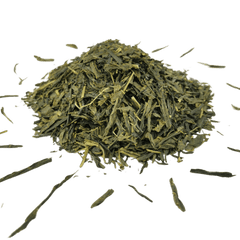
Green tea is where the tea plant shows its truest colours. Leaves are picked, quickly heated to stop oxidation, then dried. The result is fresh, grassy, sometimes sweet, sometimes savoury. Our range runs from the smooth umami of Organic Gyokuro and the toasty warmth of Hojicha to the bright vegetal snap of Sencha and the rich stone-ground depth of Izu Matcha.
Within this collection you will find Chinese styles like Organic Dragonwell, rolled Organic Osprey Gunpowder and fragrant Jasmine Dragon Pearls alongside Japanese favourites such as Genmaicha with its toasted rice and the mellow twig tea Kukicha. If you like something floral, Jasmine Green and Lychee & Jasmine Green bring perfumed softness. Decaf Kyushu Sencha offers a decaffeinated option; decaffeinated tea can still contain some caffeine.
Green tea offers fresh, floral, nutty, savoury and roasted flavours. Follow the individual product’s water temperature, leaf quantity and steeping time, then adjust for the taste you enjoy.
How to choose
Green tea naturally contains caffeine. The amount varies with the product, leaf quantity and preparation. Decaffeinated tea has most caffeine removed but can still contain some; check the individual product information.
Japanese greens like Sencha and Gyokuro lean savoury and vegetal. Chinese greens such as Dragonwell and Chunmee tend sweeter and nuttier. Jasmine styles add floral fragrance.
A bold Gunpowder suits Moroccan-style mint tea. Genmaicha works well with rice dishes. Izu Matcha is ideal whisked into lattes or sipped straight for a more ceremonial moment.
Where to start
Good questions
Caffeine varies with the leaf, serving size and preparation. Tea colour or flavour strength alone does not establish the amount. Read each product’s caffeine information; decaffeinated tea is not necessarily caffeine-free.
Follow the temperature and timing on the individual product page. Many green teas use water cooler than boiling; different styles need different preparation.
Yes. Japanese greens are usually steamed, giving grassy, marine notes. Chinese greens are typically pan-fired, producing nuttier, sweeter flavours. Both are delicious, just different in character.
Most green teas are best without milk, but matcha lattes are a popular exception. Izu Matcha blends smoothly with oat, dairy or soya milk for a creamy, frothy drink.
Keep it in an airtight container away from light, heat and strong smells. A cupboard is fine. Avoid the fridge, as condensation can spoil the leaves.
Jasmine Green and Sencha both cold-brew beautifully. Steep in cold water for four to six hours in the fridge, strain, and serve over ice.
FIND YOUR GREEN TEA
Green tea can be silky and savoury, softly floral, nutty and mellow, or deeply roasted. Start with the flavour you want and we will make the rest simple.
 Everyday classic
Fresh · vegetal · silky
An authentic Japanese Sencha with clean sweetness, deep green character and a smooth finish.
 Floral bestseller
Jasmine · light · cooling
Garden-sweet jasmine fragrance over a crisp green base: elegant, balanced and never heavy.
 Toasty comfort
Roasted rice · nutty · umami
Sencha and roasted brown rice make a cosy savoury-sweet cup with buttery popcorn notes.
 Smoothly roasted
Roasted nuts · wood · caramel
Charcoal roasting transforms Japanese green tea into a mellow amber cup with no grassy sharpness.
GREEN TEA HAS RANGE
The leaf, growing method and finishing style all shape the cup. These are useful signposts—not rules.
STEAMED · JAPAN
Sencha is the approachable classic. Shade-grown Gyokuro turns the savoury sweetness and silky texture up further.
SCENTED · FLORAL
Jasmine blossoms bring an elegant garden fragrance to a clean green-tea base without losing the leaf underneath.
PAN-FIRED · CHINA
Dragonwell’s flat leaves brew a soft vegetal sweetness with recognisable chestnut-like warmth.
ROASTED · TOASTED
Genmaicha adds roasted rice and buttery popcorn notes. Hojicha roasts the tea itself for warm wood and caramelised grain.
KEEP THE SWEETNESS IN THE CUP
Boiling water can pull bitterness from delicate green leaves. Let the kettle cool, follow the product’s own guide and taste before extending the infusion.
Around 80°C suits many green teas; each product page gives the best starting point.
One to two minutes is often enough for freshness, sweetness and clarity.
Many green teas reward a second infusion with a slightly longer brew.
EASY EVERYDAY
Sencha gives you the classic fresh Japanese profile. Jasmine Green is light, floral and especially welcoming if grassy teas have not won you over before.
MORE TO EXPLORE
Gyokuro is deep and savoury-sweet, Dragonwell mellow and nutty, while Matcha gives a creamy, whisked cup with the whole powdered leaf.
LESS CAFFEINE
Decaf Kyushu Sencha uses a CO₂ process to remove most caffeine while preserving a clean, vegetal and lightly sweet Japanese cup.
GREEN TEA, EXPLAINED
Green tea comes from the same tea plant as black tea, but the leaves are heated soon after picking to limit oxidation. That preserves their greener colour and creates flavours that can range from fresh and vegetal to floral, nutty, savoury or roasted.
Water that is too hot or an infusion left too long is usually responsible. Around 80°C is a useful starting point for many green teas, but always follow the temperature and timing on the individual product page.
Yes. Green tea naturally contains caffeine, and the amount varies by leaf, growing method and brew. Gyokuro and Matcha are higher-caffeine choices in this range; Hojicha is tagged lower-caffeine, while Decaf Kyushu Sencha has most caffeine removed.
Sencha is the classic fresh starting point. Jasmine Green is ideal if you enjoy floral fragrance, while Genmaicha and Hojicha are especially approachable for anyone who prefers nutty, toasted flavours to grassy ones.
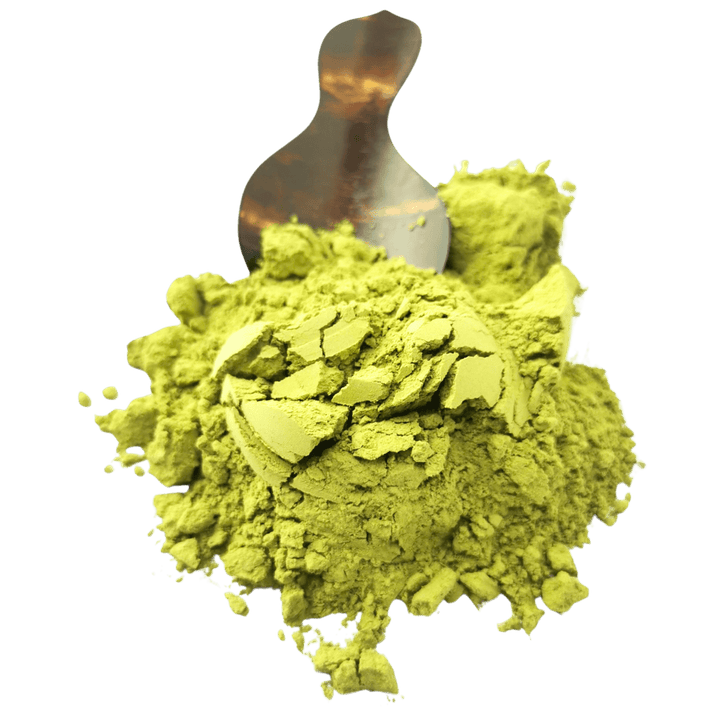
Matcha is green tea milled into a fine powder, so you whisk and drink the whole leaf rather than infusing and removing it. It gives a creamy, concentrated cup and needs a different preparation method from loose leaves.
Most loose leaf green teas are at their clearest without milk. Matcha works very well as a latte, and Hojicha can also suit milk when brewed with enough strength.
Often, yes. Many good green teas make a rewarding second infusion. Remove the leaves after the first brew, then infuse them again—usually for a little longer—and compare how the flavour changes.
Yes. All Porter Hill teas are vegan. Every product page also lists its ingredients clearly, including flowers, fruit, rice or natural flavourings used in a blend.
YOUR NEXT GREEN TEA
Choose the green tea that suits your palate: clean Sencha, jasmine perfume, toasted Genmaicha or the deep umami of Gyokuro.
Travel from crisp and grassy to floral, toasted and richly savoury.
Many green teas reward a second infusion with a softer new character.
Small-batch packing by our Huddersfield team.