
01Hot
- Amount
- 1 tsp (2.5g)
- Water
- 80°C
- Time
- 2–3 min
Cooler water keeps it sweet; hotter brings out more body.


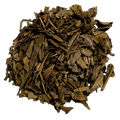
Japanese tea made from twigs and stems, with gentle sweetness and a nutty finish.
50gTry it first, or keep a few different teas open.
100gA sensible everyday pouch for most tea drinkers.
200g+Best when it is already part of your tea shelf.
One-time purchase is the default. If you choose a subscription, orders repeat at your selected frequency. Read the cancellation policy
Couldn't load pickup availability
Those who want a mild, nutty green made from stems, gentle and low on astringency.
Perhaps not if you want a bold, leafy green. Try Sencha →
Good together
We hand-pack your order in Huddersfield. Free standard UK delivery from £35. Delivery options and charges are confirmed at checkout.

Japanese stem tea
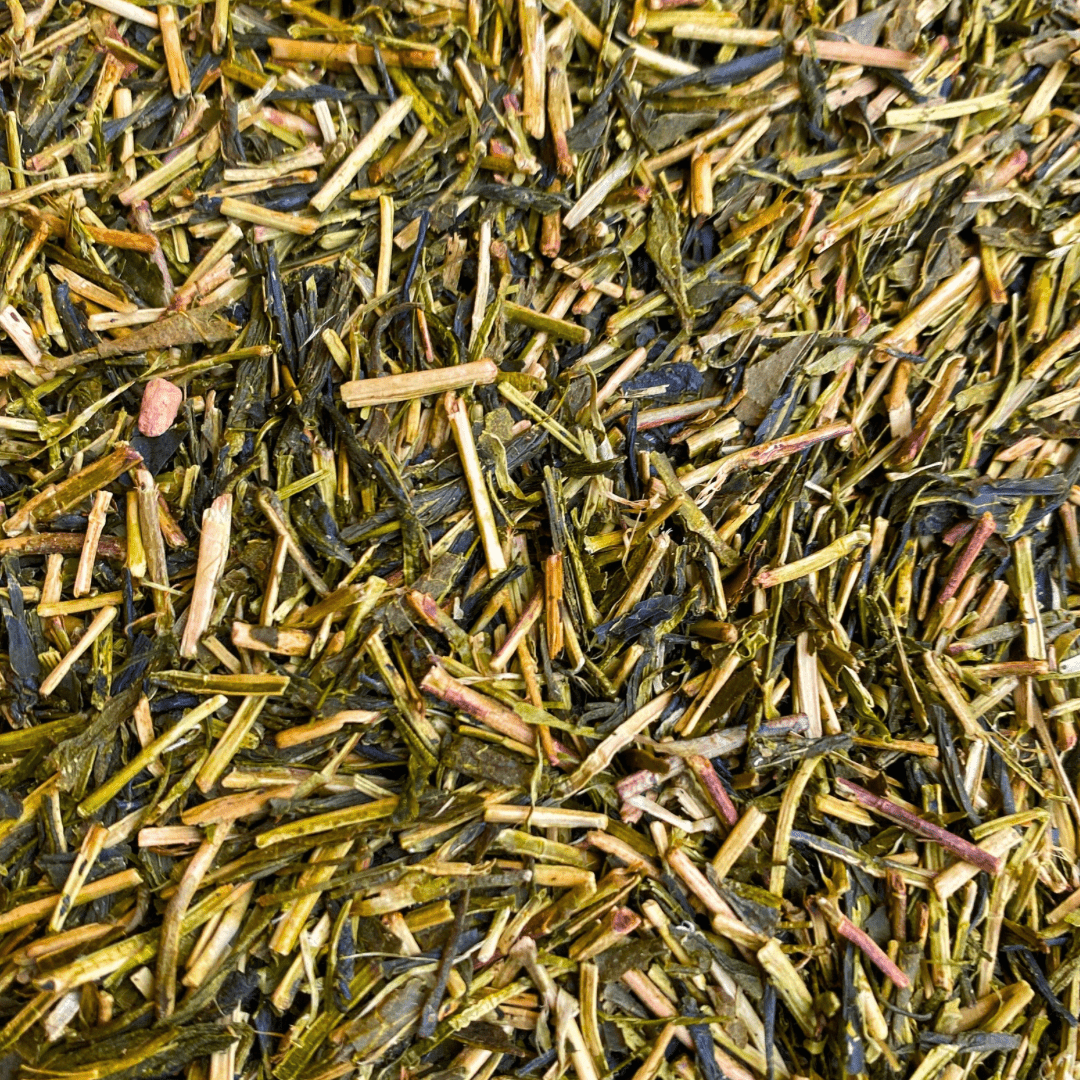
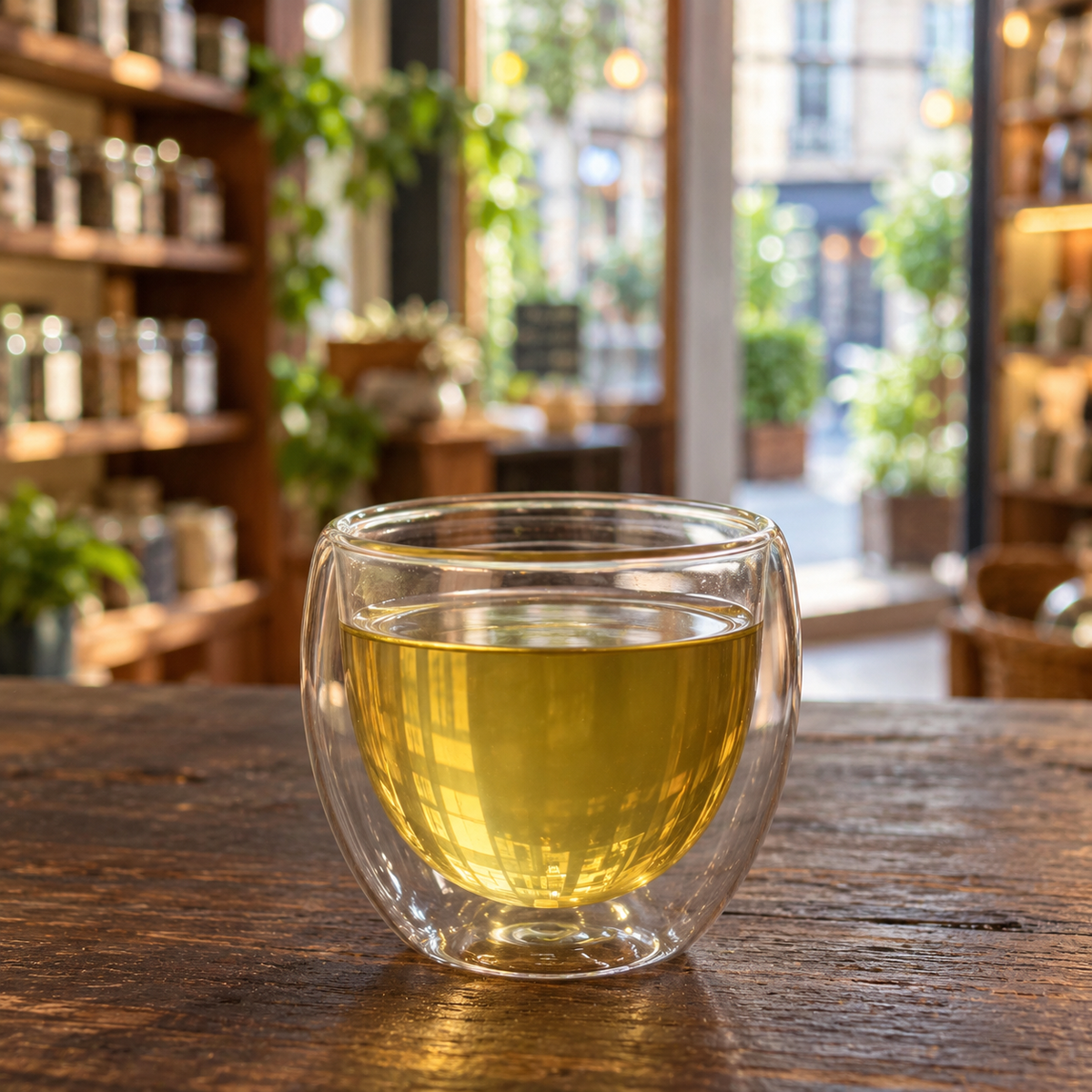
Kukicha swaps bold leaf for gentle stems, giving you a nutty, creamy cup that suits the evening as well as the afternoon. A softer green for when you want to slow things down.

The story
Most Japanese green teas are all about the leaf. Kukicha takes a different path. It is made mainly from the stems and stalks separated during sencha production, giving it a character that is milder and sweeter than its leafier relatives. The Japanese call it twig tea, which sounds rustic, but the cup is anything but rough.
Those stems bring a clean, nutty sweetness and a lightly creamy finish. There is a toasted-grain aroma in there too, almost like warm rice, but none of the roasted darkness you get from hojicha. It is still green tea, just a gentler version of it.
Because the stems are lower in caffeine than the leaves, kukicha suits the later part of the day. It works well after dinner when you want something mild but still properly made from the tea plant. Pour it plain and notice how different it tastes from the grassy punch of a sencha.
How to brew it
01Hot
Cooler water keeps it sweet; hotter brings out more body.
02Second steep
The second cup is often sweeter. Worth the extra pour.
03Cold brew
Leave in the fridge overnight for a light, refreshing drink.
Shop tip: If your cup tastes sharp, shorten the steep or drop the water temperature by five degrees next time.
Made for moments like
When you want something gentle that will not sit heavy. Kukicha is mild enough to end the evening well.
A calm cup for a calm moment. It does not demand attention, just company.
Lower caffeine than most greens, so it suits the hours when you want to ease off.
Weighing it up?
Good questions
Mild and nutty with a creamy sweetness and a clean finish. It is less grassy than sencha and not roasted like hojicha. Think warm, rounded and easy to drink.
Yes, it is made from the tea plant, but stems contain less caffeine than leaves. It is generally gentler than leafy green teas, though we do not have a precise measurement for this batch.
Many people do. Its lower caffeine makes it a good choice after dinner when you still want real tea rather than a herbal infusion.
Around 20 cups at roughly 2.5g per serving. The 100g pouch gives you about 40 cups.
We would not. The delicate nutty sweetness is best enjoyed plain. Milk would mask everything that makes it interesting.
A gentle Japanese green tea made mainly from stems and stalks separated during sencha production.
Kukicha, often called “twig tea”, has a different balance from leafier Sencha. Expect a clean, mild cup with nutty and soft malty notes, a toasted-grain aroma and a lightly creamy finish. It remains a green tea rather than a herbal infusion, and it is not the same as deeply roasted Hojicha.
Kukicha contains caffeine. We do not have a measured caffeine amount for this product, so it should not be treated as caffeine-free or sold on a precise low-caffeine figure.
Sweet • Grassy • Mellow
Choose it if you enjoy Japanese green tea but want a gentler, more rounded cup than a leaf-led Sencha. Drink it plain to notice the stem-led character. If you need a drink with no tea-leaf caffeine, choose a verified caffeine-free infusion instead.
Read the full Kukicha guide for the Sencha and Hojicha comparison, caffeine caveat and second-infusion advice.
What does Kukicha taste like? Japanese tea made from twigs and stems, with gentle sweetness and a nutty finish.
Does Kukicha contain caffeine? Yes, a little. It is made from the tea plant, but stem teas like this are generally gentler than leafy green teas.
How do I brew Kukicha? Use one teaspoon per cup with water at 80°C and steep for 2–3 minutes. Taste it, then adjust the time next round rather than stewing the leaves.
Can I have Kukicha with milk? We wouldn't. It is at its best on its own.
How should I store Kukicha? Keep the pouch sealed and somewhere cool, dry and dark, away from strong smells like coffee or spices.
Compare Sencha for a leafier Japanese green tea, or Hojicha for a deeper roasted cup.
Hand-packed in Yorkshire and ready to post. Free UK delivery on orders over £35.