Japanese Tea Ceremony: A Friendly Guide to Chado at Home

The Japanese tea ceremony is not really about the tea. Or rather, it is about the tea, but also about slowing down, paying attention, and treating a simple bowl of matcha as something worth doing properly. The formal name is chado or sado, meaning 'the way of tea', and in its full form it can last up to four hours, involve a multi-course meal, and require years of study to perform correctly.
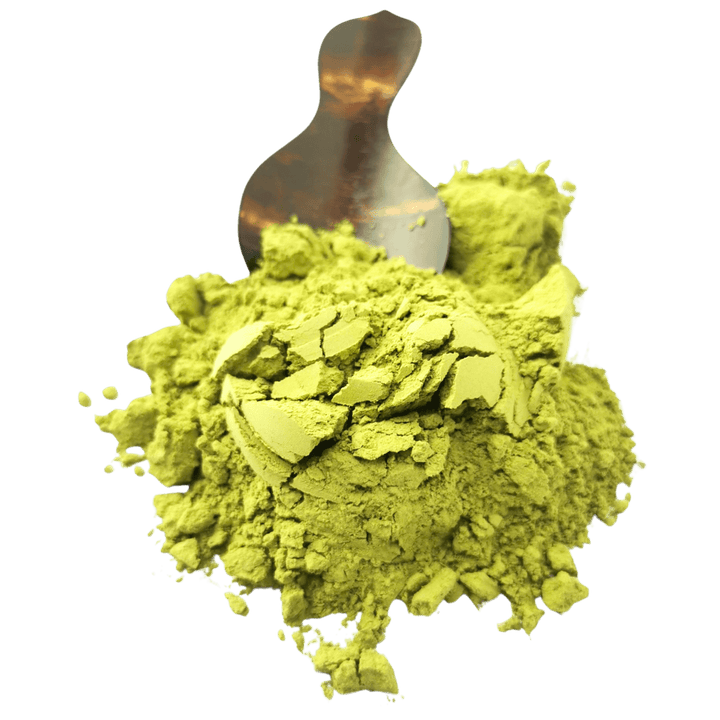
The tea in this guide: Izu Matcha from £4.80 Shop it →
But the spirit behind it is simpler: make tea with care, drink it with gratitude, and be present for the moment. That part you can do at home, on a wet Tuesday, without booking a flight to Kyoto.
At a glance
- Japanese tea ceremony is called chado, sado or chanoyu
- It centres on preparing and drinking powdered green tea (matcha)
- The tradition dates to the 9th century, shaped by Zen Buddhism
- A full formal ceremony can last up to four hours
- Core principles: harmony, respect, purity, tranquility
- You can bring its spirit into your own kitchen with simple equipment
What is the Japanese tea ceremony?
The Japanese tea ceremony is a ritualized way of preparing and serving matcha, powdered green tea whisked with hot water. It takes place in a purpose-built tea room, uses specific equipment, follows precise movements, and treats every gesture as meaningful.
The word chanoyu literally means 'hot water for tea', which sounds wonderfully practical for something so carefully choreographed. The fuller term, chado or sado, translates as 'the way of tea', placing it alongside kado (flower arranging) and kodo (incense appreciation) as one of Japan's three classical arts of refinement.
There are different types of gathering. A chakai is informal, focused on thin tea and perhaps sweets. A chaji is the full experience: a kaiseki meal, thick tea, thin tea, and according to the Wikipedia entry on Japanese tea ceremony, it may last up to four hours with one host and a maximum of five guests.

Matcha
Finely powdered green tea for whisking, iced drinks or a matcha latte. Sift first to keep things smooth.
Have a lookThe history of chado: from monks to masters
Tea arrived in Japan from China in the 8th century, initially as a medicinal drink for priests and aristocrats. The Japan Guide notes that the first documented tea service in Japan occurred in 815, when the Buddhist monk Eichu prepared sencha for Emperor Saga in what is now Shiga Prefecture. The emperor was impressed enough to order tea plantations established across the Kinki region.
Around the end of the 12th century, another monk, Eisai, returned from China with tea seeds and the method for making matcha: stone-ground tea whisked into hot water. This became the foundation of the ceremony we know today.
The Muromachi period and the rise of wabi-cha
During the Muromachi period (1336 to 1573), tea drinking spread beyond the elite. Wealthy warriors held lavish tea parties, displaying expensive Chinese ceramics and competing in tea-tasting contests. It was all rather flash.
Then a tea master named Murata Shuko, student of the Zen monk Ikkyu, began stripping away the excess. He ended the sake, the gambling, the showing off, and promoted wabicha: tea as a spiritual practice rather than a status symbol.

Sen no Rikyu and the four principles
The person most responsible for shaping the modern ceremony was Sen no Rikyu (1522 to 1591). He transformed wabicha into a solemn, deeply considered practice built on four principles: wa (harmony), kei (respect), sei (purity), and jaku (tranquility).
Rikyu championed the wabi aesthetic: rustic simplicity, natural imperfection, the beauty of restraint. He designed tiny tea rooms measuring just two or three tatami mats, used rough Japanese and Korean ceramics instead of expensive Chinese imports, and insisted guests enter through a low door that required everyone, even powerful samurai, to bow. The Metropolitan Museum of Art describes how this doorway also prevented warriors from bringing swords inside, levelling the social hierarchy within the tea room.
Rikyu taught that every gathering should be treasured because 'it can never be fully recaptured'. The Japanese phrase ichi-go ichi-e, one time, one meeting, captures this: the particular combination of people, season, utensils and mood will never happen again.
His story does not end happily. In 1591, the military ruler Toyotomi Hideyoshi ordered Rikyu to commit ritual suicide. The reasons remain disputed, possibly political, possibly personal. But his teachings survived through his great-grandchildren, who founded the three main schools still practised today: Omotesenke, Urasenke, and Mushakōjisenke.
Japanese tea ceremony equipment: the essentials
A traditional ceremony uses specific tools, each with its own name and purpose. You do not need all of these to make good matcha at home, but understanding them helps you appreciate what the ceremony involves.
| Item | Japanese name | Purpose |
|---|---|---|
| Tea bowl | Chawan | Holds the tea; shape varies by season |
| Bamboo whisk | Chasen | Whisks matcha into water |
| Bamboo scoop | Chashaku | Measures and transfers the powder |
| Tea caddy | Natsume | Holds the matcha |
| Kettle | Kama | Heats the water |
| Silk cloth | Fukusa | Ritually cleans utensils |
The tea bowl matters most to the guest. Winter bowls are deeper and more cylindrical to keep the tea warm; summer bowls are flatter to help it cool. The host's job is to select utensils that suit the season, the occasion, and the guests, a quiet act of hospitality that most visitors never fully see.

Teaware
A matcha bowl, bamboo whisk and scoop together in one set. Bring the matcha; the tools are here.
Have a lookJapanese tea ceremony etiquette: what actually happens
The ceremony varies between schools and formality levels, but a typical experience follows a pattern.
Before entering
Guests wait in a garden, sometimes washing their hands and rinsing their mouths at a stone basin. This is practical (clean hands) and symbolic (purifying yourself before entering). The entrance to the tea room is often deliberately low, requiring you to crouch and bow.
Inside the tea room
- Guests kneel in seiza position on tatami mats and bow to acknowledge the tokonoma alcove, which holds a scroll and seasonal flowers.
- The host enters and begins cleaning and arranging the utensils in a precise sequence. This is not busywork; the movements have been refined over centuries.
- Japanese sweets are served. You eat the sweet before the tea, as it balances the slight bitterness of the matcha.
- The host prepares thin tea (usucha), whisking matcha and hot water in the bowl.
- Each guest receives the bowl, rotates it clockwise about 90 degrees (to avoid drinking from the 'front'), drinks in a few sips, wipes the rim, and returns it.
- Guests may admire the utensils when invited, handling them carefully and asking about their origin or maker.
At a full chaji, thick tea (koicha) comes before thin tea, and the kaiseki meal before both. But most modern ceremonies and tourist experiences focus on thin tea alone.
A note on dress
If you attend a ceremony in Japan, wear modest, quiet clothing. Avoid strong perfume and remove jewellery that might scratch the delicate ceramics. You will almost certainly be sitting on your knees for a while, so trousers with some give are wise.
Common myths about the Japanese tea ceremony
A few misunderstandings crop up regularly.
'It's just about the matcha.' The tea matters, but the ceremony is really about mindfulness, hospitality, and the relationship between host and guest. The matcha is a vehicle, not the destination.
'You need to study for years before you can try it.' To perform a ceremony properly, yes, but guests are not expected to be experts. Good hosts guide you through. Curiosity and respect are more important than memorised steps.
'It's religious.' Chado has Zen Buddhist roots, but the practice itself is secular. You can attend regardless of your beliefs.
How to bring the spirit of chado into your kitchen
You will not recreate a formal ceremony at home, and honestly you should not try. The point of chado is not rigid imitation but intention: making tea with care, drinking it without distraction, appreciating the moment.
Here is a simple home version that captures something of that spirit.
What you need
- Good matcha (ceremonial grade works best for whisking)
- A bamboo whisk (chasen) or a milk frother in a pinch
- A bowl wide enough to whisk in
- A small sieve
- Hot water, around 70 to 80°C
- A small sweet, ideally something not too sugary
The steps
- Warm your bowl with hot water, then pour it away.
- Sift about 2g of matcha (roughly one teaspoon) into the bowl. This removes lumps.
- Add about 70ml of water at 70 to 80°C. Boiling water scorches matcha and brings out bitterness.
- Whisk briskly in a W or M motion until the surface is frothy and smooth. A good whisk takes about 15 to 20 seconds.
- Eat your sweet first. Then drink the tea in a few calm sips.
- Sit for a moment. Notice the colour, the warmth, the quiet.
That is it. No four-hour commitment, no kaiseki meal, no low doorway. Just a few minutes of attention and a bowl of good tea.

Japanese tea ceremony set: what to look for
If you want to practise at home regularly, a basic set helps. Look for:
- A bamboo whisk with at least 80 tines (more tines, finer froth)
- A wide, stable bowl that fits comfortably in both hands
- A bamboo scoop, though a small spoon works fine
Our Yoko Traditional Matcha Set includes a bowl, whisk and scoop together. Bring the matcha; the tools are here.
What to try next
If you are ready to start whisking, Izu Matcha is finely powdered green tea designed for the bowl. Sift it first to keep things smooth.
Curious about other Japanese teas? The Japanese Green Tea Adventure Box includes sencha, hojicha, kukicha and more, with a brewing guide to help you taste the differences. It is letterbox-friendly, so no waiting in for the postman.
If you prefer a gentler cup without the whisking, Hojicha is a roasted Japanese green tea with a warm, nutty flavour, almost no grassiness, and forgiving brewing requirements.
Not sure where to start? Try our Tea Finder. Answer a few questions and it will point you in the right direction.
We offer free UK delivery on orders over £35. If you are in Huddersfield, call into the shop in Byram Arcade and we will gladly talk you through the options over a proper brew.
Frequently asked questions
What is the purpose of the Japanese tea ceremony?
Beyond making and drinking tea, the ceremony is about mindfulness, hospitality and appreciating a moment that will never happen again. The host creates an experience for the guests; the guests receive it with gratitude. It is a shared meditation disguised as a cup of tea.
How long does a Japanese tea ceremony take?
A full formal ceremony, called chaji, can last up to four hours and includes a kaiseki meal, thick tea and thin tea. Most modern ceremonies and tourist experiences are shorter, focusing on thin tea alone and lasting 30 minutes to an hour.
What is in a Japanese tea ceremony set?
A basic set includes a tea bowl (chawan), bamboo whisk (chasen) and bamboo scoop (chashaku). More complete sets may add a tea caddy, whisk holder and fukusa cloth. You do not need everything to start; a whisk and bowl are the essentials.
Can you do a tea ceremony at home?
You cannot replicate the full ritual without years of training and a purpose-built tea room. But you can capture its spirit: prepare matcha carefully, drink it without distraction, and take a moment to appreciate the quiet. That is the heart of the practice.
What is the difference between matcha and sencha ceremonies?
The main tradition uses powdered matcha whisked into water. There is a separate practice called senchado that uses steeped leaf tea instead. Senchado is less common and follows different procedures, though both share an emphasis on mindfulness and hospitality.
Sources: Wikipedia · Metropolitan Museum of Art · Japan Guide · Japan National Tourism Organization