Regular price
From £3.75
Regular price
Sale price
From £3.75

The Porter Hill shelves
Follow the leaf through its recorded origin. Compare individual tasting notes and brewing guides; origin detail varies by product and available records.

Discover the character and craftsmanship of our Single Origin Loose Leaf Teas—carefully sourced from the world’s most renowned tea gardens. From delicate Darjeeling and high-grown Ceylon to bold Assam and smoky Lapsang Souchong, each leaf tells a story of place, climate and tradition.
Choose your next cup
Compare the products below, or use the filters to find your favourites.


Tea from named estates
Single origin tea means exactly what it sounds like. Each leaf comes from one specific estate, region or garden rather than being blended from multiple sources. The result is a cup that reflects its place of origin: the altitude, the soil, the local climate and the way the tea was processed. You taste geography in every sip.
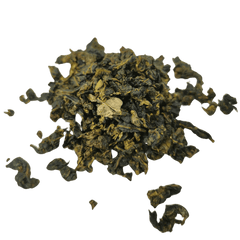
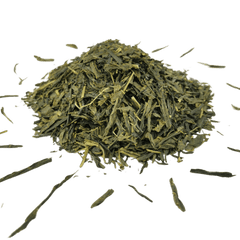
Our single origin loose leaf collection spans the great tea-growing regions. From the muscatel notes of Margaret's Hope Darjeeling 2nd Flush TGFOP to the creamy body of Quanzhou Milk Oolong, the grassy brightness of Sencha and the shade-grown depth of Organic Gyokuro, these teas show what happens when terroir meets craft. You will also find rare styles like Badaling Yellow Tea and the delicate Snow Yunnan white.
This range suits anyone who wants to understand tea more deeply, or simply appreciates knowing where their cup comes from. If you enjoy wine, coffee or anything with a sense of place, single origin tea will make sense immediately.
How to choose
Lighter teas like Pai Mu Tan or Sencha work well in the morning or afternoon. Richer black teas such as Bukhial Assam or Lumbini Ceylon Orange Pekoe carry enough body for a breakfast brew.
White and some green teas generally contain less caffeine than black. If you want something gentler later in the day, look to Pai Mu Tan or Snow Yunnan.
Most single origins are best without milk to let the character shine. Exceptions include bold Assams and Ceylon FBOPFEXS, which can handle a splash if you prefer.
Where to start
Good questions
Single origin tea comes from one specific estate or growing region rather than being blended from multiple sources. This lets you taste the unique character of that place: its soil, altitude, climate and processing traditions.
Blends combine leaves from several regions to create a consistent flavour profile year-round. Single origins vary with each harvest and reflect the individual terroir. They tend to be more distinctive but less uniform.
Smaller production runs, careful processing and traceability back to a named estate all add cost. You are paying for provenance and the skill of specific tea makers rather than bulk commodity leaves.
Start with something approachable: Sencha for green tea, Margaret's Hope Darjeeling for black, or Quanzhou Milk Oolong for something in between. All three have clear, accessible flavours that show what the category can offer.
You can, though most are best without so you taste the full character. Stronger black teas like Bukhial Assam or Lumbini Ceylon FBOPFEXS hold up well with a little milk if that is your preference.