Regular price
From £3.75
Regular price
Sale price
From £3.75

The Porter Hill shelves
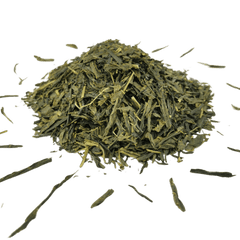
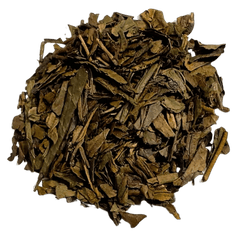
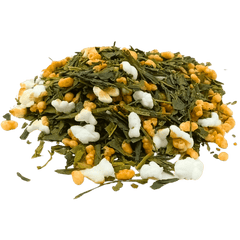
Sencha, matcha and roasted green tea offer very different cups. Compare grassy, savoury and toasted notes, with brewing guidance on every tea page.

From vibrant Sencha and delicate Gyokuro to toasted Genmaicha and smooth Matcha, our Japanese tea collection is rich in flavour, umami and tradition.
Choose your next cup
Compare the products below, or use the filters to find your favourites.


From Japan, with care
Japanese tea sits in a class of its own. The leaves are typically steamed rather than pan-fired, locking in a vivid green colour and a fresh, vegetal character you won't find elsewhere. Expect grassy sweetness, marine undertones, and that savoury depth the Japanese call umami. From the everyday brightness of Sencha to the shade-grown richness of Organic Gyokuro, each style tells you something about how and where it was grown.
Our Japanese tea collection covers the full range. Hojicha brings toasted, nutty warmth, while Genmaicha blends green tea with rice for a comforting, gently savoury finish. Kukicha uses stems and stalks for a mild, lightly creamy brew. If you want something more ceremonial, Samurai Matcha delivers that vibrant, whisked green tea experience. There are flavoured options too: Sencha Rose and Lemon Sencha add floral and citrus notes without losing that distinctive Japanese character.
These teas suit anyone curious about what green tea can really taste like. If you find most green teas bitter or flat, a properly brewed Japanese tea might change your mind. We hand-pack every order in Yorkshire.
How to choose
Most Japanese greens contain caffeine. Hojicha is roasted, which gives it a gentler character, though it still contains caffeine. Decaf Kyushu Sencha Green offers the flavour without the lift. Gyokuro is shade-grown and tends to sit at the higher end.
Sencha is grassy and refreshing. Genmaicha has toasty, rice-like character. Hojicha tastes roasted and nutty. Kukicha is mild and slightly creamy. Start with what sounds most appealing.
Loose leaf Japanese greens need cooler water, around 70–80°C, and shorter steeps. Matcha requires whisking. If you want to explore several styles at once, the Japanese Green Tea Adventure Box lets you sample without committing to full pouches.
Good questions
Japanese green teas are usually steamed, which preserves a brighter green colour and a more vegetal, marine flavour. Chinese greens are often pan-fired, giving them a nuttier, lighter taste. Both are worth exploring.
You can order our full Japanese tea range online with free UK delivery over £35. If you're local to Huddersfield, visit our shop in the Byram Arcade to see the teas in person.
It can be if brewed with boiling water or steeped too long. Use cooler water, around 70–80°C, and steep for one to two minutes. This brings out sweetness and umami rather than bitterness.
Sencha is a good starting point. It's the most widely drunk tea in Japan and offers a balance of grassy sweetness and light astringency. Genmaicha is another approachable choice with its toasty, comforting flavour.
Yes. Most Japanese green teas contain caffeine. We also offer Decaf Kyushu Sencha Green if you want to avoid caffeine.