Japanese Green Tea: A Map of Styles from Sencha to Matcha

Ask for Japanese green tea and you might be handed fresh grassy leaves, a blend with toasted rice, something that smells like a bonfire in a good way, or a tin of vivid green powder. All green tea, all Japanese, nothing alike. The quickest way to choose is to ask what you want in the cup: vegetal and bright, toasty and comforting, deeply savoury, or creamy and whisked. This guide maps the main styles, puts them side by side in a comparison table, and helps you pick the one that suits your mug and your morning.
The tea in this guide: Sencha from £4.10 Shop it →
Sencha is the starting point for most people, representing around 80 per cent of all tea production in Japan. Genmaicha softens the green notes with roasted rice. Hojicha swaps freshness for warm, woody roast. Gyokuro is shade-grown for concentrated umami. Matcha is ground so fine you whisk it into water and drink the whole leaf. Same plant, wildly different cups.
At a glance
- Sencha: steamed leaf, fresh and vegetal, medium caffeine
- Genmaicha: green tea with roasted rice, toasty and nutty
- Hojicha: roasted tea, warm and woody, lower caffeine
- Gyokuro: shade-grown for about 20 days, silky and deeply savoury, high caffeine
- Matcha: powdered tea whisked into water, creamy and concentrated, high caffeine
- All contain caffeine; none are caffeine-free
What actually changes between Japanese green teas?
These are not five unrelated plants. They all come from the same tea bush, Camellia sinensis, but how they are grown, processed and prepared creates the difference. Japanese green tea is typically steamed rather than pan-fried, which preserves the fresh vegetal character and vivid colour. What happens after that steaming, and before it, is where styles diverge.
Shade-grown leaves, covered for around 20 days before harvest, become gyokuro or matcha. The shade boosts chlorophyll and amino acids, building umami and sweetness while reducing bitterness. Roasting turns tea into hojicha, swapping green freshness for warm, nutty depth. Blending green tea with roasted brown rice gives you genmaicha. Matcha is ground so fine you whisk it into the water rather than strain it out.
Choose by flavour, texture and how you want to make it. A tea that suits your everyday mug is a better first purchase than a prestigious style you will not enjoy brewing.

Sencha vs genmaicha vs hojicha vs gyokuro vs matcha
The table below puts the main styles side by side. Use it to compare flavour, caffeine and brewing method at a glance.
| Style | Flavour | Caffeine | Water temp | Steep time |
|---|---|---|---|---|
| Sencha | Fresh, grassy, vegetal | Medium | 70 to 80°C | 1 to 2 min |
| Genmaicha | Toasty, nutty, mellow | Medium-low | 80 to 90°C | 30 sec to 2 min |
| Hojicha | Warm, woody, roasted | Low | 90 to 100°C | 30 sec to 1 min |
| Gyokuro | Sweet, umami, silky | High | 50 to 60°C | 2 to 2.5 min |
| Matcha | Creamy, concentrated, umami | High | 75 to 80°C | Whisked, not steeped |
Temperatures and times vary between sources, so treat these as starting points. Some guides suggest gyokuro at 50°C for two and a half minutes; others prefer slightly warmer water. Taste, adjust, repeat.

Green Tea
Japanese sencha with grassy freshness, savoury green notes and a little sweetness.
Have a lookFor a fresh, classic leaf tea: Sencha
Sencha is the reference point for clean, vegetal flavour with a bit of savoury depth. It is what most Japanese people drink daily, grown in full sun and steamed shortly after picking. The leaves are rolled into fine twisted needles, which Nippon.com describes as having a balance of umami flavour and bitterness.
Start with one teaspoon of leaf per cup, water around 70 to 80°C and one to two minutes. If the cup turns bitter, shorten the infusion or cool your water a touch before deciding green tea is not for you. Sencha is straightforward. It tastes green, a bit grassy, gently savoury. If that sounds appealing, this is your starting point.
Fukamushicha: deep-steamed sencha
Some sencha is steamed two to three times longer than usual, producing what is called fukamushicha. The longer steaming breaks down the leaves more, creating a darker, more vivid liquor with less astringency and a sweeter finish. If you find regular sencha too sharp, fukamushicha might suit you better.
For toast with your tea: Genmaicha
Genmaicha combines green tea with roasted brown rice. The rice adds warm, nutty, toasted-cereal aroma that softens the tea's green notes. It is an accessible choice if straight sencha feels too grassy, and it sits well beside savoury food, a slice of toast or a quiet moment between meetings.
Brew one teaspoon with 80 to 90°C water for 30 seconds to two minutes. The rice gives the cup a comforting, everyday character that works well morning or mid-afternoon. Some versions include a little matcha powder for extra colour and body.

Green Tea
Japanese green tea and roasted rice, with a warm, popcorn-like aroma. Toasty rather than sweetshop sweet.
Have a lookFor a deeper roast: Hojicha
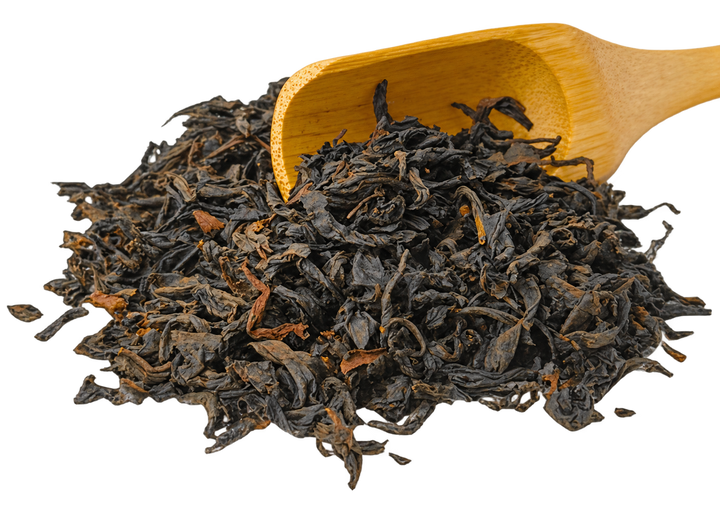
Hojicha is roasted green tea, leaves or stems, and the roast replaces much of the fresh green character with warm, nutty and woody aromas. Choose it when you want the roast to lead, not just accompany the tea. The JETRO Japan Food guide describes hojicha as having savoury and roasted flavour, lower caffeine, and being suitable all day.
It still contains caffeine. The roasting does not remove it, though hojicha generally has less than sencha or gyokuro. Start with one teaspoon, 90 to 100°C water and 30 seconds to one minute. Our hojicha guide goes deeper into the cup and the brew, and hojicha makes a lovely latte if you fancy trying it with milk.
For concentrated savoury sweetness: Gyokuro
Organic Gyokuro is shade-grown before harvest, typically covered with bamboo screens or cloth for around 20 days. Covering the plants changes the leaf chemistry, building fuller, silky texture and marked umami. JETRO describes gyokuro as sweet and umami with high caffeine, recommended for mornings.
It is rewarding if you enjoy savoury sweetness, less likely to suit someone after a brisk breakfast-style tea. Brew a small, attentive cup. Start with one teaspoon, 50 to 60°C water and two to two and a half minutes, then taste and adjust. Keep the leaves for another infusion, using slightly warmer water the second time.
For a whisked, creamy drink: Matcha
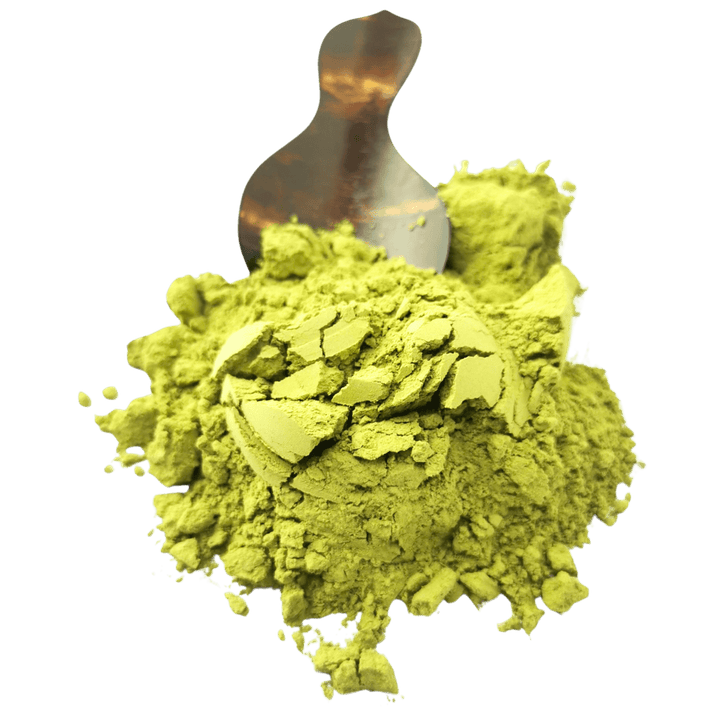
Izu Matcha is finely powdered green tea. The leaves, called tencha, are shade-grown like gyokuro, then steamed, dried without rolling, and stone-ground into powder so fine you whisk it into water rather than strain leaves away. You drink the whole leaf, which gives a more textured, concentrated cup with vivid colour and umami.
Sift one to two grams and whisk with 60 to 80 millilitres of water at roughly 75 to 80°C. Move the whisk side to side, not in circles, until frothy.
It also works in a latte with milk, hot or iced. You will need a bamboo whisk and ideally a wide bowl. The Yoko Traditional Matcha Set has bowl, whisk and scoop together.

Matcha
Finely powdered green tea for whisking, iced drinks or a matcha latte. Sift first to keep things smooth.
Have a lookCommon mistakes when brewing Japanese green tea
The most common mistake is using water straight from the boil. Most Japanese green teas, especially sencha and gyokuro, turn bitter if the water is too hot. Let the kettle cool for a few minutes or pour the water into a jug first to drop the temperature.
The second mistake is steeping too long. Three or four minutes will overextract most Japanese greens, pulling out harsh tannins. Start shorter, taste, and add time if you want more strength. It is easier to steep a bit longer than to rescue a bitter cup.
The third mistake is giving up after one infusion. Good sencha, gyokuro and genmaicha can be brewed two or three times. Use slightly hotter water for the second steep. Matcha is the exception: you drink the powder, so there is nothing left to re-brew.
Where does Japanese green tea come from?
Japan's three largest tea-producing regions are Shizuoka, Kagoshima and Mie. Kyoto, especially Uji, is famous for gyokuro and matcha. Different regions and cultivars produce different flavour profiles, from the seaweed notes of shaded Uji teas to the brighter, grassier styles of Shizuoka.
Japanese green tea was originally consumed only by royal and religious classes in the ninth century, then gradually spread throughout Japan. Today sencha dominates daily drinking, while gyokuro and matcha remain associated with special occasions and the tea ceremony. Our guide to the Japanese tea ceremony explains more about that tradition.
What to try next
If you are still deciding, the Japanese Green Tea Adventure Box puts sencha, genmaicha, hojicha, gyokuro and matcha side by side in one letterbox-friendly box, with a tasting guide to compare them cup by cup. It is a proper introduction without committing to large pouches.
If you want to explore green tea more broadly, the Green Tea Tasting Box includes Japanese sencha alongside Chinese dragonwell, jasmine and gunpowder, so you can taste the difference that steaming versus pan-frying makes. Our Chinese green tea guide covers that side of the story.
For something caffeine-free but Japanese-inspired, try our caffeine-free teas and tisanes. Or if you would rather let us pick, the Tea Finder will suggest something based on what you like.
We pack loose-leaf tea to order in Huddersfield, with free UK delivery on orders over £35. You can also call into the shop in Byram Arcade if you want to smell the tea before you buy.
Frequently asked questions
Which Japanese green tea has the most caffeine?
Matcha tends to have the most caffeine per serving because you drink the whole powdered leaf. Gyokuro is also high in caffeine due to the shade-growing process. Sencha sits in the middle. Hojicha and genmaicha are generally lower because roasting or blending with rice dilutes the leaf, but they are not low-caffeine teas and certainly not caffeine-free.
What are the best Japanese green teas?
That depends on what you enjoy. Gyokuro is often considered the highest quality rank because of its labour-intensive shade-growing, but quality is not the same as preference. If you like fresh and grassy, sencha is best. If you want comforting and toasty, genmaicha or hojicha will suit you better. Matcha is best if you enjoy whisking a creamy, concentrated drink.
Can you add milk to Japanese green tea?
Matcha works well with milk in a latte, hot or iced. Hojicha also makes a lovely latte. For sencha, genmaicha and gyokuro, milk tends to mask the delicate character rather than complement it. Try them without milk first, then experiment if you are curious.
How should I store Japanese green tea?
Keep it sealed, cool and dry, away from sunlight and strong aromas. Green tea fades faster than black tea because it is less oxidised, so buy smaller amounts more often if you can. Once opened, aim to finish it within a few months for the freshest flavour.
Is Japanese green tea better than Chinese green tea?
Neither is better; they are different. Japanese green tea is typically steamed, giving fresh vegetal flavours. Chinese green tea is usually pan-fired, producing nuttier, sometimes sweeter notes. Both are worth exploring. Our Chinese green tea guide covers the main styles from that tradition.
What Japanese green tea is good for beginners?
Genmaicha is often the easiest starting point. The roasted rice softens the green tea's grassy edge and the cup is forgiving to brew. Sencha is a good second choice if you want to taste what Japanese green tea is known for, but cool your water and watch your steeping time.
Sources: Japan National Tourism Organization · Nippon.com · JETRO Japan Food