Best Decaf Tea: A Buying Guide to Full Flavour Without the Buzz

The best decaf tea is the one that tastes like the cup you actually want. Not the healthiest, not the strongest, not the one with the fanciest packaging. Just the brew that makes you think 'that's a proper cup' when you sit down with it at half nine on a wet Tuesday evening.
The tea in this guide: Decaf English Breakfast from £4.95 Shop it →
Before choosing a decaf, work out what you already enjoy in a regular tea. A malty breakfast brew with milk? Citrus bergamot? Fresh green leaf? Warming ginger and cardamom? Decaffeination is just a process. Flavour is the reason to pick one over another.
The short answer: match your decaf to the style of tea you already reach for. If you drink English Breakfast, try a decaf English Breakfast. If you love Earl Grey, get a decaf Earl Grey. The caffeine's mostly gone, but the character should stay.
At a glance
- Decaf tea contains 2 to 6 mg caffeine per cup, versus 30 to 70 mg in regular black tea
- Choose by flavour profile: malty breakfast, bergamot Earl Grey, vegetal green or warming chai
- CO₂ decaffeination preserves more flavour than chemical methods
- For zero caffeine, choose rooibos, herbal or fruit infusions instead
- If your decaf tastes thin, add more leaf rather than steeping longer
Does decaf tea have caffeine?
Yes, a little. Decaffeination removes most caffeine from the leaf but not all of it. UK law requires tea labelled decaffeinated to contain less than 2.5% of its original caffeine, which typically means 1 to 8 mg per cup. Compare that with 30 to 47 mg in a regular mug of black tea with milk, or 95 to 200 mg in a cup of coffee.
For most people, that trace amount makes no noticeable difference. But if you need to avoid caffeine entirely, whether for pregnancy, medication or sensitivity, choose a naturally caffeine-free option like rooibos, herbal or fruit tea. Those never contained caffeine in the first place, so there's nothing to remove.

Black Tea
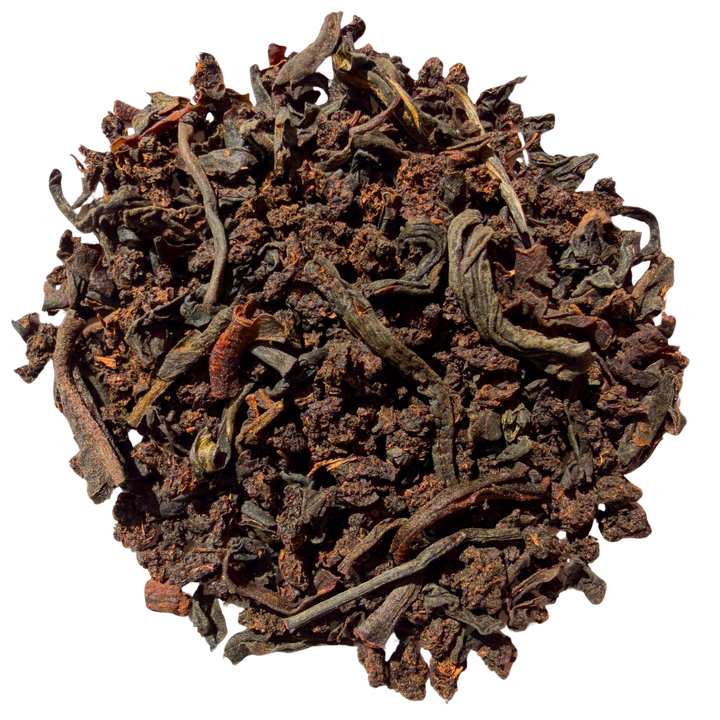
A medium-bodied decaf black tea with soft floral notes. Decaffeinated, rather than completely caffeine-free.
Have a lookHow is tea decaffeinated?
Three main methods exist, and the one used affects how your tea tastes.
Carbon dioxide (CO₂)
Pressurised CO₂ acts as a selective solvent, bonding with caffeine molecules while leaving most flavour compounds, essential oils and antioxidants intact. CO₂ decaffeination is generally preferred for black, green and white teas because it retains better flavour than chemical methods. No chemical residue remains. This is the method used for our Decaf Kyushu Sencha.
Ethyl acetate
A solvent that occurs naturally in fruit, often marketed as 'naturally decaffeinated'. It works, but can strip some flavour compounds along with the caffeine. Chemical decaffeination using ethyl acetate is an industry-standard method but generally produces less-rich flavour than CO₂ processing.
Methylene chloride
Permitted at very low residue limits and increasingly rare in branded tea. The Independent notes that methylene chloride and CO₂ are the most common methods, and that all methods can slightly alter flavour. It's effective but not the gentlest option for flavour preservation.

Does decaf tea taste different?
Sometimes. The decaffeination process can affect body and complexity, which is why some decaf teas taste thinner than their caffeinated cousins. The extent depends on the method used, the quality of the base leaf, and how the final blend is finished.
CO₂-processed teas generally fare better in taste tests. The chemical methods can leave a subtle flatness, though a well-blended decaf with good leaf will still make a satisfying cup. The key is starting with quality tea. A mediocre leaf decaffeinated by any method will still be mediocre.
How to make decaf tea taste better
If your decaf tastes weak, resist the urge to steep it for ten minutes. Longer brewing often adds a drying, astringent edge without bringing back the body you want. Instead, use a little more leaf per cup, around 1.2 to 1.5 times what you'd use for regular tea. And use freshly boiled water for black teas, properly cooled water for green.
Which decaf suits your usual cup?
Match your blend to the flavour profile you already enjoy.
| If you drink | Try | Water temp | Steep time |
|---|---|---|---|
| English Breakfast | Decaf English Breakfast | 100°C | 2–3 min |
| Earl Grey | Decaf Earl Grey | 100°C | 2–3 min |
| Green tea | Decaf Kyushu Sencha | 80°C | 3 min |
| Chai | Decaf Masala Chai | 100°C | 2–5 min |
For a malty morning brew
Decaf English Breakfast has soft floral notes and enough body to carry milk. Start with freshly boiled water and two minutes, then adjust. If you normally drink a strong builder's tea, this is your weekday standby without the afternoon jitters.
For bright bergamot
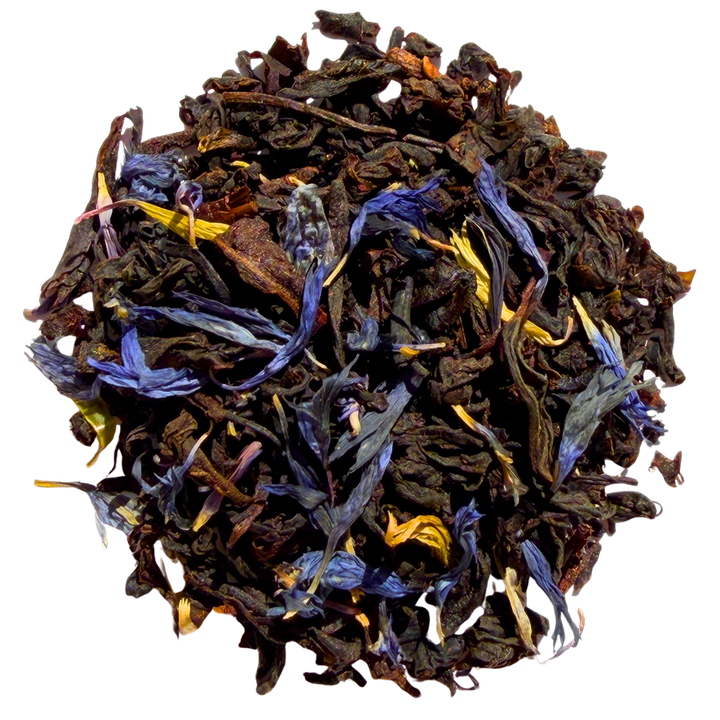
Decaf Earl Grey combines decaffeinated black tea with natural bergamot flavouring and cornflower petals. The citrus comes through whether you take it with milk or without. Our guide to decaf Earl Grey covers the details.

Black Tea
Bergamot and smooth black tea, with most of the caffeine removed. Still recognisably Earl Grey.
Have a lookFor green tea freshness
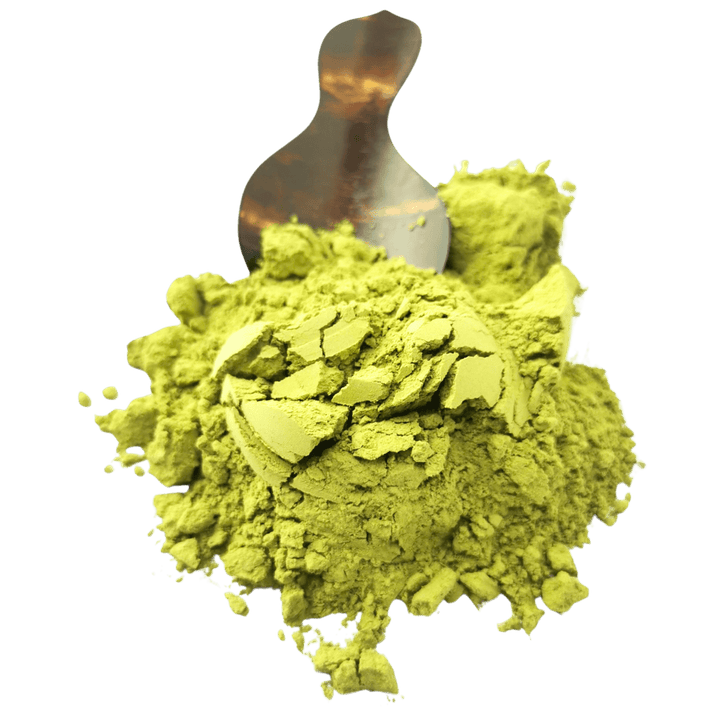
Decaf Kyushu Sencha is the lighter, vegetal option. It uses a CO₂-decaffeinated base and keeps the grassy, slightly sweet character of Japanese sencha. Brew it gently at 80°C. Boiling water will make it bitter and you'll blame the decaf when it's really your kettle's fault.
For warming spice
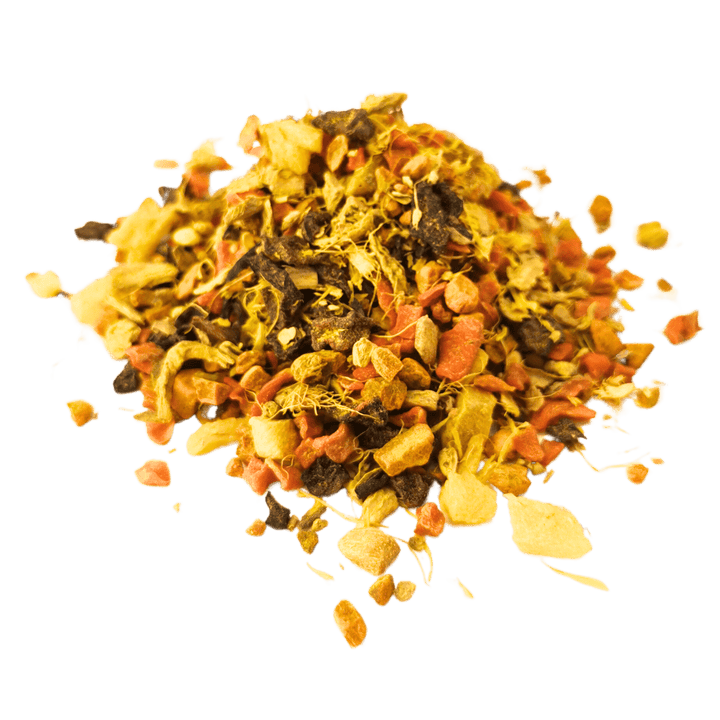
Decaf Masala Chai brings ginger, cinnamon and cardamom to a decaffeinated black tea base. Drink it with milk the way you would a regular chai, or try it plain if you like the spice to bite back.
Best decaf loose leaf tea versus tea bags
Loose leaf decaf tends to use larger, more intact leaves than the fannings and dust in most tea bags. That means better flavour extraction and more control over strength. You can adjust the amount of leaf per cup rather than being stuck with whatever's in the bag.
The Independent tested over 35 cups of decaf tea and noted that CO₂-processed options generally scored higher for flavour retention. If you've only tried supermarket decaf bags and found them disappointing, loose leaf is worth another go.
Common myths about decaf tea
'Decaf means caffeine-free'
It doesn't. Decaf tea typically contains 1 to 8 mg per cup. For genuinely zero caffeine, you need herbal, fruit or rooibos tea.
'Decaf tea has no flavour'
Poor decaf has no flavour. Good decaf, made from quality leaf and processed with CO₂, tastes like actual tea. The problem is that cheap decaf often starts with cheap leaf.
'You can decaffeinate tea at home by rinsing it'
This myth suggests a quick hot-water rinse removes most caffeine. It doesn't. Caffeine releases throughout the steeping process, not just in the first seconds. You'd strip flavour before making much dent in the caffeine.
A brief history of decaf tea
The UK's relationship with tea goes back centuries, but decaffeination is a relatively modern invention. The first commercial decaf processes emerged in the early twentieth century, initially for coffee. Tea followed later, with early methods using chemical solvents that could leave off-flavours.
The CO₂ method arrived in the 1980s and changed things. The UK still consumes around 61 billion tea bags per year, and since 2020 more people have been reaching for evening cups, decaf included.
What about caffeine-free alternatives?
If you need zero caffeine rather than low caffeine, skip the decaf entirely and look at naturally caffeine-free options. Plain Rooibos makes a mellow amber brew with woody sweetness. Earl Grey Rooibos gives you that familiar bergamot without any tea leaf at all. Both take milk well.
Rooibos comes from the Cederberg region of South Africa and has never seen a tea plant. It's not decaffeinated; it's simply a different botanical altogether. Our caffeine-free tea guide covers more options if you want to explore.

Rooibos Tea
Plain red rooibos makes a mellow amber cup with woody sweetness. Naturally caffeine-free.
Have a lookWhat to try next
If you're not sure which decaf suits you, start with what you already drink. Our Decaf English Breakfast works for anyone who takes their tea with milk and wants it to taste like a proper brew. Decaf Earl Grey is the one for bergamot lovers. Decaf Kyushu Sencha suits green tea drinkers who want something light and grassy. Decaf Masala Chai is for the spice-forward crowd.
For zero caffeine, try the Caffeine-Free Tasting Box with five herbal teas for evenings. Or use the Tea Finder to narrow things down by flavour preference.
Order loose-leaf decaf with free UK delivery on orders over £35, and we pack orders by hand in Huddersfield. Or call into the shop at Byram Arcade in Huddersfield if you'd like to smell the leaf before you buy. The kettle's always on.
Frequently asked questions
Is decaf tea completely caffeine-free?
No. Decaffeinated tea typically contains 1 to 8 mg of caffeine per cup, compared with 30 to 70 mg in regular black tea. UK law requires decaf to have less than 2.5% of its original caffeine. For zero caffeine, choose herbal, fruit or rooibos tea instead.
What is the best decaf tea UK?
The best decaf depends on what you enjoy drinking. For a malty breakfast brew, try Decaf English Breakfast. For bergamot, Decaf Earl Grey. For green tea freshness, Decaf Kyushu Sencha. Match the decaf to your usual cup rather than picking at random.
Can I brew decaf tea the same way as regular tea?
Yes for black decaf teas: use freshly boiled water and 2 to 3 minutes. For decaf green tea, cool the water to about 80°C and steep for 3 minutes. Boiling water on green tea makes it bitter regardless of caffeine content.
Why does my decaf taste weaker than regular tea?
Decaffeination can slightly reduce body and complexity. Use more leaf per cup rather than steeping longer. Extended brewing adds astringency without bringing back the flavour. Starting with quality loose leaf also makes a difference.
Which decaf method is best for flavour?
CO₂ decaffeination generally preserves more flavour than ethyl acetate or methylene chloride methods. It leaves no chemical residue and keeps most of the tea's natural character. Check the brand's website if you want to know which method they use.
Is decaf tea safe during pregnancy?
The NHS recommends no more than 200 mg of caffeine daily during pregnancy. Decaf tea contributes only 1 to 8 mg per cup. Speak to your midwife or GP about your individual situation. For zero caffeine, herbal or rooibos teas are the safest choice.
Sources: The Independent · Foods Guy · Mother & Baby