Green Tea Caffeine: How Much Is in Each Type, by the Numbers

A cup of green tea contains roughly 28 to 50 mg of caffeine. That's about a third of what you'd get from a mug of brewed coffee, and a little less than black tea. Enough to sharpen the afternoon, not enough to keep you pacing the kitchen at midnight.
The tea in this guide: Jasmine Green from £3.95 Shop it →
But 'green tea' covers a lot of ground. A bowl of matcha made from powdered whole leaves has more caffeine than a gentle jasmine green steeped for two minutes. Brewing temperature, leaf age, steep time and format all shift the number. The range is wider than most people expect, and knowing where your tea falls on it helps you drink it at the right time of day.
Here's what the research actually says, broken down by type, with the numbers you need to make sense of it.
At a glance
- Caffeine in green tea: roughly 28 to 50 mg per 8 oz (237 ml) cup
- Black tea: around 48 mg per cup
- Coffee: around 96 mg per cup
- Matcha: higher, because you consume the whole leaf
- Safe daily limit: up to 400 mg for most adults
- Factors that change it: leaf type, water temperature, steep time, format (loose vs bagged)
How much caffeine is in green tea?
An 8-ounce cup of brewed green tea contains about 29 mg of caffeine according to the Mayo Clinic. Healthline puts the range at 30 to 50 mg, with an average around 35 mg. WebMD says about 28 mg per 8-ounce serving.
So the honest answer is somewhere between 28 and 50 mg. The variation comes down to how the tea was grown, how old the leaves were when picked, and how you brew it. Young leaf tips have more caffeine than older, mature leaves. A three-minute steep extracts more than a one-minute steep. Hotter water pulls out more caffeine than cooler water.

Green Tea
Green tea with a fresh jasmine fragrance and a crisp finish. Simple, floral and easy to enjoy.
Have a lookGreen tea vs coffee caffeine
Coffee wins this one by a comfortable margin. A standard 8-ounce cup of brewed coffee contains about 96 mg of caffeine, according to the Mayo Clinic. That's roughly three times the caffeine in the same size cup of green tea.
Espresso is more concentrated still: about 63 mg per single ounce. But because a shot is small, you're often getting less total caffeine than a large filter coffee.

| Drink | Serving | Caffeine (mg) |
|---|---|---|
| Brewed green tea | 8 oz (237 ml) | 28–50 |
| Black tea | 8 oz (237 ml) | 25–48 |
| Brewed coffee | 8 oz (237 ml) | 96 |
| Espresso | 1 oz (30 ml) | 63 |
| Matcha (1 tsp powder) | 8 oz (237 ml) | 38–70 |
The effect feels different too. Green tea contains an amino acid called L-theanine, which research suggests may work alongside caffeine to produce a calmer, more focused alertness than coffee. Some people describe it as a gentle lift without the jitters. Others notice no difference. Bodies vary.
Caffeine in matcha green tea
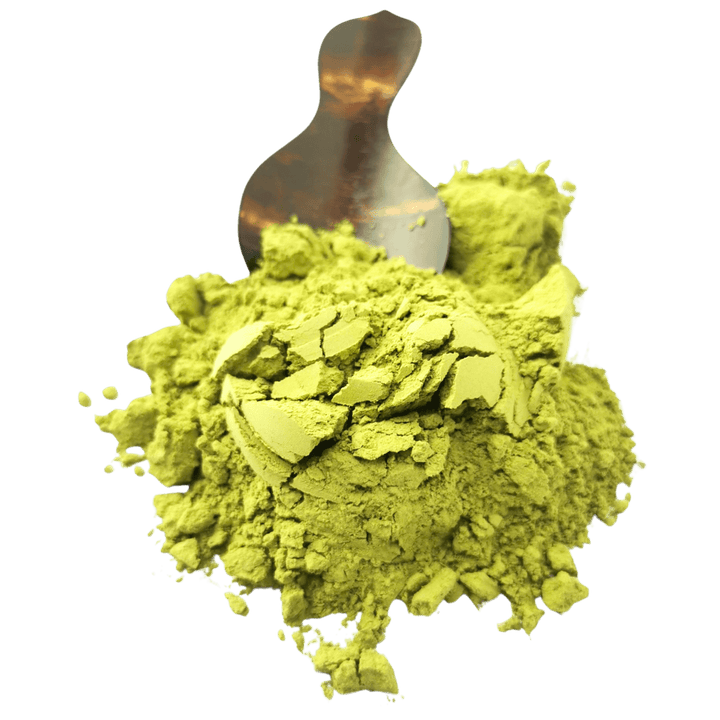
Matcha has more caffeine than other green teas because you're drinking the whole leaf, ground to a fine powder, rather than an infusion of leaves you later discard. The caffeine is higher, but so is everything else: more L-theanine, more of the green tea's flavour compounds.
A typical serving uses about 1 gram (roughly half a teaspoon) of matcha powder whisked into hot water. That single gram contains around 19 to 44 mg of caffeine depending on the grade. Ceremonial matcha from shaded plants tends to sit at the higher end. Culinary grades used for baking are often lower.
Because portions are small, a bowl of matcha ends up with similar total caffeine to a cup of bagged green tea, even though the concentration is much higher. If you use more powder or drink multiple bowls, the caffeine adds up quickly.
Caffeine by green tea type
Not all green teas are equal. Here's a rough guide based on how different types are typically processed:
Sencha
Japan's everyday green tea, made from leaves grown in full sun. Expect 20 to 40 mg per cup. The fresh, grassy flavour comes with moderate caffeine.
Gyokuro
Shade-grown for several weeks before harvest, which increases both L-theanine and caffeine. A cup can reach 50 mg or more. Rich, savoury, and not for late evenings.
Genmaicha
Green tea blended with toasted rice. The rice dilutes the tea, so caffeine is on the lower end: around 15 to 30 mg. A good choice if you want something lighter.
Gunpowder
Rolled Chinese green tea with a slightly smoky character. Moderate caffeine, similar to sencha. Read more in our gunpowder green tea guide.
Dragonwell (Longjing)
Pan-fired Chinese green with a chestnut sweetness. Caffeine sits in the middle of the range, around 25 to 35 mg.
Jasmine green
Green tea scented with jasmine flowers. The caffeine comes from the base tea, so it's similar to whatever green was used, typically 25 to 40 mg.
What affects caffeine in your cup?
Even the same tea brewed two different ways gives you different caffeine levels. Here's what shifts it:
Water temperature
Hotter water extracts more caffeine. Green tea brewed at 80°C will have less caffeine than the same leaves brewed at 90°C. The usual advice is to let boiling water cool for a minute or two before pouring over green tea, partly for flavour (too hot and it goes bitter) and partly because you don't need the extra caffeine extraction.
Steep time
A one-minute steep gives you less caffeine than a five-minute steep. Most of the caffeine comes out in the first few minutes, so if you want a gentler cup, keep it brief.
Leaf format
Teabags often contain more finely cut leaves than loose leaf tea. The smaller pieces have more surface area, so caffeine extracts faster. A bagged green tea steeped for three minutes may have more caffeine than the same weight of whole-leaf tea steeped the same way.
Leaf age
Young leaf tips and buds contain more caffeine than older, mature leaves. Teas made from tender spring growth tend to have higher caffeine than autumn harvests.

Letterbox gift
Five loose leaf green teas from Japan and China, from grassy Sencha to jasmine, Dragonwell and rolled gunpowder.
Have a lookIs there caffeine in green tea extract?
Yes. Green tea extract is a concentrated form, usually sold as capsules or powders. The caffeine content varies widely depending on how it's processed and how much you take. Some extracts are standardised for caffeine; others are not.
The National Center for Complementary and Integrative Health notes that uncommon liver injury has been reported with high-dose green tea extract, particularly in tablet or capsule form. If you're considering supplements, speak to a pharmacist or GP first. Drinking green tea as a beverage, on the other hand, has no reported safety concerns for adults, aside from the caffeine itself.
Caffeine-free and decaf green tea
True caffeine-free green tea doesn't exist. Green tea comes from the Camellia sinensis plant, which naturally contains caffeine. There's no variety or processing method that removes it completely.
Decaffeinated green tea has had most of the caffeine removed, but not all. A small amount remains, typically around 2 mg per cup. Our Decaf Kyushu Sencha is a good option if you want the green tea flavour without the buzz.
If you want something completely caffeine-free, you'll need to look at herbal teas instead. Our caffeine-free collection includes everything from chamomile to fruit blends. For more on the difference, see our guide to caffeine in decaf tea.
How green tea caffeine compares to black tea
People often assume green tea has much less caffeine than black because it's lighter in colour and milder in flavour. The difference is smaller than you'd think.
Black tea averages about 48 mg per cup according to the Mayo Clinic, compared to green tea's 29 mg. But the ranges overlap. A strong gyokuro can have more caffeine than a lightly steeped breakfast tea.
Both teas come from the same plant. The difference is in processing: green tea leaves are heated quickly to stop oxidation, while black tea leaves are allowed to oxidise fully before drying. This changes flavour and colour more than caffeine content.
For a deeper look at caffeine across all tea types, see our caffeine in tea guide.
Common myths about green tea caffeine
'You can decaffeinate tea by rinsing the leaves'
The idea is that a quick 30-second steep removes most of the caffeine, so you tip it away and brew again. It sounds logical, but studies suggest caffeine comes out steadily over several minutes, not in one quick burst. You might reduce it slightly, but you won't remove it. And you'll wash away flavour compounds too.
'Green tea has no caffeine'
It does. All tea from Camellia sinensis contains caffeine. Green tea has less than coffee, but it's not caffeine-free.
'The lighter the tea, the less caffeine'
Colour doesn't predict caffeine reliably. A pale, delicate white tea from young buds can have more caffeine than a dark, roasted hojicha. Processing and leaf age matter more than what ends up in the cup.
A brief history of green tea
Green tea has been drunk in China for around three thousand years. Evidence of tea use for health purposes dates back that far, according to the National Center for Complementary and Integrative Health. The plant, Camellia sinensis, was first cultivated in China and spread to Japan, Korea and eventually the rest of the world.
It reached Europe in the early 17th century. In 18th-century England, its popularity and value were high enough that smuggling became common, as people tried to avoid the heavy taxes. Green tea was probably one of the first teas imported into the UK, though black tea eventually overtook it in British tastes.
Today, green tea is grown across Asia and beyond, from Japanese sencha to Chinese Dragonwell to Kenyan green teas. Each region brings its own style.

Green Tea
Monkey Eye Jade Buds — Limited Edition Chinese Green Tea
Young green tea buds with a fresh, grassy flavour and a smooth, full mouthfeel.
Have a lookWhat to try next
If you're exploring green tea, the Green Tea Tasting Box gives you five different styles side by side: Japanese sencha, Chinese Dragonwell, jasmine, gunpowder and more. It's a good way to find out which suits you.
Jasmine Green is a solid starting point if you like something floral and easy to drink. For a limited-edition Chinese green with a fresh, grassy character, try Monkey Eye Jade Buds.
If you'd rather skip the caffeine altogether, our Caffeine-Free Tasting Box includes mint, chamomile, fruit and ginger options for evenings and quiet afternoons.
Not sure where to start? The Tea Finder asks a few questions and points you in the right direction.
Order loose leaf tea from Porter Hill with free UK delivery on orders over £35. Or call into the shop in Byram Arcade, Huddersfield, and we'll put the kettle on.
Frequently asked questions
Does green tea have caffeine?
Yes. Green tea naturally contains caffeine because it comes from the Camellia sinensis plant. A typical cup has 28 to 50 mg, which is less than coffee but enough to notice, especially if you're sensitive to caffeine or drinking it in the evening.
How much caffeine in green tea compared to coffee?
Green tea has roughly a third of the caffeine found in brewed coffee. An 8-ounce cup of green tea contains about 28 to 50 mg, while the same size coffee has around 96 mg. Espresso is more concentrated but served in smaller portions.
Is there caffeine-free green tea?
Not truly caffeine-free, no. Decaffeinated green tea has had most caffeine removed but still contains a small amount, typically around 2 mg per cup. For completely caffeine-free options, try herbal teas like chamomile, peppermint or fruit infusions instead.
How much caffeine in matcha green tea?
Matcha has more caffeine than other green teas because you drink the whole powdered leaf. A typical serving of 1 gram of powder contains 19 to 44 mg, similar to or slightly higher than a cup of regular green tea, depending on the grade and how much you use.
What's the daily caffeine limit?
Up to 400 mg of caffeine per day is considered safe for most healthy adults, according to the Mayo Clinic. That's roughly 8 to 14 cups of green tea. If you're pregnant, breastfeeding or have health concerns, speak to your GP or midwife about what's right for you.
Sources: Mayo Clinic · Healthline · WebMD · NCCIH