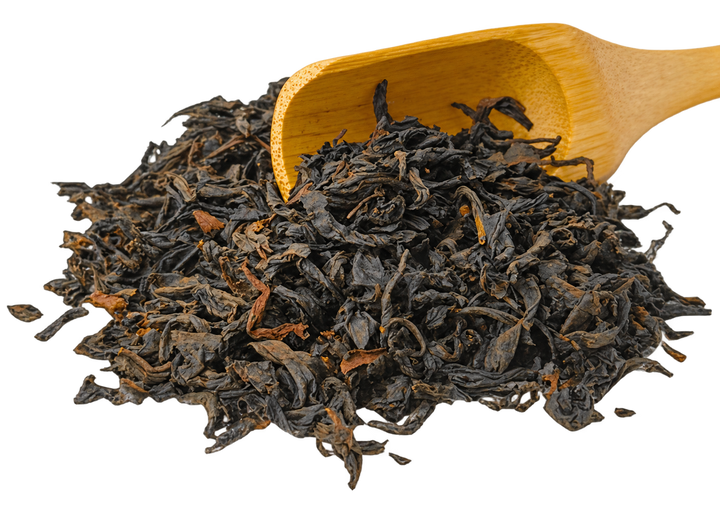
Does Decaf Tea Have Caffeine? Yes, Here's How Much

The short answer is yes. Decaf tea still contains caffeine, just not very much. If you have ever wondered whether that evening cup of decaf English Breakfast is truly safe for a decent night's sleep, you are asking the right question. Decaffeination removes most of the caffeine from tea leaves, but it cannot strip out every last molecule. According to the British Heart Foundation, a 200ml cup of decaf tea contains approximately 2mg of caffeine, compared with around 50mg in regular black tea. That is roughly 96% less, but it is not zero.
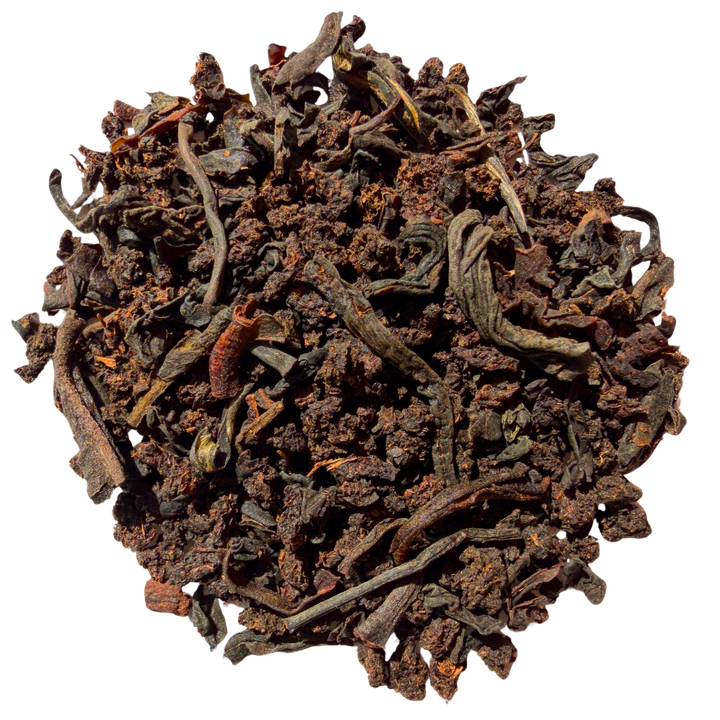
The tea in this guide: Decaf English Breakfast from £5.40 Shop it →
For most people, 2mg is so little it makes no practical difference. But if you are highly sensitive to caffeine, pregnant and counting milligrams, or simply want to understand what you are drinking, the distinction between 'decaf' and 'caffeine-free' matters more than labels often suggest.
At a glance
- Decaf tea contains around 2mg of caffeine per cup, roughly 96% less than regular tea
- Decaffeination removes most caffeine but cannot remove it all
- Herbal teas and rooibos are genuinely caffeine-free because they never contained caffeine
- Most adults can safely consume up to 400mg of caffeine daily
- If you need to avoid caffeine entirely, choose herbal infusions rather than decaf
How much caffeine is in decaf tea?
The amount varies slightly depending on the type of tea and the decaffeination method, but the numbers are consistent enough to be useful. Mayo Clinic data puts decaf black tea at around 2mg per 237ml cup. The British Heart Foundation gives the same figure for a 200ml serving. Either way, you are looking at a trace amount rather than a significant dose.
For context, a standard cup of regular black tea contains 40 to 60mg of caffeine. Green tea sits around 29 to 50mg. Coffee is higher still, typically 80 to 150mg depending on how it is brewed. Decaf versions of all these drinks follow the same principle: most of the caffeine is removed, but a small residue remains.
| Drink (per cup) | Caffeine |
|---|---|
| Regular black tea | 40–60mg |
| Decaf black tea | ~2mg |
| Regular green tea | 29–50mg |
| Regular coffee | 80–150mg |
| Decaf coffee | 2–12mg |
| Herbal tea | 0mg |
The practical upshot: if you drink three cups of decaf tea in an evening, you are consuming about 6mg of caffeine. Compare that to a single regular tea at 50mg. For most people, the difference is the difference between sleeping soundly and lying awake wondering why the ceiling looks so interesting at 2am.

Black Tea
A medium-bodied decaf black tea with soft floral notes. Decaffeinated, rather than completely caffeine-free.
Have a lookWhy is decaf not caffeine-free?
Caffeine is woven into the cellular structure of the tea leaf. Removing it entirely without destroying the flavour compounds that make tea taste like tea is chemically impossible with current methods. The goal of decaffeination is to get the caffeine level as low as practical while keeping the character of the leaf intact.

According to The Spruce Eats, most decaf teas retain approximately 1% to 2% of their original caffeine. That is the industry standard. Some methods are more thorough than others, but none achieve absolute zero. The distinction matters because 'caffeine-free' means something different: it describes a product that never contained caffeine in the first place, like peppermint, chamomile or rooibos.
The language trap
Labels can be misleading. 'Decaf' and 'caffeine-free' are not interchangeable terms, though they sometimes get used as if they were. Decaf starts with caffeine and has most of it removed. Caffeine-free never had any. If you are avoiding caffeine for medical reasons, always check which category a tea falls into.
How is tea decaffeinated?
There are several methods, each with trade-offs between caffeine removal, flavour retention and cost. The most common approaches are:
Carbon dioxide (CO2) processing: Pressurised CO2 acts as a solvent to draw caffeine out of the leaves. This method is considered gentle on flavour and is widely used for quality loose-leaf decaf teas.
Ethyl acetate: A naturally occurring compound found in tea leaves themselves. It bonds with caffeine and is then flushed away. Sometimes marketed as 'naturally decaffeinated', though the term is more about chemistry than philosophy.
Hot water processing: The leaves are soaked in hot water to dissolve caffeine, then the water is filtered and the flavour compounds returned to the leaves. Research cited by Everyday Health suggests this method can retain many of the tea's beneficial polyphenols, though extraction time and temperature affect the outcome.
No method is perfect. All of them remove some flavour along with the caffeine, which is why decaf teas often taste softer or less brisk than their fully caffeinated counterparts. Our Decaf English Breakfast has a medium body with malty and slightly floral notes, designed to hold up to milk without pretending to be identical to the regular version.
Who should choose decaf versus caffeine-free?
If you simply want to cut down on caffeine, decaf tea is a sensible choice. The 2mg per cup is unlikely to cause problems for most people, and you get to keep drinking something that tastes like tea.
If you need to avoid caffeine entirely, decaf is not quite right. The trace amounts can add up over multiple cups, and for people who are highly sensitive, even small doses may trigger symptoms like jitteriness or disrupted sleep. The British Heart Foundation notes that caffeine sensitivity varies considerably between individuals.
Pregnancy and caffeine
Current NHS guidance advises limiting caffeine to 200mg per day during pregnancy. A cup of decaf tea at 2mg is well within that limit, but it is not zero. If you are counting carefully or have been advised to eliminate caffeine altogether, speak to your midwife or GP. For more detail on navigating tea and caffeine during pregnancy, see our caffeine in pregnancy guide.
When caffeine-free is the better option
Herbal teas and rooibos contain no caffeine at all, provided they are not blended with actual tea leaves. They are made from plants other than Camellia sinensis, so caffeine was never part of the picture.
If you want something you can drink freely at any hour without thinking about it, these are your friends. Rooibos has a flavour closer to black tea than most herbal infusions, with a natural sweetness and no bitterness even if you forget about it and overbrew. Peppermint, chamomile, ginger and fruit tisanes all offer variety without the caffeine calculation.

Letterbox gift
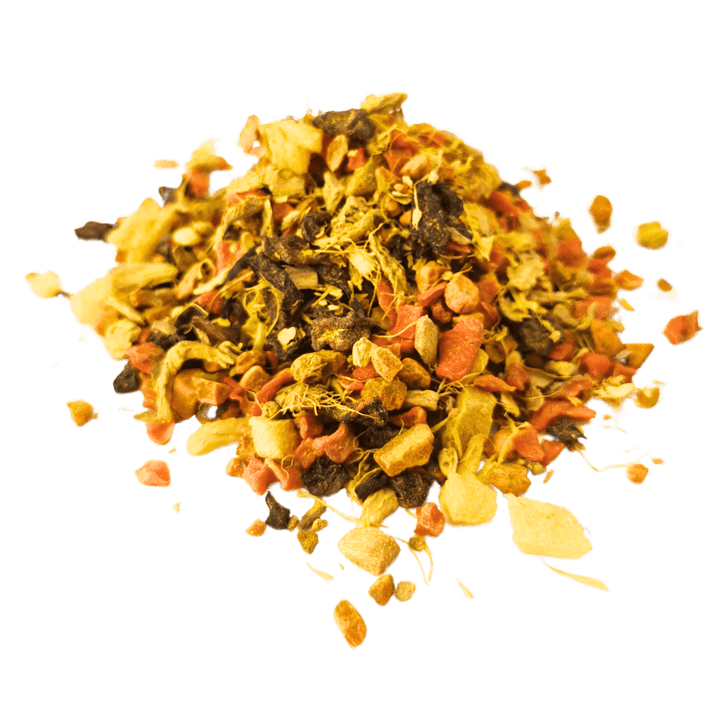
Five caffeine-free herbal teas for evenings, after dinner or all day: mint, chamomile, fruit and ginger.
Have a lookOur Caffeine-Free Tasting Box includes five herbal teas for evenings, after dinner or all day. If you want to explore what caffeine-free actually tastes like, it is a good place to start.
Common myths about decaf tea
Myth: decaf tea is completely caffeine-free
It is not. As we have covered, roughly 2mg remains per cup. The word 'decaffeinated' means caffeine has been removed, not that none exists.
Myth: decaf tea tastes weak or watery
Poorly made decaf can taste thin, but that is a quality issue rather than an inherent feature of decaffeination. Good decaf tea, brewed properly, has body and character. Use enough leaf, do not overbrew, and you will get a proper cup.
Myth: you can decaffeinate tea at home by rinsing it
The idea that a quick first steep washes away most of the caffeine is persistent and wrong. Caffeine dissolves gradually throughout the brewing process, not in one quick burst at the start. Rinsing your leaves for thirty seconds removes some caffeine, some flavour and some of your tea's potential. It does not produce anything close to commercially decaffeinated tea.
How to brew decaf tea properly
Decaf tea responds to the same principles as regular tea, with one adjustment: because the leaves have been through an additional process, they can be slightly more delicate. Here is how to get the best from a decaf black tea like our Decaf English Breakfast:
- Warm your mug or pot with a splash of hot water, then tip it out
- Add one teaspoon of loose leaf per cup to a roomy infuser
- Pour freshly boiled water over the leaves
- Steep for two minutes
- Remove the infuser and taste before adding anything
If the cup feels thin, use a slightly fuller spoon next time rather than steeping longer. Overbrewing decaf tea tends to produce dryness rather than depth. Milk works well if you brew a touch stronger to compensate.
Decaf tea versus decaf coffee
Both contain trace caffeine, but the amounts differ. Decaf coffee typically has 2 to 12mg per cup, while decaf tea sits around 2mg. If you are switching from coffee to tea to reduce caffeine, decaf tea gives you a lower starting point.
Interestingly, research cited by the British Heart Foundation found that drinking coffee, whether decaf or caffeinated, was associated with a 13% lower risk of early mortality in a 2021 study. A separate study linked morning coffee consumption with lower cardiovascular risk. The benefits appeared to come from antioxidants rather than caffeine itself, suggesting that decaf retains much of what makes the original drink worthwhile.
What to try next
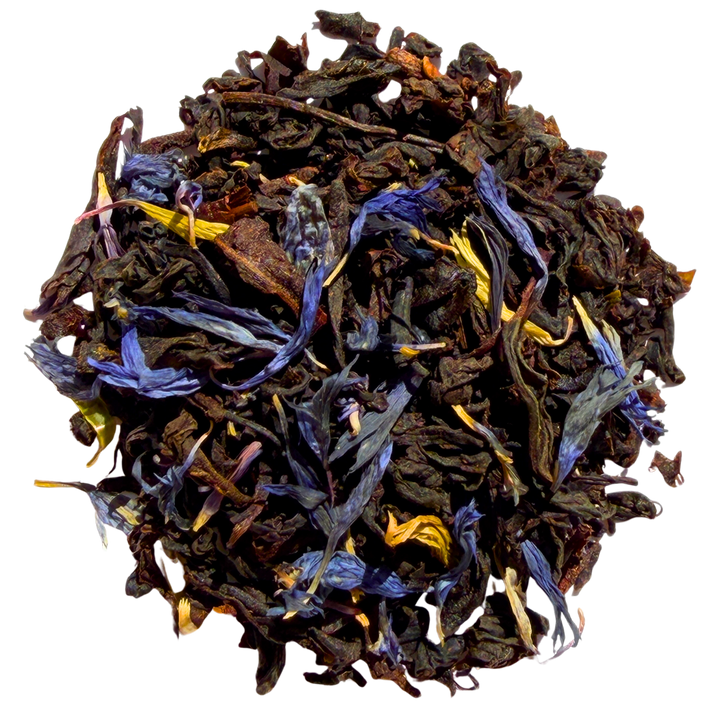
If you want the ritual of tea without the full caffeine hit, our Decaf Earl Grey offers bergamot and smooth black tea with most of the caffeine removed. It is still recognisably Earl Grey, just quieter in the evenings.
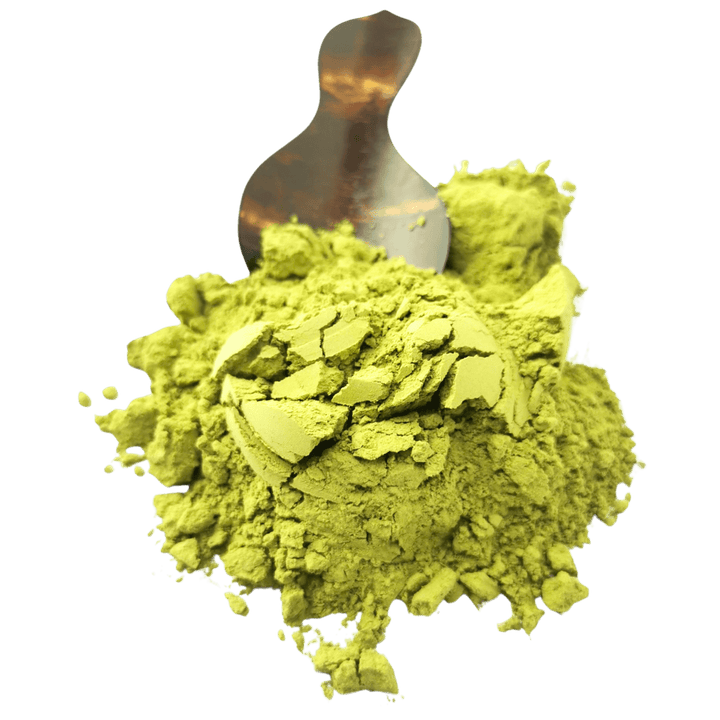
For green tea drinkers, Decaf Kyushu Sencha brings fresh vegetal notes with a little sweetness. Brew it gently with cooler water.
If you want to avoid caffeine entirely, Fruit Full is a bright fruit infusion you can brew hot or chill for a pitcher. Or work through the Caffeine-Free Tasting Box to find your favourite.
Not sure where to start? The Tea Finder asks a few quick questions and points you in the right direction.

Black Tea
Bergamot and smooth black tea, with most of the caffeine removed. Still recognisably Earl Grey.
Have a lookYou can order any of our decaf and caffeine-free teas online, with free UK delivery on orders over £35. Or call into the shop in Byram Arcade, Huddersfield, and we will put the kettle on.
Frequently asked questions
Does decaf tea have caffeine?
Yes. Decaf tea contains a small amount of caffeine, typically around 2mg per cup. Decaffeination removes approximately 96% of the original caffeine but cannot eliminate it completely. If you need to avoid caffeine entirely, choose herbal teas or rooibos, which are naturally caffeine-free.
How much caffeine in decaf tea compared to regular tea?
A cup of decaf black tea contains about 2mg of caffeine. A cup of regular black tea contains 40 to 60mg. That makes decaf roughly 96% lower in caffeine. The difference is significant enough that most people can drink decaf in the evening without sleep disruption.
Is decaf tea safe during pregnancy?
Decaf tea is very low in caffeine and fits comfortably within the NHS guideline of 200mg daily during pregnancy. However, it is not caffeine-free. If you have been advised to eliminate caffeine completely, speak to your midwife or GP about whether decaf or herbal alternatives suit your situation better.
Why does decaf tea still contain caffeine?
Caffeine is bound into the tea leaf's cellular structure. Current decaffeination methods can remove most of it, but not every molecule, without destroying the compounds that give tea its flavour. The residual 1% to 2% is a technical limitation rather than a labelling trick.
What is the difference between decaf and caffeine-free tea?
Decaf tea starts with caffeine and has most of it removed. Caffeine-free tea, such as herbal infusions and rooibos, never contained caffeine in the first place. The terms are not interchangeable. If you need zero caffeine, choose caffeine-free rather than decaf.
Sources: British Heart Foundation · Mayo Clinic · The Spruce Eats · Everyday Health