Cold Brew Tea: How to Make Smooth Iced Tea Overnight

You put tea leaves in cold water, leave the whole thing in the fridge overnight, and wake up to a pitcher of smooth, naturally sweet iced tea with none of the bitterness hot brewing sometimes brings. That is cold brew tea in one sentence. No kettle, no timing a steep, no bitter disappointment when you forget about it for an extra minute.
The tea in this guide: Green Tea Tasting Box from £15.95 Shop it →
Cold water extracts flavour slowly, pulling out sweetness and subtle notes while leaving most of the harsh tannins behind. The result tastes cleaner and rounder than traditional iced tea made by cooling down a hot brew. If your iced tea has ever tasted astringent or flat, cold brewing fixes that.
Here is everything you need: ratios, times, which teas work best, common mistakes, and a few recipes to try this weekend.
At a glance
- Basic ratio: 1 teaspoon loose leaf tea per 200ml cold water
- Steeping time: 6 to 12 hours in the fridge, depending on tea type
- Best teas: green, white, oolong, fruit infusions; black works but steep shorter
- Storage: strained cold brew keeps for up to 5 days refrigerated
- Caffeine: lower than hot-brewed tea, though exact amounts vary
- Sweetener: often unnecessary; cold brewing brings out natural sweetness
Why cold brew tea instead of making iced tea the usual way?
Traditional iced tea involves brewing hot, then cooling it down, usually by pouring over ice or leaving it in the fridge. That works, but heat extracts tannins quickly, and tannins are what make tea taste bitter or dry on the tongue. If you have ever brewed a strong black tea and let it sit too long, you know the feeling.
Cold water works differently. It extracts flavour slowly over several hours and produces a smoother cup because fewer tannins end up in the liquid. People often notice flavours in cold brew they had never picked up from the same tea brewed hot.
The trade-off is patience. You cannot make cold brew tea in five minutes. But if you start it before bed, you have iced tea ready for breakfast, no fuss.
How to cold brew tea: the basic method
You need a jar or pitcher, loose leaf tea or tea bags, and cold or room-temperature water. That is genuinely it.
- Add 1 teaspoon of loose leaf tea per 200ml of cold water. For a litre, use roughly 5 teaspoons.
- Pour cold water over the leaves. Filtered water gives the cleanest flavour, but tap water is fine if yours tastes decent.
- Cover the jar. This stops the tea absorbing any fridge smells.
- Refrigerate for 6 to 12 hours, depending on tea type (see the table below).
- Strain out the leaves through a fine-mesh sieve or lift out the infuser. Compost the leaves.
- Serve over ice, or drink straight from the fridge. It keeps for up to 5 days covered.
If you are using tea bags instead of loose leaf, use 1 tea bag per 200 to 350ml of water and steep for at least 2 hours, or overnight for a stronger brew. Loose leaf generally gives better results because the leaves have room to unfurl properly.

Cold brew steeping times by tea type
Different teas need different times. Green and white are more delicate and extract faster. Black tea can turn bitter if you leave it too long. Herbal blends with chunky fruit pieces often need the longest steep to release their flavour.
| Tea type | Steeping time | Notes |
|---|---|---|
| Green tea | 6 to 8 hours | Grassy, clean, subtle sweetness |
| White tea | 6 to 8 hours | Delicate and floral; don't over-steep |
| Oolong tea | 8 to 10 hours | Complex flavours develop well |
| Black tea | 8 to 12 hours | Check at 8 hours to avoid bitterness |
| Herbal and fruit infusions | 12 to 14 hours | Longer steep for fruit pieces |
| Rooibos | 8 to 12 hours | Naturally caffeine-free, smooth |
These times come from several sources including Cookie and Kate. The MICHELIN Guide suggests a quicker range of 4 to 8 hours, which works if you prefer a lighter brew. Experiment to find your own preference.

Letterbox gift
Five loose leaf green teas from Japan and China, from grassy Sencha to jasmine, Dragonwell and rolled gunpowder.
Have a lookBest teas for cold brewing
Almost any tea can be cold brewed, but some shine more than others.
Green and white teas
These are ideal. Their delicate, nuanced flavours come through clearly without the risk of bitterness. A cold-brewed sencha tastes grassy and refreshing, nothing like the sometimes vegetal cup you get when you accidentally over-steep it hot. White tea develops a gentle sweetness. The MICHELIN Guide describes unfermented green tea as ideal because its flavour is milder and cold brewing preserves its vitamin C, which can be destroyed by heat.
Oolong
Particularly lighter oolongs. The slow extraction brings out floral and creamy notes. If you have a rolled oolong, give it a bit longer since the leaves take time to unfurl in cold water. White tea and oolong, which have low fermentation levels, also work well for extracting scent and sweetness.
Black tea
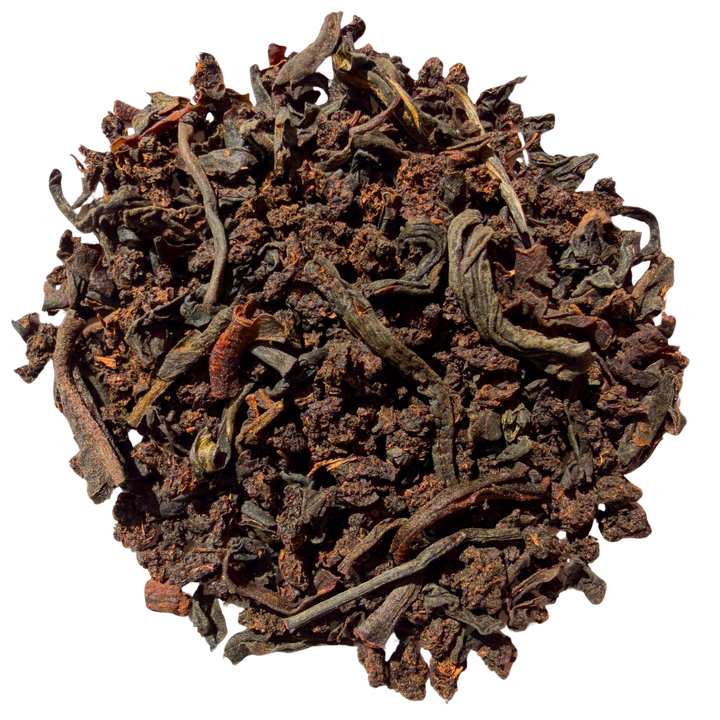
Works well, but watch the time. Black tea steeped too long can still develop some astringency. Check it at 8 hours and strain if it tastes strong enough. Add a splash of milk if you like; it rounds out any remaining tannins.
Fruit and herbal infusions
These make brilliant cold brew iced tea because you are not worrying about tannins at all. A fruit blend like Strawberry Rhubarb or Cranberry Apple Tart produces a ruby-red pitcher that tastes like summer. Just give them the full 12 to 14 hours for best results.
Rooibos
Caffeine-free and naturally sweet. Fruit Rooibos with its berry notes and rose petals works particularly well chilled. Cookie and Kate recommends 8 to 12 hours for rooibos.
What about pu-erh?
The MICHELIN Guide describes pu-erh as the least compatible with cold brewing in terms of taste. The earthy, fermented character does not translate as well to cold water. Stick with lighter teas if you want the best results.
Does cold brew tea have less caffeine?
Yes, though exact amounts are hard to pin down. Multiple sources state that cold brew tea contains less caffeine than hot-brewed tea because caffeine extracts more readily at higher temperatures. The MICHELIN Guide notes that cold brew tea contains less caffeine compared with cold brew coffee, with less impact on the stomach and sleep, though no specific milligram figures are provided.
Without lab testing, we cannot give you a precise number. If you are sensitive to caffeine, cold brew is likely gentler than a hot cup, but herbal infusions and rooibos remain the only truly caffeine-free options.

Letterbox gift
Five caffeine-free herbal teas for evenings, after dinner or all day: mint, chamomile, fruit and ginger.
Have a lookCommon cold brew mistakes and how to avoid them
Leaving it too long
More is not always better. Beyond 24 hours, the tea can change in properties and potentially develop bacteria. The MICHELIN Guide advises drinking cold brew tea as soon as you take it from the fridge and discarding anything brewed for more than 24 hours.
Using dusty old tea
Stale tea makes stale cold brew. Fresh loose leaf with good aroma translates to a livelier drink. If your tea smells like the cupboard, it is time for new tea.
Not covering the container
An uncovered jar absorbs whatever else is in your fridge. Last night's curry and jasmine green tea do not go together. The MICHELIN Guide specifically notes that covering the bottle prevents it from absorbing foreign flavours.
Forgetting to strain
Leaves left in the liquid keep steeping. Strain them out once the time is up, even if you are not drinking it immediately.
Expecting identical flavour to hot tea
Cold brewing emphasises different notes. That is the point. You might discover a smoky Lapsang Souchong has a hidden sweetness, or your favourite breakfast blend tastes milder chilled. Approach it as a new experience rather than a copy of your usual cup.
A note on herbal tea and food safety
Traditional tea leaves from Camellia sinensis undergo heat processing that kills bacteria. Herbal blends made from dried fruit and flowers often do not. The MICHELIN Guide notes that tea-leaf quality and cleanliness are important because the method's low water temperature makes it harder to kill bacteria. For a quick safety step with herbals: pour 1 to 2 cups of boiling water over the tea, steep for 5 minutes, then top up with cold water and ice before refrigerating. This gives you the food-safety benefit of heat while still producing a cold drink.
For fruit infusions from reputable suppliers with proper food handling, the risk is low, but if you are making cold brew for children or anyone with a compromised immune system, this extra step is worth doing.
Cold brew fruit tea: a refreshing option
Fruit infusions and cold water are natural partners. No caffeine to worry about, bright colour, and a sweetness that often means you do not need any added sugar.
Try Strawberry Kiwi for a juicy, tangy pitcher. Organic Hibiscus produces a deep ruby cold brew with a cranberry-like tartness that works brilliantly with a slice of orange. Raspberry Lemon Verbena gives you berry sweetness with a soft citrus lift.
Add fresh fruit to the pitcher if you like: sliced strawberries, cucumber, or a sprig of mint. Cookie and Kate suggests optional additions including sliced lemon, fresh mint leaves, sliced cucumber, simple syrup, or another sweetener. These infuse along with the tea and make the whole thing look rather impressive when guests arrive.

Letterbox gift
Five loose leaf fruit teas bursting with real fruit, from bramble and strawberry rhubarb to raspberry, spiced apple and hibiscus.
Have a lookMatcha cold brew: does it work?
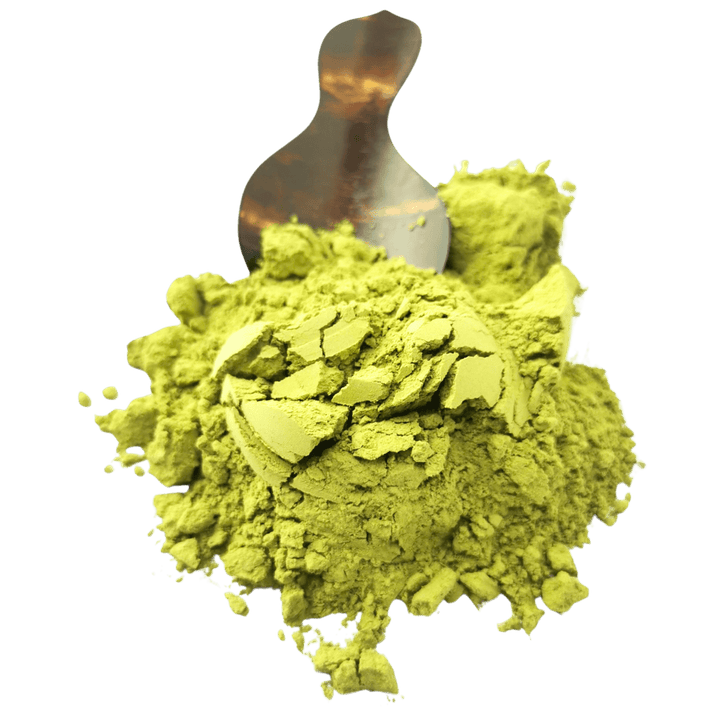
Matcha is a powder, not a leaf, so it does not cold brew in the traditional sense. You can whisk matcha into cold water or milk for an iced matcha, but that is a different technique. For a true cold brew experience, try a shade-grown Japanese green like gyokuro or a high-quality sencha. You will get some of that umami sweetness without needing to whisk anything.
What to try next
If you want to experiment with cold brewing, starting with a sampler makes sense. The Green Tea Tasting Box gives you five Japanese and Chinese greens to compare side by side, all of which cold brew beautifully. For caffeine-free options, the Fruit Tea Tasting Box includes five fruit blends perfect for pitchers.
Already know you love fruit teas? Fruit Full is a bright, generous blend that works hot or chilled. If you prefer something earthy and mellow, rooibos teas all cold brew well and stay caffeine-free.
Not sure where to start? The Tea Finder asks a few questions and points you toward teas that match your taste.
we pack orders by hand in Huddersfield, and UK delivery is free over £35. If you are nearby, the shop in Byram Arcade, Huddersfield is open for browsing, questions, and the occasional chat about tea over the counter.
Frequently asked questions
How long should I cold brew tea?
Most teas need 6 to 12 hours in the fridge. Green and white teas are ready in 6 to 8 hours, black and oolong take 8 to 12, and fruit or herbal infusions benefit from 12 to 14 hours. Taste at the shorter end and steep longer if you prefer it stronger.
Can I cold brew tea bags?
Yes. Use 1 tea bag per 200 to 350ml of cold water and refrigerate for at least 2 hours, or overnight for a fuller flavour. Loose leaf generally gives better results because the leaves have room to expand, but tea bags work in a pinch.
Is cold brew tea less caffeinated than hot tea?
Cold water extracts less caffeine than hot, so cold brew tea generally contains less caffeine than the same tea brewed hot. Exact amounts vary by tea type and steep time. If you need zero caffeine, choose herbal infusions or rooibos.
How do I make cold brew iced tea quickly?
True cold brewing takes hours. For a faster method, brew your tea hot at double strength, then strain and pour over a glass full of ice. The ice dilutes it to drinking strength and chills it immediately. It will not be quite as smooth as overnight cold brew, but it works.
Can I cold brew hibiscus tea?
Yes, and it makes a gorgeous ruby-red drink with a tart, cranberry-like flavour. Steep for 12 to 14 hours for the best colour and taste. Add a slice of orange or a spoonful of honey if you find it too sharp.
How long does cold brew tea last in the fridge?
Strained cold brew tea keeps for up to 5 days in a covered container in the fridge. After 24 hours of brewing with the leaves still in, discard it. Always strain out the leaves once steeping is complete.
Sources: Cookie and Kate · MICHELIN Guide