Matcha vs Coffee: Why More People Are Switching
I was chatting to one of our regulars recently. He pops in a couple of times a month to tell us which teas he’s loving and exactly how he likes to brew them.
Our conversation drifted from coffee to matcha green tea. He told me he used to drink up to five coffees a day when he worked a 9–5, but since moving to shift work, he’s swapped his caffeine fix to our Izu Matcha.
“I’d never go back,” he said. “No caffeine crashes, no jitters—just steady focus.”

I get it. Like a good bowl of porridge that keeps you full till the afternoon, a morning cup of matcha gets me to lunchtime with plenty of work done and without breaking a sweat.

Does Matcha Have More Caffeine Than Coffee?
It depends on how you measure it.
Coffee
A single espresso (about 19g ground coffee brewed to 38ml) averages 63mg of caffeine. Within 15 minutes, it’s in your bloodstream and you’re buzzing. Generally, coffee beans contain 10–12mg of caffeine per gram.
Matcha
A mug of matcha (1 tsp matcha powder to 200ml water) typically contains about half as much caffeine. But there’s a range:
1g of matcha powder delivers 19–45mg caffeine, depending on grade.
Ceremonial matcha (made from the youngest leaves) contains more caffeine than culinary matcha from older leaves.

For comparison, a can of Monster Energy packs around 150mg of caffeine—the equivalent of two espressos in one hit.

Why Drink Matcha Instead of Coffee?
If you’re considering making the switch, here are a few reasons people swear by it:
1. Packed with Antioxidants
Forget goji berries—matcha is one of the most antioxidant-rich foods you can find. Antioxidants help prevent oxidation in the body, supporting cellular health and fighting free radicals (1).
To put it into perspective:
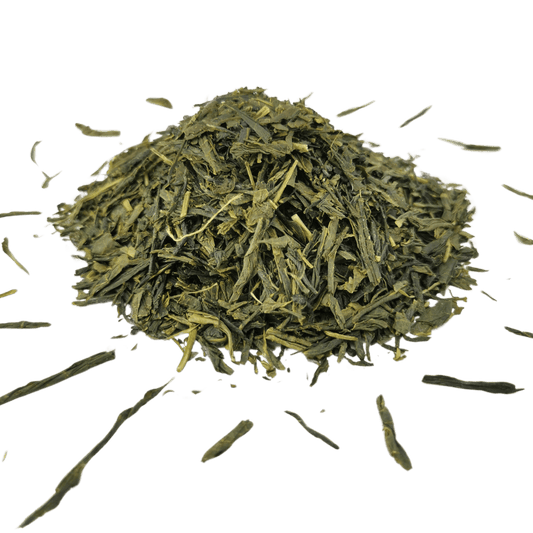
- You’d need 10 cups of sencha green tea to get the same antioxidant punch as one cup of matcha.
2. Jitter-Free Focus
Matcha contains both caffeine and L-theanine, an amino acid unique to the tea plant.
- Caffeine: Boosts alertness by blocking adenosine (the neurotransmitter that makes you feel tired).
- L-theanine: Slows caffeine absorption, smoothing out the spike into steady focus without the jitters.
In a recent tea tasting at the shop, we were discussing how brain scans show L-theanine reduces activity in areas linked to mind-wandering (2). Translation: more calm focus, less fidgety restlessness.
3. Antibacterial Benefits
Matcha is naturally antibacterial and can even help tackle bad breath. The polyphenols in green tea slow bacterial growth in the mouth and may help strengthen tooth enamel by remineralising it.
Ceremonial vs Culinary Matcha: What’s the Difference?
Culinary Matcha:
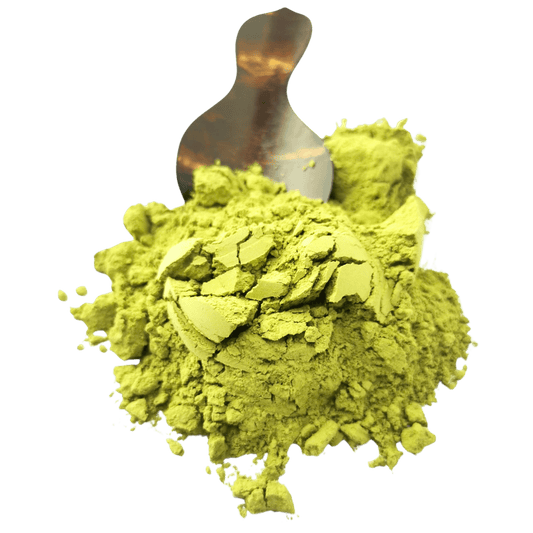
- Usually a duller green, sometimes yellowish.
- Made from the second harvest of older leaves.
- Often grainier in texture.
- Best suited to baking or smoothies.
Ceremonial Matcha:
- Vivid, bright green (thanks to younger, first-flush leaves).
- Silky smooth when rubbed between your fingers.
- Whisked into a creamy paste that tastes naturally sweet, with only a hint of bitterness.
If your matcha tastes harsh, double-check your powder-to-water ratio—less is often more.

Our Izu Ceremonial Matcha is a customer favourite: vibrant, mellow and beautifully balanced.
Thinking About Switching?

If you’re tired of coffee crashes and want something that supports calm focus, matcha is well worth a try. Whether you whisk up a frothy bowl in the morning or blend it into iced lattes, it’s a brilliant ritual to start the day.