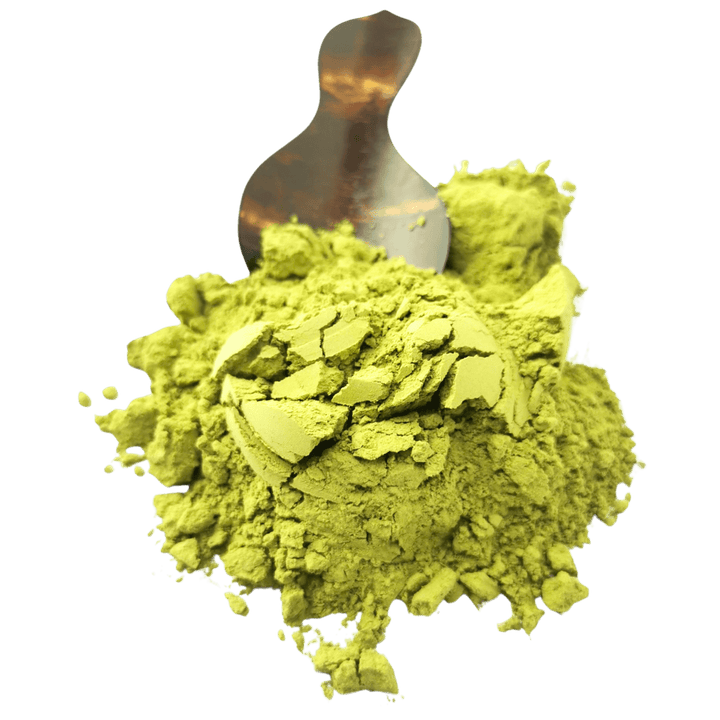
Dandelion Tea: Root vs Leaf, Taste and Brewing

Dandelion tea is made from a plant most people spray with weedkiller, which says something about how underestimated this particular brew is. Whether you steep the roasted root or the dried leaf, you get a caffeine-free herbal infusion with an earthy, bitter character that divides opinion. Some people love the botanical edge; others reach for the honey after one sip.
The tea in this guide: Organic Dandelion Leaf Tea from £3.90 Shop it
Dandelion leaf and root make very different drinks. This guide compares their flavour and how to brew each one. The US National Center for Complementary and Integrative Health says there is no compelling evidence for using dandelion for any health condition; flavour is a better reason to choose a cup.
At a glance
- Leaf tea is green, earthy and gently bitter; root tea is darker, toastier and sometimes used as a coffee substitute
- Naturally caffeine-free
- Steep leaf for 3 minutes, root for 10 to 15 minutes
- Porter Hill's tea uses dandelion leaf, not roasted root
- May interact with certain medications; check with a pharmacist if relevant
What is dandelion tea?
Dandelion tea is a herbal infusion made from the dandelion plant, botanically known as Taraxacum officinale. According to the Cleveland Clinic, the plant grows on every continent except Antarctica, so there is no shortage of raw material. The flower, root and leaves are all edible or consumable in tea form.
There are two main styles you will encounter:
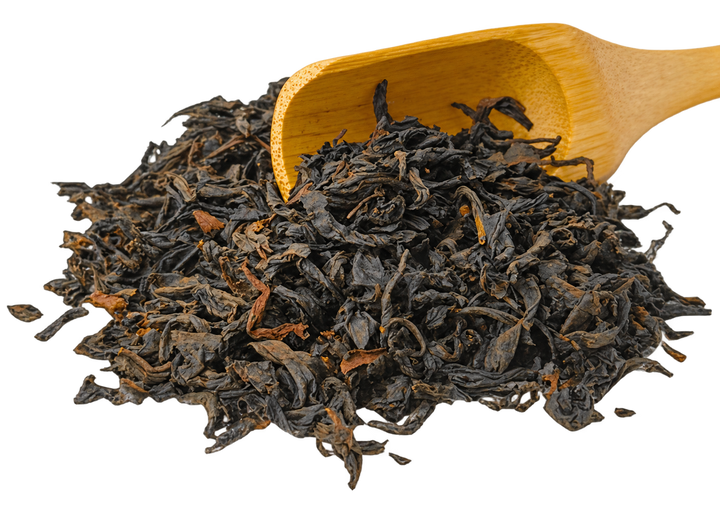
- Leaf tea – infused from dried dandelion leaves, producing a clear, greenish cup with a grassy, bitter taste similar to nettle or rocket.
- Root tea – made from roasted dandelion roots, yielding a darker, smokier brew sometimes compared to chicory or mild coffee.
They taste nothing alike, so check the packet before you buy. Some blends use both parts, or add flowers for good measure.

Herbal Tea
Pure dandelion leaves make an earthy, gently bitter herbal infusion. Nothing added.
Shop Dandelion Leaf Tea — 100gWhat does dandelion tea taste like?
This depends entirely on which bit of the plant ends up in your cup.
Dandelion leaf tea taste
The dried leaf makes a clear, greenish infusion that tastes earthy and gently bitter. Think nettle, kale or rocket rather than chamomile. The finish is dry and lingers. If you enjoy unsweetened herbal teas or the mineral, leafy character of spinach, you will probably get along with it. If you want something sweet, look elsewhere.
Dandelion root tea taste
Roasted dandelion root produces a darker cup with toasty, slightly smoky notes. According to GoodRx, ground roots produce a smokier-tasting tea, and reviewers often compare it to mild coffee. Some people drink it as a caffeine-free alternative to their morning espresso, though do not expect it to taste identical.

Dandelion leaf tea vs dandelion root tea
People often buy the wrong one by accident, then wonder why it tastes nothing like the article they read. Here is a quick comparison:
| Feature | Dandelion leaf tea | Dandelion root tea |
|---|---|---|
| Colour in cup | Clear, greenish-gold | Dark brown |
| Flavour | Grassy, earthy, gently bitter | Toasty, smoky, coffee-like |
| Typical steep time | 3 to 4 minutes | 10 to 15 minutes |
| Caffeine | None | None |
Porter Hill's Organic Dandelion Leaf Tea contains only the leaf. If you want the roasted root style, look for products that specify root on the label.
How to brew dandelion tea
The method differs slightly depending on which part of the plant you are using.
Brewing dandelion leaf tea
- Use one teaspoon of dried leaf per cup.
- Pour freshly boiled water over the leaves.
- Steep for 3 minutes, then remove the infuser or strain.
- Taste it plain first. If too bitter, shorten the next brew to 2 minutes or use slightly less leaf.
It works surprisingly well over ice. Brew hot, let it cool, pour over a glass of ice. The bitterness becomes crisp and clean when cold.
Brewing dandelion root tea
- Use one teaspoon of roasted root per cup, or one tea bag.
- Pour boiling water over the root.
- Cover and steep for 10 to 15 minutes. Root needs longer to release its flavour.
- Strain and drink. A little honey takes the edge off if the bitterness is too much.
Some people steep root tea bags for only 8 minutes to keep the bitterness manageable, so adjust to your own taste.
Why we focus on flavour
Claims about dandelion tea's effects on health often go further than the evidence. The NCCIH says very little research has been done in people and there is no compelling evidence supporting its use for any health condition. Our dandelion leaf tea is here for its earthy, gently bitter taste.
Before you choose dandelion tea
According to the NCCIH, amounts of dandelion commonly found in food are considered likely safe, but less is known about larger amounts. If you take medicines or supplements, ask a healthcare professional before using herbal products. Safety during pregnancy or breastfeeding at amounts greater than those found in food is unclear.
A plant with history
The dandelion has been used as food and herb for centuries. Its name comes from the French dent de lion, meaning lion's tooth, a reference to the jagged shape of its leaves. Different parts of the plant have appeared in food and folk traditions across cultures.
That history helps explain why the plant still appears in herbal infusions. Humans have been brewing weeds for a very long time.
Common mistakes with dandelion tea
Expecting it to taste like normal tea
Dandelion tea is not Camellia sinensis. It will not taste like your usual breakfast brew, and adding milk usually flattens the flavour rather than improving it. Best drunk plain or with a little honey.
Confusing root and leaf
They are different drinks. If you want the coffee-like version, buy root. If you want the lighter, grassy version, buy leaf. Check the label.
Over-steeping leaf tea
Leaf tea brewed for too long becomes unpleasantly bitter. Three minutes is plenty. Root, on the other hand, needs a good 10 to 15 minutes to release its flavour properly.
Choosing it for flavour
Porter Hill sells dandelion leaf tea for its earthy, gently bitter cup. Pick it because you enjoy that flavour, and check the pack if you wanted roasted root instead.
What to try next
If you enjoy the earthy, leafy character of dandelion, Organic Nettle Tea has a similar green, grassy flavour with less bitterness. It makes a good comparison if you are exploring herbal infusions.
For something that keeps the dandelion edge but rounds it out, Dandelion & Rooibos blends dandelion with rooibos, herbs and spice for a gentler, slightly sweeter finish.
If you would rather something completely different, Organic Chamomile Tea offers soft floral notes without any bitterness at all. Or try the Caffeine-Free Tasting Box to compare five styles side by side, from mint and chamomile to fruit and ginger.
Not sure where to start? The Tea Finder will point you in the right direction.

Herbal Tea
Nettle leaves make a green, earthy infusion with a grassy flavour. Simple leaves, simply brewed.
Have a lookOrder dandelion leaf tea loose online with free UK delivery on orders over £35. Or call into the shop in Byram Arcade, Huddersfield, and we will talk you through it.
Frequently asked questions
Why choose dandelion tea?
Choose dandelion leaf for an earthy, gently bitter and caffeine-free cup. The root makes a darker, toastier drink. Neither needs a health promise to be worth trying.
What does dandelion tea taste like?
Leaf tea tastes green, earthy and gently bitter, similar to nettle or rocket. Root tea is darker and toastier, sometimes compared to mild coffee or chicory. Neither tastes sweet, and they do not taste like each other. Check which part of the plant you are buying.
Does dandelion tea have caffeine?
No. Dandelion tea is naturally caffeine-free because it does not come from the tea plant Camellia sinensis. This applies to both leaf and root versions. It tastes quite different from decaffeinated black tea.
How often can I brew dandelion tea?
We do not suggest a daily dose. If you plan to drink it regularly and take medicines or supplements, or if you are pregnant or breastfeeding, ask a healthcare professional about suitability first.
What is the difference between dandelion leaf and root tea?
Leaf tea is lighter, greener and gently bitter. Root tea is darker, toastier and sometimes used as a coffee substitute. They are made from different parts of the plant and have different flavours and traditional associations. Most products specify which you are getting on the label.
Can I make iced dandelion tea?
Yes. Brew the leaf tea hot, remove the leaves after three minutes, then cool and pour over ice. A little honey softens the bitter edge if you prefer a sweeter cup.
Sources: NCCIH · Cleveland Clinic · Healthline · GoodRx