Matcha Latte Recipe: How to Make One at Home in Five Minutes

A matcha latte is nothing more than whisked green tea powder, a splash of hot water and warm frothed milk. It takes about five minutes, costs a fraction of the coffee-shop price, and you can make it in your pyjamas before anyone else is awake. The secret is sifting, water temperature and a quick whisking motion. Get those right and you will wonder why you ever queued for one.
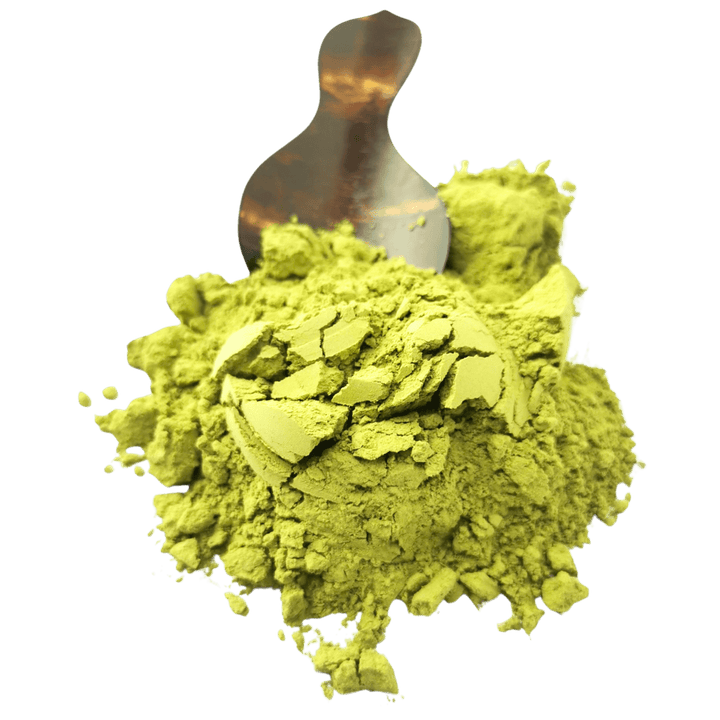
The tea in this guide: Izu Matcha from £4.80 Shop it →
Matcha is finely ground shade-grown green tea leaves, traditionally from Japan. Unlike a regular cup of green tea, you drink the whole leaf, which gives the latte its vivid colour and grassy, slightly sweet taste. It pairs beautifully with warm milk, a little sweetener if you like, and whatever Tuesday morning mood you bring to it.
At a glance
- Use 1 to 1½ teaspoons of matcha powder per cup
- Sift the powder first to avoid lumps
- Whisk with 2 tablespoons of hot water at around 80°C, not boiling
- Add ¾ cup of warmed, frothed milk (any kind works)
- Sweeten to taste or leave it plain
- Total time: about 5 minutes
Matcha latte recipe
This method works for a hot latte with any milk. You can scale up the matcha if you like it stronger or dial it back if you prefer a gentler cup.
Ingredients (makes 1 cup)
- 1 to 1½ teaspoons matcha powder
- 2 tablespoons hot water, around 80°C
- ¾ cup (about 180ml) milk of your choice
- ½ to 1 teaspoon sweetener, optional (honey, maple syrup, sugar)
Equipment
- Fine-mesh sieve or tea strainer
- A wide mug or small bowl
- A bamboo matcha whisk (chasen), small flat whisk or milk frother
Method
- Sift the matcha through a fine-mesh sieve into your mug or bowl. This takes ten seconds and prevents green clumps floating in your latte.
- Boil your kettle, then let the water sit for a minute or two until it drops to roughly 80°C. If you have a thermometer, even better. Food Network advises no more than 180°F (about 82°C).
- Pour 2 tablespoons of this hot water over the matcha.
- Whisk briskly in a W or M shape, not a circular stir, for about 20 to 30 seconds until the powder is fully dissolved and a light froth forms. Love and Lemons recommends an up-and-down or side-to-side motion rather than circular.
- Warm your milk gently on the hob or in a microwave until steamy but not boiling, around 65°C.
- Froth the milk if you have a frother (about 10 to 15 seconds); unfrothed warm milk works too.
- Pour the frothed milk into your matcha, stir gently, and add sweetener if you like.
- Drink while it is warm. Matcha settles, so give it a stir if you leave it sitting.

Matcha
Finely powdered green tea for whisking, iced drinks or a matcha latte. Sift first to keep things smooth.
Have a lookWhy water temperature matters
Boiling water makes matcha taste bitter. The sweet, umami notes you get in a coffee-shop latte come from keeping the water cooler. Just One Cookbook advises 80°C (176°F), which is roughly what you get if you let freshly boiled water stand for one to two minutes. A kitchen thermometer helps if you have one; otherwise, waiting a short while after the kettle clicks off gets you close enough.

How to make an iced matcha latte
For an iced version, you make a concentrated matcha paste, chill it, then pour it over milk and ice. The layered look you see in cafés comes from pouring slowly.
Iced matcha latte method
- Sift 1½ to 2 teaspoons of matcha into a bowl or jug.
- Add 1 to 2 tablespoons of hot (not boiling) water and whisk until smooth and paste-like.
- Add about 1 cup (240ml) of room-temperature or cool water and stir.
- Chill in the fridge or freezer for 10 to 15 minutes. A Cozy Kitchen suggests this step keeps the matcha flavour balanced once you add ice.
- Fill a tall glass with ice, pour in milk until about three-quarters full.
- Pour the chilled matcha over the top. Add simple syrup if you like it sweeter.
- Stir before drinking or enjoy the layers while they last.
Starbucks matcha latte recipe at home
The Starbucks version is sweeter and uses a pre-mixed matcha powder that contains sugar. To recreate it at home, add a teaspoon of vanilla syrup or simple syrup to your whisked matcha before pouring in the milk. Oat milk gives you the creamiest texture. If you want the green colour to pop, add less milk and more ice.
For the iced version, follow the iced method above but stir in a teaspoon of vanilla syrup with the matcha paste. Pour slowly over ice and cold oat milk for the layered café look.
Which milk works best?
Whole cow's milk froths most easily and gives the creamiest result. Oat milk is the favourite dairy-free option because it steams well and has a natural sweetness. Almond and soy both work but froth less reliably. Coconut milk adds richness and a subtle tropical note.
| Milk | Froth | Flavour notes |
|---|---|---|
| Whole cow's milk | Excellent | Creamy, neutral |
| Oat milk | Good | Slightly sweet, smooth |
| Almond milk | Fair | Light, nutty |
| Soy milk | Fair | Neutral, can curdle if too hot |
| Coconut milk | Fair | Rich, tropical |
Common mistakes and how to fix them
Bitter taste
Usually means the water was too hot. Let the kettle rest for a minute before pouring. You can also reduce the amount of matcha slightly next time.
Lumpy texture
Sift before whisking. Matcha is a fine powder and clumps easily. A ten-second sift through a tea strainer solves it.
Weak matcha flavour
Try ceremonial-grade matcha rather than culinary, and make sure you are using enough powder. One level teaspoon is a minimum; 1½ teaspoons gives a bolder cup.
Settling at the bottom
Matcha is ground tea leaf, not an instant powder, so it does not dissolve completely. A quick stir before each sip keeps the flavour even.

Ceremonial grade vs culinary matcha
Ceremonial-grade matcha has a brighter green colour, smoother texture and sweeter, more complex flavour. It is intended for drinking straight or in lattes. Culinary grade is slightly more bitter and usually reserved for baking or smoothies where other flavours mask the tea. For a matcha latte you drink on its own, ceremonial or a good mid-range matcha is worth it. Food Network suggests mid-range matcha typically priced at around £35 to £45 for a good balance of quality and cost. For more detail, see our guide to ceremonial vs culinary matcha.
A bit of history
Matcha has roots in both Chinese and Japanese tea culture. Powdered tea was first used in China during the Song dynasty, then brought to Japan by Zen Buddhist monks in the twelfth century. The Japanese refined the cultivation, shading the plants before harvest to boost chlorophyll and amino acids, and developed the ceremonial preparation that still exists today. The matcha latte itself is a more recent invention, popularised in Western cafés over the past two decades, but it builds on centuries of whisking technique.
What to try next
If you are ready to make matcha lattes at home, start with Izu Matcha, a finely powdered green tea that whisks smoothly for hot or iced drinks. A bamboo matcha whisk makes a real difference to the froth, and if you want the full set-up, the Yoko Traditional Matcha Set includes a bowl, whisk and scoop together.
Curious about other tea lattes? Try our chai latte recipe for something spiced, or the hojicha latte recipe for a roasted, lower-caffeine alternative. If you are not sure where to start, the Tea Finder can point you in the right direction.

Teaware
A matcha bowl, bamboo whisk and scoop together in one set. Bring the matcha; the tools are here.
Have a lookOrder loose leaf tea and matcha online with free UK delivery on orders over £35, or call into the shop in Byram Arcade, Huddersfield, if you are passing through West Yorkshire.
Frequently asked questions
How do you make a matcha latte at home?
Sift 1 to 1½ teaspoons of matcha into a mug, add 2 tablespoons of hot water at around 80°C, and whisk briskly in a W motion until smooth. Pour in warmed, frothed milk and sweeten if you like. The whole process takes about five minutes.
What is the best milk for a matcha latte?
Whole cow's milk froths best and gives a creamy result. Oat milk is the most popular dairy-free option because it steams well and tastes naturally sweet. Almond, soy and coconut all work but froth less reliably.
How do you make an iced matcha latte?
Whisk matcha with a little hot water to form a paste, then add cool water and chill for 10 to 15 minutes. Fill a glass with ice, add milk until three-quarters full, and pour the matcha over the top. Stir before drinking.
Why does my matcha latte taste bitter?
The water was probably too hot. Boiling water brings out bitterness in matcha. Let the kettle rest for a minute or two, aiming for around 80°C. Using less matcha powder or adding a little sweetener can also help.
What is the difference between ceremonial and culinary matcha?
Ceremonial-grade matcha is brighter, smoother and sweeter, made for drinking. Culinary grade is more bitter and intended for baking or smoothies. For lattes, ceremonial or a good mid-range matcha gives the best flavour.
Can you make a Starbucks matcha latte at home?
Yes. Starbucks uses a sweetened matcha blend, so add a teaspoon of vanilla or simple syrup to your whisked matcha. Use oat milk for creaminess and pour slowly over ice for that layered look.
Sources: Love and Lemons · A Cozy Kitchen · Food Network · Just One Cookbook