Hojicha Latte Recipe: How to Make It at Home

A hojicha latte tastes like someone wrapped autumn in a mug: warm toast, a hint of caramel, maybe a whisper of cocoa, all softened by frothy milk. It is one of the easiest tea lattes to make at home, and unlike matcha it forgives you for being half-awake when you make it. The roasted tea dissolves without fuss, there is no bitter edge if the water is slightly too hot, and the whole thing takes about five minutes from kettle to first sip.
The tea in this guide: Hojicha from £5.70 Shop it →
Here is a straightforward recipe, plus tips on milk, sweeteners, and how to adjust it to your taste.
At a glance
- Uses 1 to 1½ teaspoons hojicha powder, hot water and about 180 ml milk
- Water temperature around 80°C (175°F) or a little below
- Total time roughly five minutes
- Works well with oat milk, dairy or most alternatives
- Sweetener optional: maple syrup, brown sugar or honey
What is a hojicha latte?
A hojicha latte is roasted Japanese green tea combined with steamed or frothed milk. Hojicha itself originated in Kyoto and is made by roasting green tea leaves. The heat transforms the flavour from grassy and vegetal to nutty, toasty and gently sweet, with notes some people compare to coffee or cocoa.
You can brew hojicha from loose leaves and add warm milk, but most latte recipes use hojicha powder. Like matcha powder, it is made from finely ground tea, which means you consume the whole leaf and get a richer, more intense cup. Unlike matcha, hojicha powder dissolves quickly even in cooler water and rarely clumps.
Hojicha latte recipe
This makes one generous mug. Scale up the ingredients if you are making two.
Ingredients
- 1 to 1½ teaspoons hojicha powder (roughly 4 to 6 g)
- 60 ml hot water, around 80°C
- 180 ml milk (dairy or oat milk works especially well)
- 1 teaspoon sweetener, optional (maple syrup, honey or brown sugar)
Equipment
- A small bowl, mug or jug for whisking
- A bamboo whisk (chasen), small regular whisk, fork or handheld milk frother
- A way to heat and froth milk: stovetop, microwave or an electric frother

Green Tea
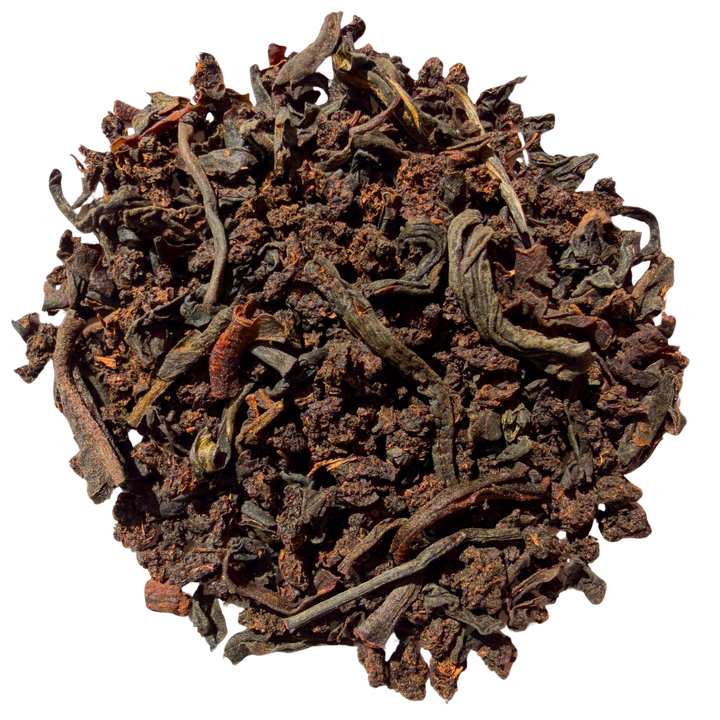
Roasting gives this Japanese green tea its warm, nutty flavour and toasty aroma.
Have a lookStep by step
- Boil the kettle and let it cool for a minute or two until the water is around 80°C. If you don't have a thermometer, waiting 60 to 90 seconds after boiling usually does the trick.
- Put 1 to 1½ teaspoons of hojicha powder into a bowl or mug. Add a splash of the hot water (about 20 ml) and whisk briskly until smooth. Then add the rest of the water and whisk again. Whisk in a W pattern rather than circular strokes for a smoother result.
- If you want sweetener, stir it in now while the tea is hot.
- Heat your milk to around 60 to 65°C. In a microwave, that is roughly 30 to 45 seconds depending on power. Don't let it boil.
- Froth the milk until it roughly doubles in volume. A handheld frother takes 10 to 15 seconds; a jug and whisk a little longer.
- Pour the frothed milk into the hojicha. Spoon any remaining foam on top.
- Drink while warm.

How to make an iced hojicha latte
On a hot day, the cold version is just as good. Make the tea slightly stronger to account for dilution from ice, and use cold milk straight from the fridge instead of heating it.
- Whisk 1½ teaspoons hojicha powder with 40 to 50 ml of hot water until smooth.
- Add sweetener if using (liquid sweeteners like maple syrup dissolve more easily in cold drinks).
- Fill a tall glass with ice.
- Pour in cold milk, leaving room at the top.
- Pour the hojicha over the milk. It will sink and swirl; give it a stir before drinking.
Some cafés pour the tea slowly over the back of a spoon to create layers. It looks lovely, though everything ends up mixed after the first sip anyway.
Which milk works best for a hojicha latte?
Oat milk is the favourite here. It froths well, has a creamy texture and its natural sweetness pairs with the roasted tea without overpowering it. The mild, neutral flavour of oat milk complements hojicha nicely and may make additional sweetener unnecessary.
Dairy milk works too: whole milk gives a richer, thicker foam, while semi-skimmed is lighter. Almond milk can be used but tends to produce thinner foam. Soy froths decently with a bit of practice. Skim milk struggles to hold foam at all, so if you want froth, go for something with a bit of fat.
| Milk | Froths well | Flavour notes |
|---|---|---|
| Whole dairy | Yes | Rich, creamy |
| Oat | Yes | Naturally sweet, creamy |
| Semi-skimmed | Reasonably | Lighter body |
| Almond | Less well | Thin, slightly nutty |
| Skim | Poorly | Light, little foam |
Water temperature matters
Hojicha powder is more forgiving than matcha, but water that is too hot can still make the drink taste slightly bitter. Aim for around 80°C or just below. Boiling water (100°C) can scorch the delicate tea and bring out off flavours.
If you forget and use boiling water, the latte will still be drinkable, just a touch harsher. For the smoothest cup, a minute's patience after the kettle clicks off makes a real difference.
Sweetener or no sweetener?
Hojicha has natural caramel-like sweetness, so many people skip the sugar altogether. If you do want a little extra, maple syrup is a popular choice because it complements the roasted, earthy notes. Brown sugar and honey also work well. Start with a teaspoon, taste, and add more if needed.
For iced lattes, liquid sweeteners dissolve far more easily than granulated sugar. Powdered brown sugar is an exception and will stir in with a bit of effort.
Common mistakes when making a hojicha latte
A few things that can trip you up:
- Skipping the paste step. Dumping the powder straight into hot milk often leaves lumps. Whisking the powder with a small amount of water first makes everything smoother.
- Using cold water. Hojicha powder dissolves more easily in warm water. Cold water is fine once the paste is made, but getting started with cold water can be frustrating.
- Boiling the milk. Overheated milk tastes scalded and won't froth properly. Aim for 60 to 65°C: warm to the touch, not bubbling.
- Using too little powder. A weak hojicha latte just tastes like warm milk. If in doubt, add a bit more powder rather than less.
A short history of hojicha
Hojicha was invented in Kyoto, originally roasted over charcoal fires. One story says merchants began roasting older leaves and stems as a way to use up stock that might otherwise go unsold. The roasting removed the grassiness and created something new: a tea with a warm, comforting flavour that appealed to people who found traditional green tea too sharp.
It caught on quickly and became an everyday drink in Japan, served morning and night, often to children because of its mild taste and low astringency. Today most hojicha is roasted in ovens rather than over charcoal, but the flavour profile remains the same: nutty, toasty, with a reddish-brown colour in the cup.

Matcha
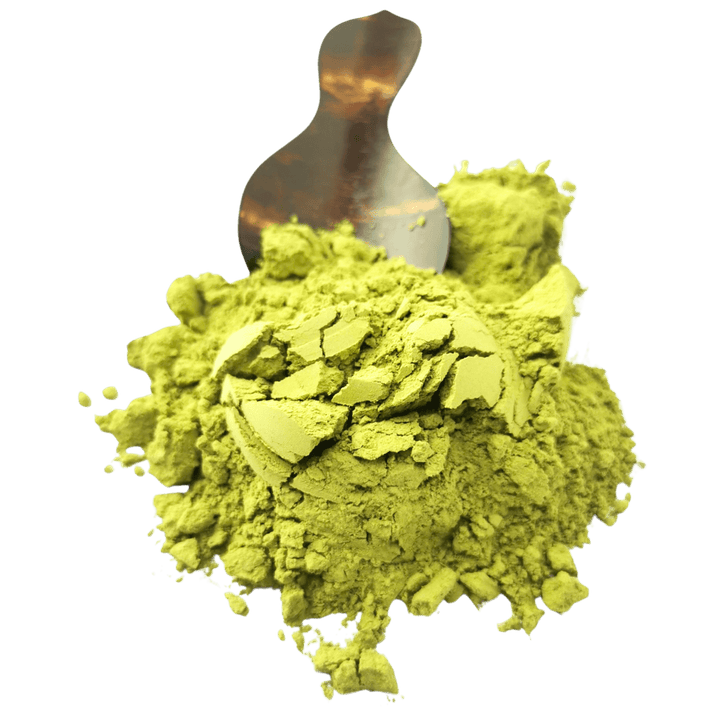
Finely powdered green tea for whisking, iced drinks or a matcha latte. Sift first to keep things smooth.
Have a lookHojicha latte versus matcha latte
Both are Japanese green tea lattes, but they taste and behave quite differently.
| Factor | Hojicha latte | Matcha latte |
|---|---|---|
| Flavour | Toasty, nutty, caramel | Grassy, vegetal, umami |
| Colour | Reddish-brown | Bright green |
| Caffeine | Lower | Higher (roughly 30 to 70 mg) |
| Needs sifting | Rarely | Usually |
| Clumping risk | Low | Moderate |
If you find matcha too grassy or intense, hojicha is often an easier place to start. If you want the caffeine kick, matcha has more. Both make excellent lattes; they just suit different moods.
For a detailed matcha latte method, see our matcha latte recipe.
Does hojicha contain caffeine?
Yes, hojicha is still green tea and contains caffeine, though roasting significantly reduces caffeine levels compared to other green teas. It contains much less caffeine than matcha or coffee. If you are sensitive to caffeine or want a bedtime drink, hojicha is a gentler option than matcha or coffee, but it is not caffeine-free. For a completely caffeine-free latte, try our rooibos latte recipe instead.
What to try next
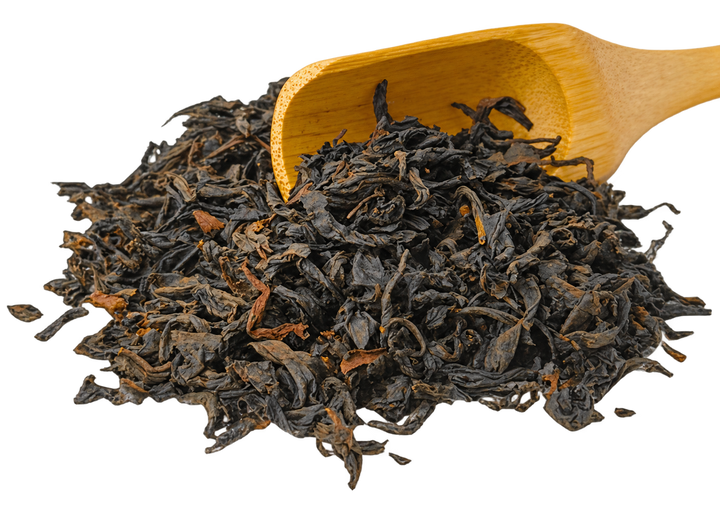
Our Hojicha is the loose leaf tea behind the latte: warm, nutty and toasty, ready to brew or grind into powder at home. It is one of the easiest ways into Japanese tea if you find sencha too grassy.
If you enjoy the roasted character, Roasted Yerba-Maté has similar toasty depth with a coffee-like edge. It also contains caffeine.
For matcha lattes, our Izu Matcha is finely powdered and ready for whisking. Sift it first to keep things smooth.
The Japanese Green Tea Adventure Box lets you compare hojicha alongside sencha, genmaicha and other Japanese greens. Handy if you want to explore without committing to full bags.
Not sure where to start? The Tea Finder will point you in the right direction based on what you like to drink.

Letterbox gift
Japanese Green Tea Adventure Box
A selection of Japanese loose leaf teas, ready to compare cup by cup or send as a gift.
Have a lookWe pack loose leaf tea to order in Huddersfield. Delivery is free on orders over £35. Or call into the shop in Byram Arcade if you want to smell the hojicha before you buy it.
Frequently asked questions
Can I make a hojicha latte with loose leaf tea?
You can. Brew a strong cup of hojicha using double the usual amount of leaf (about 6 g per 150 ml), strain it, then add warm frothed milk. The result is a little lighter than a powder latte but still tasty. Powder gives a richer, more intense flavour because you consume the whole leaf.
What is the best hojicha powder for lattes?
Look for pure hojicha powder made in Japan with no additives. Good-quality powder should smell roasted and have a satisfying tea fragrance. Brands from Kyoto, Shizuoka and Kagoshima are often recommended. Avoid anything with added sugar or milk powder unless you specifically want a pre-mixed drink.
Is hojicha latte better than coffee?
That depends entirely on what you like. Hojicha lattes have a toasty, caramel flavour with much less caffeine than coffee. If you enjoy coffee's warmth and ritual but want something gentler, hojicha is worth a try. If you need a serious caffeine hit to face Monday, coffee probably wins.
How do I make a dirty hojicha latte?
Add a shot or two of espresso to your finished hojicha latte. The coffee cuts through the milk and adds an extra layer of roasted flavour. It is a good bridge drink for coffee lovers exploring tea. Use freshly pulled espresso and pour it over the top for a layered effect.
Can I make hojicha powder at home?
Yes, but it takes effort. Grind about 30 g of hojicha leaves in a blender for a few minutes, then finish small batches with a mortar and pestle until superfine. Store it airtight in a cool, dark place and use within a month for the best flavour. Ready-made powder is easier if you make lattes often.
Sources: Just One Cookbook