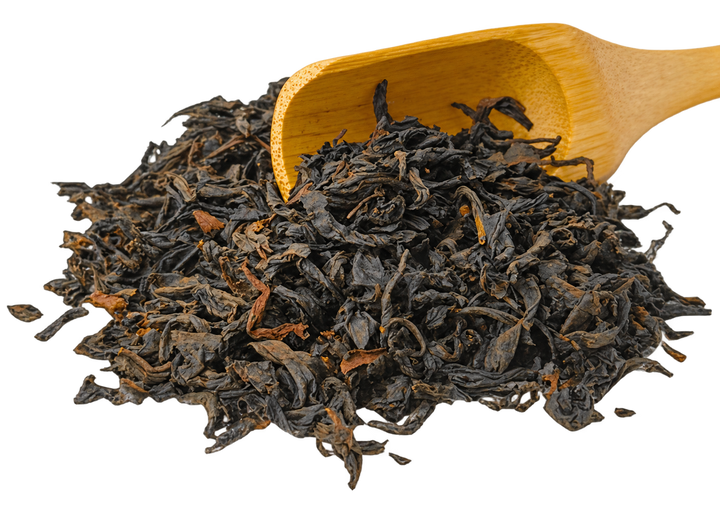
Earl Grey Tea: A Complete Guide to Bergamot, Brewing and History

Earl Grey is black tea scented with bergamot, a citrus fruit that smells like someone crossed an orange with a lemon and added a splash of cologne. That bright, floral-citrus note on top of a brisk black tea base is what makes Earl Grey taste like Earl Grey. It has been a British afternoon staple since the 1830s, and it remains one of the most recognisable tea blends in the world.
The tea in this guide: Classic Earl Grey from £3.85 Shop it
The short version: use one teaspoon of loose leaf per cup, pour on freshly boiled water, steep for two to three minutes, and taste it before you add anything. Milk is optional. Lemon works. Both at once does not.
Now for the longer version, including why it is named after a Prime Minister who never went to China, what bergamot actually is, and how to make your cup taste as good as it smells.
At a glance
- Earl Grey is black tea flavoured with oil of bergamot, a citrus fruit grown mostly in Calabria, Italy
- Brew with freshly boiled water, one teaspoon per cup, for two to three minutes
- Caffeine is moderate, around the same as any black tea
- Milk is optional; lemon is fine; both together will curdle
- The name probably comes from Charles Grey, 2nd Earl Grey, Prime Minister 1830 to 1834
- Variations include Lady Grey, Cream Earl Grey, and decaffeinated versions
What is Earl Grey tea?
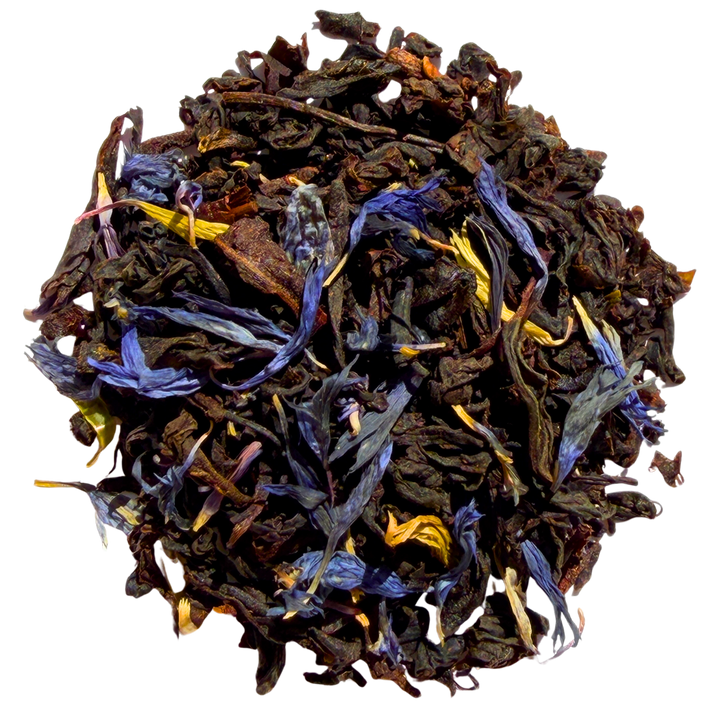
Earl Grey is a flavoured black tea. The base is usually a blend of Chinese, Indian or Sri Lankan black teas, and the distinctive taste comes from bergamot oil, which is either sprayed onto the leaves or allowed to infuse them. Some blends also include dried bergamot peel, cornflower petals, or citrus pieces for visual appeal.
The bergamot flavour can be subtle or quite pronounced, depending on the blend. Traditional Earl Grey uses Chinese keemun tea and was intended to be served without milk, though most British versions now use stronger tea that takes milk well.
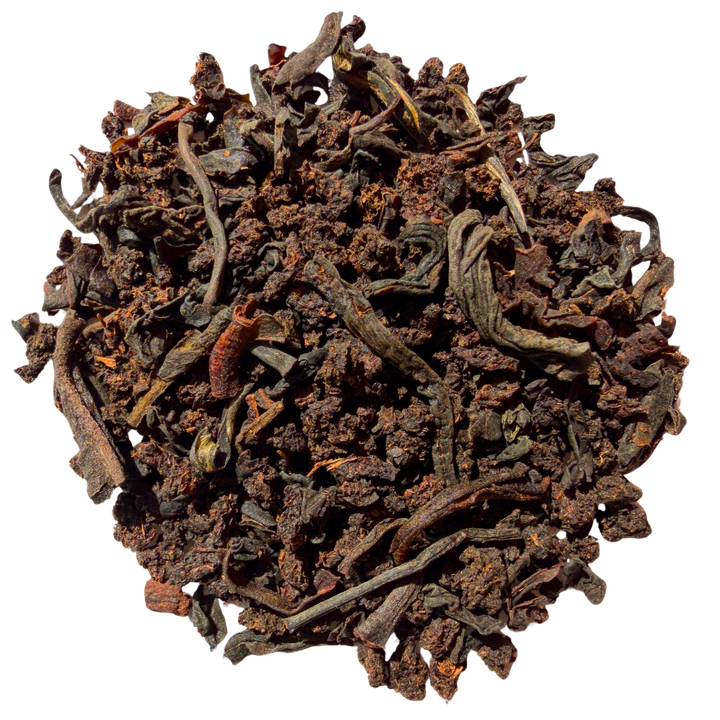
Our Classic Earl Grey is made with Sri Lankan black tea, natural bergamot flavouring and cornflower petals. It sits in the middle: aromatic enough to enjoy black, sturdy enough to handle a splash of milk if you prefer.

Black Tea
Black tea with fragrant bergamot citrus. A bright, familiar cup for your afternoon break.
Have a lookWhat is bergamot?
Bergamot is a small citrus fruit, probably a hybrid between a lemon and a bitter orange. It looks like a lumpy yellow-green orange and smells intensely floral and citrusy, somewhere between Earl Grey cologne and the peel of a very aromatic lemon.
Almost all bergamot oil comes from Calabria in southern Italy, which produces around 90 percent of the world's supply. The oil is cold-pressed from the peel, and a little goes a long way. If you have ever used expensive perfume or eaten an Italian bergamot sweet, you know the smell.
The fruit itself is too bitter to eat, but the oil has been used in perfumery, flavouring and medicine for centuries. In tea, it adds that distinctive bright, floral top note that makes Earl Grey immediately recognisable.

The history of Earl Grey tea
The name comes from Charles Grey, 2nd Earl Grey, who served as British Prime Minister from 1830 to 1834. He oversaw the Slavery Abolition Act in 1833 and, apparently, liked his tea with a bit of bergamot.
Beyond that, the story gets murky. One popular legend says a Chinese mandarin gave him a special bergamot-flavoured tea as a diplomatic gift. This is almost certainly nonsense: Grey never travelled to China. The Grey family's own version is more plausible: the blend was created to suit the lime-heavy water at Howick Hall, the family estate in Northumberland.
The earliest confirmed references to bergamot-flavoured tea date to 1824, though that mention did not use the Earl Grey name. Advertisements for 'Grey's Tea' appeared in the 1850s and 1860s, and the first published use of 'Earl Grey' as a tea name seems to be 1880s advertisements by Charlton and Co. of Jermyn Street, London.
By then, bergamot had already acquired a slightly dodgy reputation. In 1837, one company was accused of adding bergamot oil to cheap tea to disguise its quality and sell it at higher prices. Earl Grey, in other words, started life as both a flavour and a bit of a marketing trick.
How to brew Earl Grey tea
Earl Grey is forgiving, but a few details make the difference between a fragrant cup and a bitter one.
- Use one teaspoon of loose leaf tea per cup, or one rounded teaspoon per 200ml
- Boil fresh water and let it come off the boil for a few seconds, or use it at around 95 to 98°C
- Pour the water over the leaves and steep for two to three minutes
- Remove the leaves or lift out the infuser
- Taste before adding anything
Steeping longer than three minutes tends to bring out bitterness from the tannins. If you want a stronger cup, use more leaf rather than more time. A roomy infuser or teapot helps the leaves open fully.
| Style | Water temperature | Steep time | Notes |
|---|---|---|---|
| Classic black Earl Grey | 95 to 100°C | 2 to 3 minutes | Brisk, takes milk |
| Green Earl Grey | 75 to 80°C | 2 minutes | Lighter, more vegetal |
| Rooibos Earl Grey | 100°C | 4 to 5 minutes | Caffeine-free, mellow |
Earl Grey with milk or lemon?
This is the question that divides households. The honest answer: either works, but not both at once.
Traditional Earl Grey, made with lighter Chinese tea, was meant to be drunk black or with a slice of lemon. The citrus in the lemon complements the bergamot beautifully. Modern British Earl Greys tend to use stronger Indian or Sri Lankan tea, which has enough body to carry milk without losing the bergamot entirely.
If you add milk, use just a splash. Too much drowns the bergamot and defeats the point. If you add lemon, skip the milk: acid and dairy curdle, and you will end up with something unpleasant floating in your cup.
The best approach is to taste the tea plain first. If it seems too sharp, try milk next time. If it seems too heavy, try lemon. Or try neither and let the bergamot do the talking.
Does Earl Grey tea have caffeine?
Yes, about as much as any black tea. The exact amount varies depending on the tea base, brewing time and how much leaf you use, but a typical cup contains roughly 40 to 70mg of caffeine. That is less than a standard cup of coffee (around 95mg) but enough to notice if you are sensitive.
If you want Earl Grey in the evening without the caffeine, Decaf Earl Grey has had most of the caffeine removed. It is not completely caffeine-free, but it is much lower than regular black tea and still tastes recognisably like Earl Grey.
For a naturally caffeine-free option, Earl Grey Rooibos uses South African red rooibos as the base instead of black tea. No caffeine at all, with the same bergamot character.

Black Tea
Bergamot and smooth black tea, with most of the caffeine removed. Still recognisably Earl Grey.
Have a lookCommon Earl Grey mistakes
Over-steeping
Three minutes is the upper limit for most Earl Grey. Beyond that, tannins build up and the tea turns bitter and astringent, overwhelming the bergamot. Use a timer until you get a feel for it.
Not enough leaf
If your Earl Grey tastes thin and watery, you probably need more leaf, not a longer steep. One level teaspoon is a minimum; a slightly rounded teaspoon works better for a mug.
Stale tea
Bergamot oil fades over time. Store your Earl Grey in an airtight container away from light and strong smells, and use it within a few months of opening. Tea that smells faintly of cupboard has seen better days.
Drowning it in milk
A splash is fine. Half a mug of milk is a waste of good bergamot.
Earl Grey variations
Once you have the basic idea of bergamot over tea, there are endless ways to vary it.
Lady Grey typically adds citrus peel and cornflower to the classic formula, making it slightly lighter and more floral. Read more about Lady Grey vs Earl Grey.
Cream Earl Grey blends in vanilla for a softer, sweeter cup. Our Cream Earl Grey is popular with people who find classic bergamot too sharp.
Russian Earl Grey adds lemongrass and citrus peel for extra brightness. Our Zesty Earl Grey takes a similar approach, with lemongrass and orange pieces.
London Fog is Earl Grey brewed strong, topped with steamed milk and a touch of vanilla. It turns a simple cup into something closer to a latte. See our London Fog recipe.
Earl Grey Green uses green tea as the base instead of black. It tends to be lighter and more vegetal than the classic black tea version.

Black Tea
The familiar bergamot of Earl Grey, softened by a creamy, vanilla-like sweetness.
Have a lookWhat to try next
If you already know you like Earl Grey and want to explore, the Earl Grey Tasting Box includes five different takes on the blend, from classic to creamy, zesty and malty. It is letterbox-friendly and makes a decent gift for anyone who cannot decide.
For something a bit different, Yorkshire Fog Earl Grey adds vanilla and softens the bergamot into something more rounded. Pearl Grey goes the other direction: lighter, more floral, with bright fruit notes.
If you are not sure where to start, the Tea Finder can point you in the right direction based on what you already drink.
All our loose-leaf teas come with free UK delivery on orders over £35. Or call into the shop in Byram Arcade, Huddersfield, and we will make you a cup.
Frequently asked questions
What is Earl Grey tea?
Earl Grey is black tea flavoured with oil of bergamot, a citrus fruit grown mainly in southern Italy. The bergamot gives it a distinctive floral-citrus aroma that sets it apart from unflavoured black teas. The name probably comes from Charles Grey, 2nd Earl Grey, British Prime Minister in the 1830s.
Does Earl Grey tea have caffeine?
Yes. Earl Grey contains roughly the same amount of caffeine as any black tea, typically 40 to 70mg per cup depending on how you brew it. Decaffeinated versions are available if you want the bergamot flavour without the caffeine.
Can you put milk in Earl Grey?
You can. Traditional Earl Grey was meant to be drunk black or with lemon, but most modern blends use stronger tea that takes milk well. Add just a splash and taste the tea plain first to see if you actually want it.
What does bergamot taste like?
Bergamot tastes intensely floral and citrusy, somewhere between orange peel, lemon zest and a hint of something almost perfumed. It is too bitter to eat as a fruit, but the oil from the peel gives Earl Grey its signature character.
Is decaf Earl Grey completely caffeine-free?
No. Decaffeinated tea still contains small amounts of caffeine, typically around 2 to 5mg per cup compared to 40 to 70mg in regular black tea. If you need to avoid caffeine entirely, try an Earl Grey Rooibos, which uses a naturally caffeine-free base.
How long should you steep Earl Grey?
Two to three minutes with freshly boiled water. Steeping longer than three minutes tends to make the tea bitter. If you want a stronger cup, use more leaf rather than a longer steep time.
Sources: Wikipedia