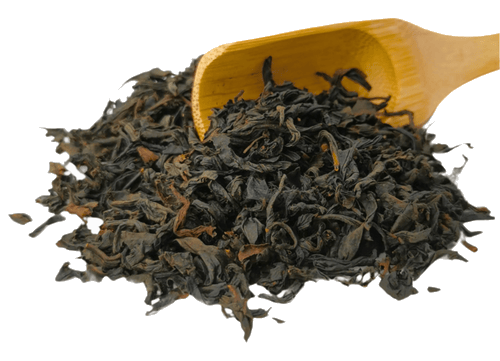
Green Tea Weight Loss: What the Research Actually Says

Let's get this out of the way early: green tea weight loss is mostly wishful thinking dressed up in sciency-sounding headlines. If you've been forcing down three cups of grassy green tea every morning because the internet promised it would shift a few pounds, you can stop. The research doesn't back it up.
The tea in this guide: Chunmee from £5.20 Shop it →
A Cochrane review of eighteen trials involving over two thousand people found that any weight loss from green tea preparations was small and 'not clinically important'. We're talking fractions of a kilogram over twelve weeks. You'd lose more weight leaving the biscuit tin in a harder-to-reach cupboard.
That doesn't mean green tea is pointless. It means you should choose it because you enjoy drinking it, not because you're hoping it will do something magical to your metabolism.
At a glance
- Brewed green tea has not been shown to cause meaningful weight loss in research
- Most studies tested concentrated extracts or capsules, not the tea you make with loose leaf
- Any effect found was small: around 0.04 kg in non-Japanese studies over 12 weeks
- Detox and fat-burner labels are usually marketing, not useful descriptions
- Green tea contains caffeine and catechins, which researchers find interesting but the evidence doesn't match the hype
- Pick tea by flavour: crisp Chunmee, floral Jasmine Green, or toasty Genmaicha
Why do people think green tea causes weight loss?
Green tea contains caffeine and plant compounds called catechins. The most abundant catechin is epigallocatechin gallate, which everyone sensibly abbreviates to EGCG. It can make up almost 40% of the catechin content in green tea, according to the Cochrane review. That combination makes green tea interesting to researchers looking at metabolism and fat oxidation.
The problem is what happens between the laboratory and the headline. A study might find that a concentrated green tea extract increased 24-hour energy expenditure in a small group of healthy men. By the time it reaches social media, that becomes 'Green Tea Burns Fat'. Nobody mentions that caffeine alone didn't produce the same effect, or that the study used extracts rather than brewed tea, or that increased energy expenditure doesn't automatically mean you'll lose weight.
The National Center for Complementary and Integrative Health states plainly that green tea does not cause significant weight loss in adults with overweight or obesity and cannot help people maintain weight loss. That's about as clear as official guidance gets.

What did the research actually find?
The Cochrane review looked at eighteen randomised controlled trials lasting 84 to 91 days. Participants were otherwise healthy adults classified as overweight or obese, with BMI inclusion ranges varying from 21 to 39 kg/m². The trials tested concentrated green tea extracts, capsules, purified catechins, or catechin beverages. Not, generally speaking, a pot of loose leaf.
Catechin doses ranged from 140.85 mg per day to 1,206.9 mg per day. Sixteen of the eighteen studies used between 270 and 645.9 mg daily. For context, Health Canada's cited range for weight-management products is 126 to 300 mg EGCG per day.
The actual numbers
Six non-Japanese studies involving 532 participants found a mean difference of minus 0.04 kg compared to control groups. The 95% confidence interval ranged from minus 0.50 to plus 0.43 kg. Statistically, that's indistinguishable from nothing.
Eight Japanese studies were too different from each other to pool meaningfully. Effects ranged from minus 0.20 to minus 3.5 kg. That's a wide spread, and the review noted the heterogeneity made conclusions difficult.
For waist circumference, five non-Japanese studies found a reduction of 0.23 cm. Japanese studies ranged from a 1 cm gain to a 3.30 cm loss. Again, not exactly a transformation.

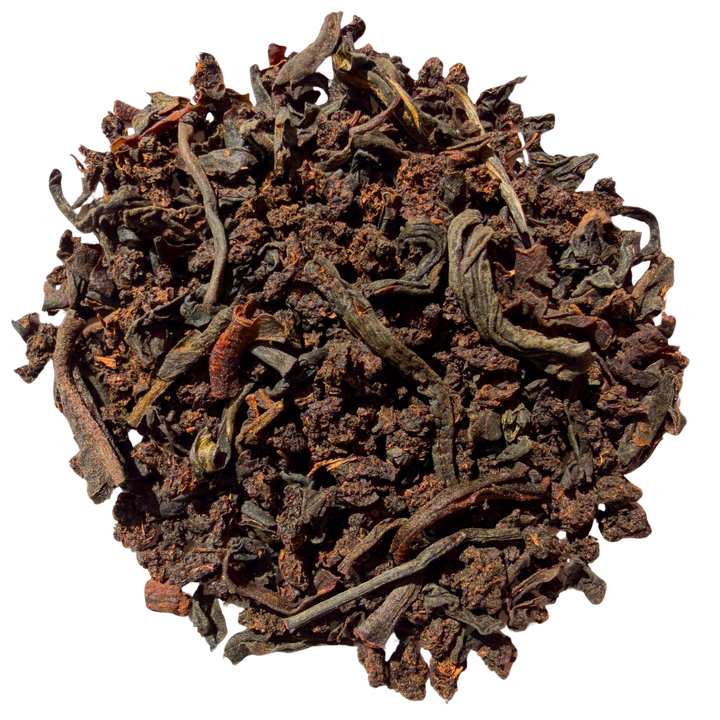
Green Tea
Curved green leaves with a fresh, gently tangy flavour. The name means precious eyebrow; no tweezers required.
Have a lookIs brewed green tea different from green tea extract?
Yes, and this matters more than most articles acknowledge. The studies that find anything at all typically test concentrated extracts, capsules, or specially prepared catechin beverages. These are not the same as making a pot of Sencha and drinking it with your toast.
Brewed green tea consumed as a beverage has no reported safety concerns for adults, other than containing caffeine. Concentrated extracts are a different proposition. Side effects can include nausea, abdominal discomfort, and raised blood pressure. In uncommon cases, liver injury has been reported, mainly with extract tablets or capsules. Extracts can also interact with medicines including some statins, antibiotics, and beta blockers.
A GoodRx summary notes that one study reported weight loss with 857 mg EGCG but not with 360 mg EGCG. Getting 857 mg of EGCG from brewed tea would require drinking an impractical amount. You'd be spending most of your day either making tea or visiting the loo.
Does green tea boost metabolism?
This is where the headlines get creative. Catechins and caffeine may have a small effect on energy expenditure and fat oxidation. A 2021 review cited by Healthline found that some studies reported green tea extract increased resting metabolic rate, but not all studies had positive results. A 2017 review found mixed results when EGCG was combined with exercise.
Replacing a sugary coffee or fizzy drink with unsweetened green tea might reduce your overall calorie intake. That's not the tea burning fat. That's you drinking fewer calories. Which is fine, but let's not dress it up as something it isn't.
What about matcha green tea for weight loss?
Matcha is powdered green tea, so you consume the whole leaf rather than just steeping it. A small 2018 study found that drinking matcha before exercise helped boost exercise-induced fat oxidation. That sounds promising until you notice the word 'small' and remember that exercise-induced fat oxidation during a workout is not the same as lasting weight loss over months.
Matcha contains caffeine and catechins just like other green tea. If you enjoy it, drink it. If you're buying it specifically because you think it will make you thinner, save your money or spend it on something you actually like.

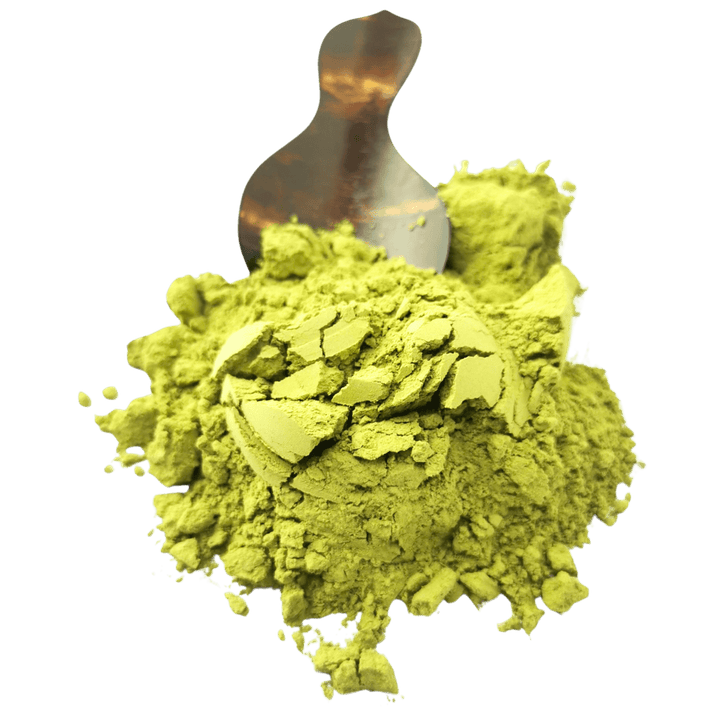
Matcha
Finely powdered green tea for whisking, iced drinks or a matcha latte. Sift first to keep things smooth.
Have a lookGreen tea capsules, tablets and supplements
People search for green tea capsules for weight loss and green tea tablets for weight loss because taking a pill feels more medical than drinking tea. The evidence doesn't support the idea that capsules work better than brewed tea, and they come with more risk.
A 2020 review cited by Healthline found that consuming at least 500 mg of green tea extract daily for 12 weeks reduced body weight and BMI when combined with a balanced diet and regular exercise. Note that last bit: balanced diet and regular exercise. The extract wasn't doing the heavy lifting.
A 2023 meta-analysis of women with overweight or obesity found that green tea supplementation significantly reduced weight, BMI, and waist circumference when taken at 1,000 mg or less daily for 8 weeks or less. But another 2020 review found effects were more significant at less than 500 mg daily for 12 weeks. The studies don't agree with each other, which is usually a sign that the effect is small and variable.
If you're considering supplements, speak to a pharmacist. Don't treat a tea shop as a clinic.
The detox tea problem
Detox is usually a marketing label, not a useful description of what a cup does. Some slimming or cleanse products contain laxatives or other ingredients that ordinary green tea does not. A quick change on the scales after several trips to the bathroom is not fat loss. It's just dehydration with extra steps.
The short version: your liver and kidneys handle detoxification. Tea is a drink.
How to brew green tea without making it bitter
If you're going to drink green tea, you might as well enjoy it. Bitterness usually comes from water that's too hot or steeping too long.
| Tea | Water temperature | Steep time | Caffeine |
|---|---|---|---|
| Chunmee | 75 to 80°C | 2 to 3 minutes | Moderate |
| Jasmine Green | 75 to 80°C | 2 to 3 minutes | Moderate |
| Genmaicha | 80°C | 2 to 3 minutes | Moderate |
| Sencha | 70 to 75°C | 1 to 2 minutes | Moderate |
Let the kettle cool for a few minutes after it boils, or mix boiling water with a splash of cold. Taste at the suggested time, then adjust next time. If you still find it too grassy, try Genmaicha, which has toasted rice for a warmer, more savoury character.
What to try next
If you want to explore green tea by flavour rather than slimming claims, start with Jasmine Green for something light and floral that even committed black-tea drinkers tend to like. Genmaicha is warmer and more savoury, ideal if plain green tea feels too vegetal. Chunmee is the crisp, no-nonsense option for everyday drinking.
Not sure where to start? The Green Tea Tasting Box lets you compare five loose leaf green teas side by side. Or use the Tea Finder to browse by taste and caffeine level.

Letterbox gift
Five loose leaf green teas from Japan and China, from grassy Sencha to jasmine, Dragonwell and rolled gunpowder.
Have a lookOrder loose leaf tea online with free UK delivery on orders over £35. Or call into the shop in Byram Arcade, Huddersfield, where the kettle's usually on.
Frequently asked questions
Does green tea burn fat?
No. Green tea has not been shown to burn fat or produce meaningful weight loss. Studies that found small effects typically tested concentrated extracts, not the brewed tea you make with loose leaf. A Cochrane review of over two thousand participants found any weight loss was not clinically important.
Is green tea extract the same as brewed green tea?
No. Concentrated extracts can cause side effects including nausea, abdominal discomfort, raised blood pressure, and in uncommon cases liver injury. Brewed green tea consumed as a beverage has no reported safety concerns for adults, other than containing caffeine.
What does detox tea actually do?
Detox is usually a marketing label. Some products contain laxatives or other ingredients that ordinary green tea does not. A quick change on the scales from trips to the bathroom is not fat loss. Your liver and kidneys handle detoxification; tea is a drink.
How much green tea should I drink for weight loss?
There's no amount of brewed green tea shown to cause meaningful weight loss. Studies suggesting effects used concentrated extracts at doses difficult to achieve from drinking tea. If you enjoy green tea, drink it for the flavour. One to three cups a day is a sensible range for most adults.
Which green tea tastes best if I don't like grassy flavours?
Try Genmaicha, which adds toasted rice for a warmer, savoury-sweet character. Jasmine Green is floral and lighter, easier for people who find plain green tea too vegetal. You don't have to drink something you don't enjoy.
Can I drink green tea while pregnant?
Green tea contains caffeine. NHS guidance recommends limiting caffeine to no more than 200 mg per day during pregnancy. An average cup of green tea contains roughly 30 to 50 mg, so three to four cups would approach that limit before accounting for other caffeine sources. Speak to your midwife if you're unsure.
Sources: Cochrane Database of Systematic Reviews · Medical News Today · GoodRx · Healthline