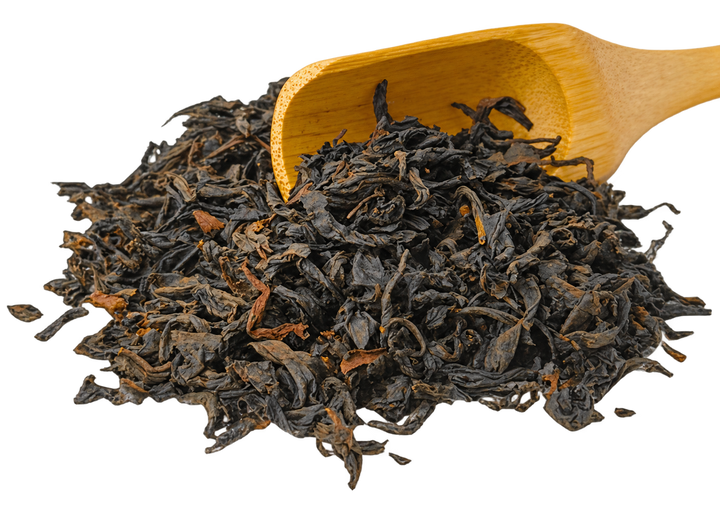
Caffeine Free Earl Grey: Rooibos vs Decaf Compared

It is half past nine, the day has been long, and you want something that smells like Earl Grey but will not keep you staring at the ceiling until midnight. Caffeine free Earl Grey exists, but the phrase covers two quite different drinks. One uses rooibos, a South African shrub that never contained caffeine in the first place. The other is decaffeinated black tea, which started with caffeine and had most of it removed. Both carry bergamot's familiar citrus perfume. The cup underneath is where they part ways.
The tea in this guide: Earl Grey Rooibos from £5.40 Shop it
The short answer: if you need zero caffeine, choose rooibos. If you want something closer to traditional Earl Grey's brisk character and can accept a trace of caffeine, decaf black tea gets you there. The rest of this guide explains exactly why, and how to brew each one so it tastes its best.
At a glance
- Rooibos Earl Grey is naturally caffeine-free with no tea leaf at all
- Decaf Earl Grey uses black tea with most caffeine removed, but a small amount remains
- Rooibos tastes softer, rounder and gently sweet; decaf keeps more briskness
- Both carry the bergamot aroma that defines Earl Grey
- Brew rooibos with boiling water for 3 to 5 minutes; decaf the same
- Choose by caffeine need first, then by flavour preference
Does Earl Grey have caffeine?
Traditional Earl Grey is black tea scented with bergamot oil, and black tea contains caffeine. A standard cup brewed for three to four minutes typically delivers 40 to 70 mg of caffeine, depending on the leaf and how strong you like it. That is roughly half a cup of filter coffee, enough to perk you up but also enough to disturb sleep if you drink it late.
The bergamot itself adds no caffeine. It is a small citrus fruit, a cross between bitter orange and lime, grown mainly in Calabria and Sicily. The caffeine question is entirely about the base: tea leaf or something else.
Earl Grey Rooibos: the naturally caffeine-free option
Rooibos is not tea. It comes from Aspalathus linearis, a shrub native to the Cederberg mountains of South Africa, and it contains no caffeine whatsoever. When you add bergamot flavouring to rooibos, you get an Earl Grey style infusion that is completely caffeine-free without any processing to remove anything.

Earl Grey Rooibos swaps the brisk black tea base for something softer: a woody, mildly sweet amber cup with no tannins and no drying finish. The bergamot sits on top rather than competing, giving you citrus and warmth rather than citrus and bite. It is gentler in the mouth, which suits evenings or anyone who finds standard Earl Grey too sharp.

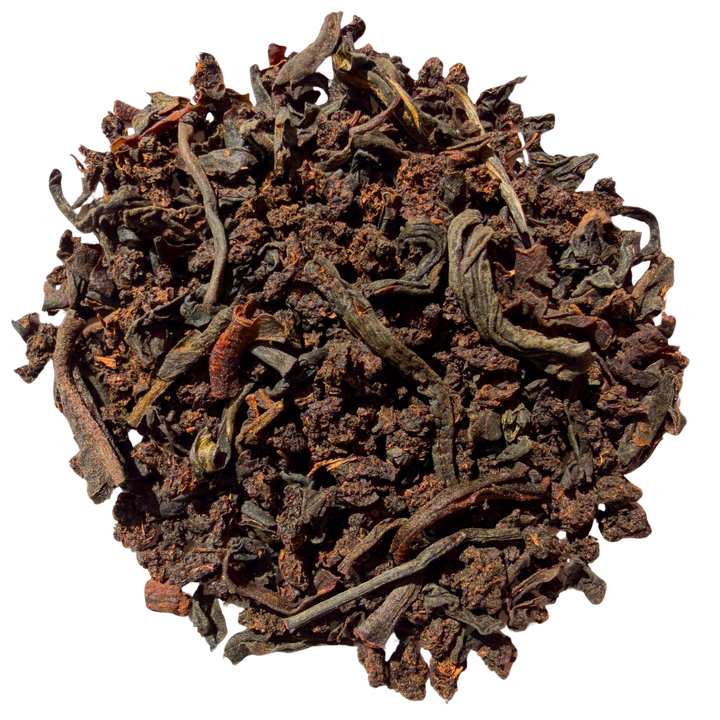
Rooibos Tea
Bergamot over mellow red rooibos. The familiar Earl Grey idea, naturally without caffeine.
Have a lookIf you are choosing strictly on caffeine, this is the clearest option. There is no decaffeination process involved, no residual caffeine left behind, and no ambiguity about what 'decaf' actually means.
Decaf Earl Grey: black tea with caffeine removed
Decaf Earl Grey starts life as ordinary black tea, then goes through a process to strip out most of the caffeine. The most common method used by quality producers is the CO₂ process, which uses carbon dioxide under high pressure to extract caffeine while leaving flavour compounds largely intact. This method leaves no chemical residues and retains the tea's natural flavour better than older solvent-based methods.
The catch: decaffeinated does not mean caffeine-free. A cup of decaf black tea typically contains 2 to 5 mg of caffeine, sometimes a little more. That is a small fraction of regular tea, but it is not zero. For most people drinking one evening cup, this trace amount will not matter. If you are avoiding caffeine entirely for medical reasons or pregnancy, rooibos is the safer choice.
Decaf Earl Grey keeps more of the structure you expect from traditional Earl Grey: a hint of briskness, a familiar tannic edge, and that sense of drinking actual tea rather than an infusion. The bergamot flavouring works the same way it does on regular black tea. It is still recognisably Earl Grey, just quieter.

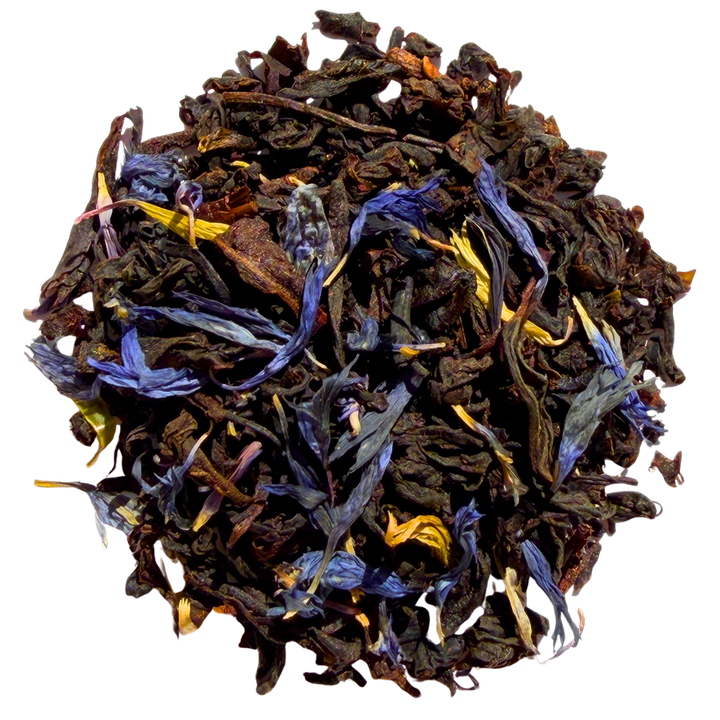
Black Tea
Bergamot and smooth black tea, with most of the caffeine removed. Still recognisably Earl Grey.
Have a lookRooibos vs decaf: a side-by-side comparison
| Feature | Earl Grey Rooibos | Decaf Earl Grey |
|---|---|---|
| Caffeine | Zero | 2 to 5 mg per cup |
| Base | South African rooibos | Decaffeinated black tea |
| Tannins | None | Present but mild |
| Taste | Soft, woody, gently sweet | Brisk, familiar tea character |
| Bergamot | Yes | Yes |
Neither is better in absolute terms. They are different drinks that happen to share the same perfume. If you miss the tannic grip of black tea, decaf will feel more familiar. If you find that grip unpleasant or want something truly caffeine-free, rooibos is your answer.
How to brew caffeine free Earl Grey
Both versions are forgiving, but a few details make a noticeable difference in the cup.
Rooibos Earl Grey
- Use one heaped teaspoon of leaf per cup (about 2.5 g)
- Pour freshly boiled water directly over the leaves
- Steep for 3 to 5 minutes: shorter keeps it lighter and more citrus-forward, longer draws out the woody sweetness
- Strain through a fine mesh infuser or tea strainer (rooibos pieces are small)
Decaf Earl Grey
- Use one heaped teaspoon per cup
- Water just off the boil, around 95°C, works well
- Steep for 3 to 4 minutes
- Strain and serve
Taste both plain first. Rooibos has a natural sweetness that often means you do not need anything added. Decaf takes milk comfortably if that is how you like your Earl Grey. A slice of lemon sharpens the bergamot in either version, but do not add lemon and milk together unless you enjoy curdled tea.
Common mistakes with caffeine free Earl Grey
The most frequent error is expecting rooibos to taste exactly like black tea. It will not. Rooibos has its own character: mellow, slightly honeyed, without the briskness or astringency of Camellia sinensis. If you approach it as a gentle evening drink with bergamot fragrance rather than a direct substitute for your morning Earl Grey, you will enjoy it far more.
Another mistake is assuming all decaf is the same. Decaffeination methods vary, and cheaper processes can leave tea tasting flat or papery. The CO₂ method preserves flavour better, which is why we use it for our Decaf Earl Grey. If you have tried decaf tea before and found it disappointing, a better-quality version might change your mind.
Finally, do not over-steep rooibos thinking it will become stronger. It becomes darker but not necessarily bolder. Three to five minutes is the sweet spot.
A brief history of Earl Grey
Earl Grey emerged in Europe around 1830, named for Charles Grey, the British Prime Minister. Legend says Grey received an ancient bergamot-tea recipe from a Chinese Mandarin official, but the more likely story is that he simply added a few drops of bergamot essence to his tea and liked the result. Either way, the blend became a staple of British afternoon tea and spread around the world.
Caffeine-free versions are a much newer development. Rooibos only gained popularity outside South Africa in the late twentieth century, and quality CO₂ decaffeination is a relatively modern process. The idea of enjoying bergamot without the buzz would have puzzled the original Earl Grey, but he might have appreciated a quiet cup after a long day in Parliament.
Can you drink caffeine free Earl Grey before bed?
Rooibos Earl Grey is genuinely caffeine-free, so it will not interfere with sleep from a caffeine perspective. Whether you want something citrusy and aromatic before bed is personal preference. Some people find the bergamot too lively for late nights and prefer something plainer like plain Rooibos or chamomile.
Decaf Earl Grey contains a small amount of caffeine, typically under 5 mg per cup. For most people this is negligible, but if you are particularly caffeine-sensitive or avoiding it entirely, stick with rooibos for the last cup of the day.
Iced caffeine free Earl Grey
Both versions work well cold. Brew slightly stronger than usual (an extra half teaspoon per cup), strain, cool to room temperature, then refrigerate or pour over ice. A twist of orange peel picks up the citrus notes nicely. Taste before sweetening: rooibos especially has enough natural sweetness that you may not need anything added, and melting ice will dilute the flavour further.
For a cold-brew method, use 3 to 4 teaspoons of loose leaf per litre of room-temperature water, steep for about an hour, strain, then refrigerate for at least another hour before serving.
What to try next
If you enjoy Earl Grey Rooibos and want to explore what else the base can do, the Rooibos Tasting Box includes five rooibos blends side by side: plain, Earl Grey, berry, lavender and marzipan. It is a good way to see how different flavours sit on the same caffeine-free base.
For bergamot lovers who want to compare across bases, the Earl Grey Tasting Box includes classic, cream, zesty, malty and floral versions, all on black tea. You can see how much the base changes the cup.
If you want more caffeine-free options beyond Earl Grey, our caffeine-free collection includes fruit infusions, herbal blends and more rooibos. And if you are still not sure what suits you, the Tea Finder asks a few questions and suggests teas that match.
We send loose leaf anywhere in the UK with free delivery on orders over £35. Or call into the shop in Byram Arcade, Huddersfield, and we will put the kettle on.
Frequently asked questions
Does Earl Grey black tea have caffeine?
Yes. Traditional Earl Grey is black tea flavoured with bergamot, and black tea contains caffeine, typically 40 to 70 mg per cup depending on brewing time and leaf quantity. The bergamot adds no caffeine. If you want the Earl Grey flavour without caffeine, choose rooibos Earl Grey for zero caffeine or decaf Earl Grey for a trace amount.
Is caffeine free Earl Grey tea actually caffeine free?
It depends which type. Rooibos Earl Grey is naturally caffeine-free because rooibos is not tea and never contained caffeine. Decaf Earl Grey uses black tea with most caffeine removed, but typically 2 to 5 mg remains per cup. For true zero caffeine, rooibos is the only guarantee.
What does Earl Grey Rooibos taste like compared to normal Earl Grey?
The bergamot aroma is recognisably Earl Grey in both. The difference is the base: rooibos is softer, rounder and gently sweet without the briskness or tannins of black tea. If you like that brisk tannic edge, rooibos may taste too mild. If you find black tea too sharp, rooibos offers a gentler alternative.
Can I drink caffeine free Earl Grey during pregnancy?
Rooibos Earl Grey contains no caffeine, which removes the caffeine concern. If you are pregnant, it is always wise to discuss your diet with your midwife or GP, as guidance on herbal infusions can vary.
How long does caffeine free Earl Grey keep?
Store it in a sealed container in a cool, dry place away from strong smells and direct sunlight. Both rooibos and decaf Earl Grey keep well for months, though the bergamot aroma will fade gradually over time. Use within a year for the best flavour.