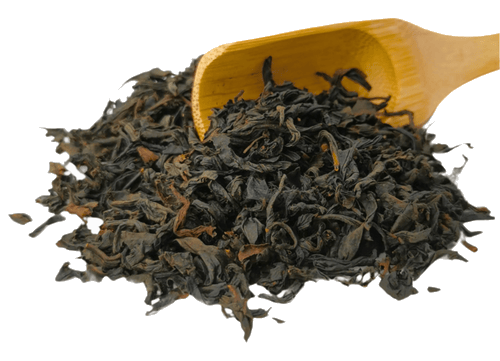
Gyokuro: Japan's Shade-Grown Green Tea and How to Brew It

Gyokuro tastes like the sea met a spring garden and decided to stay. It has a savoury depth, an almost brothy sweetness, and a soft finish that lingers far longer than you expect from a cup of green tea. The secret is darkness: farmers cover the plants for around three weeks before picking, which changes the chemistry of the leaf entirely. The result is Japan's most prized loose-leaf green tea, with more umami and less bitterness than anything grown in full sun.
The tea in this guide: Organic Gyokuro from £7.85 Shop it →
If you have tried sencha and wondered what sits above it, gyokuro is the answer. It rewards patience, cooler water and smaller quantities, but the cup it produces is unlike any other tea you will brew this year.
At a glance
- Gyokuro means 'jade dew' or 'jewel dew' and is Japan's highest-grade shaded green tea.
- Plants are shaded for about 20 days before harvest, reducing light by 70 to 90 percent.
- Shading increases L-theanine (umami), caffeine and chlorophyll while lowering bitter catechins.
- Brew at 50 to 60°C for around two and a half minutes, using more leaf than you would for sencha.
- Main growing regions: Yame (Fukuoka), Uji (Kyoto) and Asahina (Shizuoka).
What is gyokuro tea?
Gyokuro is a Japanese green tea defined by how it is grown rather than how it is processed. According to the Japan Tea Central Association, gyokuro must come from tea gardens shaded for approximately 20 days once the first spring shoots appear. Farmers use reed screens, straw mats or modern synthetic netting to block the light, sometimes starting at 70 percent shade and working up to 90 percent just before harvest.
Shading forces the plant to work harder to photosynthesise, which changes its chemistry. The leaf holds onto more L-theanine, an amino acid that contributes to gyokuro's savoury umami flavour. It also produces more chlorophyll, giving gyokuro its deep green colour, while catechins, which cause bitterness and astringency, stay low. Japanese tea industry reference data puts gyokuro's theanine content at around 2,650 mg per 100 g of dry leaf, roughly twice that of regular sencha.
The name gyokuro combines gyoku (jewel or jade) and ro (dew). Some translate it as 'jade dew', others as 'precious dew'. Either way, it describes both the pale green liquor and the shape of the earliest version of this tea, which was rolled into small dew-like balls before producers developed the fine needle style we see today.

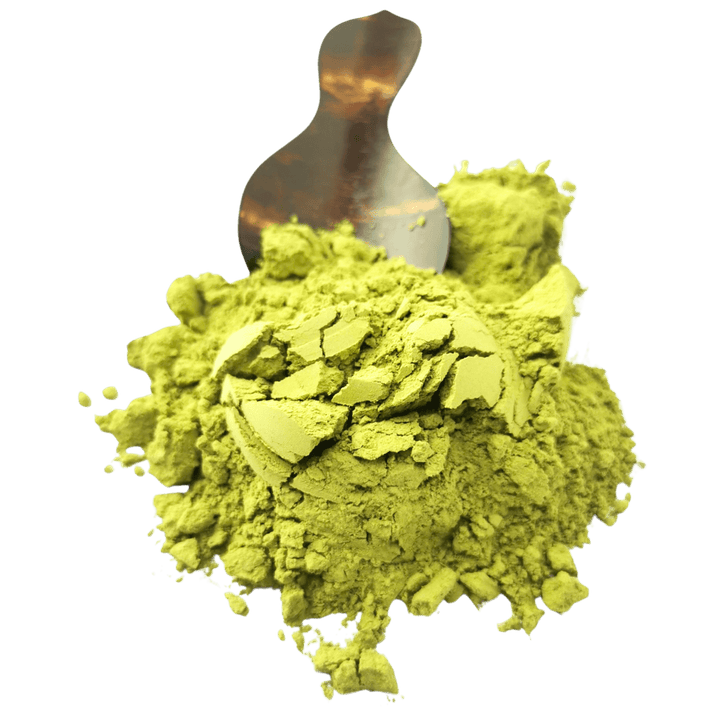
Green Tea
Shade-grown Japanese green tea with deep umami, gentle sweetness and a smooth finish.
Have a lookHow gyokuro was discovered
Gyokuro's story begins in the 1830s in the Uji region near Kyoto. A tea merchant named Kahei Yamamoto was inspecting local tea farms. He noticed that some growers had covered their plants with mats to protect them from frost. When those leaves were steamed and dried, they curled into an unusual shape and had a sweeter, richer flavour than anything he had tasted before.
Yamamoto named the tea gyokuro and brought it back to Edo in 1835. The style found a place between everyday sencha and the powdered matcha favoured by the elite.

What does gyokuro taste like?
Expect a deep, savoury sweetness that Japanese tea experts call umami. The flavour is often compared to dashi broth, nori seaweed or fresh asparagus. There is a marine note in the aroma, sometimes described as ooika, meaning 'the fragrance of covered leaves'. A more pronounced ooika generally indicates better quality.
Unlike sencha, gyokuro has very low astringency. There is no sharp grassy bite, just a smooth, almost velvety body that coats the tongue and finishes gently. The liquor is pale green, sometimes with a slight cloudiness, and the aftertaste can last for minutes. If you are used to sencha, the first sip of gyokuro might confuse you. It is quieter, rounder and much more complex.
Gyokuro vs sencha vs kabusecha
All three are Japanese green teas, but they differ in how much sunlight the plants receive before harvest.
| Tea | Shading | Flavour | Brew temp |
|---|---|---|---|
| Sencha | None (full sun) | Fresh, grassy, mildly astringent | 70 to 80°C |
| Kabusecha | About 1 week, 50% shade | Sweeter than sencha, some umami | 60 to 70°C |
| Gyokuro | About 20 days, 70 to 90% shade | Deep umami, low astringency | 50 to 60°C |
Think of kabusecha as a halfway house. It has more sweetness than sencha but not the full savoury depth of gyokuro. If you enjoy the Japanese green tea style but find sencha a little sharp, kabusecha is worth trying before you commit to the lower temperatures and longer steeping that gyokuro requires.
How to brew gyokuro
Gyokuro is not difficult to brew, but it does ask you to slow down. The key is cooler water, more leaf and a little patience. Rush it with boiling water and you will get a bitter, astringent cup that misses the point entirely.
Step-by-step method
- Boil fresh water and let it cool. You are aiming for 50 to 60°C. The easiest way is to pour boiling water into an empty cup, wait 30 seconds, pour into another cup, wait another 30 seconds. Repeat until you hit the target.
- Use around 5 to 7 g of leaf for every 100 ml of water. That is roughly a heaped teaspoon per small cup. More leaf than you would use for sencha.
- Place the leaves in a small teapot or handleless houhin. Pour the cooled water over the leaves.
- Steep for two to two and a half minutes. Do not stir or agitate.
- Pour out every last drop, rolling the pot gently to get the final drips.
- Re-infuse the same leaves three or four more times. For later infusions, raise the temperature slightly (to around 65 to 70°C) and shorten the steeping time to 20 to 30 seconds.
The first infusion is the most intense. The second and third often taste lighter and sweeter. Some people enjoy the fourth infusion most of all, when the leaf opens fully and releases whatever it has been holding back.
Common mistakes
- Water too hot. This is the big one. Boiling water extracts catechins and caffeine faster than theanine, leaving you with bitterness instead of umami. If in doubt, err on the side of cooler.
- Too little leaf. Gyokuro needs a higher leaf-to-water ratio than sencha. Skimping gives you a thin, underwhelming cup.
- Steeping too long on later infusions. The first steep is long; the rest should be short. Treat each round differently.
- Throwing away the leaves after one brew. Gyokuro leaves are expensive and generous. Get your money's worth by re-infusing.
Where gyokuro comes from
Most gyokuro is produced in three regions of Japan, each with its own character.
Yame, Fukuoka: Japan's largest gyokuro producer, responsible for more than 40 percent of the country's output. Yame gyokuro tends to be rich, full-bodied and sweet, with traditional natural fibre shading and hand-picking for the best grades. In 2007, Yamecha gyokuro from Yame swept the top 26 places in the national tea jury's rankings.
Uji, Kyoto: The historic home of shaded tea and the region where Kahei Yamamoto first discovered gyokuro. Uji tea has the longest pedigree and the highest brand recognition worldwide, with a refined, elegant character.
Asahina, Shizuoka: A small, prestigious growing area known for traditional hand-picked lots shaded with straw and nets. Asahina gyokuro is often described as refreshing and aromatic, made from the Gokoh cultivar.
Common cultivars include Asahi, Okumidori, Yamakai and Saemidori. The cultivar, shading method and region all influence the final flavour, which is why two gyokuros can taste noticeably different even when brewed the same way.
Is gyokuro high in caffeine?
Yes. Shading increases caffeine as well as theanine, so gyokuro contains more caffeine than most other green teas. The exact amount depends on the leaf, the brewing temperature and how long you steep, but a cup brewed at 50 to 60°C will still contain caffeine.
If you are sensitive to caffeine or want a Japanese green tea for the evening, Hojicha or Decaf Kyushu Sencha are gentler options. Hojicha is roasted, which reduces its caffeine content, while the decaf sencha has been processed to remove most of the caffeine while keeping the flavour intact.

Letterbox gift
Japanese Green Tea Adventure Box
A selection of Japanese loose leaf teas, ready to compare cup by cup or send as a gift.
Have a lookMyth: gyokuro is too fussy to brew at home
It is not. You do need to pay attention to temperature and quantity, but the method itself is straightforward. A small teapot, a kettle and a willingness to wait two minutes is all it takes. You do not need a yuzamashi (a ceramic water cooler), a traditional koburi teapot or a set of tiny cups, though all of those make the ritual more enjoyable if you want to invest.
The real barrier is expectation. If you approach gyokuro like a quick weekday sencha, you will be disappointed. If you treat it as something worth sitting down for, even just once a week, it repays the attention handsomely. A Sunday morning with the radio on, a small pot of gyokuro and nothing to rush for is a good way to spend twenty minutes.
What to try next
Organic Gyokuro: our shade-grown Japanese green tea with deep umami, gentle sweetness and a smooth finish. Start here if you want to see what all the fuss is about.
Japanese Green Tea Adventure Box: includes a gyokuro sample alongside sencha, genmaicha, hojicha and kukicha. A good way to taste the whole range before committing to a full pouch.
Green Tea Tasting Box: if you want to compare Japanese greens with Chinese styles like Dragonwell and jasmine, this box covers both.
Not sure which tea suits you? The Tea Finder asks a few quick questions and points you in the right direction.
Order online with free UK delivery on orders over £35, or call into the shop in Byram Arcade, Huddersfield, and try a cup before you buy.
Frequently asked questions
What is gyokuro tea?
Gyokuro is Japan's highest-grade shaded green tea. The plants are covered for around 20 days before harvest to block 70 to 90 percent of sunlight. This increases umami and sweetness while reducing bitterness, producing a deep, savoury cup with a smooth finish. The name means 'jade dew' or 'jewel dew'.
How do you brew gyokuro?
Use 5 to 7 g of leaf per 100 ml of water at 50 to 60°C. Steep for about two and a half minutes without stirring, then pour out every drop. Re-infuse the same leaves three or four times, raising the temperature slightly and shortening the steep for later rounds.
What is the difference between gyokuro and sencha?
Sencha is grown in full sunlight and has a fresh, grassy flavour with some astringency. Gyokuro is shaded for around 20 days, which gives it more umami, deeper sweetness and almost no bitterness. Gyokuro also needs cooler water and more leaf to brew properly.
Why is gyokuro so expensive?
Shading requires labour, materials and careful timing. The plants are more vulnerable to pests without full sunlight, and the best grades are still hand-picked. All of this limits supply and raises production costs compared with sun-grown teas like sencha.
Does gyokuro contain caffeine?
Yes, and more than most green teas. Shading increases caffeine alongside theanine. If you are sensitive to caffeine, try hojicha or a decaffeinated sencha instead. Both offer Japanese green tea character with a gentler caffeine profile.
Sources: Wikipedia (Gyokuro) · Japan Today · Food in Japan