How Is Tea Decaffeinated? CO₂, Solvents and What They Do to Your Cup

You want to know how they get the caffeine out of tea without turning it into hot brown water. Fair question. The short answer: tea leaves are treated with either a chemical solvent or pressurised carbon dioxide, both of which pull caffeine molecules out of the leaf. The CO₂ method tends to preserve more flavour; solvents are cheaper and more common. Neither removes every last trace of caffeine, so decaf is not the same as caffeine-free.
The tea in this guide: Decaf Kyushu Sencha Green from £5.45 Shop it →
If you have been lying awake after an evening cuppa or need to cut back for health reasons, understanding how tea is decaffeinated helps you choose better. Here is exactly what happens to your tea before it reaches the packet.
At a glance
- Tea is decaffeinated after processing, using either chemical solvents or supercritical CO₂
- The US FDA requires at least 97% of caffeine to be removed for a tea to be labelled decaf
- CO₂ decaffeination preserves more flavour compounds than solvent methods
- Decaf still contains a small amount of caffeine (roughly 2–10% of the original)
- Naturally caffeine-free teas like rooibos contain no caffeine at all
How do they make decaf tea?
All true tea comes from the Camellia sinensis plant, and all of it naturally contains caffeine. Britannica notes that plants use caffeine to deter herbivores, so the leaf comes pre-loaded. To make decaf, processors have to extract that caffeine after the tea has been picked and made into black, green or oolong.
There are two main approaches: chemical solvents and carbon dioxide. A third method, water processing, exists but is rarely used for tea because it tends to wash away too much flavour. Coffee drinkers may recognise the Swiss Water Process; tea people mostly stick with the other two.
Solvent decaffeination: ethyl acetate and methylene chloride
The most common method by far. According to the Royal Society of Chemistry, more than 99% of decaffeinated tea sold in the UK is treated with dichloromethane (also called methylene chloride). Ethyl acetate is the other main solvent, often marketed as 'natural decaffeination' because ethyl acetate occurs naturally in tea.
The process works like this: tea leaves are steamed or sprayed with water to open their pores, then showered with the solvent for one and a half to two and a half hours. The solvent bonds with caffeine molecules and carries them away. Because methylene chloride has a boiling point just under 40°C, steam drives it off easily, and the leaves are dried back to their original moisture level.
Regulations require virtually all solvent to be removed before packaging, and any traces would evaporate when you add boiling water. The recovered caffeine, about 90% pure, gets further refined and sold on for use in energy drinks, pharmaceuticals and cosmetics. Nothing wasted.
CO₂ decaffeination: the gentler method
Carbon dioxide decaffeination uses no chemical solvents. Instead, the tea is placed in a high-pressure vessel with CO₂ that has been heated and pressurised until it enters a 'supercritical' state. In this form, CO₂ behaves like both a gas and a liquid: it flows through the leaf like a gas but dissolves caffeine like a liquid.
The beans or leaves sit in this environment for several hours. When the pressure drops, the CO₂ reverts to gas and the caffeine can be separated out. Process engineer Eduard Lack, co-owner of NATEX Prozesstechnologie in Austria, reports that supercritical CO₂ is highly selective for caffeine and removes fewer flavour molecules than organic solvents.
The catch? It costs more. Most loose-leaf teas and premium tea sachets use CO₂; most supermarket tea bags use solvents.

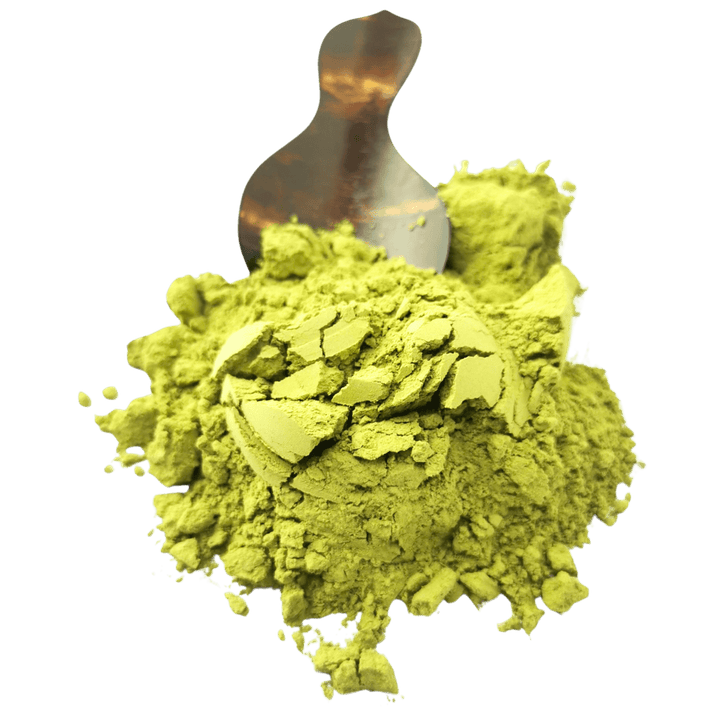
Green Tea
Decaffeinated sencha with fresh vegetal notes and a little sweetness. Brew gently with cooler water.
Have a look
Does decaf tea taste like regular tea?
It depends on the method. CO₂-treated tea keeps more of its original character because the process targets caffeine specifically and leaves carbohydrates, proteins and many aroma compounds intact. Solvent methods can strip out some flavour molecules along with the caffeine, which is why cheap decaf tea bags sometimes taste flat or 'drab', as one tea maker put it.
The starting leaf matters just as much. A high-quality whole-leaf Ceylon decaffeinated with CO₂ will taste far better than a dusty broken leaf treated the same way. Our Decaf Kyushu Sencha uses CO₂ decaffeination on a Japanese green tea, keeping those grassy, vegetal notes and a little natural sweetness. Brew it gently with 80°C water for three minutes and you would struggle to tell it from the regular version.
How much caffeine is left in decaf tea?
Not zero. The US FDA requires at least 97% of caffeine to be removed for a product to be sold as decaffeinated. Tests show remaining caffeine varies by product, ranging from roughly 2% to 10% of the original, according to UCLA Health.
A standard cup of black tea contains around 30–50 mg of caffeine. A decaf version might have 1–5 mg left. For most people cutting back, that is low enough to avoid the jitters and sleep problems. But if you need to avoid caffeine entirely, choose a naturally caffeine-free infusion instead.
| Tea type | Typical caffeine (regular) | Approx. caffeine (decaf) | Best decaf method |
|---|---|---|---|
| Black tea | 30–50 mg per cup | 1–5 mg per cup | CO₂ or solvent |
| Green tea | 20–45 mg per cup | 1–4 mg per cup | CO₂ preferred |
| Rooibos | 0 mg | N/A (naturally caffeine-free) | None needed |
CO₂ vs ethyl acetate: which decaf method is better?
Neither is dangerous, but they produce different results.
CO₂ decaffeination avoids chemical solvents entirely. The CO₂ can be reused, and the process preserves more flavour. It costs more, so you tend to find it on loose-leaf teas and premium brands. If a packet says 'CO₂ decaffeinated' or 'naturally decaffeinated with carbon dioxide', that is what you are getting.
Ethyl acetate is cheaper and widely used for tea bags. Because ethyl acetate occurs naturally in tea, some producers call this 'natural decaffeination'. It is effective at removing caffeine but can take some flavour with it. The finished tea is safe; regulations ensure only trace amounts of solvent remain, and those evaporate in hot water.
Methylene chloride is even more common in the UK but rarely mentioned on packaging. Some countries restrict imports of methylene chloride-decaffeinated products because the solvent is considered a possible carcinogen, though the FDA has deemed it safe for this use. If you want to avoid it, look for CO₂-treated tea or ask the producer.

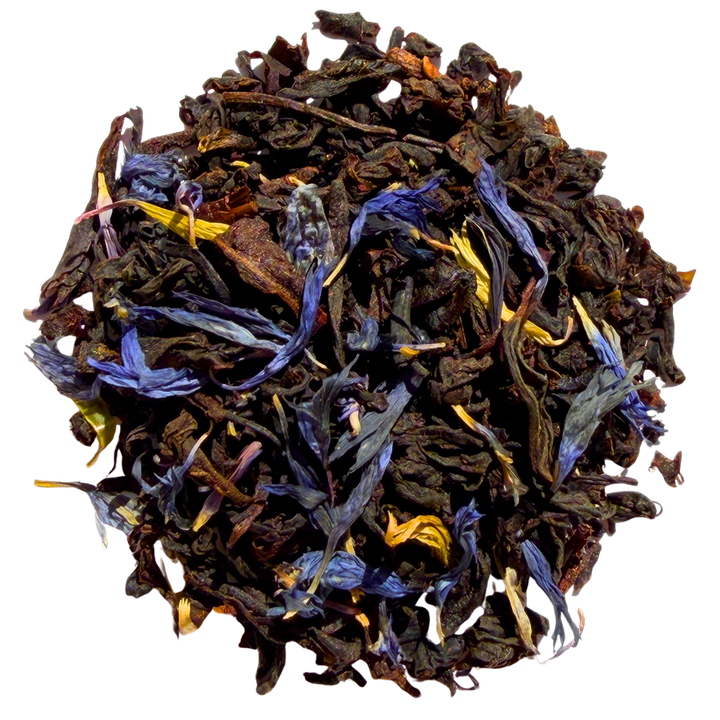
Black Tea
Bergamot and smooth black tea, with most of the caffeine removed. Still recognisably Earl Grey.
Have a lookA brief history of decaffeination
Decaffeination was invented in the early 1900s by Ludwig Roselius, a German coffee merchant who founded Café HAG. Roselius discovered that soaking green coffee beans in benzene caused caffeine to migrate into the solvent. Benzene worked, but it is a carcinogen, so the industry moved on.
By the mid-twentieth century, dichloromethane and ethyl acetate had replaced benzene. Supercritical CO₂ decaffeination arrived later, offering a solvent-free alternative for those willing to pay more. Today, the UK drinks over 100 million cups of tea daily, and a growing number of those are decaf.
Common mistakes when brewing decaf tea
Decaf tea is still tea. The same rules apply.
- Using boiling water on green tea. Green tea, decaf or not, turns bitter and harsh at 100°C. Aim for 80°C and steep for three minutes.
- Over-steeping to compensate for lighter flavour. If your cup tastes thin, use more leaf rather than a longer steep. Five minutes will pull out tannins and make the tea astringent.
- Assuming all decaf is the same. CO₂-treated loose leaf tastes better than solvent-treated dust in a bag. Read the label or ask the seller.
Decaf vs caffeine-free: what is the difference?
Decaffeinated tea has had most of its caffeine removed. Caffeine-free tea never had any to begin with. Herbal infusions like Earl Grey Rooibos are made from plants other than Camellia sinensis and contain no caffeine naturally. If you are pregnant, on certain medications, or extremely sensitive to caffeine, a naturally caffeine-free option is the safer choice.
For more on caffeine-free teas and tisanes, see our guide to caffeine-free tea.
What to try next
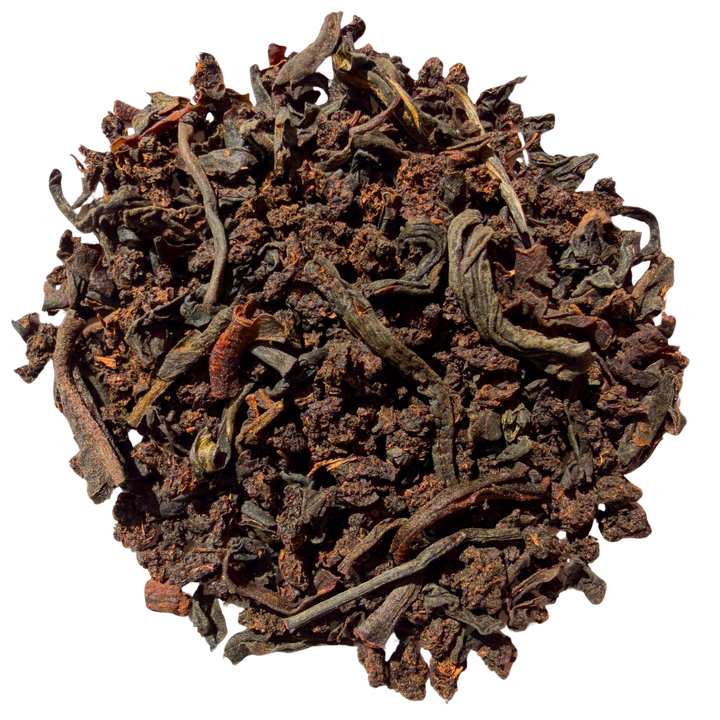
If you want a robust morning cup without the buzz, Decaf English Breakfast is the one: soft floral notes, takes milk well, and behaves like a proper breakfast tea. For afternoon sipping with a bit of character, Decaf Earl Grey brings bergamot citrus to a smooth black-tea base. And if you prefer the fresh, grassy flavour of Japanese green tea, Decaf Kyushu Sencha is CO₂-decaffeinated and best brewed gently.
Not sure which direction to go? The Tea Finder asks a few questions and points you towards teas that fit. Or browse the full decaffeinated tea collection to see what is currently available.

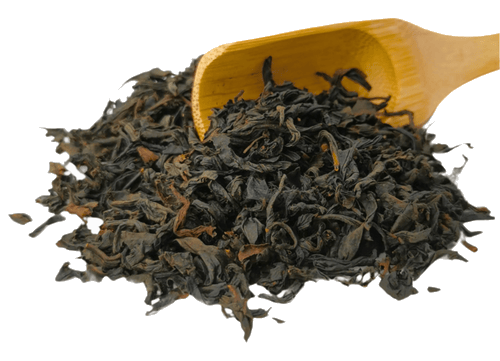
Black Tea
A medium-bodied decaf black tea with soft floral notes. Decaffeinated, rather than completely caffeine-free.
Have a lookAll our loose-leaf tea comes with free UK delivery on orders over £35, and we pack orders by hand in Huddersfield. You can also call into the shop in Byram Arcade, Huddersfield, and have a proper look at the leaves before you buy.
Frequently asked questions
How do they remove caffeine from tea?
Tea is decaffeinated using either chemical solvents (ethyl acetate or methylene chloride) or supercritical carbon dioxide. The leaves are moistened, exposed to the decaffeinating agent for one to several hours, then dried. Both methods remove most caffeine while regulations ensure any residue is negligible.
Is decaf tea completely caffeine-free?
No. Decaffeinated tea retains a small amount of caffeine, typically 2–10% of the original. The FDA requires at least 97% removal for the decaf label. If you need zero caffeine, choose a naturally caffeine-free infusion like rooibos or chamomile.
What is the CO₂ decaffeination method?
CO₂ decaffeination uses carbon dioxide under high pressure and temperature until it becomes supercritical. In this state, CO₂ penetrates tea leaves and selectively extracts caffeine without using chemical solvents. It preserves more flavour compounds than solvent methods but costs more.
Does decaf tea taste different?
It can. CO₂-decaffeinated tea keeps more of its original flavour because the process targets caffeine specifically. Solvent methods may strip some aroma compounds, leaving the tea tasting flatter. Quality of the starting leaf matters just as much as the method used.
Is decaf tea safe during pregnancy?
Decaf tea contains only traces of caffeine, but if you need to avoid caffeine entirely, a naturally caffeine-free option like rooibos is safer. Speak to your midwife or GP if you are unsure about what is right for you.
Why does my decaf green tea taste bitter?
You are probably using water that is too hot or steeping too long. Green tea, decaf or not, prefers 80°C water and three minutes. If it is still harsh, use more leaf rather than a longer steep, and check the temperature is not creeping up.
Sources: Britannica · Royal Society of Chemistry · UCLA Health