
Russian Caravan Tea: History, Smoke and How to Brew It

Russian Caravan tea is a smoky black tea blend that takes its name from the camel caravans that once hauled tea overland from China to Russia. The route covered roughly 6,000 miles and took at least half a year, crossing the Mongolian steppes before reaching European Russia. The blend itself typically combines Lapsang Souchong for smoke, Keemun or Assam for body, and sometimes oolong for sweetness. The result is a cup that smells like a distant campfire but drinks like a proper mug of tea: malty, full-bodied, with just enough smoke to make it interesting.
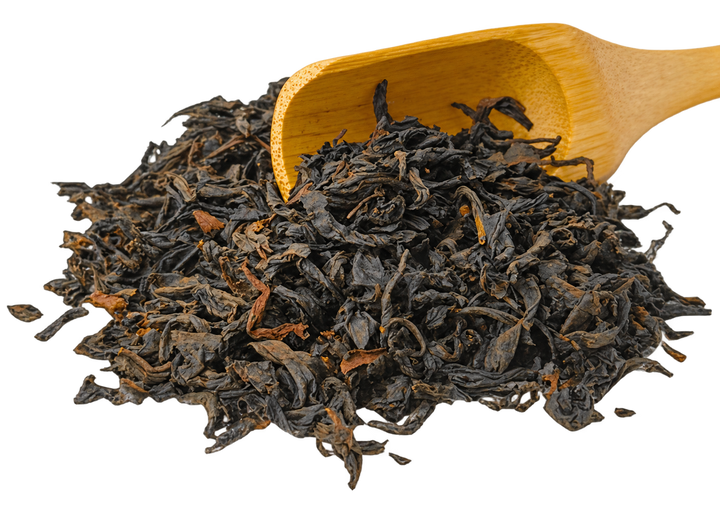
The tea in this guide: Russian Caravan from £4.55 Shop it
If you like the idea of smoky tea but find pure Lapsang Souchong a bit much, Russian Caravan is where to start. The smoke leads, but it doesn't shout.
At a glance
- A smoky black tea blend inspired by 18th-century tea caravans to Russia
- Usually combines Lapsang Souchong, Keemun, Assam or oolong
- Brew one teaspoon per cup, 100°C water, 2 to 3 minutes
- Tastes of gentle campfire smoke, malt and a clean finish
- Works black or with a modest splash of milk
- Naturally contains caffeine at a typical black tea level
What is Russian Caravan tea?
Russian Caravan is a style of blended black tea rather than a single origin. Different producers use different recipes, but most combine some or all of these: Lapsang Souchong for the smoky character, Keemun for a smooth and slightly fruity depth, Assam for malt and body, and sometimes oolong for a sweet, nutty note. According to Wikipedia's entry on Russian Caravan, blends using Yunnan black tea alongside Keemun and Lapsang produce a particularly full-bodied, copper-coloured cup with a smooth aftertaste.
Some blends omit the Lapsang entirely, which results in a much less smoky tea. Others lean heavily into the smoke. There is no single recipe that every producer follows, so it pays to check what's in the tin before you buy.
Where does the name come from?
The name refers to the overland tea trade that developed in the 18th century, when tea from China (and later India and Ceylon) was transported to Russia by camel caravan. This northern route avoided the sea voyage through tropical waters, which Russian merchants believed harmed the tea's flavour. Instead, the caravans crossed Mongolia and Siberia, a harsh trek of at least six months covering some 6,000 miles from the Chinese border to European Russia.
Russian epicures developed a belief that the cold, dry climate actually improved the tea during transit. Some even claimed that the leaves absorbed a delicate flavour from being unloaded onto snow-covered steppes at night. Whether or not the snow made any difference, the smoky character of modern Russian Caravan is often attributed to those camel-caravan campfires on the Mongolian plains.

Did the campfires really add smoke to the tea?
Probably not, or at least not in any controlled way. The romantic explanation is that tea chests absorbed the aroma of countless campfires during the crossing. The practical explanation is that Lapsang Souchong, which is dried over pine fires in Fujian province, was already smoky before it left China. Including it in the blend gives the finished tea its characteristic smokiness without relying on accidental exposure to camel-caravan fires.
Still, it's a good story, and the name stuck.

Black Tea
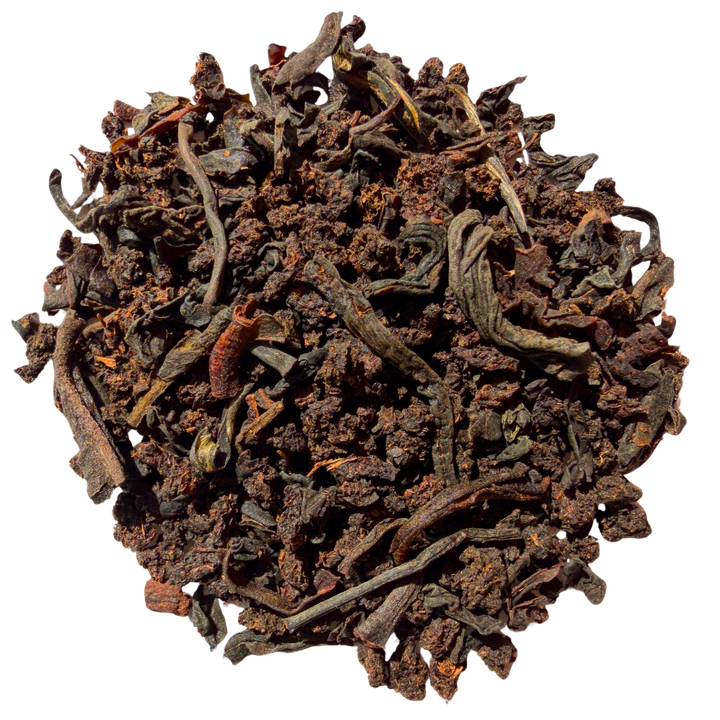
A blend of smoky Lapsang and malty black teas, with a finish that stays with you.
Have a lookWhat does Russian Caravan taste like?
Expect gentle campfire smoke to arrive first, followed by thick malt through the middle, finishing clean. The blend is often described as aromatic and full-bodied, with a sweet, malty, and smoky taste that balances depth with drinkability.
Our blend uses Lapsang, Assam and South West Indian black teas. The smoke leads but the Assam brings enough body that it still feels like a breakfast brew rather than a bonfire in a cup. If smoke in food or drink puts you off, this probably isn't the blend for you. If you're curious about smoky tea but want something approachable, this is a sensible place to begin.
Comparing Russian Caravan to similar teas
| Tea | Smoke level | Character | Best for |
|---|---|---|---|
| Russian Caravan | Medium | Malty, balanced smoke | First step into smoky tea |
| Lapsang Souchong | High | Full campfire, pine | Smoke enthusiasts |
| Keemun | Low | Smooth, fruity, wine-like | Those who want depth without smoke |
| Assam | None | Malty, brisk, strong | Milk-friendly breakfast cups |
How to brew Russian Caravan tea
For Porter Hill’s Russian Caravan, start with 2.5g—about one teaspoon—per 250ml, freshly boiled water at 100°C and a three-minute infusion. Strain completely, taste, then adjust the next cup.
- Warm your pot or mug with boiling water, then tip it out.
- Add one teaspoon of loose leaf per cup.
- Pour freshly boiled water (100°C) straight onto the leaves.
- Steep for 3 minutes.
- Strain completely and taste it black first.
If it's too smoky or dry
Shorten the next infusion by 30 seconds or so. Don't leave the leaf sitting in the pot after brewing.
If it's too light
Use a little more leaf before stretching the time. Adding leaf is usually better than over-steeping, which can bring out astringency.
Should you add milk to Russian Caravan?
Try it black first. A modest splash of milk can round the smoke and carry the malt, but a heavy pour tends to flatten both. Russian Caravan is often described as light and nutty, delicious on its own or with a splash of milk. That's about right: keep the milk restrained and the smoke will still come through.

Black Tea
Emperor Butterfly Lapsang Souchong
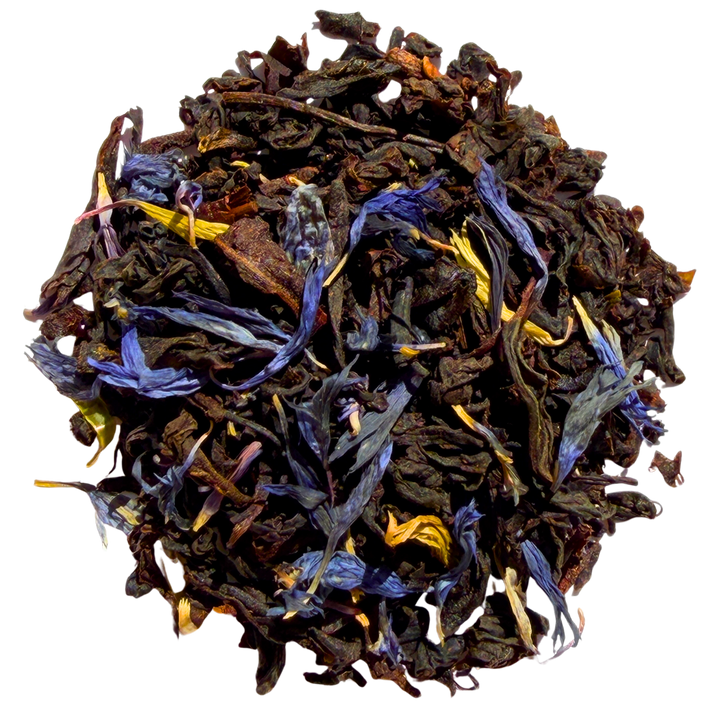
Pine smoke, a rich black tea base and a long finish. One for the campfire enthusiasts.
Have a lookCommon mistakes when brewing smoky tea
The biggest mistake is over-steeping. Smoky teas can turn bitter and harsh if left too long, especially if the blend includes Assam. Set a timer and strain completely when it goes off.
Another common problem is storing Russian Caravan alongside delicate teas. Smoky aromas travel, and if you keep an open bag of Russian Caravan next to your green teas, you may find your Sencha starts to smell like a bonfire. Keep it tightly sealed in its own corner of the cupboard.
Finally, don't assume all Russian Caravans taste the same. Some are heavily smoky, some are barely smoky at all. Ours leans into the smoke but balances it with malt. If you've tried one version and didn't like it, another blend might suit you better.
What to eat with Russian Caravan
The smoke in Russian Caravan needs food with a bit of weight to stand up to it. A savoury breakfast works well: bacon, eggs, black pudding. Buttered toast with something salty. Mature cheddar. Dark chocolate.
Dark chocolate and vanilla ice cream make an indulgent pairing, which sounds excessive but makes sense. The sweetness and fat balance the smoke. Dark chocolate-dipped apricots bring a fruity note into the mix. Avoid delicate cakes or anything too light; the smoke will overwhelm them.
Does Russian Caravan contain caffeine?
Yes. Russian Caravan contains caffeinated tea leaves. We do not have a laboratory figure for caffeine per cup; the amount changes with the leaf dose and brewing method.
If you need to avoid caffeine, Russian Caravan is not the tea for you. There's no decaffeinated version of this blend in our range. For evening cups, try something like our caffeine-free herbal teas instead.
What to try next
If Russian Caravan hits the spot, Emperor Butterfly Lapsang Souchong delivers the full campfire experience for those who want more smoke. Weaver's Blend sits halfway between breakfast malt and a lighter curl of smoke, with a Huddersfield-inspired black-and-oolong mix. For clean malt without smoke, Bukhial Assam is a proper strong brew that takes milk well.
Not sure where to start? The Breakfast Tea Tasting Box lets you compare five strong loose leaf breakfast teas side by side, including our Weaver's Blend. Or use the Tea Finder to narrow things down based on what you actually like.

Black Tea
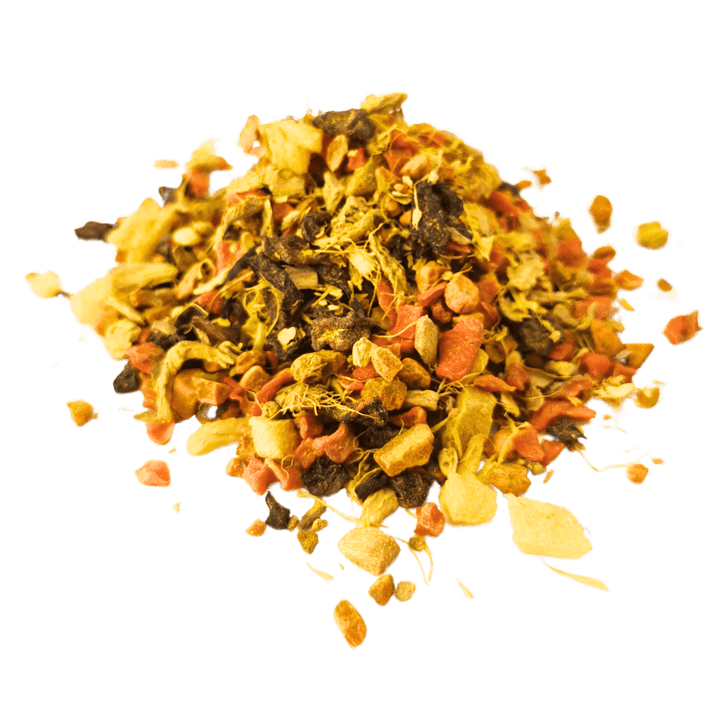
A Huddersfield-inspired blend of malty black tea, oolong and smoke. A little local character in your mug.
Have a lookOrder online for free UK delivery on orders over £35. Or call into the shop in Byram Arcade, Huddersfield, and we'll walk you through it. The kettle's always on.
Frequently asked questions
Is Russian Caravan tea very smoky?
It's smoky, but not as intensely as a pure Lapsang Souchong. The blend typically includes malty teas like Assam or Keemun alongside the smoky Lapsang, which balances the campfire character. If you find pure Lapsang overwhelming, Russian Caravan is a gentler introduction to smoky tea.
What is Russian Caravan tea made of?
Recipes vary between producers, but most Russian Caravan blends combine Lapsang Souchong for smoke with Keemun, Assam, or oolong for body and sweetness. Our version uses Lapsang, Assam and South West Indian black teas. Some blends omit the Lapsang entirely, resulting in a much less smoky cup.
Can you get Russian Caravan tea bags?
Some larger brands sell Russian Caravan in tea bags, though availability varies. We sell ours as loose leaf only, which gives you more control over the strength and lets you appreciate the mixed leaf. If you're new to loose leaf, a teapot with an infuser makes brewing straightforward.
Why is it called Russian Caravan?
The name comes from the 18th-century camel caravans that transported tea overland from China to Russia, a passage of around 6,000 miles that took at least six months. The smoky character is traditionally attributed to the tea absorbing campfire aromas during the crossing, though in practice the smoke comes from Lapsang Souchong in the blend.
How much caffeine is in Russian Caravan tea?
It contains caffeine, but we do not have a measured amount for a prepared cup. Dose, cup size and infusion time all affect the result.
Sources: Wikipedia