Izu Matcha: Taste, Pack Size and Who It Suits

Izu Matcha is for people who want powdered green tea they can whisk as a small straight bowl, soften with milk or pour over ice. The useful question is not whether matcha is fashionable. It is whether you enjoy a savoury, grassy cup, are willing to sift the powder, and want enough flavour to remain present in a latte.
The tea in this guide: Izu Matcha from £4.80 Shop it →
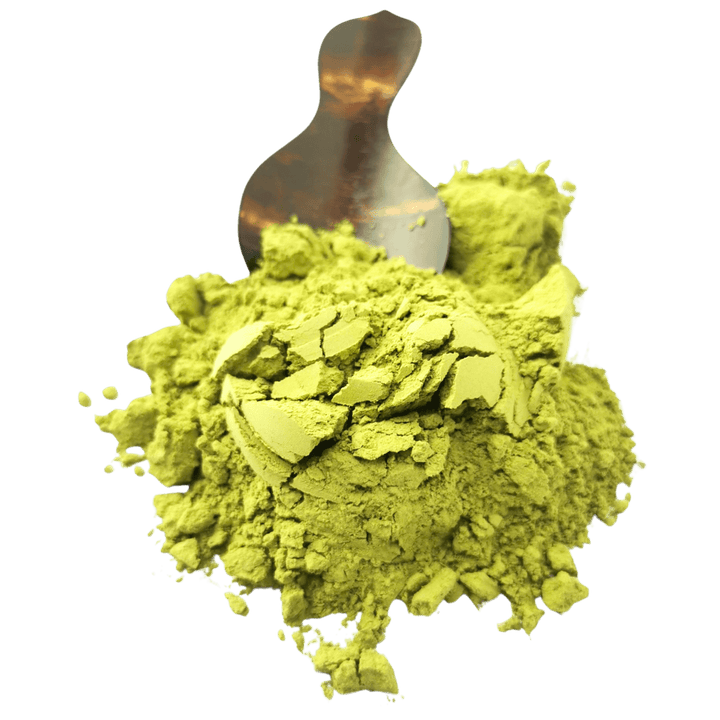
This Porter Hill matcha is described as creamy and umami-led, with green, savoury notes and a gentle sweetness. It contains one listed ingredient: 100% matcha green tea (Camellia sinensis). The current product record does not identify a cultivar, harvest date or formal grade, so this guide does not invent one.
At a glance
- Tea: finely powdered green tea, whisked rather than steeped and strained
- Taste: grassy and savoury, with creamy sweetness and clear umami
- Best for: a straight bowl, hot matcha latte or iced matcha
- Starting dose: 1–2 g
- Water: 60–80 ml at 75–80°C for a straight bowl
- Caffeine: naturally contains caffeine; no batch-specific amount is supplied
- Current packs: 25 g, 50 g, 100 g, 200 g and 500 g
What does Izu Matcha taste like?
Expect a proper green-tea character rather than vanilla sweetness: fresh grass and steamed greens on the nose, savoury umami first, then a rounder creamy note. Prepared cooler and lighter, it should feel smooth and gently sweet. Too much powder or water straight from the boil will push bitterness and thickness to the front.
A straight bowl shows those savoury notes most clearly. Milk makes the cup softer and creamier, but it also mutes the tea, so a latte may need the upper end of the 1–2 g range. If you dislike grassy or vegetal flavours even in good green tea, this is unlikely to be your best starting point.

How to make a first bowl
- Sift 1 g of matcha into a dry, wide bowl. Start light; you can move towards 2 g once you know the taste.
- Add 60–80 ml of water at 75–80°C. Freshly boiled water is too hot, so let it cool or use a temperature-controlled kettle.
- Whisk briskly in a loose W or zigzag motion until the powder is evenly suspended and a fine froth forms.
- Drink promptly. Matcha is a suspension, not a dissolved drink, and it will settle if left standing.
A bamboo whisk gives the most room to build a fine foam, but a small electric frother is a practical alternative. The sieve matters more than people expect: whisking cannot reliably rescue dry clumps once they are floating in the bowl. For a complete technique lesson, use the separate step-by-step matcha guide.

Powdered green tea
Creamy, savoury matcha for a straight bowl, hot latte or iced glass, in five current pack sizes.
Choose a packHot latte or iced matcha
For a hot latte, sift 1–2 g into a bowl or small jug, add 30–50 ml of water at 75–80°C and whisk smooth before adding 200–250 ml of steamed milk or your usual alternative. Making the concentrate first prevents pockets of dry powder. Taste before sweetening: milk already rounds the savoury edge.
For an iced drink, whisk the powder with a small splash of cool or room-temperature water, pour it over ice and add cold water or milk. Use the upper end of the dose if a large glass of milk and ice is swallowing the tea. Add more powder rather than hotter water.
Which pack should you choose?
Pack size should follow how often you drink matcha, not how ambitious you feel on the day you order. The five current pack sizes are shown below. Availability can change, so check the product page before ordering.
| Pack | Approximate 1.5 g servings | Who it suits |
|---|---|---|
| 25 g | About 16 | A first trial or occasional bowl |
| 50 g | About 33 | Regular home use without a large commitment |
| 100 g | About 66 | Frequent bowls or lattes |
| 200 g | About 133 | Several drinkers or high weekly use |
| 500 g | About 333 | Busy service or genuinely heavy use |
Those serving counts are simple estimates at 1.5 g each, not a promise that every drink uses the same dose. If you use 2 g for lattes, you will make fewer. A smaller pouch is usually the sensible first purchase because opening and closing a large bag repeatedly exposes more powder to air and kitchen aromas.
Storage that protects the flavour
Close the pouch firmly, use a clean dry spoon and keep it cool, dry and away from light, heat and strong smells. Do not leave it beside coffee, spices or a steamy kettle. If you refrigerate an airtight pack, let the closed pack come towards room temperature before opening so condensation does not reach the powder.
The colour, aroma and texture are better buying signals than a sweeping “ceremonial” claim. This product record does not supply a harvest date or formal grade, so the honest approach is to follow the current preparation guidance, keep the pouch well sealed and judge the cup you make.

Who should choose it — and who should not?
Choose Izu Matcha if you enjoy savoury green tea, want one powder for straight bowls and milk drinks, and do not mind a brief sift-and-whisk routine. The 25 g pack gives you a low-commitment way to learn whether the taste and method suit you.
Choose something else if you want leaves you can simply steep and remove, dislike grassy flavours or need a caffeine-free evening drink. Genmaicha gives you a more conventional green-tea infusion with toasted rice, while the caffeine-free tea collection is the better route later in the day.
Frequently asked questions
Is Izu Matcha a single-ingredient tea?
Yes. The current Porter Hill ingredient field lists 100% matcha green tea (Camellia sinensis), with no sweetener or milk powder.
Does it contain caffeine?
Yes. Matcha naturally contains caffeine because it is made from tea leaf and the powder is consumed in the drink. The current product record does not give a measured amount per serving, so this guide does not claim one.
Do I need a bamboo whisk?
No, although it is the traditional tool and makes a fine foam easier. A small handheld frother can make a smooth everyday cup. Sift first whichever tool you use.
Why does my matcha taste bitter?
Check the water temperature and dose first. Use 75–80°C water, begin with 1 g and increase only if the cup tastes too light. Very hot water and too much powder are common causes of a harsh first bowl.
Is this the same as steeped green tea?
No. Matcha is whisked into water and consumed as a suspension. If you want leaves that can be infused and removed, choose a conventional green tea such as Genmaicha.
Product facts checked 29 September 2026 against the current Porter Hill product, variant, media and custom-data records. Preparation was cross-checked against the Japanese Tea Association’s English matcha guidance. Availability and pack choices can change; the product page is the buying source of truth.