How to Make Matcha: A Step-by-Step Guide for Home

If your first matcha was bitter, grainy and vaguely reminiscent of lawn clippings, you probably didn't have bad powder. You just made it the wrong way. Matcha is finely ground green tea whisked directly into water, so the method matters more than with most drinks. Get it right and you have a smooth, lightly frothy bowl with a savoury, umami depth and gentle sweetness. Get it wrong and you have lumps. Here is how to make matcha at home, step by step, whether you own a bamboo whisk or not.
The tea in this guide: Izu Matcha from £4.40 Shop it →
The short answer: sift 1.5 to 2 grams of matcha into a warm bowl, add 70 ml of water at around 75 to 80°C, and whisk briskly in a W or zigzag motion until the surface is covered in fine foam. That is the traditional method, and it takes about three minutes once the kettle has boiled.
At a glance
- Matcha is powdered green tea whisked into water, not steeped and strained.
- Sift first to break up clumps and get a smoother texture.
- Use water at 75 to 80°C, not boiling, to avoid bitterness.
- Whisk in a W motion, not circles, until a fine froth forms.
- A bamboo whisk is traditional; a handheld milk frother works too.
- For lattes, whisk the powder with a splash of water first, then add milk.
What is matcha, exactly?
Green tea ground into a very fine powder. The leaves are shade-grown for up to two weeks before harvest, which increases chlorophyll and gives the powder its vivid green colour. Because you whisk the whole leaf into water rather than steeping and straining, you drink the suspension itself. That means texture is half the pleasure: lumps feel gritty, and a smooth froth is what you are after.
The taste is savoury and green, with a gentle bitterness and a creamy, umami finish when made well. Matcha has been part of Japanese tea culture since the 12th century, when the Zen monk Eisai brought it from China and introduced it to Kyoto. By the 15th century it was central to ruling-class hospitality and the formal tea ceremony.

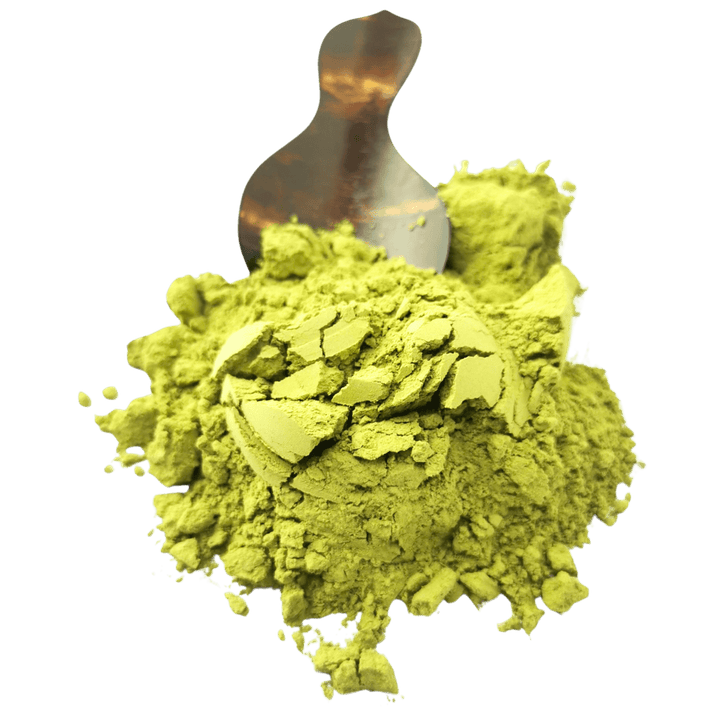
Matcha
Finely powdered green tea for whisking, iced drinks or a matcha latte. Sift first to keep things smooth.
Have a lookHow to prepare matcha: the classic method
This is the traditional way, using a bamboo whisk (chasen) and a wide bowl (chawan). It takes about five minutes from kettle to cup.
What you need
- 1.5 to 2 grams of matcha (roughly one level teaspoon, but weighing once helps you learn)
- 70 ml of water, previously boiled and cooled to 75 to 80°C
- A small sieve or matcha sifter
- A bamboo whisk or handheld frother
- A wide bowl or mug
Step by step
- Warm the bowl. Pour in some hot tap water, swirl it around, then tip it out. This keeps the matcha warm after you pour in the water.
- Sift the powder. Put 1.5 to 2 grams of matcha into a small sieve and press it through into the dry bowl. This breaks up clumps and gives you a head start on smoothness. Sifting in advance makes dissolving easier and produces a softer, frothier drink.
- Add the water. Pour in 70 ml of water at about 75 to 80°C. If you don't have a thermometer, let the kettle sit for a minute or two after boiling, or pour boiling water into a measuring jug to cool it. Boiling water scorches the powder and makes it taste harsh.
- Whisk briskly. Hold the whisk lightly and move it back and forth in a W or zigzag motion, using your wrist rather than your arm. Avoid stirring in circles. Whisk until the surface is covered in fine, even foam, then slow down and sweep across the top to pop any large bubbles. The whole process takes 15 to 20 seconds of vigorous whisking.
- Drink immediately. The powder settles quickly, and the taste and texture are best fresh.

How to make matcha without a whisk
No bamboo whisk? A handheld electric milk frother does a decent job. Sift the powder as usual, add the water, and froth until smooth. The foam may be slightly coarser than with a chasen, but it gets you a good cup without ordering specialist kit.
A small jar with a tight lid also works in a pinch: sift the matcha in, add the water, seal it and shake vigorously for 20 to 30 seconds. You won't get the same fine froth, but you will get a smooth drink without lumps. A fork is the last resort. It takes longer and produces less foam, but if you are in a holiday cottage with no equipment, it will do.
Water temperature: why it matters
Matcha is sensitive to heat. Boiling water extracts too much bitterness and scorches the delicate green taste. Tea experts generally recommend water below boiling: NBC News reports recommendations ranging from 65°C (150°F) to around 80°C (175°F). For most people, 75 to 80°C is a good target.
If you don't own a variable-temperature kettle, here is a simple trick: pour boiling water into a room-temperature measuring jug. Each transfer between vessels lowers the temperature by roughly 10°F (about 5 to 6°C). Two transfers should get you into the right range. Or just let the kettle sit for a minute or two after it clicks off.
How much matcha to use
| Drink | Matcha | Water | Notes |
|---|---|---|---|
| Traditional bowl | 1.5–2 g | 70 ml at 75–80°C | Whisk until frothy |
| Lighter cup | 1 g | 80 ml at 75–80°C | Less intense, good for beginners |
| Hot latte | 1.5–2 g | 30–50 ml, then 200 ml milk | Whisk with water first |
| Iced matcha | 2–3 g | 50 ml cool water, then ice and cold milk | Double the powder for iced drinks |
If your first bowl tastes overwhelming, try 1 gram next time. Too much powder for the water gives you a thick, intensely savoury hit that can feel like a mouthful rather than a drink.
Common mistakes (and how to avoid them)
Skipping the sift
Matcha clumps easily. Ten seconds with a sieve makes a noticeable difference to the texture. If you can't be bothered, at least press the powder through with the back of a spoon before adding water.
Using boiling water
This is the most common cause of bitter matcha. Let the kettle cool, or transfer the water between vessels to bring the temperature down.
Stirring in circles
Circular stirring doesn't suspend the powder evenly or build foam. The W or zigzag motion is faster and more effective.
Leaving it to sit
Matcha settles within a minute or two. Make it just before you drink it, not the night before.

Matcha latte recipe
A latte softens the savoury edge and adds creaminess. The key is whisking the powder with a splash of water first, before adding milk. This stops lumps forming.
- Sift 1.5 to 2 grams of matcha into a bowl or jug.
- Add 30 to 50 ml of warm water (not boiling) and whisk until completely smooth.
- Pour in 200 to 250 ml of steamed milk or your usual alternative. Oat, almond and coconut all work well.
- Stir gently and taste before sweetening. The milk changes the balance, and you may not need syrup at all.
For an iced latte, whisk the powder with cool water, pour over ice and top up with cold milk. It is a good summer drink if you like things less sweet than the usual coffee-shop offering. For more ideas, see our matcha latte recipe.
Does matcha have caffeine?
Yes. Matcha contains natural caffeine because you are consuming the whole leaf rather than an infusion. Estimates vary: one source puts it at 15 to 30 mg per cup, while another suggests 40 to 90 mg per teaspoon. The exact amount depends on the grade, the quantity you use and how you prepare it. A typical serving (1.5 to 2 grams) is generally less than a cup of coffee, which contains around 80 to 120 mg.
Matcha also contains L-theanine, an amino acid found in tea leaves. Some people find the combination of caffeine and L-theanine gives a gentler, more sustained alertness than coffee, though the research is still limited. If you want to compare the two, we have a fuller breakdown in matcha vs coffee.
How to store matcha
Keep it cool, dry and away from light, heat and strong smells. Close the pack firmly after each use and scoop with a dry spoon. Matcha is at its best in the first few weeks after opening, so a small pack is sensible if you are not sure you will drink it daily. Unopened matcha can be stored in the freezer for longer periods, but once opened, the fridge is fine as long as the container is airtight.
What to try next
If you are new to matcha, the Yoko Traditional Matcha Set includes a bowl, bamboo whisk and scoop in one box, so you are not piecing together kit from three different orders. Bring your own Izu Matcha and you are ready to start. If you already have a bowl and just need the whisk, the Bamboo Matcha Whisk is the one to grab.
For a creamy, floral tea that is easier to brew, try Quanzhou Milk Oolong: a gentle steep with caramel sweetness, no sifting or whisking. If you want something caffeine-free for evenings, the Caffeine-Free Tasting Box lets you try five herbal teas side by side. Not sure where to start? The Tea Finder will point you in the right direction.

Teaware
A matcha bowl, bamboo whisk and scoop together in one set. Bring the matcha; the tools are here.
Have a lookOrder loose leaf online with free UK delivery on orders over £35, or call into the shop in Byram Arcade, Huddersfield, if you want to see the kit in person. We pack orders by hand in Huddersfield.
Frequently asked questions
Is matcha healthy?
Matcha contains antioxidants, caffeine and L-theanine. Some studies have looked at potential effects on metabolism and heart health, but the evidence is not strong enough to make specific claims. Tea is a drink, not a medicine. If you have questions about caffeine or any health condition, speak to your GP or pharmacist.
Can you make matcha in a mug?
Yes, as long as the mug is wide enough to let you whisk properly. A shallow bowl gives you more room to move the whisk, but a wide mug works fine if that is what you have. Avoid narrow travel mugs; there is not enough space to build foam.
What are the benefits of drinking matcha?
Matcha is a way to enjoy green tea with a different texture and flavour. Because you consume the whole leaf, you get the full range of compounds in the tea. Whether that translates to measurable health benefits depends on many factors. The research is ongoing, and we would not make promises tea cannot keep.
Do you need a matcha whisk?
A bamboo chasen gives the best froth and is traditional, but a handheld electric frother or even a jar with a lid will get you a smooth drink. The whisk is pleasant to use and lasts a long time if you rinse it after each use.
Why is my matcha bitter?
Usually the water was too hot, or you used too much powder. Try letting the kettle cool for a minute or two, and start with 1 to 1.5 grams until you find your preferred strength. Sifting also helps, as does using decent-quality powder rather than the cheapest option on the shelf.
How much caffeine is in matcha tea?
Estimates range from about 15 to 90 mg per serving, depending on how much powder you use and the grade. A typical 1.5 to 2 gram serving is generally less than a cup of brewed coffee, but more than a standard cup of steeped green tea.
Sources: Popular Science · NBC News · Love and Lemons