Matcha vs Coffee: Caffeine, Taste and Cost per Cup Compared

Standing in front of the kettle at seven in the morning, you face a small but daily question: matcha or coffee? One is a bright green powder whisked into froth; the other is roasted beans brewed a dozen different ways. Both contain caffeine. Both have their loyalists. And both get talked about online as though picking the wrong one might ruin your entire week.
The tea in this guide: Izu Matcha from £4.80 Shop it →
The honest answer to matcha vs coffee is that neither is automatically better. They taste completely different, deliver caffeine in different amounts depending on how you make them, and suit different moods and mornings. This guide puts the numbers side by side, explains the real flavour gap, works out what each costs per cup, and gives you a practical plan if you want to try switching.
At a glance
- Coffee generally contains more caffeine: roughly 95 to 165 mg per 8 oz cup versus 38 to 88 mg for matcha, depending on dose and preparation.
- Matcha tastes grassy, umami-rich and vegetal; coffee tastes roasted, with notes from fruity to bitter.
- Matcha contains L-theanine alongside caffeine; some people find it gives a steadier energy, though research is still limited.
- Cost per cup depends on quality: budget matcha and mid-range coffee come out similar at around 30 to 50p.
- Neither is a miracle drink. Both are just beverages you might enjoy.
How much caffeine in matcha vs coffee?
This is the question people search most, and the answer depends entirely on how much powder or coffee you use and how you brew it. A small espresso and a large cafetière are not the same drink, and neither is 1 g of matcha whisked in 70 ml compared to 2 g in a latte.
According to GoodRx, an 8 oz cup of brewed coffee typically contains 95 to 165 mg of caffeine, while an 8 oz cup of matcha usually contains 38 to 88 mg. Verywell Health gives a similar range: around 95 mg for a standard cup of coffee and 40 to 90 mg for a 2 g serving of matcha powder.
The variation in matcha comes from the powder grade, the age of the tea leaves, and how much you actually scoop. A heaped teaspoon is not the same as a level one. Coffee varies with bean origin, roast level, grind size and extraction time. So when you see a neat chart claiming matcha has 'half the caffeine', take it with a pinch of salt.

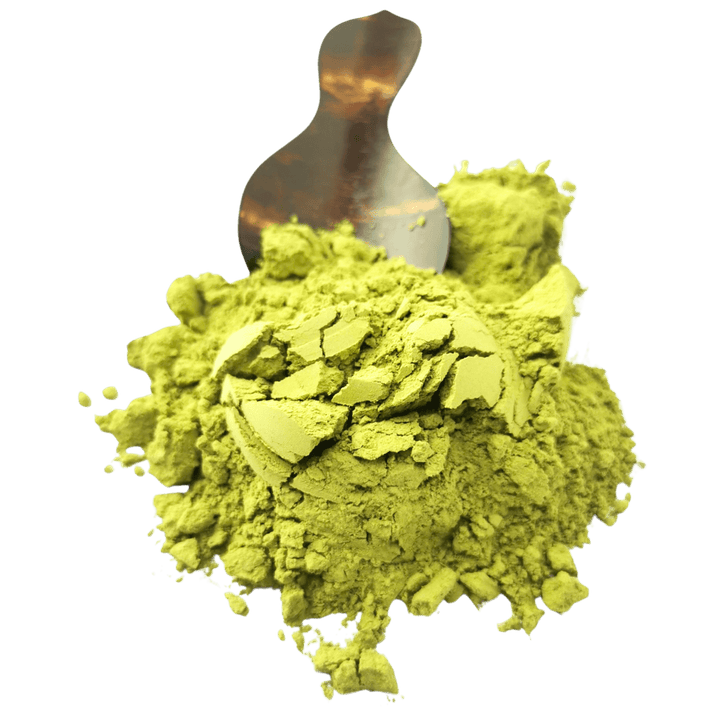
Matcha
Finely powdered green tea for whisking, iced drinks or a matcha latte. Sift first to keep things smooth.
Have a lookCaffeine in matcha vs espresso
Espresso is concentrated, so a single shot (about 30 ml) packs roughly 63 mg of caffeine into a small volume. A double shot hits around 126 mg. A standard bowl of matcha made with 2 g of powder sits in the 40 to 90 mg range, so it can overlap with a single espresso but usually falls short of a double.
If you are used to a double-shot flat white every morning, switching to matcha will mean less caffeine unless you use more powder. One writer for Healthline who normally drank a double espresso (about 254 mg) switched to 2 tsp of matcha (around 140 mg) and described feeling tired on day one, though without the usual withdrawal headache.

The caffeine numbers: a comparison table
| Drink | Typical serving | Caffeine (mg) |
|---|---|---|
| Brewed coffee | 8 oz (240 ml) | 95–165 |
| Single espresso | 30 ml | ~63 |
| Double espresso | 60 ml | ~126 |
| Matcha (2 g powder) | 8 oz (240 ml) | 40–90 |
| Matcha (1 g powder) | 70–80 ml | 20–45 |
These are ballpark figures. Your actual cup depends on your beans, your powder and your method. The only way to know for certain is to measure your dose and look up the caffeine content for that specific product if available.
Does matcha give you calmer energy?
You will hear this claim everywhere: matcha provides calm, focused energy without the crash. The theory is that L-theanine, an amino acid found in green tea, softens caffeine's stimulating effects. U.S. News reports that L-theanine has been studied for mental focus, sleep and relaxation, and that some people experience a more sustained energy from matcha than from coffee.
However, the research is not settled. Studies have looked at theanine combined with caffeine, but more work using actual tea beverages at realistic doses is needed. Your experience will depend on your own sensitivity, how much you use, what you have eaten, and how well you slept. Some people swear by matcha's steadier buzz; others notice no difference at all.
The jitters question
Coffee's faster caffeine hit can worsen anxiety or cause jitteriness in sensitive people. Matcha's L-theanine may help some drinkers avoid that edge. But if you load your matcha latte with three teaspoons of powder, you might find yourself just as wired as after a strong coffee. Dose matters more than the drink itself.
What does matcha taste like vs coffee?
They taste nothing alike, and this is where many would-be switchers come unstuck. Coffee is roasted, with flavours ranging from bright and fruity to deep, chocolatey and bitter depending on the beans. Matcha is vegetal, grassy, umami-rich and slightly sweet if it is good quality. GoodRx describes matcha as 'earthy' or 'grassy', while coffee is more acidic and bitter.
If you expect matcha to taste like green coffee, you will be disappointed. If you approach it as something entirely different, a savoury, frothy drink with a vegetal depth, it becomes easier to appreciate. Good matcha should not taste bitter; if yours does, it may be low quality or you have used water that is too hot.

How to make matcha vs coffee
Coffee preparation is familiar: espresso machine, cafetière, filter, AeroPress, moka pot. Each method changes the flavour and strength, but the basic idea is the same: hot water extracts flavour from ground beans.
Matcha is different. You are not steeping leaves; you are whisking powder directly into the liquid and drinking the whole leaf. Here is a basic method:
- Sift 1 to 2 g of matcha powder into a bowl or wide mug to break up lumps.
- Add 60 to 80 ml of water at around 70 to 80°C (not boiling, which makes it bitter).
- Whisk briskly in a zigzag motion with a bamboo whisk until you have a light froth, about 15 to 20 seconds.
- Drink straight, or pour over milk for a latte.
The bamboo whisk is traditional and does a better job than a spoon or fork. If you skip sifting, you will get lumps. If you use boiling water, you will get bitterness. It takes about a minute once you have done it a few times. For a more detailed walkthrough, see our guide on how to make matcha.
Cost per cup: matcha vs coffee
This depends heavily on quality. Budget matcha from a supermarket might cost £10 for 30 g, giving you 15 to 30 cups at 1 to 2 g per serving: roughly 33 to 67p per cup. Higher-grade ceremonial matcha can cost £25 or more for 30 g, pushing the price towards £1 or more per cup.
Coffee varies just as much. A 250 g bag of decent beans at £8 to £12 makes roughly 15 to 20 cups if you use 12 to 15 g per brew: around 40 to 80p per cup. Cheaper supermarket coffee brings that down; specialty single-origin beans push it up.
If you are switching from a daily coffee-shop habit (£3 to £4 per cup), making either drink at home will save you money regardless of which you choose.
Common myths about matcha and coffee
'Matcha is healthier than coffee'
Both drinks have been studied for various compounds: coffee for chlorogenic acid, matcha for catechins like EGCG. Neither is a miracle cure. Both are low in calories when served plain. Any claimed benefits depend on dose, individual response, and what else you eat and drink. Treat them as enjoyable beverages, not medicine.
'Matcha has half the caffeine of coffee'
Only if you compare specific serving sizes. A strong matcha latte with 3 g of powder could match or exceed a weak filter coffee. The dose you use determines the caffeine you get.
'Switching will be easy'
If you are used to 200+ mg of caffeine from coffee each morning, matcha at standard doses may feel like a drop. The Healthline writer mentioned above reported tiredness on day one. Expect an adjustment period of a few days to a week if you are cutting caffeine significantly.
How to switch from coffee to matcha
If you want to try matcha instead of coffee, here is a practical approach:
- Start by replacing one coffee with a matcha latte, keeping your other coffees for the first week.
- Use 2 g of matcha (about 1 tsp) whisked with hot water, then add your usual milk.
- If you feel under-caffeinated, increase the powder to 2.5 or 3 g.
- After a week, drop another coffee if you want to. There is no rule that says you cannot drink both.
Some people find the grassy flavour takes getting used to. Adding a little honey or maple syrup can help during the transition, though it does add sugar. If you genuinely do not like the taste after a fair try, you do not have to force it. Coffee is not poison.
What to try next
If you are curious about matcha, Izu Matcha is a finely powdered green tea that whisks into a smooth bowl or latte. Pair it with a bamboo whisk to get the froth right, or pick up the Yoko Traditional Matcha Set if you want bowl, whisk and scoop together.
For coffee, Dark Woods Good Morning Sunshine is a smooth, sweet blend for that first cup. If you prefer something lighter, Danelaw Fjødr has citrus and juicy fruit notes.
Not sure where to start? The Tea Finder asks a few quick questions and points you in the right direction. Or try the Green Tea Tasting Box to compare five loose leaf green teas side by side before committing to matcha.

Teaware
A matcha bowl, bamboo whisk and scoop together in one set. Bring the matcha; the tools are here.
Have a lookWe offer free UK delivery on orders over £35. If you are in Huddersfield, call into the shop in Byram Arcade and we will talk you through what suits your morning.
Frequently asked questions
What has more caffeine, matcha or coffee?
Coffee generally has more caffeine per serving. An 8 oz cup of brewed coffee contains roughly 95 to 165 mg, while the same volume of matcha made with 2 g of powder contains 40 to 90 mg. However, the exact amount depends on how much powder or coffee you use and how you prepare it.
Is matcha better than coffee for anxiety?
Some people find matcha's combination of caffeine and L-theanine produces a steadier energy with less jitteriness. Research on this is limited, and individual responses vary. If coffee makes you anxious, matcha might be worth trying, but it is not a guaranteed fix.
Does matcha have more caffeine than espresso?
A single espresso shot contains around 63 mg of caffeine. A standard matcha serving (2 g powder) contains 40 to 90 mg, so they can overlap. A double espresso (around 126 mg) will usually contain more caffeine than a typical bowl of matcha.
Why is matcha better than coffee?
It depends on what you mean by 'better'. Matcha has L-theanine, which some people find gives a calmer energy. It is also less acidic, which may suit sensitive stomachs. But coffee has its own compounds and a flavour many people prefer. Neither is objectively superior; it comes down to taste and how your body responds.
How much does matcha cost compared to coffee?
Both vary with quality. Budget matcha costs roughly 30 to 70p per cup at home; higher grades can exceed £1. Decent coffee beans work out to around 40 to 80p per cup. Both are far cheaper than buying from a coffee shop.
Can I drink matcha every day?
There is no reason you cannot, provided you are comfortable with the caffeine intake. Most healthy adults can consume up to 400 mg of caffeine daily without issues, though sensitivity varies. If you are pregnant or have a health condition, check with your GP or midwife.
Sources: GoodRx · Verywell Health · Healthline · U.S. News