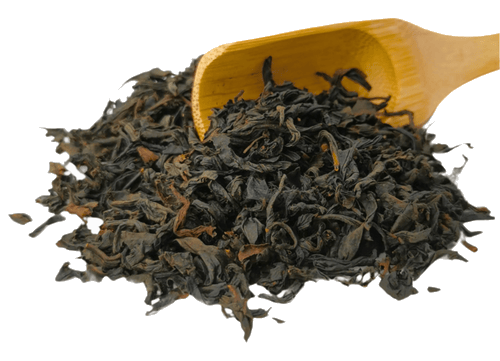
Moringa Tea: Taste, Brewing and What the Research Actually Says

Moringa tea is a caffeine-free herbal infusion made from the dried leaves of the Moringa oleifera tree. It tastes mild, earthy and gently green, somewhere between spinach and nettle with a light finish that some describe as slightly nutty. If you have tried matcha or nettle tea, you are in the right neighbourhood. It brews to a pale green or yellow-green cup, has no bitterness to speak of, and takes well to honey or lemon if you fancy it.
The tea in this guide: Rooibos from £3.85 Shop it →
The moringa tree grows fast in tropical climates and has been used in cooking and traditional preparations across South Asia and Africa for centuries. The leaves are the bit you drink. They can be steeped whole, like any other herbal tea, or ground into a powder and whisked into water. Either way, it makes a gentle cup for any time of day, including evenings when caffeine is off the table.
Below is everything worth knowing: what moringa actually is, what it tastes like, how to brew it, what the research has looked at, and a few myths that need clearing up.
At a glance
- Moringa tea is naturally caffeine-free, made from dried Moringa oleifera leaves
- Flavour is mild, earthy, gently green and slightly vegetal with little bitterness
- Brew whole leaf at 80 to 85°C for 5 to 7 minutes; powder at 70 to 80°C, stirred
- Native to northern India and now grown across tropical Asia, Africa and Central America
- Research is ongoing and mostly early-stage; moringa is a drink, not a medicine
What is moringa?
Moringa oleifera is a fast-growing tree native to the sub-Himalayan regions of northern India, including Rajasthan, Uttar Pradesh and the Himalayan foothills. It goes by several names. The horseradish tree comes from its sharp-tasting roots. The drumstick tree refers to its long, thin seed pods. And the 'miracle tree' label has been applied because of its traditional uses and rapid growth, though that name promises rather more than any plant can deliver.
The tree can reach five metres in its first year and eventually grow to ten or twelve metres. It tolerates drought and poor sandy soil, which makes it a valuable crop in regions where other plants struggle. Every part of the tree has been used in some way, but the leaves are what end up in your cup.
Where does moringa come from?
Originally from India, moringa is now cultivated across the Philippines, Indonesia, sub-Saharan Africa, Central America and the Caribbean. Traditional practitioners in South Asia have used moringa in cooking and preparations for centuries. The leaves turn up in curries, soups and stews across the region, though in the UK you are more likely to encounter them dried for tea or ground into powder for smoothies.

What does moringa tea taste like?
Mild is the word that keeps coming up. Moringa tea has an earthy, green, vegetal character, a bit like spinach or a gentle nettle. There is a light finish with just a hint of bitterness, but nothing that needs sugar to rescue it. The body is light to medium, with little astringency. Some people detect faint nutty undertones, which is why it is sometimes compared to a cross between matcha and nettle.
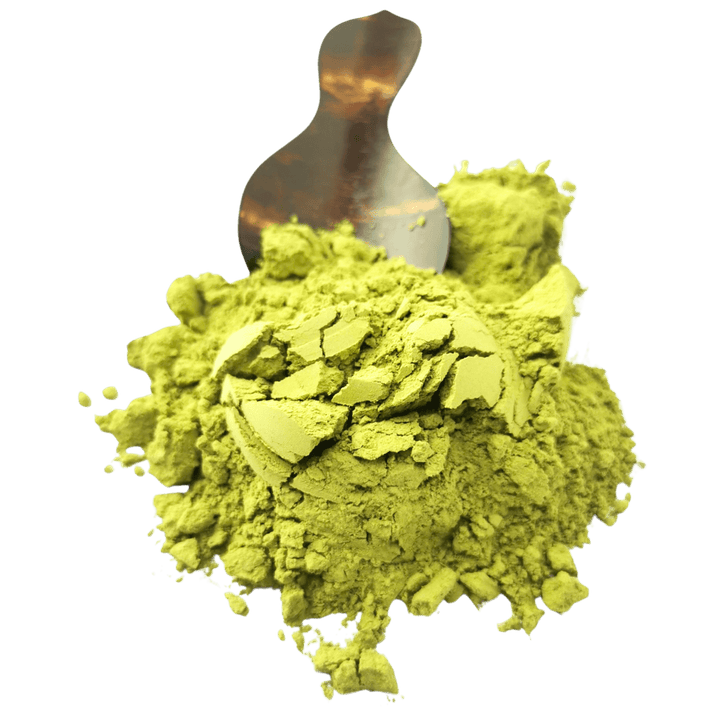
Brewed from whole leaf, the colour is pale green to yellow-green. Powder gives you something deeper and more opaque, closer to the vivid green of matcha. Either way, it is not a flavour that shouts. If you are expecting the robust punch of a breakfast tea or the tartness of hibiscus, moringa will feel quiet by comparison. That gentleness is either its appeal or its limitation, depending on what you are after.
How do you brew moringa tea?
Whole leaf and powder need slightly different treatment. Here is how to get the best from each.
Brewing whole leaf moringa
- Use 1 to 2 teaspoons (roughly 2 to 4 grams) of dried moringa leaves per 250ml cup.
- Heat fresh water to 80 to 85°C. If you do not have a thermometer, let a just-boiled kettle sit for two or three minutes.
- Pour the water over the leaves and steep for 5 to 7 minutes. It can go up to 10 minutes without turning unpleasant.
- Strain and drink plain, or add honey and a squeeze of lemon if you like.
Whole leaves can be re-steeped once, though the second cup will be lighter.
Brewing moringa powder
Use half to one teaspoon (1 to 2 grams) per 250ml. The water should be a bit cooler, around 70 to 80°C, because hotter water may affect nutrient potency. Stir or whisk thoroughly. The powder will not dissolve completely; it settles, so you drink the leaf material too. That is technically a suspension rather than an infusion, if you want to be precise about it.
| Format | Amount per 250ml | Water temp | Steep time |
|---|---|---|---|
| Whole leaf | 1–2 tsp (2–4g) | 80–85°C | 5–7 min |
| Powder | ½–1 tsp (1–2g) | 70–80°C | Stir, drink |

Rooibos Tea
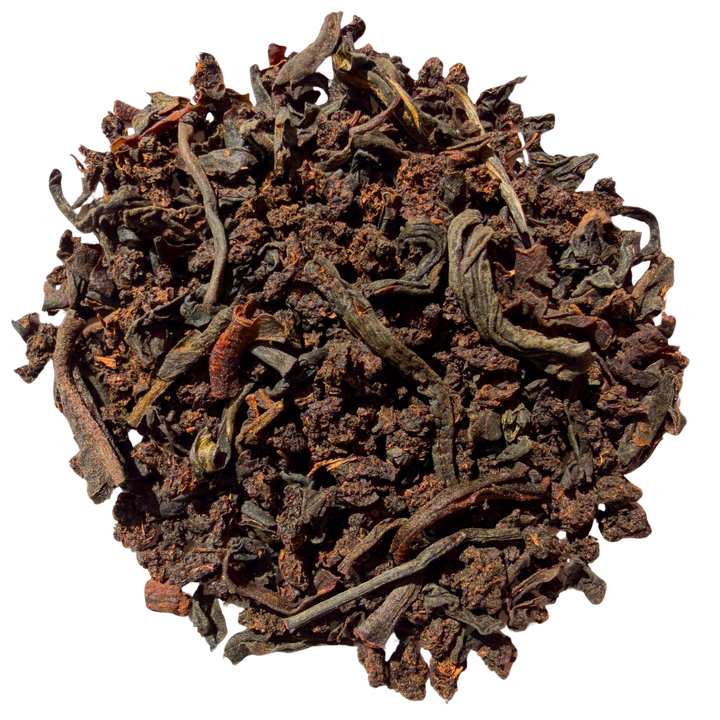
Plain red rooibos makes a mellow amber cup with woody sweetness. Naturally caffeine-free.
Have a lookDoes moringa tea have caffeine?
No. Moringa is completely caffeine-free, which makes it a good option for evenings or for anyone avoiding caffeine altogether. For comparison, black tea contains roughly 40 to 70mg of caffeine per cup and green tea around 20 to 45mg. Moringa, like chamomile and rooibos, contains none at all.
What does the research say about moringa?
Moringa has attracted attention from researchers, but most of the science so far consists of laboratory studies or animal research. Human trials are limited, and results have been mixed. Here is an honest summary of where things stand.
Laboratory and animal findings
In animal studies, moringa extract has been associated with improved heart health markers, including reduced cholesterol and less arterial plaque formation. One summary noted effects similar to a statin drug in rodents. Other animal studies have looked at blood glucose regulation, brain chemistry changes relevant to Alzheimer's research, and the effect of moringa on pancreatic cancer cells in the lab.
A 2022 mouse study found that applying moringa seed oil reduced skin inflammation in mice with ear edema. Laboratory research identified moringa compounds active against Staphylococcus aureus and E. coli, two foodborne pathogens.
Human findings
Human evidence is thinner. One study of 40 people with type 2 diabetes found only minimal changes in blood sugar, blood pressure and cholesterol after taking moringa leaves. A 2021 study gave healthy participants 120 grams of cooked moringa leaves daily for one week and observed lower post-meal blood pressure compared to a control group. Both studies were small, and larger trials are needed before drawing conclusions.
What this means for you
Moringa is a drink, not a medicine. The research is interesting but early-stage, and what happens in a petri dish or a mouse does not always translate to humans drinking tea. If you have questions about blood sugar, cholesterol or any health condition, speak to your GP. We sell tea because we like the taste and the ritual, not because it fixes anything.

Letterbox gift
Five caffeine-free herbal teas for evenings, after dinner or all day: mint, chamomile, fruit and ginger.
Have a lookCommon myths about moringa tea
The word 'miracle' has been stuck to moringa more times than is helpful. Here are a few claims that need qualifying.
'Moringa tea is packed with nutrients'
Dried moringa leaves do contain calcium, iron, vitamin A and protein in reasonable amounts when you eat them. But a typical tea uses only 2 to 5 grams of dried leaf, and water-based infusions do not efficiently extract fat-soluble vitamins like A and E. The per-cup mineral intake is modest. If you want the full nutritional profile, you would need to consume the powder itself, not just steep leaves and strain them out.
'Moringa gives you energy without caffeine'
Some sources claim moringa provides a sustained energy boost despite containing no caffeine. This may relate to its nutrient content rather than any stimulant effect, but the mechanism is not well established in humans. If you feel perked up after drinking it, that is fine, but do not expect it to replace your morning cuppa.
'Moringa cures or prevents diseases'
It does not. Laboratory findings are not the same as clinical proof. Be wary of any source that claims moringa treats diabetes, cancer, heart disease or anything else. Those claims are unsupported by the current evidence and, frankly, irresponsible.
How does moringa compare to other teas?
If you are choosing between caffeine-free options, here is how moringa stacks up against a few common alternatives.
| Tea | Caffeine | Flavour | Best for |
|---|---|---|---|
| Moringa | None | Earthy, green, mild | Evenings, gentle green taste |
| Rooibos | None | Woody, sweet, amber | Milk-friendly caffeine-free |
| Chamomile | None | Floral, apple-like, smooth | Relaxation, bedtime |
| Green tea | 20–45mg | Grassy, vegetal, sometimes bitter | Morning, afternoon |
If you enjoy green tea but want to skip the caffeine, moringa offers a similar vegetal character without keeping you awake. Rooibos is sweeter and more forgiving with milk. Chamomile is floral and mellow. Each has its moment.
A brief history of moringa
Traditional practitioners in India have used moringa for thousands of years in Ayurvedic preparations. Historical uses included support for digestion, immunity and general vitality, though these are traditional claims rather than proven benefits. The tree spread along trade routes to Africa and eventually to Central America and the Caribbean, where it continues to be cultivated today.
Because moringa grows so quickly and tolerates poor soil, it has been promoted as a valuable crop for food security in developing regions. The leaves, pods and seeds all have practical uses, from cooking to producing ben oil from the seeds.
What to try next
If you like caffeine-free teas with an earthy or herbal character, there are a few directions worth exploring.
Rooibos makes a mellow amber cup with woody sweetness and takes milk well if you miss that in your evening cup. Dandelion Detox blends rooibos with dandelion, herbs and spice for an earthy cup with a gently sweet finish. For something fruitier, Fruit Rooibos adds berry notes and rose petals to the same caffeine-free base.
Not sure where to start? The Caffeine-Free Tasting Box includes five herbal teas for evenings or all day, from mint and chamomile to fruit and ginger. Or take the Tea Finder quiz and let us point you in the right direction.

Letterbox gift
Five loose leaf rooibos teas, from plain and woody to lavender, marzipan, Earl Grey and berry.
Have a lookWe offer free UK delivery on orders over £35. Or call into the shop in Byram Arcade, Huddersfield, and we will talk you through it. The kettle is always on.
Frequently asked questions
What are the benefits of moringa tea?
Moringa contains vitamins, minerals and antioxidants, and some early research has looked at effects on cholesterol, blood sugar and inflammation. However, most studies are laboratory or animal-based, and human evidence is limited. It is a pleasant caffeine-free drink, but it is not a proven treatment for any condition. Speak to your GP about health questions.
What does moringa tea taste like?
Moringa tea has a mild, earthy, gently green flavour with vegetal notes similar to spinach or nettle. There is a light finish with just a hint of bitterness and no astringency. Some people detect faint nutty undertones. It is a quiet, gentle cup rather than a bold one.
Is moringa tea caffeine-free?
Yes. Moringa contains no caffeine at all, making it suitable for evenings, pregnancy (though always check with your midwife about new foods), or anyone avoiding stimulants. It compares to chamomile and rooibos in this respect.
Can you buy organic moringa tea?
Yes, organic moringa tea is available from various suppliers. Look for certification marks if organic production matters to you. As with any herbal product, quality varies, so choose a reputable source.
How long should you steep moringa tea?
For whole leaf, steep for 5 to 7 minutes at 80 to 85°C. It can go up to 10 minutes without turning bitter. For powder, use cooler water around 70 to 80°C and stir rather than steep. Adjust to your taste.
Is moringa tea safe during pregnancy?
Moringa leaves are eaten as food in many cultures, but as with any new food or herbal product during pregnancy, it is best to check with your midwife or GP first. Safety data specifically for moringa tea in pregnancy is limited.
Sources: WebMD · Medical News Today · Integris Health