Afternoon Tea at Home: How to Host a Proper Spread

Afternoon tea at home is one of those rare occasions that sounds fancier than it needs to be. You don't need a stately home or a three-tier silver stand. You need decent tea, a few good sandwiches, warm scones, something sweet, and people you actually want to sit with for a couple of hours. The rest is optional.
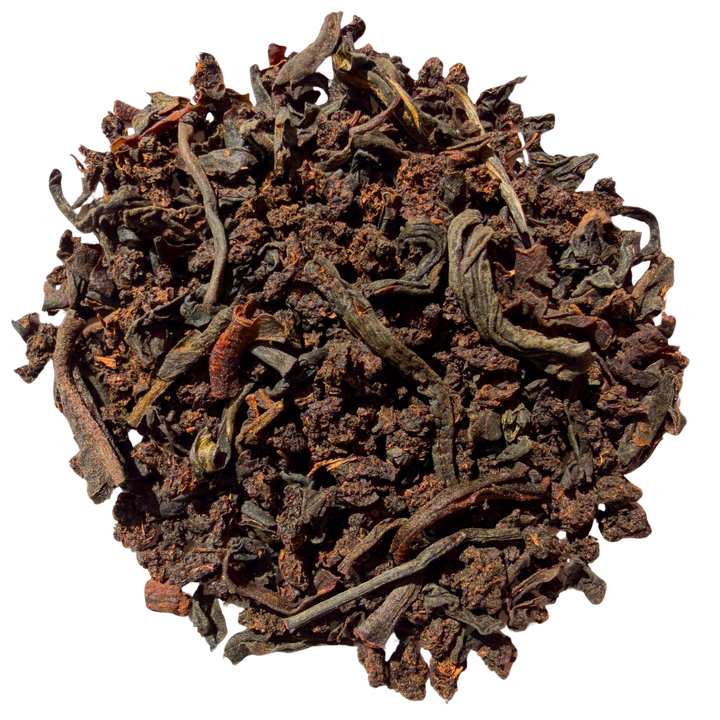
The tea in this guide: The Clocktower Afternoon Blend from £5.45 Shop it →
The basic structure is simple: sandwiches first, then scones with jam and cream, then small cakes or pastries, all served with pots of tea. Work your way from savoury to sweet, take your time, and keep the kettle on. That's the whole thing.
At a glance
- Traditional order: sandwiches, scones, then sweets
- Plan for 3 to 4 small sandwiches, 1 to 2 scones and 2 to 3 sweet bites per person
- Serve tea in a warmed pot, brewed for 3 to 5 minutes
- Afternoon tea is traditionally taken around 4pm
- Keep it relaxed: homemade, shop-bought or a mix of both all work
Where does afternoon tea come from?
The story goes that Anna, Duchess of Bedford, started the tradition around 1840. Dinner had drifted fashionably late, often served at eight o'clock, and the Duchess found herself experiencing what she called a 'sinking feeling' by mid-afternoon. According to Pebble Magazine, she began requesting sandwiches and cake in her room, later inviting friends to join her.
By the 1880s, it had become a full social ritual: women changed into flowing gowns, put on gloves and hats, and gathered in drawing rooms between four and five o'clock. Queen Victoria embraced it and hosted grand tea parties, cementing afternoon tea as part of British culture, as noted by Take a Chef.
Today, the gowns and gloves are optional. The sandwiches, scones and tea remain.
How to host afternoon tea: the essentials
You can spend as much or as little effort as you like. A proper afternoon tea at home doesn't require catering experience or a pastry chef's precision. Here's what actually matters.
The menu
A traditional spread has three courses, eaten in order:
- Sandwiches – small, crustless, filled with simple things like cucumber and cream cheese, smoked salmon, egg mayonnaise and cress, or ham with mustard.
- Scones – plain or fruit, served warm with clotted cream and jam (strawberry is classic; lemon curd is a good alternative).
- Sweets – miniature cakes, pastries, biscuits or slices. Think Victoria sponge, lemon tarts, macarons or Bakewell slices.
According to Little Sugar Snaps, plan for 3 to 4 small sandwiches per person, 1 to 2 scones, and 2 to 3 sweet bites. That's plenty without anyone leaving in a food coma.

Black Tea
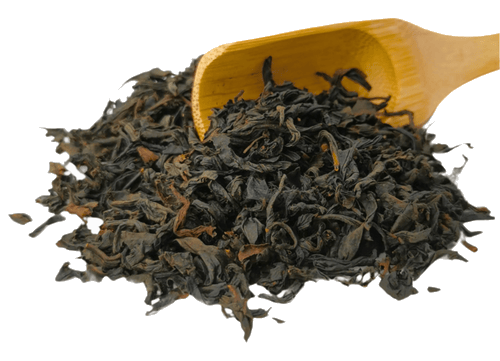
The Clocktower Afternoon Blend
Assam, Keemun and Darjeeling: malt, a little smoke and a floral lift for the afternoon.
Have a lookThe tea
This is afternoon tea, not afternoon sandwiches. The tea matters. Offer at least two options: a classic black tea that takes milk well, and something lighter or more fragrant for those who prefer it.
Good choices include Earl Grey for its bergamot brightness, Assam for malty strength, Darjeeling for something lighter and more floral, or an afternoon blend that balances all three qualities. The Clocktower Afternoon Blend is our take on it: Assam for body, Keemun for depth, Darjeeling for lift.
Use loose-leaf tea if you can. Warm the pot first (swirl some hot water around, then tip it out), add one teaspoon per person plus one for the pot, and steep for 3 to 4 minutes depending on the tea and your taste. Serve with a strainer and let people add their own milk.

Afternoon tea ideas: what to serve
Sandwiches
Use soft, fresh bread with the crusts cut off. White is traditional; brown works well for smoked salmon. Cut into fingers or triangles, small enough to eat in two or three bites.
Classic fillings:
- Cucumber and cream cheese
- Smoked salmon with cream cheese and dill
- Egg mayonnaise and cress
- Coronation chicken
- Ham with English mustard
- Cheese and chutney
Stick to 3 or 4 different types. More than that and you're running a sandwich shop.
Scones
Scones are forgiving to make and quick to bake. Combine self-raising flour, a pinch of salt and a tablespoon of caster sugar, rub in cold butter until it resembles breadcrumbs, then bring together with chilled buttermilk. Pat to about 2cm thick, cut with a sharp cutter pressed straight down, and bake at 200°C until golden.
Serve warm with clotted cream and good jam. Whether you put cream or jam on first is between you and your conscience.
Sweets
Keep portions small. The point is variety, not volume. A mix of textures works well: something light (a macaron), something fruity (a lemon tart), something richer (a slice of cake).
Suggestions:
- Victoria sponge slices
- Miniature lemon tarts
- Macarons
- Bakewell slices
- Madeleines
- Florentines
- Chocolate-dipped strawberries
One larger cake to slice at the table adds a nice moment, but it's not essential.
Best tea for afternoon tea
There's no single correct answer, but some teas suit the occasion better than others.
| Tea | Character | With milk? | Best for |
|---|---|---|---|
| Earl Grey | Citrus, bergamot, bright | Optional | Those who like fragrance |
| Assam | Malty, full-bodied, strong | Yes | A robust cup |
| Darjeeling | Light, floral, muscatel | Usually not | A gentler brew |
| Afternoon Blend | Balanced, layered, smooth | Either way | A crowd-pleaser |
| Chamomile | Herbal, calming, honey notes | No | Caffeine-free option |
Offer a caffeine-free option too. Chamomile or a fruit infusion works well for anyone avoiding caffeine later in the day.

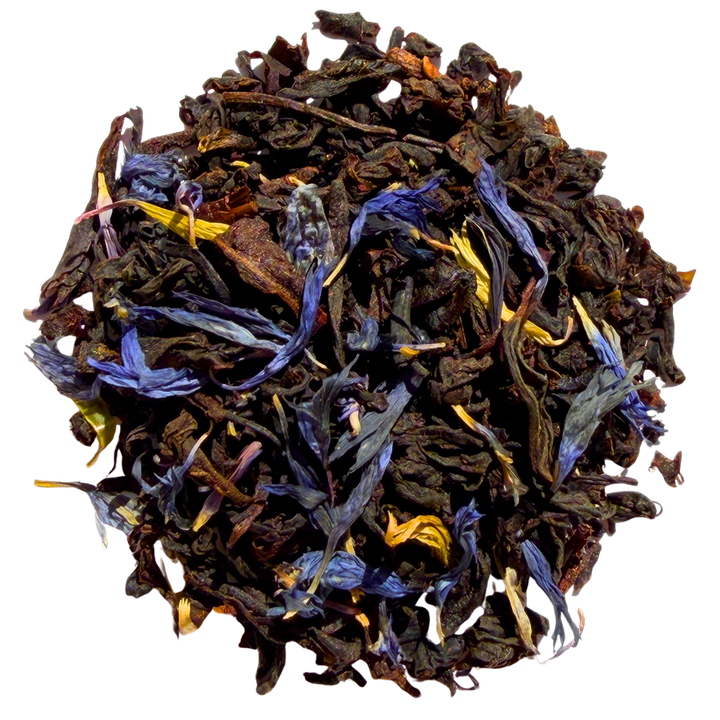
Black Tea
Black tea with fragrant bergamot citrus. A bright, familiar cup for your afternoon break.
Have a lookCommon mistakes when hosting afternoon tea
A few things trip people up:
- Serving everything cold. Scones should be warm. Make them last or reheat gently.
- Too much food. This isn't a buffet. Restraint is part of the charm.
- Weak tea. Use enough leaves and steep properly. Insipid tea ruins the whole thing.
- Rushing. Afternoon tea is meant to last a couple of hours. Put your phone away.
- Forgetting seconds. Have extra sandwiches and scones ready. People will want more.
Afternoon tea versus cream tea versus high tea
These terms get muddled. Here's the difference:
- Afternoon tea: Sandwiches, scones and sweets with tea. A light meal.
- Cream tea: Just scones with jam and clotted cream, plus tea. Simpler and quicker.
- High tea: A more substantial working-class meal, traditionally eaten at the table ('high' table) around 5 or 6pm, with heartier dishes like pies, cold meats or Welsh rarebit alongside tea. Not posher than afternoon tea, despite what some hotels seem to think.
How to keep it simple
You don't have to make everything from scratch. Phil's Home Kitchen suggests buying components from bakeries, farm shops and supermarkets and assembling them yourself. Good scones from a local bakery, decent jam, shop-bought cakes cut into smaller portions: all perfectly acceptable.
The effort is in the presentation and the time you spend together, not in proving you can make puff pastry from memory.
Setting the scene
Use proper china if you have it. Teacups, saucers, small plates. Cloth napkins are nicer than kitchen roll and can be washed and reused. A tiered cake stand is lovely but not essential: a few nice plates arranged on the table work just as well.
If you want bunting or decorations, homemade from fabric scraps has more charm than anything plastic. But honestly, good tea, warm scones and a clean tablecloth are all you really need.

Letterbox gift
Five strong loose leaf breakfast teas that all take milk, from a smooth English Breakfast to a smoky Huddersfield blend.
Have a lookWhat to try next
If you're building your tea collection for afternoon gatherings, start with The Clocktower Afternoon Blend: it's designed for exactly this, with enough body for a proper mug but a brighter finish than a breakfast tea. For those who prefer something more perfumed, Classic Earl Grey brings bergamot citrus and pairs well with lemon-based sweets.
Want to offer a choice? The Breakfast Tea Tasting Box gives you five strong black teas to compare, or try the Earl Grey Tasting Box for five takes on the bergamot classic. Both make good gifts for anyone who's hosted you, too.
Not sure where to start? The Tea Finder can point you in the right direction.
Order loose leaf tea from Porter Hill with free UK delivery on orders over £35. Or call into the shop in Byram Arcade, Huddersfield, where the kettle's always on.
Frequently asked questions
What time should I serve afternoon tea?
Traditionally, afternoon tea is served around 4pm, filling the gap between lunch and a late dinner. That said, any time between 3pm and 5pm works well. The point is a relaxed pause in the afternoon, not a strict schedule. Adjust to suit your guests and your hunger.
What order do you eat afternoon tea in?
Start with sandwiches, then move to scones with jam and cream, and finish with sweets. You work from savoury to sweet, bottom to top if you're using a tiered stand. It's not a strict rule, but it helps pace the meal and saves the sugar for last.
Can I host afternoon tea without making everything myself?
Absolutely. Buy scones from a bakery, good jam from a farm shop, and cakes from wherever you trust. The point is the occasion, not proving your baking credentials. A mix of homemade and shop-bought is completely normal and takes the pressure off.
What's the best tea for afternoon tea?
An afternoon blend, Earl Grey, Darjeeling or Assam all work well. Offer at least two options so guests can choose between something robust and something lighter. A caffeine-free herbal tea is thoughtful for anyone avoiding caffeine later in the day.
How much food do I need per person?
Plan for 3 to 4 small sandwiches, 1 to 2 scones, and 2 to 3 bite-sized sweets per guest. Have extras ready for seconds. It's easier to have a little too much than to run out while the conversation's still going.
Is afternoon tea the same as high tea?
No. Afternoon tea is a lighter meal of sandwiches, scones and sweets. High tea is a more substantial early-evening meal with heartier dishes, traditionally eaten by working families. Despite what some venues imply, high tea isn't the posher option.
Sources: Pebble Magazine · Little Sugar Snaps · Phil's Home Kitchen · Take a Chef