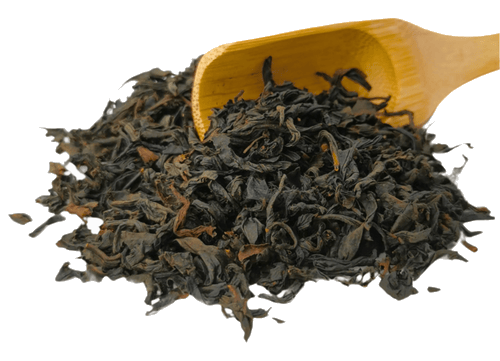
Irish Breakfast Tea: A Stronger, Maltier Morning Mug

Irish Breakfast tea is the one you reach for when a delicate cup will not do. It is a dark, malty, brisk black tea with enough body to stand up to milk without fading into the background. The blend leans heavily on Assam, sometimes blended with Kenyan or other African teas, and the result is a robust cup designed for people who like their morning tea to mean business.
The tea in this guide: English Breakfast from £3.20 Shop it →
The useful distinction is not the flag on the packet. It is whether you want a firmer, maltier mug than a typical all-round breakfast blend. If you add milk and want the tea to keep speaking through it, Irish Breakfast is where to start.
At a glance
- A bold black tea blend, heavily weighted toward Assam
- Darker and more malty than English Breakfast
- Designed to take milk well
- Brew with freshly boiled water for 2 to 4 minutes
- Contains natural caffeine (roughly 40 to 70 mg per cup)
- Pairs with toast, porridge and a proper cooked breakfast
What is Irish Breakfast tea?
Irish Breakfast is a blend of several black teas, most often Assam and teas from East Africa. According to Wikipedia's entry on Irish breakfast tea, the major Irish brands including Barry's, Bewley's, Lyons and Thompson's Punjana are heavily weighted toward Assam, which gives the blend its dark colour, strong flavour and malty aroma.
There is no standard formula. The proportion of Assam to other leaves determines the defining character, but most blends aim for a robust cup that can handle milk and sugar without turning weak or bland. Tea leaves are often broken rather than whole, which allows faster steeping and more flavour release per leaf.
Despite its name, Irish Breakfast is drunk throughout the day in Ireland and is virtually never called 'breakfast tea' except for specific export blends. It is simply tea, and it is serious about its job.
Irish Breakfast vs English Breakfast: what is the difference?
This is the question most people are actually asking when they search for Irish Breakfast tea. The short answer: Irish Breakfast is typically darker, more malty and more brisk. English Breakfast is a more balanced all-rounder that works equally well with or without milk.
| Blend | Base | Character | Best for |
|---|---|---|---|
| Irish Breakfast | Assam-heavy, often with Kenyan | Bold, malty, brisk | Milk drinkers who want strength |
| English Breakfast | Balanced Assam, Ceylon, Kenyan | Rounder, brighter, versatile | Plain or with milk |
Irish Breakfast leans harder on full-bodied Assam and often East African teas, assuming milk will be added. English Breakfast typically balances Assam with Ceylon and Kenyan leaf for a brighter, more restrained cup.
If you are undecided, brew the two side by side with the same leaf weight, water, time and milk. A fair comparison tells you more than any general claim.

Black Tea
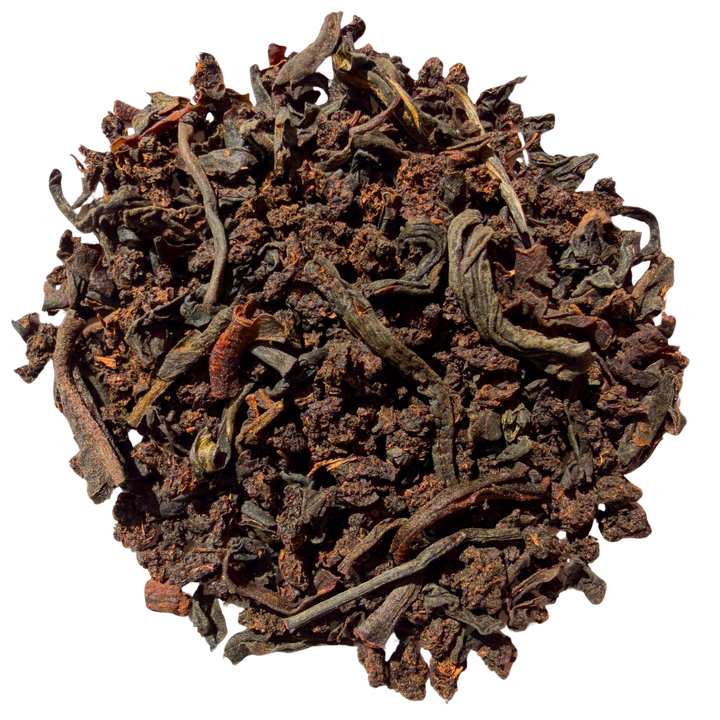
A full-bodied, malty breakfast blend that takes milk well. Kettle on, toast in.
Have a lookWhat does Irish Breakfast taste like?
Expect malt, briskness and body. The dry leaf is dark and gives off a deep, slightly toasted aroma. Brewed plain, the cup is robust with a brisk edge that wakes you up properly. Add milk and the malt comes forward, rounding out the finish without turning the cup thin or bland.
The colour in the cup ranges from very dark red to brown, with a rich copper glow when you hold it to the light. Some blends add Kenyan tea for brightness and a refreshing finish, while others stay pure Assam for maximum malt.
This is not a subtle tea. It is designed for the first cup of the day, not a delicate afternoon sip. If you want something that tastes like it means it, Irish Breakfast delivers.

How to brew Irish Breakfast tea properly
The difference between a good cup and a harsh one comes down to leaf quantity and time, not just strength of character. Here is a reliable method:
- Boil fresh water and let it reach a rolling boil (100°C)
- Add one teaspoon of loose leaf per cup, or about 3g per 250ml if you use scales
- Pour the water directly over the leaves
- Steep for 2 to 4 minutes depending on your preference
- Strain completely before the tea over-brews
- Taste before adding milk, then add a small splash
Brewing times vary by brand. Most Irish Breakfast blends work well at 2 minutes for a brisk cup or longer if you want more body with milk.
Strength and dryness are not the same thing. If the cup is too light, add more leaf next time while keeping the same brew time. If it has enough body but leaves a rough, drying finish, shorten the time to ninety seconds. Change one variable at a time and write down the version you like.
Milk or no milk?
Irish Breakfast is traditionally designed for milk. According to Wikipedia, Irish Breakfast tea is commonly served with milk because of its strength, though it may also be consumed black, with sugar, or with honey. Add a small splash after brewing and taste before pouring more. That lets you judge how much milk softens the brisk edge without hiding the malt. If you want a larger, milkier mug, increase the tea dose rather than lengthening the brew indefinitely.
For a plain cup, keep the same starting point but consider steeping closer to 3 minutes to keep tannins less pronounced. Sugar is optional and entirely your business.

Black Tea
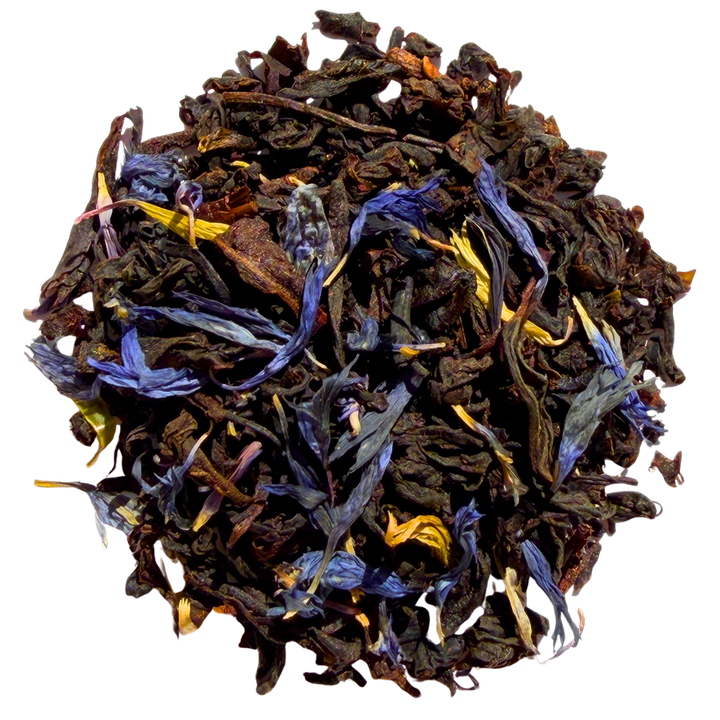
A darker, stronger breakfast brew with a stout-like richness. Bring your favourite mug.
Have a lookDoes Irish Breakfast have more caffeine?
It contains natural caffeine because it is black tea. A properly brewed cup typically contains roughly 40 to 70 mg of caffeine, about half to two-thirds of typical coffee. As Wikipedia notes, Irish Breakfast is a black tea with a strong flavour and higher caffeine content than green, oolong, or white teas.
The exact amount depends on leaf quantity, mug size and brewing method. If caffeine is your main concern, compare our Decaf English Breakfast, though decaffeinated tea still is not guaranteed caffeine-free. For naturally caffeine-free options, herbal teas are the place to look.
A brief history of Irish tea drinking
Tea was first transported from China to Ireland in the mid-eighteenth century. According to Wikipedia, its high cost and low demand initially meant it was mainly available to wealthy people. During the mid-nineteenth century, prices dropped and Irish Breakfast became readily available across all classes.
The major Irish tea companies have been blending for over a century. Lyons has blended in Ireland since 1902, while Bewley's has been at it in Dublin since 1840 and is still associated with its famous Grafton Street café. Barry's has blended in Cork since 1901.
What sets Irish tea culture apart is the sheer quantity consumed. Ireland consistently ranks among the highest tea-drinking nations per capita, and the preference for strong, malty blends that take milk well shaped the Irish Breakfast style we know today.
Common mistakes when brewing Irish Breakfast
The most common mistake is leaving the leaves in the water too long. Extending the infusion adds briskness at first, but eventually it makes the cup harsh rather than fuller. A two-minute brew with the right amount of leaf will always beat a five-minute brew with too little.
Using water that has boiled multiple times is another quiet problem. Fresh water holds more dissolved oxygen, which helps extract flavour properly. If your kettle has been sitting there since yesterday, empty it and start fresh.
Finally, do not judge the tea by colour alone. A dark cup is not necessarily a strong cup. Taste it, adjust the leaf quantity, and find your own version.
Which strong black tea should I choose?
Choose Irish Breakfast for a blended, milk-friendly morning cup with pronounced malt and briskness. Choose Bukhial Assam when you want one named estate and a more specific leaf identity. Choose English Breakfast for the most flexible middle ground with or without milk.
Those are different buying reasons, not a ladder from ordinary to superior. The best breakfast tea is the one you actually want to drink every morning.
What to try next
If you want to compare breakfast styles side by side, the Breakfast Tea Tasting Box is an easy low-risk way to try five strong loose-leaf breakfast teas that all take milk, from a smooth English Breakfast to a smoky Huddersfield blend. For a single-estate option, Bukhial Assam is a malty Assam with plenty of body and a gently peaty finish. If you need a lower-caffeine version, Decaf English Breakfast is a medium-bodied decaf black tea with soft floral notes.
Not sure where to start? Try the Tea Finder for a quick steer based on what you actually like.

Letterbox gift
Five strong loose leaf breakfast teas that all take milk, from a smooth English Breakfast to a smoky Huddersfield blend.
Have a lookOrder loose-leaf Irish Breakfast for delivery across the UK. Orders over £35 ship free, and we pack orders by hand in Huddersfield. If you are in Huddersfield, call into the shop in Byram Arcade and we will put the kettle on.
Frequently asked questions
Is Irish Breakfast tea stronger than English Breakfast?
Generally yes. Irish Breakfast is typically darker, more malty and more heavily weighted toward Assam, making it bolder and more brisk than most English Breakfast blends. English Breakfast is usually more balanced and works well plain or with milk. The difference is in style rather than caffeine content, which is similar for both.
What is in Irish Breakfast tea?
Most Irish Breakfast blends use a strong black Assam tea as the base, often combined with teas from Kenya or other East African origins. There is no standard recipe, and proportions vary by brand. The common thread is a robust, malty character designed to take milk well.
How much caffeine is in Irish Breakfast tea?
A properly brewed cup contains roughly 40 to 70 mg of caffeine, about half to two-thirds of typical coffee. The exact amount varies with leaf quantity, steep time and brewing method. Longer steeping extracts more caffeine, as does using more tea leaves.
Can I drink Irish Breakfast tea without milk?
Absolutely. It is designed to take milk well, but a plain cup works if you like a robust, brisk flavour. Consider steeping for around 3 minutes rather than 4 to keep tannins less pronounced when drinking it black. Add sugar if you like it sweeter.
Is Thompson's Irish Breakfast tea good?
Thompson's Punjana is a well-regarded Northern Irish brand heavily weighted toward Assam, producing a strong, malty cup in the traditional Irish style. It is widely available and consistently delivers the robust character people expect from Irish Breakfast tea.
What is the best way to serve Irish Breakfast tea?
Brew with freshly boiled water for 2 to 4 minutes, strain completely, and add a small splash of milk. Taste before adding more milk or sugar. Serve in a proper mug rather than a dainty teacup, and pair with toast, porridge or a full cooked breakfast if you are feeling ambitious.
Sources: Wikipedia