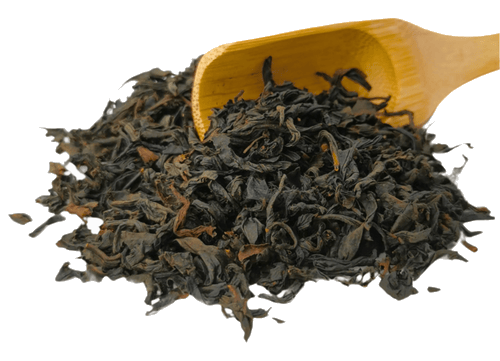
Milk Oolong Tea: Real vs Flavoured, Taste and How to Brew

The name throws people. Milk oolong tea sounds like someone has tipped dairy into the pot, but the cup contains no milk at all. The creamy character comes entirely from how the leaf is grown and processed: a silky texture, soft floral notes and a gentle sweetness that arrives without a drop of anything on the ingredient list except tea. It is an oolong to drink plain, slowly, and ideally on a quiet afternoon when you have nowhere particular to be.
The tea in this guide: Quanzhou Milk Oolong from £5.35 Shop it →
So what is milk oolong? It is a lightly oxidised tea from either Taiwan or China, made from cultivars that naturally produce a rounded, almost buttery mouthfeel. Some versions are unflavoured and genuine; others have vanilla or milk flavouring added to imitate that character. Knowing the difference matters, especially if you are lactose intolerant or simply want the real thing.
At a glance
- Real milk oolong contains no dairy; the name describes the taste
- Most authentic versions come from the Jin Xuan cultivar (Taiwan) or Ti Kuan Yin (China)
- Flavoured versions exist and may contain milk or artificial additives
- Brew at 80 to 90°C for two to three minutes; boiling water flattens the aroma
- Leaves can be steeped two or three times
- Contains caffeine; the exact amount varies with brewing
What is milk oolong tea?
Milk oolong is a style of lightly oxidised tea known for its naturally creamy taste and soft floral aroma. The 'milk' in the name is a translation of the Chinese term nai xiang, meaning 'milk fragrance', which describes the impression in the cup rather than an ingredient. When brewed properly, the liquor has a rounded mouthfeel, hints of cream or caramel, and sometimes a gentle orchid-like lift.
The tea most commonly sold as milk oolong comes from two sources. Taiwanese versions are typically made from the Jin Xuan cultivar, developed in 1980 and sometimes labelled TRES #12 after the Taiwan Research and Extension Station that created it. Chinese versions often use Ti Kuan Yin (also written Tie Guan Yin or Iron Goddess of Mercy), a well-regarded oolong variety from Fujian province with a reputation for smooth, floral character.
Real milk oolong vs flavoured: how to tell the difference
This is where things get a bit murky. Because customers love that creamy taste, some producers add milk flavouring, vanilla extract or artificial additives to cheaper oolong leaves. The result tastes milky, but it is not the same tea.

Genuine milk oolong relies entirely on the cultivar, terroir and processing to produce its character. Traditional milk oolong does not contain milk; the creamy taste comes from the leaf itself. Flavoured versions may contain milk or traces of milk, which matters if you are lactose intolerant or avoiding dairy.
How to spot the real thing
- Check the ingredients. Genuine milk oolong lists only oolong tea. If you see 'natural flavouring', 'vanilla', 'milk extract' or similar, it has been enhanced.
- Look for cultivar information. Reputable sellers mention Jin Xuan, Ti Kuan Yin or a specific origin. Vague descriptions like 'premium Chinese oolong' with no detail are a warning sign.
- Trust your nose. Flavoured versions often smell sweeter and more artificial in the dry leaf. Real milk oolong has a subtler, more integrated fragrance.
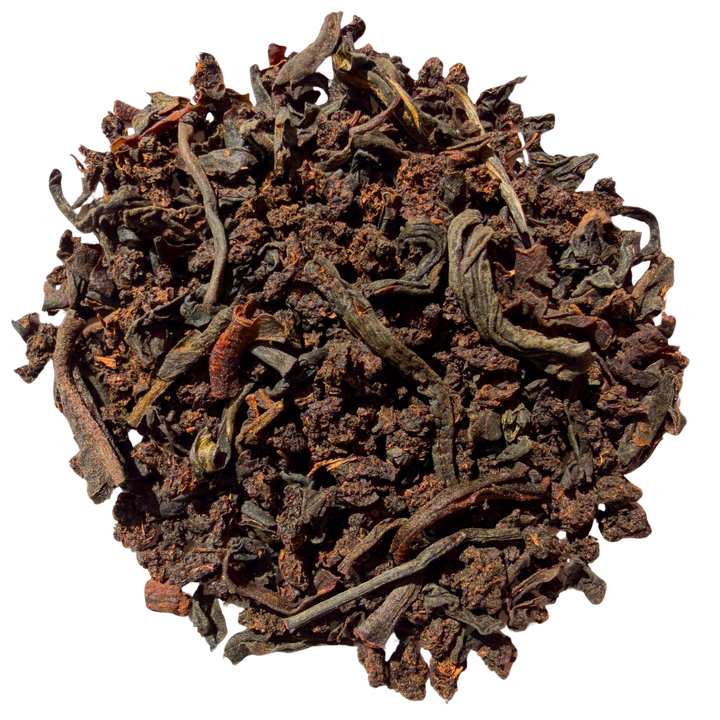
Our Quanzhou Milk Oolong is made from Ti Kuan Yin oolong from China with no added flavouring. The creamy sweetness is all in the leaf.

Oolong Tea
Creamy oolong with floral notes and a gentle caramel sweetness. A lovely one to linger over.
Have a lookIs milk oolong the same as Jin Xuan?
Not quite, though the terms overlap. Jin Xuan is a specific Taiwanese tea cultivar, developed in 1980 and also called Golden Daylily. It naturally produces a milky aroma and creamy mouthfeel, which is why it became synonymous with milk oolong in Taiwan. Wikipedia notes that Jin Xuan is called 'Milk Oolong' because of its creamy taste, and that traditional milk oolong does not contain milk.
However, 'milk oolong' is also used more loosely for any oolong with that creamy character, regardless of cultivar. Chinese versions made from Ti Kuan Yin are not technically Jin Xuan but are still sold under the milk oolong name. The lesson: read the label and look for the cultivar or origin if you want to know exactly what you are drinking.
What does milk oolong taste like?
Think soft rather than heavy. The comparison is not a milkshake but a rounded, silky mouthfeel with a floral lift and a hint of caramel or butter. The cup is aromatic and mellow rather than grassy, sharp or strongly roasted.
Tasting notes for Jin Xuan commonly mention impressions of coconut water and full cream milk while remaining clean and delicate in character. Flavour notes include milk and honey orchids, with natural sweetness and orchid-like and milk-like tasting notes. Other descriptions include sweet almonds, gentle orchid and a smooth finish that lingers without drying the mouth.
It suits someone who finds breakfast tea too brisk, wants more body than a very light green tea, or likes the idea of brewing the same leaves twice. If you are after a brighter orchid-like oolong with visible petals, try our Blue Spring Oolong. For a darker, brisker drink built for a good splash of actual milk, a black tea will make more sense.
How to brew milk oolong tea
The creamy aroma is delicate, so treat it gently. Boiling water can flatten the floral side and leave the cup tasting thin or dry. Here is a straightforward method for a mug or small pot.
- Measure one teaspoon of rolled leaf per cup into your pot or infuser.
- Boil fresh water and let it cool to around 80 to 90°C. No need to be exact; a minute or two off the boil is fine.
- Pour the water over the leaves and steep for two to three minutes.
- Drain fully before tasting. Leaving the leaves sitting in water makes the second infusion weaker.
- Adjust from there: more leaf or longer time if the cup feels too slight, shorter time if it becomes dry or forceful.
| Method | Leaf | Water | Time |
|---|---|---|---|
| Mug or pot | 1 tsp per cup | 80–90°C | 2–3 min |
| Gongfu style | 3–5g per 100ml | 85–95°C | 30–60 sec, multiple infusions |
| Cold brew | 1 tsp per cup | Room temperature | 8+ hours in fridge |
Gongfu brewing for more control
If you have a small gaiwan or Yixing clay pot, gongfu brewing lets you draw out the flavour over many short infusions. Use a higher leaf-to-water ratio (about 3 to 5 grams per 100ml) and steep for just 30 to 60 seconds at a time. Each infusion shifts the balance slightly, from creamy and floral towards a clearer, greener note. Gongfu preparation is traditional for oolongs in Fujian province, where it is part of the gongfu tea ceremony.
Can you rebrew the leaves?
Yes, and you should. The tightly rolled leaf opens as it steeps, so a second or third infusion is worth making. Leaves can be resteeped a couple of times, and the flavour retains through additional steeping. Add fresh water at the same temperature and give it a little longer if the first brew has taken the most immediate aroma. Stop when the cup no longer has enough flavour to be worth the effort.
Common mistakes with milk oolong
Using boiling water. This is the most frequent error. Full-boil water can make the cup taste flat, slightly bitter or oddly thin. Let the kettle sit for a minute or two before pouring.
Adding milk. It sounds counterintuitive given the name, but dairy or plant milk covers the delicate aroma that gives this tea its point. Taste the first cup plain. If you want a gentler cup, shorten the infusion rather than reaching for the milk jug.
Oversteeping. Three minutes is plenty for most mugs. Beyond that, the cup can turn dry and tannic, losing the silky character you came for.
Buying flavoured by accident. Always check the ingredients if you want the real thing. Flavoured versions are not necessarily bad tea, but they are a different product.
A brief history of milk oolong
Oolong itself has a long history in China, with production concentrated in Fujian province, particularly the Wuyi Mountains and Anxi County in Quanzhou. The term 'wulong' first appeared in print in 1857 in Miscellaneous Notes on Fujian by Shi Hongbao, though the tea was made long before that.
The Jin Xuan cultivar that gave Taiwan its milk oolong was developed in 1980 by the Taiwan Research and Extension Station. It became popular with farmers because the plants are hardier and produce a higher yield, while the leaves naturally develop that sought-after creamy character. Taiwanese tea cultivation expanded rapidly from the 1970s, and high-mountain oolongs from Alishan and Lishan are now prized worldwide.
Chinese versions using Ti Kuan Yin, one of the Ten Famous Chinese Teas, offer a different take on the same idea: soft, floral, smooth, and naturally creamy without any additives.

Oolong Tea
Taiwanese oolong with gentle sweetness, toasted notes and a pleasantly dry finish.
Have a lookDoes milk oolong contain caffeine?
Yes. Oolong is made from Camellia sinensis, so its gentle taste should not be mistaken for a caffeine-free drink. Caffeine varies with terroir, picking time, and production processes, so exact amounts differ between teas and brewing methods. Generally, oolong contains less caffeine than black tea but more than most green teas.
If you need to avoid caffeine entirely, this is not the tea for you. Try a herbal infusion like our caffeine-free teas instead.
What to try next
If the creamy-floral style appeals, our Blue Spring Oolong offers a brighter orchid-like cup with visible mallow petals and a lighter body. For a Taiwanese oolong with gentle sweetness and toasted notes, Formosa Oolong is worth a look. And if you want citrus and jasmine alongside your oolong, Orange Jasmine Oolong brings a fragrant twist.
Not sure where to start? Our Tea Finder asks a few quick questions and points you towards teas you will actually enjoy. For gifts or sampling, the Bestsellers Tasting Box lets you try five different teas without committing to full pouches.

Oolong Tea
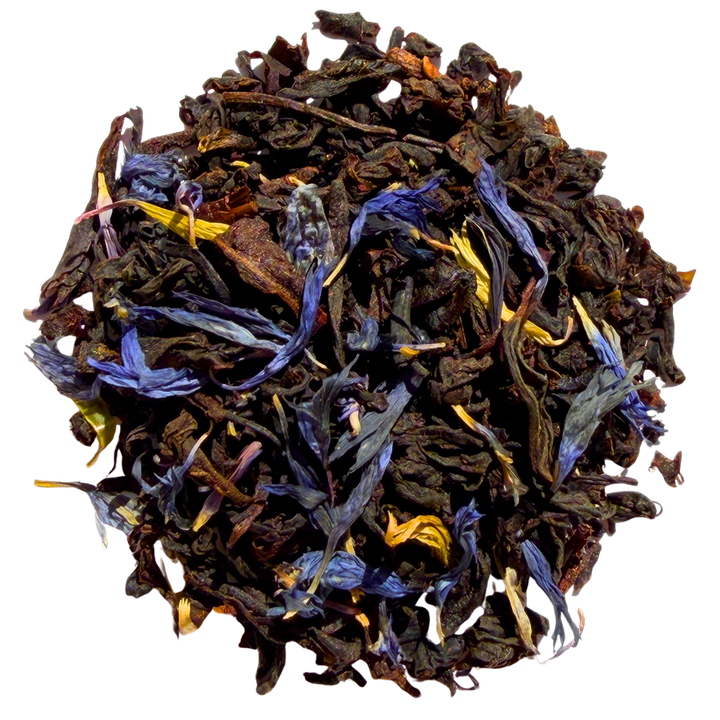
Oolong with blue mallow petals, soft floral notes and a smooth, lingering finish.
Have a lookOrder loose leaf from the Quanzhou Milk Oolong page with free UK delivery on orders over £35. Or call into the shop in Byram Arcade, Huddersfield, and we will put the kettle on while you have a look around.
Frequently asked questions
What is milk oolong tea?
Milk oolong is a lightly oxidised tea with a naturally creamy taste and soft floral aroma. The name describes the flavour, not an ingredient. It contains no dairy. Most versions come from the Jin Xuan cultivar in Taiwan or Ti Kuan Yin in China, both of which produce that silky, buttery character through careful processing rather than added flavouring.
Does milk oolong contain actual milk?
No. Genuine milk oolong contains only tea leaves. The creamy taste comes from the cultivar and processing, not from dairy. However, some flavoured versions may contain milk extract or vanilla, so always check the ingredients list if you need to avoid dairy.
Is milk oolong safe if you are lactose intolerant?
Genuine, unflavoured milk oolong contains no dairy and is safe for lactose-intolerant drinkers. However, flavoured versions may contain milk or traces of milk. Always read the ingredients if you have a dairy allergy or intolerance.
How many times can you brew milk oolong leaves?
The tightly rolled leaves open as they steep, so two or three infusions are standard. Give each subsequent brew a little longer if the previous one has taken the most immediate aroma. Stop when the cup no longer tastes worth the effort, usually after the third steep for mug brewing or more for gongfu style.
Should I add milk to milk oolong?
Taste it plain first. The delicate creamy aroma is the whole point of this tea, and adding dairy or plant milk tends to cover it up. If you find the cup too strong, shorten the steeping time rather than reaching for the milk jug.
What temperature water for milk oolong?
Aim for 80 to 90°C. Boiling water can flatten the floral notes and make the cup taste thin or dry. Let the kettle sit for a minute or two after boiling, or use a temperature-controlled kettle if you have one.
Sources: Wikipedia – Oolong · GROSCHE – Milk Oolong