Lady Grey Tea: How It Compares to Earl Grey

Lady Grey tea is Earl Grey's lighter, citrus-dressed sibling. Both start with black tea and bergamot oil, but Lady Grey adds orange peel and lemon peel to take the edge off. The result is a softer, fruitier cup that was designed for people who find traditional Earl Grey a bit much.
The tea in this guide: Classic Earl Grey from £3.50 Shop it →
If you've stood in a tea aisle wondering which grey to grab, you're not alone. The names sound related, the boxes often look similar, and neither one explains itself particularly well. So here's the short version: Earl Grey is the bold original, Lady Grey is the gentler riff on it, and they're both perfectly drinkable depending on what you're in the mood for.
At a glance
- Both are black tea with bergamot oil; Lady Grey adds orange and lemon peel
- Earl Grey has a stronger bergamot punch; Lady Grey is milder and fruitier
- Lady Grey was created in the early 1990s and first sold in Norway in 1994
- Both contain caffeine (typical black tea levels)
- Brew at 100°C for two to four minutes; Lady Grey often suits a shorter steep
What is Lady Grey tea?
Lady Grey is a variation on Earl Grey that uses black tea, bergamot oil, lemon peel and orange peel. Some versions also include cornflower petals for colour. Lady Grey was created in the early 1990s, named after Mary Elizabeth Grey, the wife of Charles Grey, 2nd Earl Grey.
The blend was developed specifically for the Northern European market, where consumers apparently found Earl Grey's bergamot flavour too strong. It went on sale in Norway in 1994 and reached Britain in 1996. The name is trademarked, so other brands have adopted alternatives like Madame Grey or Empress Grey for similar blends.
Lady Grey is often described as made for Earl Grey lovers who want something a little bit fruitier, with the orange and lemon peel providing that lighter citrus character.

What is Earl Grey tea?
Earl Grey is black tea flavoured with bergamot oil, extracted from the rind of the bergamot orange, a citrus fruit grown mainly in Calabria, southern Italy. The bergamot gives Earl Grey its distinctive perfumed, slightly bitter citrus character.
The tea is named after Charles Grey, 2nd Earl Grey, British Prime Minister from 1830 to 1834. A popular legend claims he received a citrus-infused tea from China after saving someone's life, though many variations of this story exist and none are verified. What we do know is that Earl Grey became widely popular in Britain during the nineteenth century and remains one of the most recognised tea styles worldwide.
Traditional Earl Grey uses Ceylon or Keemun black tea as a base, though blends now vary widely. Some include cornflowers, lavender or rose petals; some use Assam or Darjeeling; some swap real bergamot oil for synthetic flavouring or cheaper citrus extracts.

Black Tea
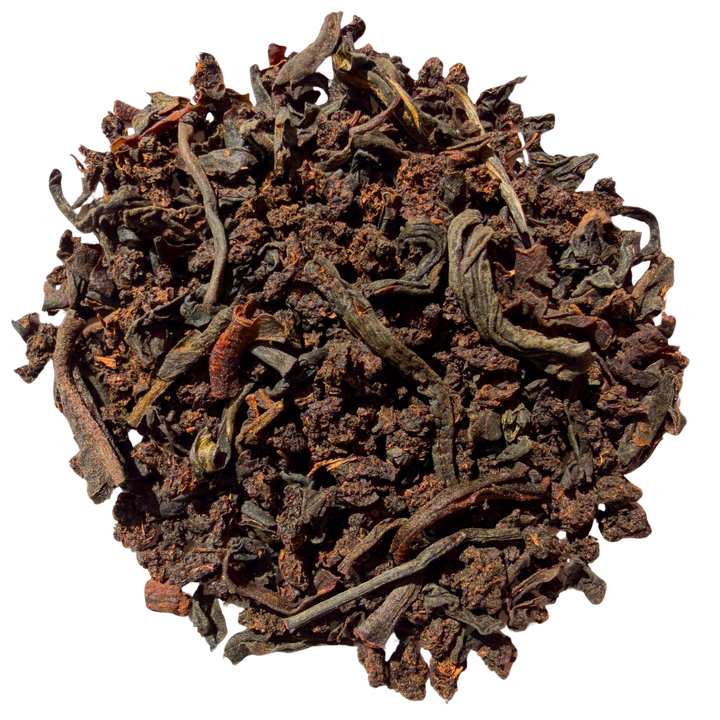
Black tea with fragrant bergamot citrus. A bright, familiar cup for your afternoon break.
Have a lookLady Grey vs Earl Grey: the key differences
Both teas share a black tea base and bergamot flavouring, but the similarities largely end there. Here's how they compare side by side.
| Feature | Earl Grey | Lady Grey |
|---|---|---|
| Base tea | Black tea (often Ceylon or Keemun) | Black tea (Ceylon blend) |
| Bergamot | Prominent, perfumed | Lighter, supporting role |
| Citrus peel | Usually none | Orange and lemon peel |
| Flavour | Bold, aromatic, slightly bitter | Softer, fruitier, zestier |
| Trademark | Generic name, many producers | Trademarked name |
The practical difference in your cup: Earl Grey hits you with bergamot upfront, a perfumed, almost floral citrus that lingers. Lady Grey spreads the citrus across orange and lemon notes, making the bergamot less dominant. If you find Earl Grey a bit soapy or overpowering, Lady Grey might suit you better. If you love that bergamot punch, stick with the original.
What does Lady Grey taste like?
Lady Grey tastes lighter and zestier than Earl Grey. The orange and lemon peel create a brighter, more approachable citrus flavour, while the bergamot sits further back. The black tea base provides body without bitterness, and there's often a gentle floral note from the peel oils.
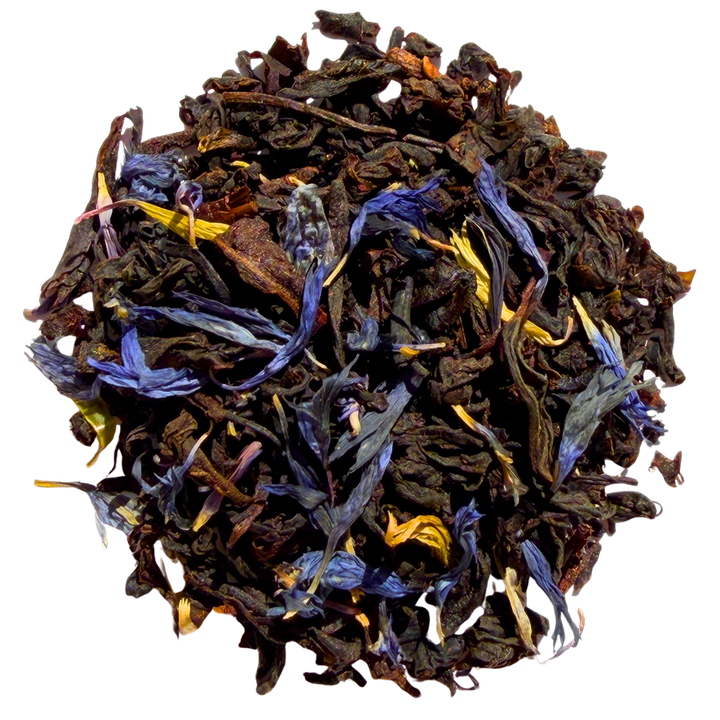
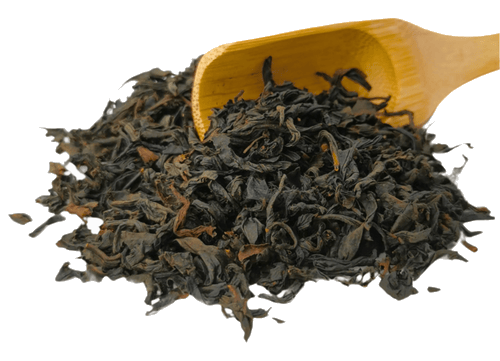
The dry leaf is pretty: black tea pieces mixed with visible curls of orange and lemon peel, sometimes with blue cornflower petals scattered through. The brewed tea has an amber colour similar to Earl Grey, but the aroma is more obviously fruity.
Some people describe Lady Grey as 'Earl Grey with the volume turned down.' That's fair. It's designed to be easy-drinking, the sort of tea that works mid-afternoon when you want something fragrant but not demanding.
How to brew Lady Grey and Earl Grey
Both teas brew similarly because they share a black tea base, but Lady Grey often benefits from a slightly shorter steep to keep its delicate citrus notes from getting lost.
- Boil fresh water and let it reach 100°C (or just off the boil at 95°C if you prefer a gentler extraction).
- Add one teaspoon of loose leaf tea per cup, or one tea bag.
- Pour the water over the tea and steep for two to three minutes for Lady Grey, three to four minutes for Earl Grey.
- Taste and adjust. If the cup feels thin, steep longer next time rather than adding more leaf.
- Remove the infuser or bag and drink.
Both teas work black or with a splash of milk. Lady Grey's fruitier notes come through best without milk, but there's no wrong answer. A slice of lemon suits Earl Grey particularly well.
Does Lady Grey have caffeine?
Yes. Lady Grey contains caffeine because it's made from black tea leaves. The exact amount depends on the leaf quantity, steep time and cup size, but it's typical black tea caffeine, roughly 40 to 70 mg per cup. That's similar to Earl Grey and other breakfast-style blends.
If you want the citrus-and-bergamot character without caffeine, look for a rooibos-based Earl Grey alternative. Rooibos is naturally caffeine-free and takes bergamot flavouring well.

Rooibos Tea
Bergamot over mellow red rooibos. The familiar Earl Grey idea, naturally without caffeine.
Have a lookCommon mistakes with Lady Grey
The biggest misunderstanding is thinking Lady Grey is caffeine-free because it looks lighter and fruitier than Earl Grey. It isn't. It's black tea with the same caffeine as any other black tea blend.
Another mistake is oversteeping. Lady Grey's citrus notes can turn slightly bitter if you leave the tea in for five minutes or more. Start at two minutes, taste, and add time if you want more body.
Some people also assume Lady Grey is named after Lady Jane Grey, the nine-day queen. It isn't. The tea is named after Mary Elizabeth Grey, wife of the 2nd Earl Grey, keeping the family connection to the original blend.
Can you buy Lady Grey loose leaf?
Lady Grey is available in both tea bag and loose leaf form. Loose leaf versions typically come in caddies or tins, with some varieties adding extra citrus flavouring and cornflowers.
Because the Lady Grey name is trademarked, other tea companies can't use it. You'll find similar blends under names like Pearl Grey, Empress Grey or Madame Grey, each with its own take on the lighter-citrus-Earl-Grey idea.
What about decaf Lady Grey?
Decaffeinated Lady Grey is available for evening drinking. Search terms like 'lady grey decaf' and 'decaffeinated lady grey tea' show plenty of people want the flavour without the caffeine.
Decaf versions use black tea that's been processed to remove most of the caffeine, typically leaving around 2 to 5 mg per cup. The flavour is close to the original but slightly flatter, as decaffeination affects some of the compounds that create body and brightness.
If you're avoiding caffeine entirely, a rooibos-based blend might be a better choice than decaf black tea. Rooibos never contained caffeine in the first place, so there's no processing involved.
What to try next
If you enjoy the idea of a lighter, fruitier Earl Grey but want to explore beyond the trademarked blend, we have a few options worth considering.
Pearl Grey is our own take on the softer-Earl-Grey idea. It uses bergamot, soft flowers and bright fruit for a fragrant, lighter cup that sits somewhere between classic Earl Grey and Lady Grey territory.
Cream Earl Grey softens bergamot with creamy, vanilla-like sweetness if you find citrus blends too sharp. Zesty Earl Grey goes the other direction, adding orange pieces and lemongrass for extra brightness.
For comparing several Earl Grey styles side by side, the Earl Grey Tasting Box includes five loose leaf variations from classic to creamy, zesty and malty. It fits through a letterbox and makes a good gift for anyone still deciding which grey suits them best.
Not sure where to start? The Tea Finder asks a few quick questions and points you toward something you'll probably enjoy.

Black Tea
Bergamot, soft flowers and bright fruit give this Earl Grey its lighter, fragrant character.
Have a lookWe offer free UK delivery on orders over £35, or you're welcome to call into the shop in Byram Arcade, Huddersfield, and have a proper look around.
Frequently asked questions
Is Lady Grey stronger than Earl Grey?
No, Lady Grey is milder. It was specifically developed for people who found Earl Grey's bergamot flavour too intense. The added orange and lemon peel soften the bergamot and create a lighter, fruitier cup. Caffeine content is similar in both, but Lady Grey tastes gentler.
What is Lady Grey tea good for?
Lady Grey is a pleasant afternoon tea when you want something fragrant without too much intensity. It works well mid-afternoon or after a light meal. Like all black teas, it contains caffeine, so it's not ideal just before bed. Tea is a drink, not a medicine, so enjoy it for the flavour rather than expecting health benefits.
Can you get Lady Grey tea bags?
Yes. Lady Grey is sold in boxes of tea bags, widely available in supermarkets. Loose leaf versions are also available in caddies. Because the name is trademarked, you won't find Lady Grey tea bags from other brands, though similar blends exist under different names.
Is Lady Grey the same as Earl Grey?
No. Both use black tea and bergamot, but Lady Grey adds orange peel and lemon peel for a softer, fruitier flavour. Earl Grey has a more prominent bergamot character. Lady Grey was created in the 1990s as a gentler alternative for markets that found Earl Grey too strong.
Why is it called Lady Grey?
It's named after Mary Elizabeth Grey, the wife of Charles Grey, 2nd Earl Grey. This keeps the family connection to the original Earl Grey tea. It's not named after Lady Jane Grey, as some people assume. The name was trademarked in September 1994.
Does Lady Grey tea have bergamot?
Yes. Lady Grey contains bergamot oil like Earl Grey, but in smaller amounts. The bergamot is balanced by orange and lemon peel, which makes the overall flavour lighter and less perfumed than traditional Earl Grey. The bergamot is still there, just playing a supporting role rather than leading.