Rooibos Benefits: What Science Actually Says About Red Bush Tea

If you have searched for rooibos benefits, you have probably landed on pages promising everything from fat-burning to glowing skin. The truth is more measured, and more interesting. Rooibos is a caffeine-free drink made from a South African shrub, and researchers have studied its compounds in labs, in animals, and in a handful of small human trials. Some findings are encouraging; many remain uncertain. What we can say for sure is that rooibos makes a pleasant, naturally caffeine-free cup you can drink any time of day, and it will not keep you up at night.
The tea in this guide: Rooibos from £3.85 Shop it →
This guide explains what rooibos actually is, what the science has looked at, where the evidence is limited, and how to brew it properly. No miracle claims, just the facts and a few tips from a tea shop that sells rather a lot of the stuff.
At a glance
- Rooibos is made from Aspalathus linearis, a shrub native to South Africa
- Naturally caffeine-free with low tannin content (less than 5%)
- Contains polyphenols including aspalathin and nothofagin
- Human studies are small and results are inconsistent
- Brew with boiling water for 5 to 10 minutes
- Speak to a GP about health questions, not a tea shop
What is rooibos tea?
Rooibos, also called red bush tea, comes from the leaves of Aspalathus linearis, a low shrub growing 1.2 to 1.5 metres tall on the western coast of South Africa. The plant has been consumed in southern Africa for centuries, and Dutch settlers brewed it from the 1700s, with commercial export beginning in the 1930s.
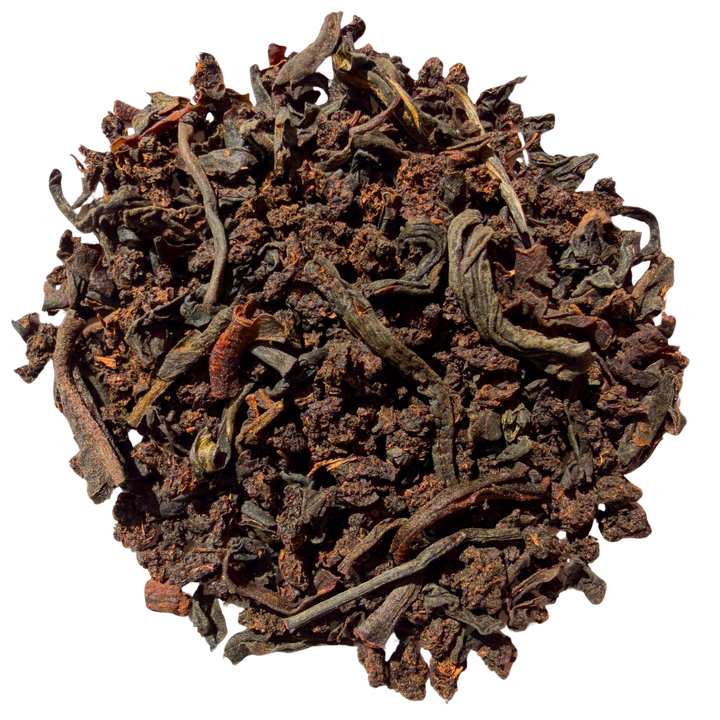
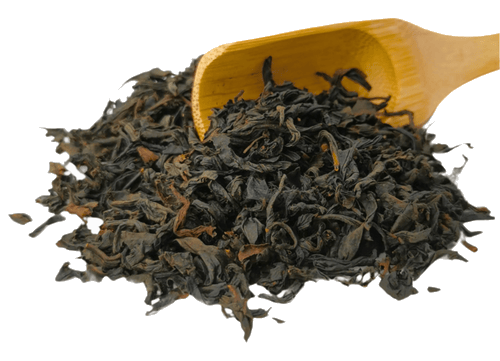
To make traditional red rooibos, producers collect the leaves and twigs, bruise them, then let them ferment. This natural oxidation turns the leaves from green to brick red and gives the tea its characteristic sweet, woody flavour. Green rooibos skips fermentation entirely, preserving more of the original compounds but tasting lighter and slightly more grassy.
In the cup, red rooibos brews to a warm amber or reddish-brown. It tastes mildly sweet with earthy, nutty notes. Some people add milk and sugar; others drink it plain. It works hot, iced, or even in lattes.

Rooibos Tea
Plain red rooibos makes a mellow amber cup with woody sweetness. Naturally caffeine-free.
Have a lookIs rooibos good for you?
This is what most people want to know, and the honest answer is: we cannot say for certain. Rooibos contains polyphenols, including aspalathin and nothofagin, which do not appear in regular black or green tea. Laboratory studies have found these compounds have antioxidant properties. But what happens in a test tube does not always happen in your body.

A 2022 scoping review looked at 18 human studies involving 488 participants. Study durations ranged from one day to three months, and sample sizes were small. The reviewers described the evidence as limited, with inconsistent results.
One of the more detailed studies involved 40 adults with cardiovascular risk factors who drank six cups of rooibos daily (about 1,200 ml) for six weeks. Researchers reported reductions in triglycerides and LDL cholesterol and an increase in HDL cholesterol. But the same study also noted increases in liver enzymes, and other small studies have found no change or only minor effects.
The bottom line: rooibos is a pleasant drink, not a medicine. If you have health concerns, speak to your GP or pharmacist, not a tea shop.
What does rooibos contain?
Rooibos has no caffeine and no pyrrolizidine alkaloids. Its tannin content is less than 5%, lower than black or green tea. Lower tannins may mean less interference with iron absorption, though this has not been confirmed in large human trials.
Key compounds include:
- Aspalathin: a flavonoid unique to rooibos, studied for potential effects on blood sugar and inflammation
- Nothofagin: another flavonoid specific to this plant
- Quercetin, rutin, vitexin: common plant polyphenols
- Minerals: small amounts of copper, fluoride, potassium, iron, calcium, magnesium and zinc
Green rooibos contains roughly three times the total phenolic compounds of fermented red rooibos, because fermentation causes partial oxidation of polyphenols. Whether this translates to any meaningful difference in the cup or in your body remains unclear.
Red rooibos vs green rooibos
| Type | Processing | Colour | Taste | Polyphenols |
|---|---|---|---|---|
| Red rooibos | Fermented | Reddish-brown | Sweet, woody, earthy | Lower |
| Green rooibos | Unfermented | Pale gold | Lighter, grassier | Higher |
Both are caffeine-free. Red rooibos is more common and has the classic flavour most people recognise. Green rooibos tastes milder and pairs well with fruit or peach, which is why it turns up in blends like Honeyed Peach.
Rooibos tea benefits for skin: what we actually know
Search for rooibos and skin and you will find claims about acne, eczema and wrinkles. The reality is more modest. Memorial Sloan Kettering notes that rooibos is used for these conditions but clinical evidence is lacking. Some cosmetic products include rooibos extracts, but drinking the tea has not been proven to improve your skin.
If you enjoy rooibos and it fits your routine, there is no harm. But do not expect miracles from a mug of red bush.
How to brew rooibos tea
Rooibos is forgiving. Unlike green tea, it will not turn bitter if you leave it too long. Here is a simple method:
- Boil fresh water and let it reach a rolling boil
- Use about 2 grams of loose-leaf rooibos per 200 ml (roughly one teaspoon per cup)
- Pour the boiling water over the leaves
- Steep for at least 5 minutes; some sources recommend up to 10 minutes for a stronger cup with more extracted compounds
- Strain and drink plain, or add milk and sugar if you prefer
A roomy infuser helps the leaves circulate. If you are making iced rooibos, brew it double-strength to account for melting ice.

Letterbox gift
Five loose leaf rooibos teas, from plain and woody to lavender, marzipan, Earl Grey and berry.
Have a lookCommon myths about rooibos
Myth: Rooibos detoxes your body
Your liver and kidneys handle detoxification. No tea does this for you. If someone claims otherwise, they are selling something.
Myth: Rooibos helps you lose weight
Plain rooibos has essentially no calories. One study suggested it may affect leptin, a hormone related to hunger, but this has not been confirmed in humans. Drinking rooibos instead of sugary drinks might help, but that is about the calories you are not consuming, not magic properties of the tea.
Myth: Rooibos is always safe in any amount
For most people, moderate consumption is fine. However, case reports exist of liver problems in people consuming large amounts over long periods. A 42-year-old woman's liver enzymes normalised within a week of stopping rooibos; a 63-year-old had similar recovery. Drinking a few cups a day is unlikely to cause problems, but more is not always better.
Safety and cautions
Rooibos is generally considered safe for most adults. Because it contains no caffeine, it suits evenings and is often chosen by pregnant women avoiding caffeine, though anyone with concerns should speak to a midwife or GP rather than relying on a tea shop's advice.
Isolated compounds in rooibos have shown estrogenic activity in laboratory studies, so people with hormone-sensitive conditions may wish to exercise caution and consult their doctor. Animal studies have also found rooibos may affect how certain medications are processed (specifically CYP3A substrates), though clinical significance in humans is not established.
A brief history of rooibos
The Khoisan people of the Cederberg region gathered wild rooibos long before European contact. Dutch settlers adopted it as an alternative to expensive imported tea, and by the 1930s South Africa was exporting it commercially.
In 1994, an American company registered 'Rooibos' as a trademark with the US Patent and Trademark Office. South African producers fought back, and in 2005 the trademark was defeated, returning the name to the public domain. South Africa then issued geographic-indicator restrictions in 2013, protecting the term much like Champagne or Darjeeling.
Today, virtually all rooibos still comes from a small area of the Western Cape. It refuses to grow elsewhere, which makes it genuinely tied to place in a way few teas are.
What to try next
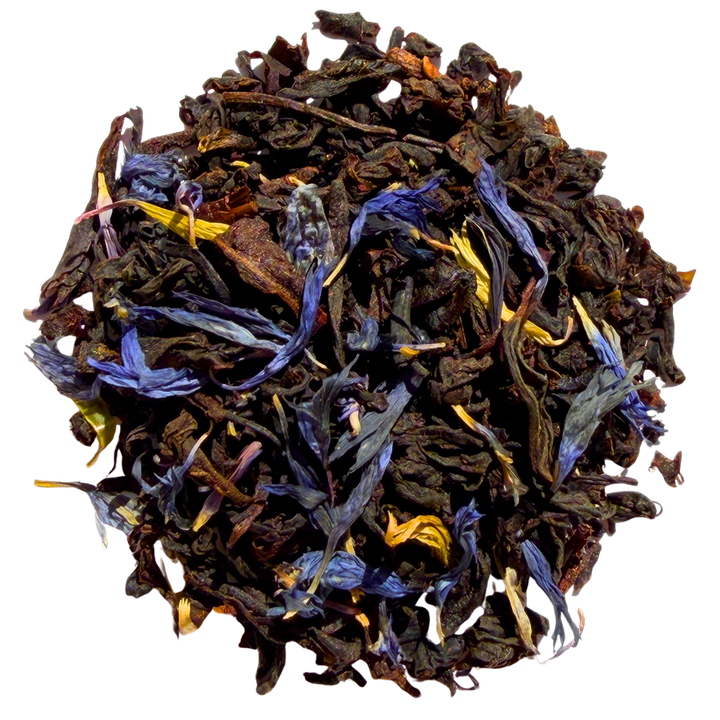
If you want to explore rooibos properly, plain rooibos is the place to start: just the red bush, mellow and woody, nothing added. From there, Earl Grey Rooibos brings bergamot into the mix for a caffeine-free take on the classic, while Rooibos de Provence adds lavender and rose petals for something more floral.
The Rooibos Tasting Box includes five different rooibos teas in one letterbox-friendly package, useful if you want to compare them side by side. Not sure where to start? The Tea Finder asks a few questions and points you towards teas you might actually like.

Rooibos Tea
Bergamot over mellow red rooibos. The familiar Earl Grey idea, naturally without caffeine.
Have a lookWe pack all our rooibos teas in Huddersfield. Orders over £35 ship free across the UK, and We pack orders by hand in Huddersfield. If you are nearby, call into the shop in Byram Arcade and smell the teas before you buy. The kettle is usually on.
Frequently asked questions
What are the health benefits of rooibos tea?
Rooibos contains polyphenols including aspalathin, and small human studies have looked at effects on cholesterol and blood sugar. Results are inconsistent and sample sizes small. Rooibos is a pleasant caffeine-free drink, but evidence is insufficient to recommend it for any health condition. Speak to your GP about health questions.
Is rooibos tea good for you?
Rooibos is caffeine-free, low in tannins, and contains no calories when drunk plain. Whether the polyphenols it contains have meaningful effects in humans is not established. It is a fine drink to enjoy, but it is not a medicine and should not replace medical advice.
Does rooibos tea have caffeine?
No. Rooibos is naturally caffeine-free, which makes it suitable for evenings or for anyone avoiding caffeine. This applies to both red and green rooibos.
What are green rooibos benefits compared to red?
Green rooibos is unfermented and contains roughly three times the total phenolic compounds of red rooibos. Whether this translates to any practical difference for the person drinking it is unknown. Green rooibos tastes lighter and grassier; red rooibos has a sweeter, woodier character.
Is rooibos tea good for skin?
Rooibos is used in some skincare products and folk remedies for conditions like acne and eczema, but clinical evidence for drinking rooibos to improve skin is lacking. Enjoy it if you like the taste, but do not expect it to clear up skin problems.
How much rooibos tea can you drink a day?
Most people can drink several cups daily without problems. Studies have used up to six cups (about 1,200 ml) for six weeks. Very large amounts over long periods have been associated with liver problems in rare case reports, so moderation is sensible. If you have concerns, ask your doctor.
Sources: Healthline · PMC scoping review · WebMD · Drugs.com · Memorial Sloan Kettering