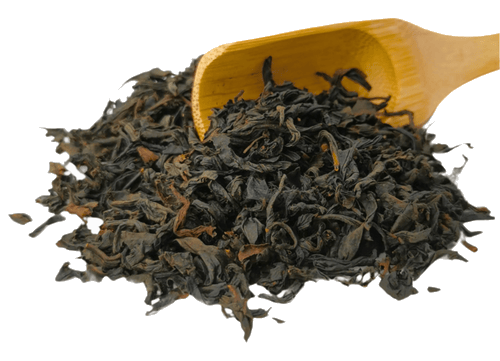
Tea Dregs: What to Do with Used Tea Leaves (Practical Ideas)

You have just drained a pot of oolong and the tea dregs sit there looking almost too good to throw away. The leaves have unfurled, they still smell faintly floral, and tipping them straight into the bin feels wasteful. The good news: there are a few genuinely useful things you can do with spent tea leaves, from rebrewing and composting to a handful of old household tricks. The slightly less exciting news: most of the elaborate internet recipes involving face masks, miracle fertilisers and magic cleaning potions are, at best, optimistic.
The tea in this guide: Formosa Oolong from £6.85 Shop it →
So what should you actually do with used tea leaves? If they are whole-leaf oolong, green or white tea, try a second infusion immediately. Once they really are finished, compost them or pop them in your council food-waste caddy. A few dried leaves can absorb fridge odours or help degrease a greasy pan. And if you fancy reading the future in them, well, we cannot stop you.
At a glance
- Whole-leaf teas often have a second or third infusion in them if you rebrew promptly.
- Drained, cooled spent leaves go into a mixed compost heap or council food-waste collection.
- Tea bags may contain plastic or staples: check the pack before composting.
- Dried tea leaves can absorb fridge odours or help cut grease on pans.
- Do not leave damp leaves sitting around for hours: wet food spoils quickly.
Can you rebrew loose-leaf tea?
If you are drinking whole-leaf oolong, green tea or white tea, the leaves often have more to give on a second steep. Our Formosa Oolong shifts from toasty and sweet on the first cup to something lighter and softer on the second. Quanzhou Milk Oolong keeps its creamy character through two or three infusions if you keep them short.
The trick is to rebrew promptly with fresh water at the same temperature. Do not leave a damp pot of leaves sitting at room temperature for hours and then treat it as fresh: wet food spoils quickly, and you will know it by the smell. Drain the first infusion completely, pour again, and taste the cup as it develops. It may be lighter, sweeter or simply different. If it tastes thin, the leaves have given what they have and it is time to move on to the compost bin.
Strong black teas and finely cut breakfast blends tend to give less on a second steep, but there is no rule against trying. The worst that happens is a weak cup.

Oolong Tea
Taiwanese oolong with gentle sweetness, toasted notes and a pleasantly dry finish.
Have a lookWhat to do with spent tea leaves: compost them
Once the leaves are cool and drained, they make a perfectly good addition to a home compost heap. Tea leaves contain nitrogen, phosphorus and potassium, the same nutrients found in commercial fertilisers, and they break down nicely alongside your usual mix of garden and kitchen waste. Mix a modest amount in rather than dumping a thick wet mound in one spot: your compost heap likes variety, not a soggy tea mountain.
If you use a wormery, the RHS guidance on worm composting recommends a varied diet in modest amounts. Add tea leaves as one ingredient among many, watch the moisture, and see how the worms respond.

Tea bags need checking
Loose leaf is straightforward. Tea bags are not all made alike. Some bags, meshes, strings and labels compost at home; others contain plastic or need industrial treatment. Remove any staples first. If in doubt, cut the bag open and compost just the leaves, or check whether your council's food-waste collection takes them. Recycle Now's tea-bag guide explains the differences and includes a local recycling checker.
Can you put tea leaves in food waste?
If you do not compost at home, many UK councils accept tea leaves and tea bags in the food-waste caddy. Check your local instructions: the rules on caddy liners and what counts as food waste differ by area. Drain the leaves before they go in to keep the job tidy. A quick press with the back of a spoon works.
If your collection does not take them, follow your council's route rather than assuming every bag or packaging component belongs in food waste.
Uses for used tea leaves around the house
Before you start staining the furniture or smearing wet leaves on your face, here are a few genuinely useful household tricks. None of them will change your life, but they might save a bit of effort.
Absorb fridge odours
Dry your spent leaves thoroughly on a tray (a few hours under a fan or in a very low oven) and put a small bowl of them in the fridge. Tea leaves contain tannins that absorb odours and moisture. Replace them every two to three weeks. NDTV Food notes that green, black and oolong leaves all work equally well.
Degrease pans and cutting boards
A spoonful of damp tea leaves on a greasy pan or cutting board can help cut through oil. The tannins do some of the work. Scrub gently, then rinse well to avoid leaving tea stains or tiny leaf particles behind. This is particularly useful for stubborn residue on stainless steel. It is not magic, but it does reduce the amount of washing-up liquid you need.
Freshen carpets and upholstery
Sprinkle fully dried tea leaves lightly over a carpet, sofa or mattress, leave for ten to fifteen minutes, then vacuum up. This is especially useful for homes with pets or in humid weather. Use completely dry leaves to avoid staining, and stick to light-coloured carpets with caution.
Polish wooden furniture
Rebrew your used black tea leaves in a small cup of hot water, let it cool, and wipe wooden tables or shelves with a soft cloth dipped in the tea. The tannins may enhance the wood's natural colour and add a mild sheen. Avoid pale or unfinished wood, which may darken unevenly.
| Use | Leaf state | How long | Notes |
|---|---|---|---|
| Fridge deodoriser | Fully dried | 2–3 weeks | Replace regularly |
| Greasy pan scrub | Damp | A few minutes | Rinse well after |
| Carpet freshener | Fully dried | 10–15 mins | Vacuum up thoroughly |
| Wood polish | Rebrewed liquid | Wipe on | Test on hidden spot first |

Oolong Tea
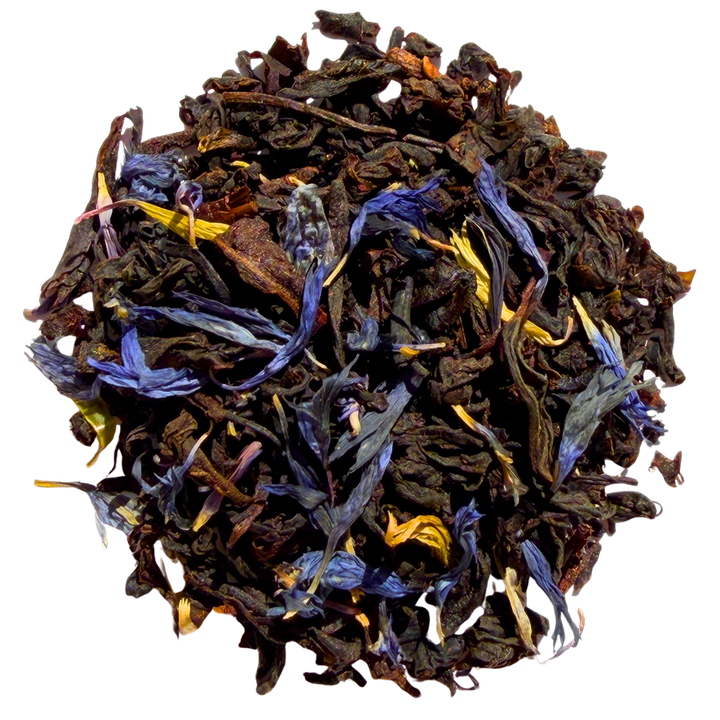
Oolong with blue mallow petals, soft floral notes and a smooth, lingering finish.
Have a lookCan you eat used tea leaves?
Some teas, yes. Tender leaves like gyokuro can be eaten after brewing: World Tea News reports that Japanese cooks add them to salads, rice or frittatas. In Kyoto, chazuke (green tea poured over cooked rice) and chagayu (a rice porridge made with houjicha) have been eaten for centuries.
Whether you would want to eat your English Breakfast leaves is another matter. The texture is not exactly inviting. But if you are brewing delicate Japanese greens and fancy a bit of an experiment, there is precedent.
Common myths about used tea leaves
The internet is full of grand claims about spent tea leaves. Let us be honest about what actually works.
Miracle fertiliser?
Mixing tea leaves into compost is sensible. Scattering wet piles of spent leaves around plants and expecting a feeding miracle is not. Tea leaves add some nitrogen, but they are not a balanced fertiliser on their own, and dumping soggy heaps around your tomatoes is more likely to attract slugs than produce a bumper crop.
Skin care?
Cool, moist tea bags on tired eyes after a long day is a time-honoured remedy for puffiness, and there is no harm in it. Smearing wet tea leaves on your face as a 'detox mask' is another matter. Wet food is not a sterile compress. Keep spent leaves away from eyes and broken skin.
Reading the future?
Tasseography, the art of reading tea leaves, has been popular since at least the seventeenth century. We cannot comment on its predictive accuracy, but if you do try it, use loose leaf rather than dust, and be prepared for a lot of ambiguous blobs. Our oolongs leave particularly attractive patterns if you squint.
A surprising true story about tea waste
In 2020, staff at the Hunan Museum in China needed to age a replica of a 2,100-year-old silk dress for display. Their solution? English Breakfast tea. The tannins stained the fabric to match the original's patina convincingly. So if you ever need to make something look authentically ancient, your morning cuppa might be more useful than you think.
On an industrial scale, tea waste has been used to grow mushrooms, feed fish and poultry, adsorb heavy metals from wastewater, and even produce biofuel. Researchers in Turkey have experimented with mixing tea waste into paper pulp. None of which is particularly relevant to your kitchen, but it is reassuring to know that even the tea industry's leftovers find a purpose.
What to try next
If you want teas that reward rebrewing, whole-leaf oolongs are a good place to start. Formosa Oolong and Quanzhou Milk Oolong both develop beautifully over two or three infusions. Blue Spring Oolong has soft floral notes and a smooth finish that shifts gently as you rebrew, while Orange Jasmine Oolong brings zesty brightness that holds up well.
Not sure where to start? The Tea Finder will point you in the right direction. For gifts, the letterbox teas fit through the door and include a few oolongs worth exploring.

Oolong Tea
Creamy oolong with floral notes and a gentle caramel sweetness. A lovely one to linger over.
Have a lookOrder online for free UK delivery on orders over £35, or call into the shop in Byram Arcade, Huddersfield. The kettle is always on.
Frequently asked questions
Can you rebrew all loose-leaf tea?
Whole-leaf oolongs, green teas and white teas often rebrew well, sometimes improving on the second steep. Finely cut black teas or strong breakfast blends may taste thin on a second infusion, but there is no harm in trying. If the cup lacks flavour, the leaves have given what they have.
How long can you leave damp tea leaves before composting?
Drain and compost them as soon as they are cool. Do not leave a damp pot of leaves sitting at room temperature for hours or overnight. Wet food spoils quickly, and you will know by the smell when it has gone off.
Can you put tea bags in compost?
Some tea bags compost at home; others contain plastic mesh or need industrial treatment. Check the pack. Remove staples first. If in doubt, cut the bag open and compost just the leaves, or check your council's food-waste collection rules.
Do tea leaves need draining before composting?
Yes. Drain them well to avoid adding excess moisture to your compost heap or making a mess of your food-waste caddy. A quick press with the back of a spoon works nicely.
Can you scatter spent tea leaves around plants as fertiliser?
Mixing a modest amount into a balanced compost heap is sensible and adds nitrogen to the mix. Scattering wet piles of spent leaves directly around plants is less useful and may attract pests. Compost first, then use the compost.
What to do with used loose leaf tea?
Rebrew promptly if the leaves are whole-leaf oolong, green or white tea. Once they are spent, compost them, put them in your council food-waste caddy, or dry them thoroughly for household uses like absorbing fridge odours or degreasing pans.
Sources: RHS · Recycle Now · World Tea News · NDTV Food