Eucalyptus Tea: Taste, Brewing and What the Research Says

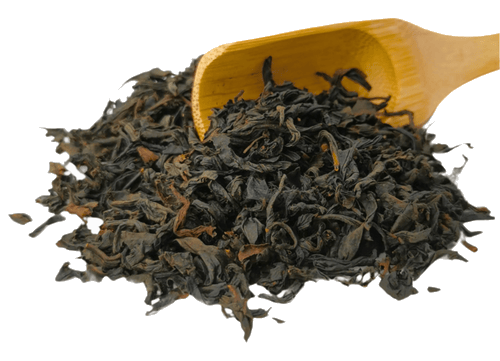
Eucalyptus tea is a caffeine-free herbal infusion brewed from the dried leaves of the eucalyptus tree, most often Eucalyptus globulus, the blue gum native to Australia. It tastes nothing like that menthol rub in your bathroom cabinet. The cup is pale gold, thin-bodied, savoury and herbaceous, somewhere between sage and thyme with a dry, palate-clearing finish. If you already enjoy rosemary, fresh mint or a crisp green herb, you will recognise the territory. If you want something soft, fruity or creamy, this is not the one.
The tea in this guide: Eucalyptus Tea from £3.40 Shop it →
The confusion starts with essential oil. Concentrated eucalyptus oil should never be swallowed. This guide is about whole dried eucalyptus leaf steeped in hot water, which is an entirely different product and a perfectly ordinary cup of herbal tea.
At a glance
- Naturally caffeine-free herbal infusion
- Crisp, savoury taste with notes of sage, thyme and a hint of camphor
- Brew one teaspoon per cup in freshly boiled water for three to five minutes
- Better without milk; a slice of lemon lifts the finish
- Not suitable for children; check with your GP or midwife if pregnant or breastfeeding
What does eucalyptus tea taste like?
Clean, green and slightly astringent. The aroma is fresh and resinous, with a faint camphor note that clears the sinuses before you even take a sip. The flavour itself is more savoury than medicinal: herbaceous, a little bitter, with a cooling finish that lingers. The taste is often described as minty, refreshing and bold, while others compare it to a cross between spearmint and rosemary. Honey and lemon soften the edges if you find it too austere on its own.
The scent can feel comforting when you have a stuffy nose, but it is still just a cup of tea, not a medicine cabinet.
How to brew eucalyptus leaf tea
Brewing eucalyptus tea is straightforward, but a few small details make the difference between a crisp, aromatic cup and a flat, tannic one.
- Boil fresh water and let it reach a rolling boil.
- Measure one teaspoon of dried eucalyptus leaf per cup.
- Pour the water over the leaves.
- Cover the mug or pot and steep for three to five minutes. Covering keeps the volatile aromatics in the cup rather than floating off into the kitchen.
- Strain the leaves and taste it plain first.
For a gentler cup, shorten the steep to three minutes or use slightly less leaf. Longer steeping mainly extracts more tannins and increases bitterness, so add more leaf rather than more time if you want a stronger brew. Milk flattens the clean herbal character, so leave it out. A slice of lemon or a drizzle of honey works well.

Herbal Tea
An aromatic eucalyptus infusion with fresh, savoury notes reminiscent of sage and thyme.
Have a lookIced eucalyptus tea
Brew a touch stronger than usual, cool it promptly under cold running water or in an ice bath, then refrigerate. Do not leave it sitting at room temperature for hours. Some people add fresh ginger or a strip of lemon zest for a more layered cold brew.
| Method | Leaf quantity | Water temp | Steep time |
|---|---|---|---|
| Hot (standard) | 1 tsp per cup | Freshly boiled | 3–5 mins |
| Stronger hot | 1.5 tsp per cup | Freshly boiled | 3–4 mins |
| Iced | 1.5 tsp per cup | Freshly boiled | 4 mins, then cool |

What does the research say about eucalyptus tea benefits?
Let us be direct: eucalyptus leaf tea has never been tested in a published clinical trial. The studies you might read about online involve cineole capsules, essential oil inhalations, chest rubs or manufactured products, not a mug of brewed leaf. Evidence from those products cannot be assumed to apply to tea.
What we do know is that the eucalyptus leaf contains 1,8-cineole (eucalyptol), a compound that has been studied in other forms. A 2009 six-month, double-blind trial gave 242 adults with COPD 200 mg of cineole three times daily and found fewer and milder exacerbations compared with placebo. A 2012 asthma trial with 247 patients reported modest gains. But these used standardised capsules delivering a precise dose, and nobody has measured how much cineole actually makes it into your mug. Cineole is volatile and only slightly water-soluble, so the amount in tea is likely far lower and highly variable.
Some laboratory studies have found antimicrobial activity in eucalyptus essential oil against bacteria such as Escherichia coli and Staphylococcus aureus, but there is insufficient research to prove those effects translate to drinking tea. The leaves do contain tannins, flavonoids, essential oils, cineol, terpineol and phenolic acids, which are found in many fruits, vegetables and herbs, but that does not make eucalyptus tea a health product.
In short: eucalyptus tea is a pleasant, caffeine-free drink with an interesting flavour. It is not a medicine. If you have breathing difficulties, a persistent cough or worsening symptoms, speak to your GP rather than relying on tea.
Eucalyptus tea safety: who should avoid it
The most important safety point is this: never add eucalyptus essential oil to your tea or substitute oil for dried leaf. Swallowed eucalyptus oil can cause nausea, vomiting, diarrhea, difficulty breathing, dizziness, tachycardia and drowsiness; published case reports describe severe toxicity from small volumes. Porter Hill's product is whole dried eucalyptus leaf and nothing else.
Eucalyptus tea is not suitable for children. Do not serve it to anyone under six without advice from an appropriate healthcare professional, and even older children should avoid it unless a doctor says otherwise. If you are pregnant or breastfeeding, check with your midwife, GP or pharmacist before drinking it. Eucalyptus may affect how the liver processes certain medications, so speak to your pharmacist if you take daily medicines or have kidney or liver problems.
Reported side effects from overconsumption include nausea, vomiting, diarrhea, dizziness and drowsiness. One or two cups a day is a reasonable limit for adults. If you are new to eucalyptus, start with a small cup and see how you get on.
Common myths and mistakes
Myth: eucalyptus tea cures colds
There is anecdotal tradition around eucalyptus and respiratory comfort, and the aroma can feel soothing when you are bunged up. But no scientific evidence proves that drinking eucalyptus tea prevents or cures colds, flu or any other illness. It is a warm drink, not a treatment.
Mistake: steeping too long for strength
If you want a stronger cup, add more leaf rather than steeping for ten or fifteen minutes. Long steeps mainly pull out tannins, making the tea harsh and bitter rather than more flavourful.
Mistake: adding milk
Milk flattens the clean, herbaceous character and leaves you with something murky and odd. This is a tea best drunk plain, with lemon, or with a little honey.
A brief history of eucalyptus leaf
Eucalyptus is native to Australia, where Aboriginal Australians used the leaves for generations in steam treatments and traditional remedies. European colonists adopted the plant in the nineteenth century, and eucalyptus groves were planted across the Mediterranean, South America and California. By the early twentieth century, eucalyptus had become a staple of European herbal practice, appearing in everything from cough drops to bath salts. Today, Australia remains the plant's spiritual home, but most commercial eucalyptus leaf comes from plantations in Spain, Portugal and South America.
The principal species used for tea is Eucalyptus globulus, the Tasmanian blue gum, though other species such as Eucalyptus camaldulensis (river red gum) also appear in herbal products. The leaves contain tannins, flavonoids, essential oils, cineol, terpineol and phenolic acids, which give the tea its characteristic aroma and astringency.

Is eucalyptus tea right for you?
Choose eucalyptus tea if you already enjoy savoury herbs, mint-adjacent aromas and a dry, palate-clearing finish. It suits an evening when you want no caffeine but do not fancy chamomile or a sweet berry blend. It is a poor match if you want soft florals, natural fruit sweetness or a tea that takes milk.
If plain eucalyptus sounds too stark, try blending it at home with a little Peppermint Tea or Spearmint Tea for a rounder, more layered cup. A slice of fresh ginger or a quarter teaspoon of ground turmeric can add warmth and depth.
What to try next
If you enjoy the crisp, herbal character of eucalyptus, Peppermint Tea is pure and cooling with a clear menthol finish and no caffeine. Organic Chamomile Tea brings soft floral and apple-like notes for a gentler evening cup. For something with a little natural sweetness, Liquorice Root Tea has an anise-like richness that lingers without any added sugar.
Not sure where to start? The Caffeine-Free Tasting Box includes five herbal teas side by side, and the Tea Finder can point you toward something you will actually enjoy.

Letterbox gift
Five caffeine-free herbal teas for evenings, after dinner or all day: mint, chamomile, fruit and ginger.
Have a lookOrder loose leaf Eucalyptus Tea online with free UK delivery on orders over £35, or call into the shop in Byram Arcade, Huddersfield. The kettle's on.
Frequently asked questions
Does eucalyptus tea have caffeine?
No. Eucalyptus tea is naturally caffeine-free because it is brewed from the leaves of the eucalyptus tree, not from Camellia sinensis, the tea plant. You can drink it in the evening without worrying about sleep.
What are eucalyptus tea benefits?
Eucalyptus tea is a pleasant, caffeine-free drink with a crisp, savoury flavour. Some studies have examined eucalyptus compounds in capsule or oil form for respiratory research, but no clinical trials have tested brewed eucalyptus leaf tea. Treat it as a drink, not a medicine, and speak to your GP about health questions.
Is eucalyptus tea safe during pregnancy?
Check with your midwife, GP or pharmacist before drinking eucalyptus tea if you are pregnant or breastfeeding. Herbal products can interact with medications or affect the body in ways that are not fully studied during pregnancy.
Can I give eucalyptus tea to children?
No. Do not serve eucalyptus tea to children without advice from an appropriate healthcare professional. Most sources recommend avoiding it entirely for children under six.
How should I store eucalyptus tea?
Keep the dried leaves sealed in an airtight container, away from heat, light and moisture. Stored properly, the leaves should retain their aroma for six to twelve months. Start with a small pack if the flavour is new to you.
Can I add milk to eucalyptus tea?
You can, but it flattens the clean herbal character and creates a murky cup. Try it plain first, or add a slice of lemon to brighten the finish instead.