Genmaicha: Taste, Brewing and Food Pairing Guide

Genmaicha smells like someone is making toast in a tea shop. It is Japanese green tea blended with roasted rice, and the combination gives you something warmer, nuttier and more approachable than a straight green tea. The rice pops during roasting, which is why some people call it popcorn tea, though there is no actual popcorn involved, just puffed grains and a comforting aroma that makes people stop and sniff the jar.
The tea in this guide: Genmaicha from £5.15 Shop it →
If you have tried green tea before and found it too grassy or sharp, genmaicha is worth another go. The toasted rice softens the vegetal edge and adds a gentle savoury sweetness that sits somewhere between breakfast cereal and a warm rice cracker. It is a tea you can drink all afternoon without getting tired of it.
At a glance
- Japanese green tea blended with toasted, popped rice
- Warm, nutty flavour often described as popcorn-like
- Brew at 70 to 80°C for one to two minutes
- Contains caffeine (it is made with green tea)
- Serve without milk; pairs well with savoury food
- Also known as brown rice tea or popcorn tea
What does genmaicha taste like?
Open a pouch of genmaicha and the first thing you notice is the aroma: toasted grain, a hint of butter, something that reminds you of popcorn or puffed rice cereal. The dry leaves are a mix of flat green tea and little golden rice grains, some of them popped open like tiny kernels.
In the cup, genmaicha brews to a light yellow or pale green. The flavour is a balance of two things: the fresh, slightly grassy character of green tea underneath a warm, nutty, roasted-grain note. The rice brings a gentle sweetness from its natural sugars and starch, which rounds out any bitterness and makes the whole thing feel comforting rather than challenging. Some people taste hazelnuts; others say it reminds them of a digestive biscuit or warm toast.
The name translates as 'brown rice tea', though the rice used is often roasted white rice or sometimes glutinous mochi rice. Traditional genmaicha uses roughly half rice and half tea by volume, which keeps the flavour balanced and the caffeine a touch lower than pure green tea.

Green Tea
Japanese green tea and roasted rice, with a warm, popcorn-like aroma. Toasty rather than sweetshop sweet.
Have a lookHow to brew genmaicha
Genmaicha is forgiving, but a few details make a real difference. The key is cooler water than you would use for black tea: boiling water can make green tea harsh and overly bitter, while cooler water lets the toasty sweetness come through.
- Measure one teaspoon of genmaicha (about 2.5g) per mug or 250ml of water.
- Boil the kettle and let it sit for a minute or two until it cools to around 70 to 80°C.
- Pour the water over the leaves and steep for one to two minutes.
- Strain completely and serve straight away.
If your cup tastes thin, add more leaf rather than steeping longer. If it tastes grassy or rough, your water was probably too hot. Some guides suggest 175 to 180°F (about 80°C) for two to three minutes, so there is room to experiment. Start gentle and adjust one thing at a time until you find the balance you like.

Genmaicha brewing temperatures and times
| Style | Water temperature | Steep time | Character |
|---|---|---|---|
| Lighter, sweeter | 70°C | 1 minute | Soft, mellow, more rice flavour |
| Balanced (recommended) | 80°C | 1.5 to 2 minutes | Toasty and fresh in equal measure |
| Bolder, more roasted | 85 to 90°C | 2 to 3 minutes | Stronger toast notes, more astringency |
Hotter water brings out more of the roasted aroma, but it also risks making the green tea base taste sharp. If you want that buttery, popcorn character to shine, err on the cooler side.
Do you add milk to genmaicha?
No. Milk muddies the toasted-rice aroma and flattens the green-tea freshness, which is the whole point. Serve it plain and let the two halves of the flavour do their work. If you want a milky green tea, matcha in a latte is a better choice.
The history of genmaicha
Nobody knows exactly how genmaicha started, but the stories all involve not wanting to waste good rice. One legend says a servant accidentally dropped rice into a samurai's tea and lost his head for it, though the samurai discovered he liked the taste. Another story credits a Kyoto tea merchant who mixed leftover New Year's mochi into tea rather than throw it away. Several Kyoto tea shops still claim this origin as their own.
What is certain is that genmaicha was once called 'people's tea' because the rice stretched out expensive tea leaves, making it affordable for poorer households. It was also drunk between meals during religious fasting to keep the stomach settled. Today, all segments of Japanese society drink genmaicha, and it has lost any association with poverty. A good genmaicha made with quality sencha is a refined thing.
What is matcha genmaicha?
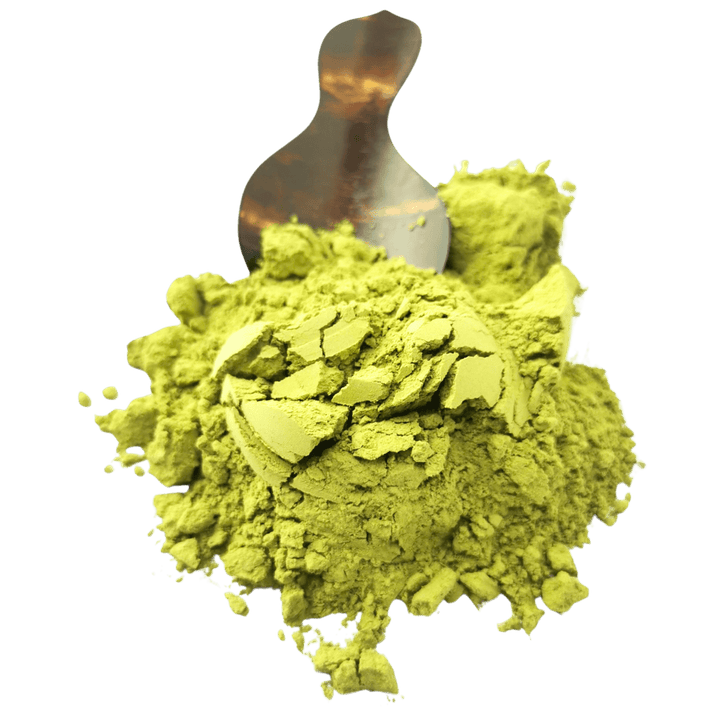
Plain genmaicha is green tea and rice. Matcha genmaicha, or matcha-iri genmaicha, has powdered matcha added to the blend. This makes the colour brighter green rather than light yellow, and the flavour is stronger and grassier. If you want the toasted character to lead, stick with plain genmaicha. If you want more of that vivid green-tea punch, the matcha version delivers it. Ours is the plain version.
Does genmaicha have caffeine?
Yes. Genmaicha is made with green tea, which naturally contains caffeine. The rice does not add caffeine, and because genmaicha is roughly half rice by volume, it is sometimes described as lower in caffeine than pure green tea. That said, there is no standardised caffeine content for genmaicha, and the amount depends on the tea base, the ratio of rice to leaf, and how you brew it. Treat it as you would any green tea: fine for most people during the day, but worth avoiding late in the evening if caffeine keeps you awake.
If you want a Japanese green tea without the caffeine, try Decaf Kyushu Sencha, which has been gently decaffeinated while keeping the fresh vegetal notes.
Food pairing: what to eat with genmaicha
Genmaicha is one of the best teas for food. The toasted-grain flavour sits beautifully alongside savoury dishes, and the light body does not compete with what you are eating.
Try it with:
- Toast, butter, eggs: the obvious breakfast pairing
- Rice dishes, sushi, onigiri: tea and rice echo each other
- Grilled vegetables, especially mushrooms or courgette
- A cheese toastie or Welsh rarebit
- Mild fish like salmon or mackerel
- Ochazuke, the Japanese dish of rice with tea poured over it
In Japan, genmaicha is often drunk as an after-meal tea because the rice helps cleanse the palate. It is also traditional in ochazuke, where you pour hot green tea over leftover rice with pickles, seaweed and fish. The toasted notes of genmaicha make it especially good for this.

Green Tea
Roasting gives this Japanese green tea its warm, nutty flavour and toasty aroma.
Have a lookCommon mistakes when brewing genmaicha
The biggest mistake is using boiling water. Green tea leaves release bitter compounds when scalded, and while the rice can soften some of that, you will still end up with a rough, astringent cup. Let your kettle cool for a minute or two, or pour some cold water into the mug first.
The second mistake is over-steeping. If you leave genmaicha brewing for five minutes hoping for more flavour, you will just get bitterness. One to two minutes is plenty. If the cup tastes weak, add more leaf next time.
Finally, do not expect a second steep to taste like the first. The toasted-rice character fades quickly after the first infusion. You can resteep with slightly hotter water and an extra minute, but manage your expectations.
How does genmaicha compare to other Japanese green teas?
Genmaicha sits in the middle of the Japanese green tea family: more approachable than sencha, less roasted than hojicha. Here is a quick comparison:
| Tea | Main character | Best for |
|---|---|---|
| Genmaicha | Toasty, nutty, popcorn-like | Savoury food, afternoon drinking |
| Sencha | Grassy, fresh, savoury-sweet | Morning tea, clean green flavour |
| Hojicha | Roasted, woody, nutty | Evening, low-key, warming |
| Kukicha | Light, sweet, nutty stems | Gentle all-day drinking |
If you enjoy genmaicha's toasted side, Hojicha takes the roasting further with a warm, woody depth. If you prefer the green, grassy notes, Sencha is the classic choice. Our Japanese green tea guide explains the differences in more detail.
What to try next
If genmaicha has won you over with its toasted warmth, Hojicha is the natural next step. It is roasted even more deeply, with a nutty, caramel-like flavour that is lovely in the evening. For a brighter, grassier green tea without the rice, Sencha is the classic Japanese choice, clean and savoury-sweet.
Not sure which direction to go? The Japanese Green Tea Adventure Box lets you taste genmaicha, sencha, hojicha and more side by side, and it fits through a letterbox if you are sending it as a gift. Or take the Tea Finder quiz and we will point you towards teas you will actually enjoy.

Letterbox gift
Japanese Green Tea Adventure Box
A selection of Japanese loose leaf teas, ready to compare cup by cup or send as a gift.
Have a lookYou can order Genmaicha loose leaf online with free UK delivery on orders over £35. Or call into the shop in Byram Arcade, Huddersfield, and we will let you smell it first. The kettle is always on.
Frequently asked questions
What are the benefits of genmaicha tea?
Genmaicha is a pleasant, easy-drinking tea with a warm, toasted flavour. It contains caffeine and the same compounds found in green tea, but we do not make health claims for it. If you have questions about tea and your health, speak to your GP or pharmacist. Genmaicha is a drink to enjoy, not a medicine.
Can I resteep genmaicha leaves?
You can try a second steep with slightly hotter water and an extra minute, but the toasted-rice character fades quickly. The first steep is usually the best one. If you want multiple infusions from the same leaves, a pure sencha or oolong will reward that approach better.
Why is genmaicha called popcorn tea?
Because some of the rice grains pop during roasting, just like popcorn kernels. They puff up and look a bit like tiny pieces of popcorn in the leaf blend. There is no actual popcorn in it, just rice that has been heated until it puffs.
Is genmaicha the same as brown rice tea?
Yes. Genmaicha translates as 'brown rice tea' in Japanese, though confusingly the rice used is often roasted white rice rather than brown rice. The name refers to the unhulled appearance of some grains rather than the variety of rice. In practice, genmaicha, brown rice tea and popcorn tea all mean the same thing.
Can I drink genmaicha in the evening?
It contains caffeine, so it depends on how sensitive you are. If you are fine with green tea after dinner, you will be fine with genmaicha. If caffeine keeps you awake, choose something from the caffeine-free range instead, or try Hojicha, which some people find gentler in the evening.
How should I store genmaicha?
Keep it in an airtight tin or sealed pouch, away from light and strong-smelling things like coffee or spices. The toasted-rice aroma fades if it sits around for months, so try to use it within a few weeks of opening for the best flavour.
Sources: Wikipedia · Global Japanese Tea Association · Serious Eats