Lavender Tea: Taste, Brewing and the Best Blends to Try

Lavender tea is one of those drinks people either love instantly or eye with suspicion, wondering if they're about to drink a bath bomb. Fair concern. But brewed properly, lavender makes a fragrant, caffeine-free cup that sits somewhere between herbal and floral, calming without being cloying. The purple buds of Lavandula angustifolia steep into a pale, slightly golden infusion with a gentle sweetness and that unmistakable lavender scent drifting up from the mug.
The tea in this guide: Cream Earl Grey from £4.65 Shop it →
If you've only encountered lavender in soap or scented candles, the tea version is softer than you'd expect. The trick is using the right amount and not over-steeping. Get that wrong and yes, you'll be drinking something that tastes like your nan's linen drawer.
At a glance
- Lavender tea is a caffeine-free herbal infusion made from dried lavender flower buds
- Use half a teaspoon of buds per cup, steep in water just off the boil for 5 minutes
- The brewed tea is pale beige with a light purple tint, not bright purple
- Pairs beautifully with Earl Grey, chamomile, rooibos and black tea
- Always use food-grade or culinary lavender, never decorative flowers
What does lavender tea taste like?
The flavour is floral first, with a gentle sweetness underneath. Some people pick up hints of rosemary or mint, which makes sense since lavender belongs to the same plant family. There's a slight woody or earthy note too, especially if you steep it longer. The aroma does most of the work here: you smell it before you taste it, and that scent carries through each sip.
It's not a bold tea. If you're used to a strong breakfast brew with milk, lavender will feel delicate by comparison. That's the point. This is a cup for winding down, not for powering through a Monday morning. The colour in the cup is paler than most people expect, more like weak honey than purple.

How to brew lavender tea properly
The difference between pleasant and perfumed comes down to quantity and time. Too many buds or too long a steep and you'll cross into soapy territory. Here's a method that works:
- Boil fresh water and let it cool for about a minute, or set your kettle to around 95 to 100°C.
- Use half a teaspoon of dried lavender buds per cup (about 250ml).
- Pour the water over the buds and cover the cup or pot.
- Steep for 5 minutes, then strain.
Around five minutes produces a milder tea; steeping for up to ten minutes produces a stronger, more fragrant cup. Unlike green tea, lavender won't turn bitter with longer steeping, but the floral intensity increases. If you want it stronger, go to 7 or 8 minutes rather than adding more buds. Taste before sweetening; it's naturally quite gentle.
| Tea type | Water temp | Steep time | Caffeine |
|---|---|---|---|
| Pure lavender | 95–100°C | 5 minutes | None |
| Lavender Earl Grey | 95–100°C | 3–4 minutes | 40–70mg |
| Lavender chamomile | 100°C | 5–7 minutes | None |
| Lavender rooibos | 100°C | 3–5 minutes | None |
Lavender Earl Grey: why the blend works so well
Lavender and bergamot are natural partners. Both are floral and citrusy in their own ways, and when you combine them over a proper black tea base, you get something more interesting than either alone. Lavender Earl Grey has become one of the most searched-for tea blends in the UK, and with good reason.
The bergamot brings brightness and a slight sharpness, the lavender softens it with that herbaceous sweetness, and the black tea provides enough body to take a splash of milk if you want it. It's the tea version of a well-balanced perfume: distinct notes that somehow don't compete.

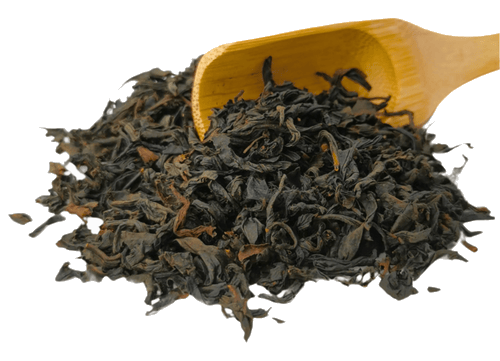
Black Tea
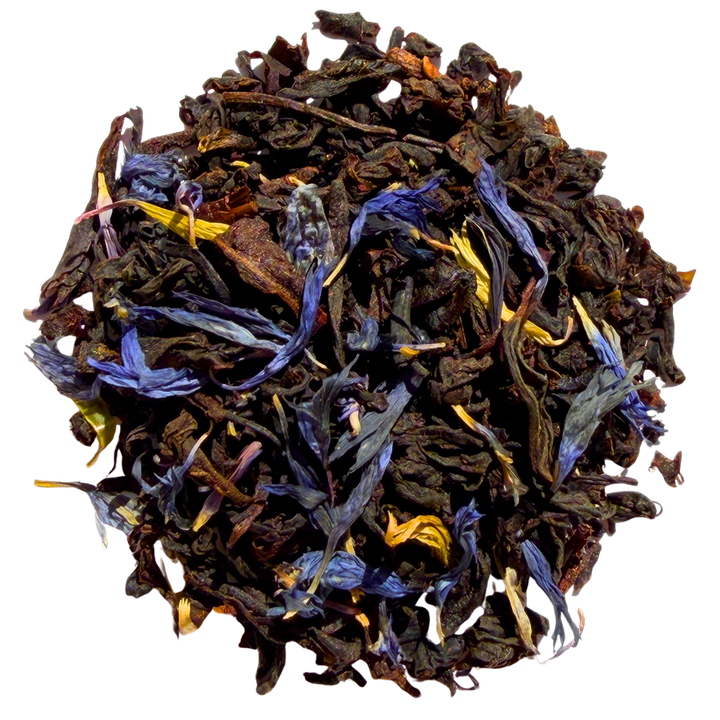
The familiar bergamot of Earl Grey, softened by a creamy, vanilla-like sweetness.
Have a lookOur Cream Earl Grey takes a similar approach, with vanilla-like sweetness softening the bergamot. If you enjoy lavender Earl Grey, this one's worth trying alongside. For the classic bergamot-forward version, there's always Classic Earl Grey, which you could steep with a few lavender buds from a kitchen jar if you want to experiment.
Chamomile and lavender tea: a caffeine-free combination
This is the pairing for people who want something genuinely relaxing in the evening. Both chamomile and lavender are caffeine-free, and their flavours complement rather than clash. Chamomile is apple-like and slightly sweet; lavender adds that distinctive floral note without overpowering the blend.
You can make your own by mixing equal parts chamomile flowers and lavender buds, or look for a pre-blended version. Steep at full boil for 5 to 7 minutes. It's the sort of cup you drink in a quiet house after everyone else has gone to bed, and it does its job without any drama.
Lavender rooibos: floral without the caffeine
Red rooibos makes an excellent base for lavender because it's mellow, naturally sweet and won't compete for attention. The combination gives you something more substantial than pure lavender tea but still entirely caffeine-free.

Rooibos Tea
Rooibos, berries, lavender and rose petals make a softly fragrant, mellow blend.
Have a lookOur Rooibos de Provence does exactly this: rooibos with elderberry, blueberry, lavender and rose petals. The name suggests southern France, but the drink is really about that flower-and-berry character working together. Try it without milk first so you can taste what the lavender and rose are doing. Good hot or iced.
Lavender matcha: does it work?
Surprisingly, yes. Lavender matcha has been gaining popularity, particularly as a latte. The grassy, slightly savoury notes of matcha balance the floral sweetness of lavender, and when you add steamed milk it becomes something quite rich and interesting.
To make one at home, whisk half a teaspoon of matcha with a small amount of hot water until smooth, add a quarter teaspoon of lavender buds steeped separately, then top with warm frothed milk. It's not traditional by any stretch, but it's genuinely pleasant. The colour is a muted green-grey rather than bright green.
What does the research say?
Lavender has been the subject of various studies, mostly looking at its essential oil rather than tea specifically. A few findings are worth noting, though none of them mean you should treat lavender tea as medicine.
A study in 60 older adults found that drinking two cups of lavender tea twice daily for two weeks was associated with greater decreases in anxiety and depression scores compared to a placebo. Another study in 80 new mothers found that drinking a cup of lavender tea daily for two weeks while appreciating its aroma was linked to less fatigue and depression, though after four weeks the differences had evened out.
Most research has focused on lavender aromatherapy or essential oil supplements rather than the tea itself. One study gave participants 80mg of Silexan, a lavender essential oil extract, daily and reported reduced anxiety, but that's a concentrated dose quite different from sipping a cup of tea.
The honest answer is that evidence specifically for lavender tea remains limited. It's a pleasant, caffeine-free drink that many people find relaxing, but it's not a treatment for anything. If you have health concerns, talk to your GP.
Common mistakes when making lavender tea
Using too much lavender
This is the big one. Half a teaspoon per cup is enough. More than that and the tea becomes overwhelming, like someone sprayed air freshener in your mug.
Using decorative lavender
Always use culinary-grade lavender grown and processed for consumption. Lavender from florists or craft shops may have been treated with pesticides or preservatives. If it doesn't say food-grade, don't drink it.
Expecting purple tea
Lavender flowers are purple, but the brewed tea is pale beige with only a hint of purple. If your tea is bright purple, something's been added.
Adding milk without thinking
Pure lavender tea is best without milk. The fat mutes the floral notes. Lavender Earl Grey can take a splash because the black tea base provides enough structure, but straight lavender is better on its own or with a drop of honey.
A brief history of lavender in tea and beyond
Lavender was used as a healing herb in ancient Greece, Rome and Egypt, including in baths, balms and aromatherapy. The Romans used it in baths (the name comes from the Latin lavare, to wash), while medieval Europeans scattered it on floors to freshen rooms. The leap to drinking it came later, as herbalists experimented with infusions.
There are around 39 to 40 species of lavender, but English lavender (Lavandula angustifolia) remains the most common for culinary use. It's milder and sweeter than French or Spanish varieties, which can be more camphor-like and medicinal.
What to try next
If you're drawn to floral teas, the Rooibos de Provence gives you lavender and rose over a caffeine-free rooibos base. For the bergamot-and-lavender combination, Cream Earl Grey offers that floral citrus character with added vanilla smoothness. The Earl Grey Tasting Box lets you try five different Earl Greys side by side, including creamy and zesty versions.
Not sure where to start? The Tea Finder quiz asks a few quick questions and points you to something you'll actually enjoy.
Order loose leaf with free UK delivery on orders over £35, or call into the shop in Byram Arcade, Huddersfield, and we'll talk you through the lot.
Frequently asked questions
Is lavender Earl Grey tea caffeinated?
Yes. Lavender Earl Grey is made with black tea, which contains caffeine, typically 40 to 70mg per cup depending on the blend and brewing time. Pure lavender tea on its own is completely caffeine-free. If you want the bergamot-lavender combination without caffeine, try blending lavender with Earl Grey Rooibos instead.
Where can I buy lavender tea in the UK?
Health food shops, specialist tea merchants and some supermarkets stock lavender tea. For blends like lavender rooibos, look for loose leaf options rather than tea bags, as the quality tends to be better. Our Rooibos de Provence contains lavender alongside rose and berries, available online with free UK delivery over £35.
Does lavender tea help you sleep?
There's no strong clinical evidence that drinking lavender tea directly improves sleep. Some small studies have found associations between lavender aromatherapy and better sleep quality, but the research specifically on lavender tea is limited. It's caffeine-free and many people find it relaxing, which may help with winding down, but it's not a sleep aid.
Can I drink lavender tea while pregnant?
Lavender tea is generally considered safe in moderate amounts, but if you're pregnant or breastfeeding, check with your midwife or GP first. Some herbal teas are best limited during pregnancy, and professional advice is always the safest route.
What's the difference between lavender Earl Grey tea bags and loose lavender Earl Grey?
Tea bag versions typically combine black tea, bergamot flavouring and lavender. Loose leaf versions typically use whole lavender buds and higher-quality tea leaves, giving you more control over strength and a fuller flavour. The brewing method is the same, but loose leaf often tastes more nuanced.
Sources: Healthline · Gardenia · MedicineNet