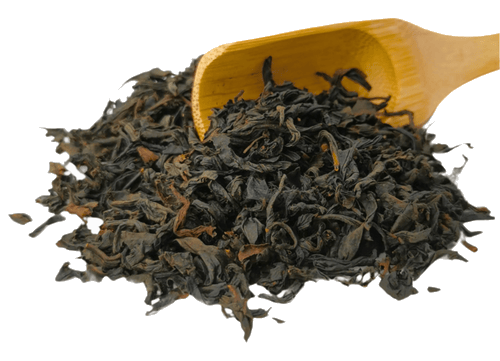
Ceylon Tea: A Guide to Sri Lanka's Tea Regions and Taste

Ceylon tea is black tea from Sri Lanka, and the island's dramatic landscape means one Ceylon can taste completely different from another. A high-grown tea from Nuwara Eliya might be light and floral, while a low-grown tea from Sabaragamuwa could be dark, full and built for milk. If you've ever wondered why two teas labelled 'Ceylon' taste nothing alike, elevation is usually the answer.
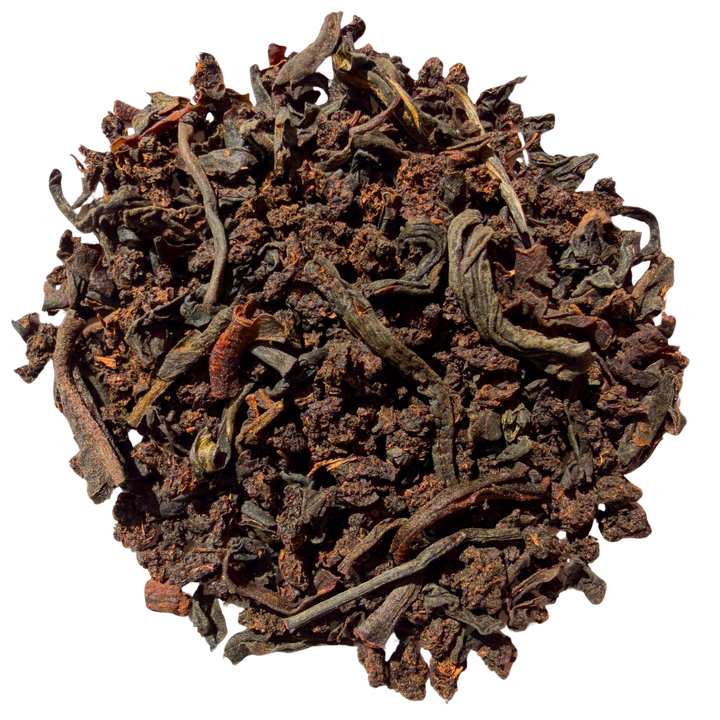
The tea in this guide: Lover's Leap Ceylon OP from £4.25 Shop it →
Sri Lanka was the fourth-largest tea producer and third-largest tea exporter in the world as of 2019, and the country has been growing tea since 1867. That's over 150 years of working out how to coax different characters from hillsides, valleys and plains. Understanding the regions helps you choose a Ceylon that actually suits your taste, rather than just hoping for the best.
At a glance
- Ceylon tea means tea from Sri Lanka, using the country's former colonial name
- Flavour varies dramatically by elevation: high-grown is light and brisk, low-grown is dark and strong
- Seven main growing regions, each with distinct character
- Most Ceylon tea is orthodox, hand-processed black tea
- Caffeine: roughly 50 to 90 mg per cup depending on type and brewing
- Look for the Lion Logo to confirm 100% pure Ceylon tea packed in Sri Lanka
What makes Ceylon tea different from other black teas?
Ceylon tea comes exclusively from Sri Lanka, and the island's geography creates variety you won't find in most tea-producing countries. Tea gardens sit at elevations from sea level right up to 8,000 feet, across central highlands and southern plains. Each altitude produces leaves with different chemical compositions, which means different flavours in your cup.
Most Ceylon tea is orthodox and artisanal, meaning the leaves are hand-processed rather than machine-chopped. This gives you whole, wiry leaves that unfurl properly when you brew them. The Sri Lanka Tea Board's Lion Logo guarantees a pack contains 100% pure Ceylon tea, packed in Sri Lanka to the Board's quality standards. That logo had been registered in 98 countries by 2016.
How does elevation affect Ceylon tea flavour?
Elevation is the single biggest factor in how a Ceylon tea will taste. The higher the garden, the cooler the air, the slower the leaves grow, and the more delicate and complex the flavour becomes. Lower gardens produce faster-growing leaves with bolder, darker liquor.

| Category | Elevation | Character | Best served |
|---|---|---|---|
| High-grown | Above 4,000 ft | Light, brisk, floral, golden liquor | Plain or with lemon |
| Mid-grown | 2,000–4,000 ft | Rich flavour, good colour, balanced | Plain or light milk |
| Low-grown | Below 2,000 ft | Strong, dark, full-bodied | With milk |
High-grown teas from places like Nuwara Eliya are considered premium, with intense aromas and a pale golden cup. Low-grown teas have good colour and strength, and they're the ones that stand up to a proper splash of milk on a wet Tuesday morning.
Uva vs Nuwara Eliya: what's the difference?
These are Sri Lanka's two most famous high-grown regions, and they produce quite different cups despite both sitting above 4,000 feet.
Nuwara Eliya
Sri Lanka's highest tea-producing area. The teas here are delicate with a floral fragrance and a light, brisk flavour. Think champagne rather than stout. These are teas for drinking plain, where you can actually taste the nuance. Add milk and you'll wonder why you bothered.
Uva
Also high-grown, but with a different character: sweet flavour and a woodsy aroma that can tolerate a little milk without losing itself entirely. Uva also produces some white teas. If Nuwara Eliya is too delicate for your taste but you want something more interesting than a breakfast blend, Uva is worth trying.
Other regions worth knowing
Dimbula: Central highlands, producing teas that range from full-bodied to delicate but are generally mellow and approachable.
Kandy: Mid-grown, with a rich copper colour and medium strength. A good all-rounder.
Sabaragamuwa and Ruhuna: Low-grown regions producing dark, strong teas that take milk well. These are the workhorses, the ones that get you through Monday.

What does Ceylon black tea taste like?
A classic Ceylon profile is bold, full and brisk, with medium-to-full tannins. Depending on the region and processing, you might notice citrus, chocolate or spice notes. High-grown teas lean floral and clean; low-grown teas are rounder and more robust.
The best way to understand Ceylon tea is to taste a few from different elevations side by side. A high-grown Lover's Leap and a fuller-bodied Lumbini will show you just how much range exists under one name. Both are Ceylon, both are good, and they're almost nothing alike.
How to brew Ceylon tea properly
Ceylon tea is forgiving, but a few details make the difference between a good cup and a great one.
- Start with fresh water. Stale reboiled water tastes flat and affects the tea.
- Use one teaspoon of loose leaf per cup, or one teaspoon per person plus one for the pot if you're making a potful.
- Bring water to a full rolling boil: 100°C or 212°F.
- Pour directly over the leaves and cover to keep the heat in.
- Steep for 3 to 5 minutes. Three gives you a lighter cup; five gives you more body and briskness.
- Remove the leaves when it suits your taste. Leaving them in will make the cup more tannic and drying.
For high-grown Ceylons, err on the shorter side and taste at three minutes. For low-grown teas you're adding milk to, four or five minutes gives the strength to carry it.
Should you add milk to Ceylon tea?
It depends entirely on the tea. Low-grown Ceylons are built for milk: strong, dark, with enough tannin to cut through dairy without disappearing. High-grown teas are better plain or with a squeeze of lemon. Add milk to a delicate Nuwara Eliya and you'll taste mostly milk.
If you're not sure, try the first cup plain. You can always add milk next time, but you can't un-add it.

Black Tea
A full-bodied Ceylon tea from Lumbini, with rich flavour and a rounded finish.
Have a lookCommon mistakes when buying Ceylon tea
Assuming all Ceylon tea tastes the same
This is like assuming all wine tastes the same because it comes from France. The regional and elevation differences are enormous. If you tried one Ceylon and didn't like it, try another from a different region before writing off the whole category.
Ignoring the leaf grade
Orange Pekoe doesn't mean orange flavour. It's a grading term describing whole, wiry leaves without much tip or broken bits. FBOP, BOP, and other grades indicate different leaf sizes and styles. Whole-leaf grades generally give a smoother, more nuanced cup; broken grades brew faster and stronger.
Skipping the Lion Logo
If authenticity matters to you, look for the Sri Lanka Tea Board's Lion Logo. It confirms the tea is 100% pure Ceylon, packed in Sri Lanka to quality standards. Without it, you might be getting a blend with tea from other countries.
A brief history of Ceylon tea
Ceylon tea began as an experiment in 1867, initially covering just 19 acres. Before that, Sri Lanka was a coffee-producing island, but a devastating fungal blight wiped out the coffee plantations in the 1860s and 1870s. Planters turned to tea as an alternative, and it worked rather well.
Today, Sri Lanka's tea industry satisfies 19% of global demand and is the country's largest employer. The industry has also earned some unusual distinctions: Ceylon tea is described as the world's first 'Ozone Friendly Tea' because Sri Lanka doesn't use methyl-bromide during packaging and shipping, a practice recognised under the Montreal Protocol Treaty.
The ISO Technical Committee has also confirmed that Ceylon tea is among the world's cleanest in terms of pesticide residues. For a small island, Sri Lanka punches well above its weight in tea production and quality standards.
Is Ceylon loose leaf tea better than tea bags?
Loose leaf gives you whole leaves that unfurl and release their flavour properly. Tea bags often contain smaller, broken pieces that brew faster but can taste more bitter and one-dimensional. If you want to taste what makes a particular region special, loose leaf is the way to go.
That said, convenience has its place. If you're making a quick mug before running out the door, a decent tea bag does the job. Just know that you're trading some nuance for speed.
Caffeine in Ceylon tea
Ceylon tea contains roughly 50 to 90 mg of caffeine per 8-ounce cup, depending on the specific tea and how you brew it. Longer steeping increases caffeine content. Black Ceylon teas have more caffeine than green or white varieties from the same plant.
If you're watching your caffeine intake, our Decaf English Breakfast offers a smooth alternative for evenings, though it's not a Ceylon.
What to try next
If you're new to Ceylon tea or want to explore the range:
Lover's Leap Ceylon OP is a bright, high-grown tea with floral and pine-like notes. It's best drunk plain and shows what a light, brisk Ceylon can do.
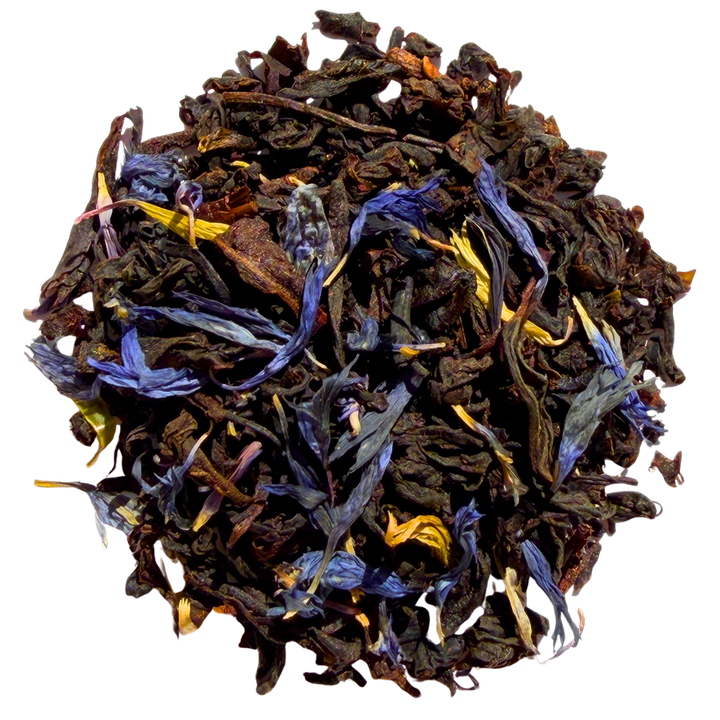
Lumbini Ceylon Orange Pekoe has more body and a rounder finish. Still bright, but with enough presence to take a splash of milk if you want it.
Lumbini Ceylon FBOPFEXS is the most complex of the three, with layers of fruit flavour that shift with each sip. One for when you want to pay attention to your tea.
Not sure which direction to head? The Tea Finder asks a few questions and points you toward teas that match your taste.

Black Tea
Lumbini black tea with a rich body and layers of fruit flavour. A little different with each sip.
Have a lookYou can browse the full Sri Lankan tea collection or explore our black tea range for Assams, breakfast blends and more. Free UK delivery on orders over £35, or call into the shop in Byram Arcade, Huddersfield if you'd like to taste before you buy.
Frequently asked questions
Is Ceylon tea the same as Sri Lankan tea?
Yes. Ceylon is the former colonial name for Sri Lanka, and 'Ceylon tea' simply means tea from Sri Lanka. The name stuck because it was already well-established in international markets before the country changed its name in 1972. Both terms refer to the same teas from the same island.
What does Ceylon Orange Pekoe mean?
Orange Pekoe is a leaf grade, not a flavour. It describes whole, wiry tea leaves without much tip or broken pieces. The 'orange' has nothing to do with citrus; it likely comes from the Dutch House of Orange, though the exact origin is disputed. Ceylon Orange Pekoe means whole-leaf tea from Sri Lanka.
Is pure Ceylon tea better than blended tea?
Neither is inherently better; they serve different purposes. Pure Ceylon tea lets you taste the character of a specific region and elevation. Blended teas combine leaves from different origins to create a consistent flavour profile, which is useful for breakfast blends meant to taste the same every time. Pure teas occupy roughly 10% of the global market.
Where can I buy Ceylon loose leaf tea in the UK?
We stock several Ceylon teas including Lover's Leap and Lumbini Orange Pekoe. Order online with free UK delivery over £35, or visit our shop in Byram Arcade, Huddersfield to taste before you buy.
How should I store Ceylon tea leaves?
Keep your tea in an airtight container away from heat, light, moisture and strong-smelling foods. A tin or sealed pouch in a cupboard works well. Ceylon tea is packed within three weeks of harvesting to preserve freshness, so proper storage at home helps maintain that quality.
Can I make iced tea with Ceylon tea?
Absolutely. Ceylon's brisk character works well cold. Brew it slightly stronger than usual, let it cool, then pour over ice. A squeeze of lemon suits it nicely. Low-grown Ceylons make a more robust iced tea; high-grown varieties give you something lighter and more refreshing.
Sources: Wikipedia · Sri Lanka Export Development Board · The Spruce Eats · Healthline