Masala Chai Recipe: How to Make Proper Stovetop Chai

A good masala chai should warm you from the first sip to the last. Not the powdered stuff from a café, not a teabag dunked in hot milk, but real chai: black tea simmered with crushed spices, fresh ginger and enough milk to turn it the colour of caramel. The kind that fills the kitchen with the smell of cardamom and makes a grey afternoon feel a bit more bearable.
The tea in this guide: Jasmine Masala Chai from £3.60 Shop it →
This is a proper stovetop masala chai recipe. You will need about fifteen minutes, a small saucepan and a handful of whole spices. The method is simple once you understand why each step matters, and the result is better than anything you will find in a packet.
At a glance
- Traditional Indian spiced tea made with black tea, milk, sugar and whole spices
- Core spices: green cardamom, fresh ginger, cinnamon, cloves, black pepper
- Total time about 15 minutes, including a short rest
- Water-to-milk ratio of roughly 2:1 for balanced body
- Serves 2; scales easily
What is masala chai?
In Hindi, 'masala' means spices and 'chai' simply means tea. So masala chai is spiced tea, and 'chai tea' technically translates as 'tea tea'. The drink originated in India and is now enjoyed across South Asia and far beyond. At its heart it is black tea brewed with aromatic spices, sweetened, and finished with milk.
Every household has its own version. Some like it heavy on ginger, others load in the cardamom or add a star anise for a hint of liquorice. There is no single correct recipe, only the one that tastes right to you.
The spices you need
A proper masala chai uses whole spices, lightly crushed. Pre-ground spices lose their punch quickly, so buy whole and crack them yourself. You do not need a fancy spice grinder: a pestle and mortar, or the flat of a heavy knife on a chopping board, works fine.
Essential spices:
- Green cardamom – the most important spice according to traditional recipes. Crack the pods open and grind the seeds.
- Fresh ginger – sliced thin or grated for more intensity.
- Cinnamon – a short stick, about 2.5cm, crushed. Ceylon or cassia both work.
- Cloves – two or three, no more. They dominate if you overdo it.
- Black peppercorns – just a couple, for gentle heat without fire.
Optional extras:
- Nutmeg (a tiny grating)
- Fennel seeds
- Star anise

Masala chai recipe
This recipe makes two generous cups. Scale up proportionally if you are making a pot for company.
Ingredients
- 300ml water
- 150ml whole milk (or oat milk for dairy-free)
- 4 green cardamom pods
- 2 cloves
- 2 black peppercorns
- One 2.5cm piece of cinnamon stick
- A 1cm knob of fresh ginger, sliced thin
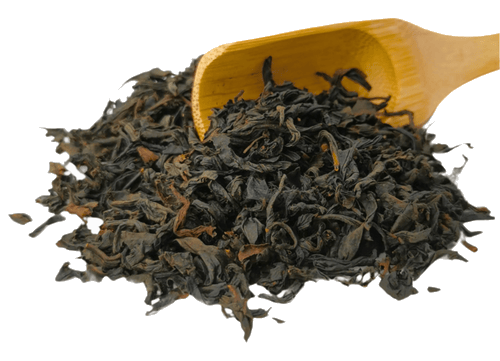
- 2 teaspoons loose-leaf black tea (Assam works well)
- 1 to 2 teaspoons sugar, jaggery or honey, to taste
Method
- Crush the spices. Crack the cardamom pods and remove the seeds. Lightly crush the seeds with the cinnamon, cloves and peppercorns. You want them broken, not powdered.
- Boil the spice water. Put the water, crushed spices and ginger slices into a small saucepan. Bring to the boil, then reduce the heat and simmer for 3 to 4 minutes. The kitchen should start smelling wonderful.
- Add the tea. Stir in the loose-leaf black tea and simmer for another 2 to 3 minutes until the liquid turns a deep reddish brown.
- Add milk and sweetener. Pour in the milk and add your sugar or jaggery. Stir gently.
- Bring to a second boil. Let the chai come to a boil, watching it carefully. Milk likes to climb up the pan and make a mess. As it rises, take the pan off the heat briefly, then return it and let it boil again. Repeat this once or twice; traditional methods often repeat the boil three times.
- Simmer and rest. Reduce the heat to low and simmer for 2 minutes more. Take off the heat, cover and rest for 2 to 3 minutes.
- Strain and serve. Pour through a fine-mesh strainer into cups. Serve hot, ideally with a biscuit or two.

Black Tea
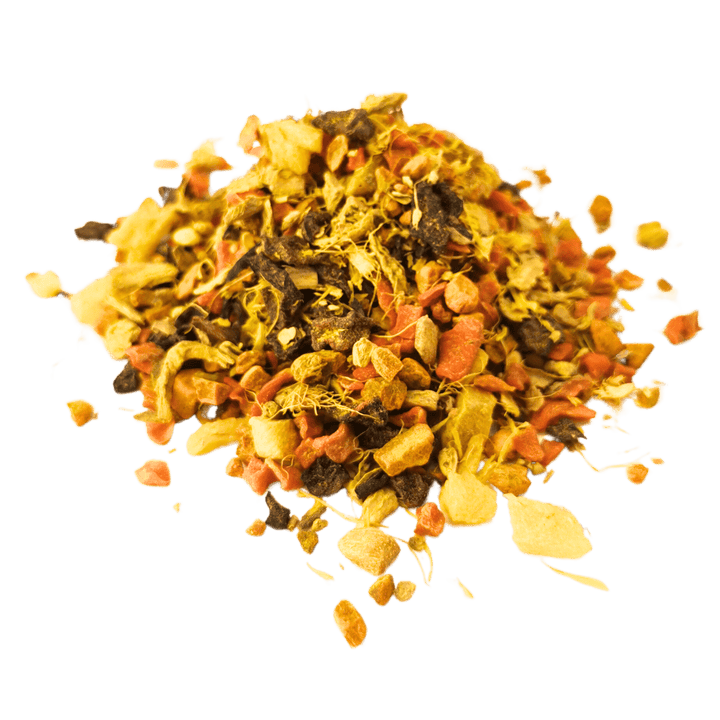
Ginger-led chai spice meets jasmine, rose and lavender for a lighter floral finish.
Have a lookWater-to-milk ratio: getting the balance right
The ratio of water to milk changes everything. Too much milk and you get something closer to spiced warm milk than tea. Too little and it tastes thin.
| Ratio (water : milk) | Character | Best for |
|---|---|---|
| 1:1 | Very creamy, mild tea flavour | Those who like it milky |
| 2:1 | Balanced, spices and tea both clear | Everyday drinking |
| 3:1 | Lighter, tea-forward | Strong tea lovers |
A widely used traditional method suggests 1.5 cups water to 1 cup milk for a rich but not overpowering result. Adjust based on your milk; full-fat dairy and barista-style oat milk handle higher water ratios better than skimmed.
Common mistakes and how to avoid them
Bitter chai
Usually caused by boiling the tea for too long or using too much leaf. Black tea releases tannins the longer it cooks, so keep the simmering time to 2 to 3 minutes after adding the leaves. If you are using tea bags rather than loose leaf, add them after the milk goes in and remove them promptly.
Curdled milk
Fresh ginger contains an enzyme called zingibain that can curdle milk. The trick is to boil the ginger with the water and spices before adding the milk. Boiling destroys the enzyme, so the milk stays smooth.
Weak spice flavour
Pre-ground spices lose their oils quickly. Whole spices, freshly cracked, make a noticeable difference. Crushing them releases the volatile compounds that give chai its character.
Burnt milk on the bottom
Stir frequently once the milk is in, and do not walk away. Milk scorches easily, and burnt milk tastes like regret.
Choosing the right black tea
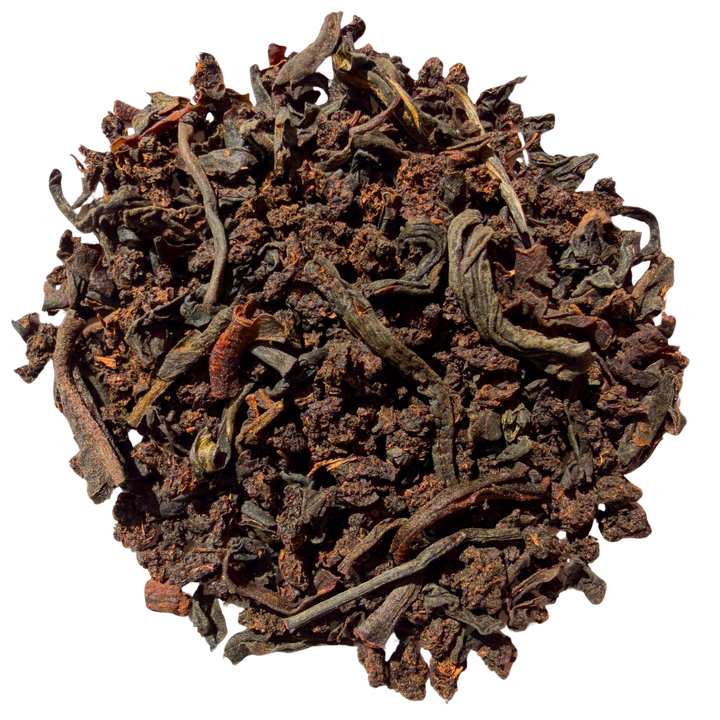
Assam is the classic choice: bold, malty and strong enough to stand up to milk and spices. CTC tea (Crush, Tear, Curl) is the granular style most common in India, producing a darker, stronger brew quickly. If you prefer a gentler cup, Darjeeling offers fruity, lighter notes. For a robust everyday chai, look for a strong Assam like Bukhial Assam.
Two teaspoons of loose leaf per two cups is a good starting point. If using tea bags, three to four bags is roughly equivalent, but loose leaf gives a fuller flavour.

Black Tea
A malty Assam with plenty of body and a gently peaty finish. Happy with a splash of milk.
Have a lookHow to make chai tea with a floral twist
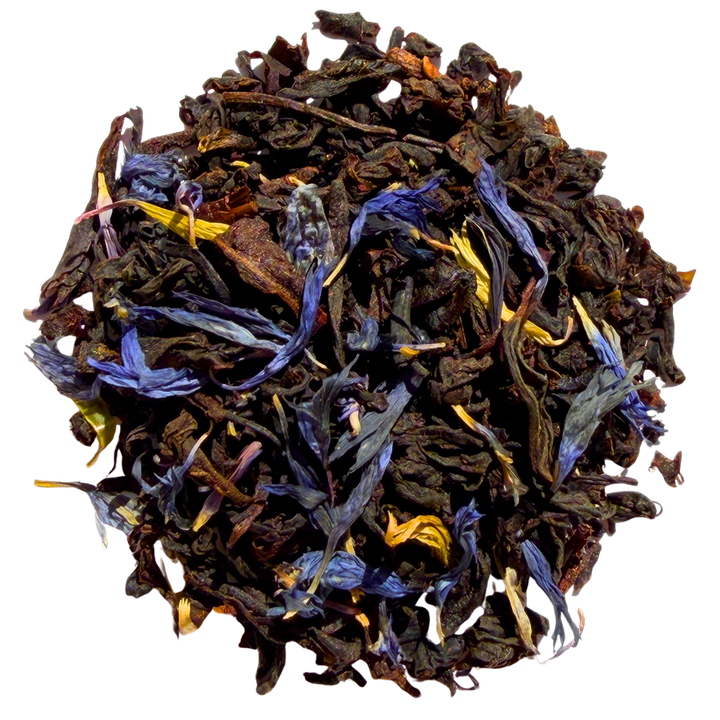
Traditional masala chai is warming and spice-forward, but some palates want something a bit lighter. Adding jasmine, rose or lavender petals lifts the finish and softens the ginger hit. Our Jasmine Masala Chai does exactly this: ginger-led spice with jasmine, rose and lavender on a black tea base. Brew it stovetop using the method above, or simply steep it clear to taste the floral notes before adding any milk.
If you want the warming spice without flowers, Vanilla Chai swaps the florals for a rounder, sweeter-smelling finish.
A brief history of chai
The story of chai is tied to British colonial tea plantations in Assam during the 1800s. Tea was initially expensive and out of reach for most Indians, so street vendors began stretching small amounts of tea with milk, sugar and local spices. The result was cheaper, more filling and, arguably, more delicious than plain tea.
By the mid-twentieth century, masala chai had become the everyday drink of India, sold at railway stations and street corners by chaiwallahs. Each region developed its own spice preferences: more ginger in the north, more cardamom in the south, occasional additions of fennel, mint or tulsi. The drink travelled with Indian communities around the world, and the rest of us are better off for it.
Storage and reheating
Freshly made chai is always best, but leftovers keep in the fridge for up to three days. Reheat gently on the stovetop rather than microwaving; the latter tends to make it taste flat. Do not freeze it; the texture suffers.
What to try next
If you enjoyed making chai from scratch, you might like having a ready-blended version for quicker mornings. Jasmine Masala Chai gives you ginger, cardamom and warming spice with jasmine and rose petals lifting the finish. For evenings, Decaf Masala Chai has the same warming character without the caffeine keeping you up.
Fancy something different? Spiced Apple is a caffeine-free herbal blend with apple, ginger and warming spices, good for wrapping cold hands around on a wet afternoon. And if you want to explore chai in another form, our guide to making a chai latte walks through the frothy café-style version.
Not sure where to start? The Tea Finder asks a few quick questions and points you towards teas you will probably enjoy.
Order loose leaf tea online with free UK delivery on orders over £35. Or call into the shop in Byram Arcade, Huddersfield, and we will put the kettle on.

Frequently asked questions
How do I make chai tea at home?
Simmer crushed whole spices and fresh ginger in water for a few minutes, add loose-leaf black tea and let it brew, then stir in milk and sweetener. Bring to a boil, rest briefly and strain. The whole process takes about fifteen minutes and needs only a small saucepan and a strainer.
What spices are in masala chai?
The classic combination is green cardamom, fresh ginger, cinnamon, cloves and black pepper. Many recipes add nutmeg, fennel or star anise. Every household has its own version, so adjust to your taste once you have made the basic recipe a few times.
Can I make masala chai without milk?
You can, though it will taste quite different. Brew the spiced tea as normal and skip the milk step. The result is lighter and more astringent. If you want creaminess without dairy, oat milk or coconut milk both work well in chai.
Why does my chai taste bitter?
Bitterness usually comes from boiling the tea leaves too long. Keep the simmering time to two or three minutes after adding the tea. Using too much leaf or letting the chai sit on the heat after it is ready can also push it into bitter territory.
How long does homemade chai keep?
Strained chai keeps in the fridge for up to three days. Reheat it gently on the stovetop rather than microwaving. Fresh is always best, but leftover chai reheated the next morning still beats most shop-bought alternatives.
Is chai tea high in caffeine?
Chai contains caffeine because it is made with black tea, but the amount per cup is generally lower than coffee. The exact level depends on how much tea you use and how long you brew it. If you are sensitive to caffeine, try Decaf Masala Chai for an evening cup.
Sources: Swasthi's Recipes · Just One Cookbook · Delish