Moroccan Mint Tea: The Traditional Recipe and How to Make It

Moroccan mint tea is one of those drinks that seems simple until you try to make it properly. Three ingredients: gunpowder green tea, fresh spearmint and sugar. Yet the method matters more than the shopping list. Get it right and you have a bright, aromatic cup that balances bitterness, sweetness and that unmistakable cool mint finish. Get it wrong and you have something bitter, thin or cloyingly sweet.
The tea in this guide: Mint Bazaar Moroccan Tea from £4.60 Shop it →
The drink is called atay in Morocco, and it is as important to Moroccans as Earl Grey is to the British. It is served throughout the day, with meals, between meals, to welcome guests, and to mark the end of a long afternoon. Making it is often ceremonial, and the pouring from a height is not showing off; it aerates the tea and settles the leaves.
Here is how to make it at home, what the tradition actually involves, and how to adapt it if you prefer less sugar or want to try it over ice.
At a glance
- Gunpowder green tea, fresh spearmint and sugar, brewed and simmered together
- Rinse the tea leaves first to remove dust and reduce bitterness
- Pour from a height to aerate the tea and swirl leaves to the bottom
- Traditionally served hot in small glasses, at least three per sitting
- Contains caffeine from the green tea base
What is Moroccan mint tea made from?
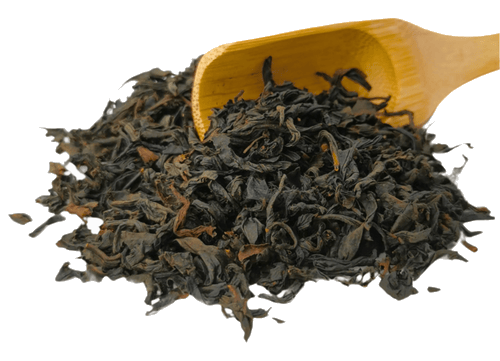
Traditional Moroccan mint tea, also known as Maghrebi mint tea, combines three things: gunpowder green tea, fresh spearmint and sugar. Gunpowder tea is a Chinese green tea with leaves rolled into tight pellets. When you add hot water, the pellets unfurl and expand. The tea has a slightly smoky, vegetal taste that stands up well to the mint and sweetness.
The mint is traditionally naʿnāʿ, a native spearmint with a clear, pungent but mild aroma. According to Wikipedia's overview of Maghrebi mint tea, spearmint is preferred because of its softer flavour compared to peppermint. Other spearmint varieties and even yerba buena are sometimes used as substitutes.
The sugar is generous. Traditional recipes often call for around three tablespoons per pot, though this varies by household and taste. You can reduce the sugar, but you will end up with a different drink.

Green Tea
Chinese gunpowder green tea and cooling spearmint, the classic Moroccan pairing. Drink it hot or pour it over ice.
Have a lookHow to make Moroccan mint tea
This method follows the traditional approach, where you simmer the tea rather than just steeping it. You will need a teapot that can go on a hob, or a small saucepan with a fine strainer for pouring.
Ingredients
- 1 heaped teaspoon loose gunpowder green tea
- 500ml boiling water
- 7 sprigs fresh spearmint, plus extra for the glasses
- 3 tablespoons caster sugar (adjust to taste)
Method
- Put the gunpowder tea in your teapot and add half a cup of boiling water. Swirl gently and leave for one minute. Pour this liquid into a separate cup and set it aside; this is the 'spirit' of the tea and contains the best flavour.
- Add another half cup of boiling water to the pot, swirl to rinse the leaves, then pour away and discard. This step removes dust and reduces bitterness.
- Add the fresh spearmint, the reserved first cup of tea, and the sugar to the pot.
- Fill the pot with the remaining boiling water.
- Place the pot over medium-low heat and bring slowly to a boil. Nargisse Benkabbou's traditional recipe notes that slow heating lets the tea and mint steep properly.
- Once boiling, stir with a long spoon to dissolve the sugar.
- Pour from a height into small glasses, adding a fresh mint sprig to each.

Why pour from a height?
The theatrical pour is not just for show. Pouring from above aerates the tea slightly, creating a light froth on top, and it swirls the leaves to the bottom of the pot so less ends up in your glass. If you have ever watched someone in a Moroccan café pour with the pot held a foot above the glass without spilling a drop, you know it takes practice. At home, start with a modest height and work up. A little splashing on the kitchen worktop is part of the learning.
The three glasses tradition
In North Africa, mint tea is traditionally served three times. There is a saying: the first glass is as bitter as life, the second as strong as love, and the third as soothing as death. The leaves stay in the pot throughout, so each glass tastes slightly different as the tea continues to steep. The first pour is the most intense; by the third, the flavour has mellowed.
This is not just about taste. Drinking three glasses means you stay a while. It is hospitality built into the ritual.
A short history of Moroccan mint tea
The tradition is younger than you might expect. Gunpowder tea arrived in North Africa via British trade during the eighteenth and nineteenth centuries. Historian James Richardson documented Moroccan tea ceremonies in the 1840s, and after the Anglo-Moroccan Treaty of 1856, tea imports quadrupled over twenty years. Famines in the 1880s helped spread tea drinking to rural areas as people sought affordable nourishment, and by the early twentieth century, mint tea was firmly established across Morocco, Algeria, Tunisia, Libya and Mauritania.
Before the tea arrived, mint and other fresh herbs were already brewed as infusions. Wormwood, sage and lemon verbena were common. Adding Chinese green tea created the drink we know today.
Seasonal variations
Moroccans often add other herbs and aromatics depending on the season. In colder months, marjoram, sage, verbena and wormwood are popular. Orange blossom water, oregano, thyme and a bitter herb called shība (tree wormwood) also appear. If you want to experiment at home, a sprig of lemon verbena in summer or a few sage leaves in winter makes a pleasant change without straying too far from the original.
Common mistakes when making Moroccan mint tea
The most common mistake is skipping the rinse. That first pour you discard removes bitterness and dust from the tea leaves. Without it, the finished cup can taste harsh.
The second mistake is using peppermint instead of spearmint. Peppermint has a sharper, more menthol-heavy flavour that overpowers the tea. Spearmint is gentler and sweeter. If you want to know more about the difference, we have a guide to peppermint vs spearmint tea.
The third mistake is not simmering. A quick steep produces a weaker cup. The traditional method brings the pot to a boil so the mint and tea infuse together properly.
| Mistake | Why it matters | Fix |
|---|---|---|
| Skipping the rinse | Leaves bitterness and dust | Discard the second rinse water |
| Using peppermint | Too sharp and menthol-heavy | Use fresh spearmint |
| Just steeping, not simmering | Weaker, thinner cup | Bring to a gentle boil on the hob |
| Too little sugar | Unbalanced and harsh | Start with 2-3 tbsp, adjust to taste |
Can I make Moroccan mint tea with less sugar?
You can, but the result will taste different. The sugar is not just for sweetness; it balances the slight bitterness of the gunpowder tea and rounds out the mint. If you reduce the sugar significantly, consider also shortening the simmering time to keep bitterness in check.
Agave nectar or honey will change the flavour profile. If you want something closer to the traditional taste without as much sugar, try halving the amount and adjusting from there.

Herbal Tea
Spearmint has a softer, sweeter mint flavour than peppermint. A fresh cup on its own.
Have a lookIced Moroccan mint tea
Mint tea works beautifully over ice. Let the tea cool to room temperature, then refrigerate until cold and serve over ice with a fresh mint sprig. A tall glass, plenty of ice and a strip of lemon peel make it feel like summer even on a grey afternoon in West Yorkshire.
Moroccan mint tea vs herbal mint tea
Moroccan mint tea contains caffeine because of the gunpowder green tea base. If you are after something caffeine-free, a pure spearmint or peppermint infusion is a different drink entirely. Spearmint Tea gives you the soft, sweet mint flavour without the tea leaf, while Peppermint Tea is sharper and cooler. Neither is traditional Moroccan mint tea, but both are lovely in their own right.
Our Mint Bazaar is our take on the Moroccan pairing: Chinese gunpowder green tea and spearmint, ready to brew. It is good hot or over ice.
What to try next
If you want to make authentic Moroccan mint tea at home, Mint Bazaar has the gunpowder and spearmint already blended. For a caffeine-free mint cup, Spearmint Tea is the softer, sweeter option, or Mint Mix if you want peppermint and spearmint together without the sharpness of peppermint alone.
If you are exploring mint teas more broadly, the Caffeine-Free Tasting Box includes Mint Mix alongside chamomile, fruit and ginger. Or try the Tea Finder if you are not sure where to start.

Herbal Tea
Peppermint and spearmint share the pot. Cool, fresh and a little sweeter than peppermint alone.
Have a lookOrder online with free UK delivery on orders over £35. Or call into the shop in Byram Arcade, Huddersfield, and we will weigh out whatever you need.
Frequently asked questions
What is Moroccan mint tea called?
It is called atay in Morocco and Maghrebi mint tea across North Africa. Other names include atay b'naanaa, shay-b'naanaa and latay. The drink is traditional to Morocco, Algeria, Tunisia, Libya and Mauritania, and is also popular in parts of France, Spain and the Middle East.
Does Moroccan mint tea have caffeine?
Yes. Traditional Moroccan mint tea is made with gunpowder green tea, which contains caffeine. If you want a caffeine-free mint drink, use pure spearmint or peppermint leaves without any tea base.
Can I use tea bags for Moroccan mint tea?
You can, but loose gunpowder tea gives a more authentic result. Tea bags are convenient, but the pellet shape of gunpowder tea is part of the tradition and the flavour. If you use bags, look for green tea rather than mint-only teabags.
What is the best mint for Moroccan tea?
Fresh spearmint is traditional. It has a milder, sweeter flavour than peppermint. Look for bunches with bright green leaves and no wilting. Supermarket-fresh spearmint works fine; the key is that it should smell fragrant when you bruise the leaves.
Can I make Moroccan mint tea without sugar?
You can reduce the sugar, but it will change the balance. Sugar softens the bitterness of the green tea and rounds out the mint. Try halving the amount first and see how you find it. Some people add honey or agave, though purists would object.
How long does Moroccan mint tea keep?
Brewed mint tea is best fresh but will keep in the fridge for a day or two. The flavour dulls over time, so make what you will drink. For iced tea, brew a batch in the morning and finish it by evening for the best taste.
Sources: My Moroccan Food · Wikipedia