Oolong Tea: A Complete Guide to Styles, Brewing and Taste

Oolong tea is neither green nor black, but something in between. It is a semi-oxidised tea, meaning the leaves are allowed to oxidise after picking, then the process is stopped somewhere before full oxidation. That 'somewhere' can range from 8% to 85% oxidation, which is why oolong covers such a wide spectrum of flavours: from light, floral and almost green, right through to dark, toasty and close to black tea in body.
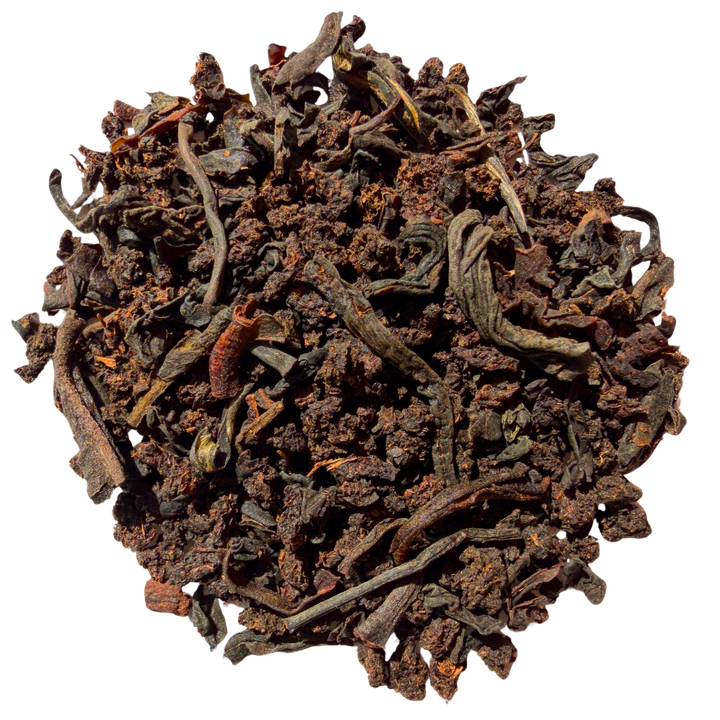
The tea in this guide: Formosa Oolong from £7.00 Shop it
If you have ever wondered what oolong tea actually is, the short answer is this: it is a category of tea defined by partial oxidation, traditionally made in China and Taiwan, and it includes some of the most varied and interesting teas you can drink.
The long answer involves mountain gardens, trained craftspeople, a possible black dragon, and at least one distracted tea farmer. Kettle on.
At a glance
- Oolong is semi-oxidised tea, sitting between green and black
- Oxidation ranges from 8% to 85%, producing very different styles
- Main producers: China (Fujian, Guangdong) and Taiwan
- Flavours range from floral and buttery to woody and roasted
- Brew at 80 to 95°C for 1 to 5 minutes, depending on style
- Contains caffeine, roughly midway between green and black tea
What is oolong tea?
Oolong is made from the same plant as all true tea, Camellia sinensis. What makes it oolong is how the leaves are processed after picking. They are withered in the sun until they lose roughly two-thirds of their water, then rolled or twisted to break down cell walls and encourage oxidation. The oxidation is stopped at a chosen point by heating, then the leaves are dried.
According to Wikipedia's entry on oolong, oxidation can range from 8% to 85% depending on variety and production style. A lightly oxidised oolong will taste fresh, floral and closer to green tea. A heavily oxidised oolong will be darker, richer and closer to black tea in character. Most sit somewhere in the middle, which is where things get interesting.
The name itself means 'black dragon' or 'dark dragon' in Chinese. There are several origin stories. One credits the colour and twisted shape of heavily oxidised leaves, curled like little dragons. Another points to a tea farmer named Wu Liang who, distracted by a deer, left his freshly picked leaves to oxidise accidentally and discovered something good. Nobody knows for certain, but the name has stuck since at least 1857.

Oolong Tea
Taiwanese oolong with gentle sweetness, toasted notes and a pleasantly dry finish.
Have a lookWhere does oolong tea come from?
The traditional homes of oolong are southern China and Taiwan. In China, Fujian province is the heartland, particularly the Wuyi Mountains and Anxi County in Quanzhou. Guangdong province also produces notable oolongs, especially the dancong teas known for naturally imitating floral and fruit aromas.
Taiwan has built its own reputation for oolong, often under the old name Formosa. Taiwanese oolongs are traditionally oxidised between 10% and 40%, making them generally greener and lighter than their Chinese cousins. High mountain oolongs from Alishan (grown at 1,000 to 1,400 metres) and Lishan (above 1,600 metres) are particularly prized.

Oolong is also grown in India, Sri Lanka, Japan, Thailand, Vietnam and even New Zealand, though China and Taiwan remain the dominant producers. Britannica notes that China earns billions of dollars annually from oolong exports.
What does oolong tea taste like?
That depends entirely on the style. The oxidation level, the roasting, the cultivar and the terroir all shape the cup. Here is a rough guide:
| Style | Oxidation | Typical flavours | Examples |
|---|---|---|---|
| Light / green | 8 to 25% | Floral, buttery, creamy, fresh | Milk Oolong, Alishan |
| Medium | 25 to 50% | Fruity, honey, orchid, balanced | Tieguanyin, Formosa Oolong |
| Dark / roasted | 50 to 85% | Toasty, woody, stone fruit, malty | Da Hong Pao, Wuyi rock teas |
The fragrance of oolong is often described as sitting somewhere between apples, orchids and peaches. The best oolongs are produced when leaves are oxidised in direct sunlight until they release what tea makers call a 'precise and pleasant' fragrance. That moment of judgement is part of the craft.
Our Formosa Oolong is a medium-oxidised Taiwanese tea with gentle sweetness, floral lift, warm toast and a pleasantly dry finish. It sits in comfortable middle ground: aromatic but not perfumed, structured but not heavy. For something creamier and softer, Quanzhou Milk Oolong has caramel sweetness and a silky texture that makes it feel almost indulgent.
Famous oolong tea varieties
Tieguanyin (Tie Guan Yin)
Named after the Iron Goddess of Mercy, this Anxi original is one of China's most celebrated teas. Lighter versions are floral and buttery; more oxidised batches lean towards honey and stone fruit. It rewards multiple infusions.
Da Hong Pao
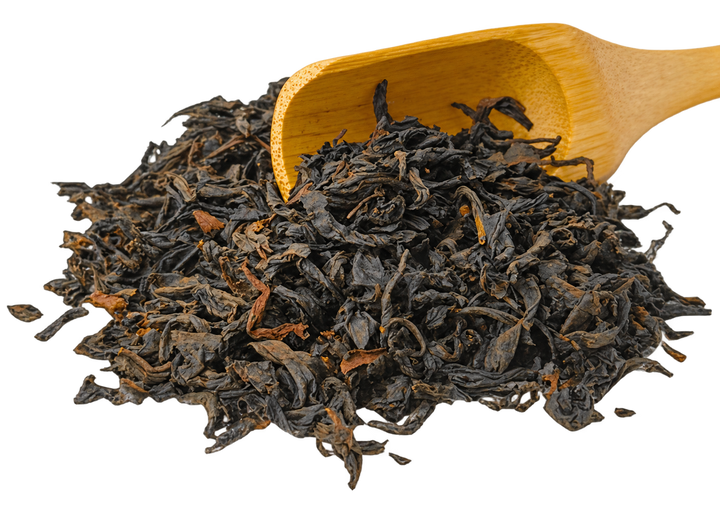
The 'Big Red Robe' from the Wuyi Mountains is a dark, heavily roasted oolong with mineral depth, roasted grain and a long, warming finish. The original bushes are supposedly so rare that the tea was once reserved for emperors.
Milk Oolong (Jin Xuan)
A Taiwanese cultivar with a naturally creamy, almost buttery character. Traditional milk oolong contains no actual milk; the name describes the texture and sweetness. Our Quanzhou Milk Oolong comes from Anxi and has gentle caramel notes alongside that signature smoothness.
Dong Ding (Tung Ting)
A classic Taiwanese oolong from Nantou County, medium-roasted with a balance of floral fragrance and toasted warmth. Good for drinkers who want complexity without extremes.
Dancong
Guangdong's strip-style oolongs are famous for naturally imitating specific aromas: honey orchid, almond, ginger flower. Each tree can produce a distinct flavour profile.

Oolong Tea
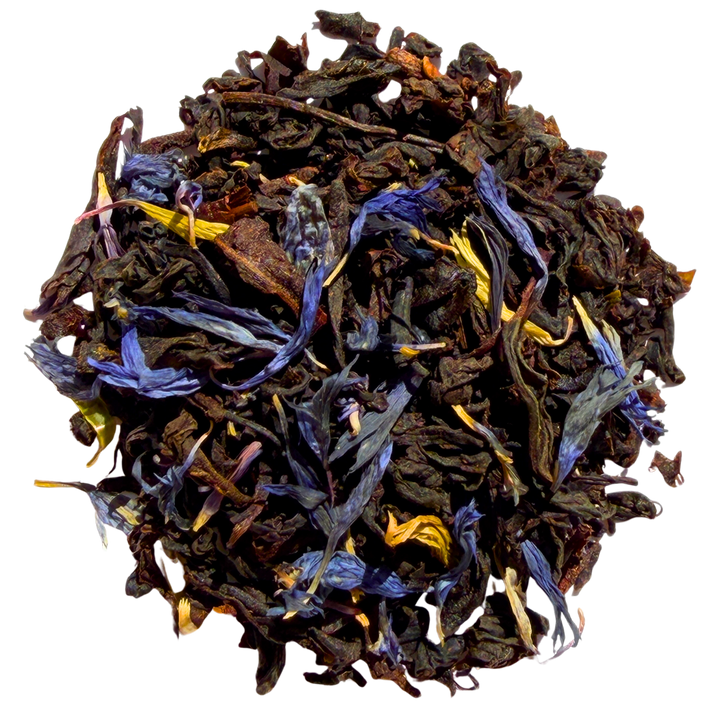
Creamy oolong with floral notes and a gentle caramel sweetness. A lovely one to linger over.
Have a lookHow to brew oolong tea
Oolong is forgiving, but a few details make a noticeable difference. The main variables are water temperature, leaf quantity and steeping time. Lighter oolongs prefer cooler water and shorter steeps; darker, roasted oolongs can handle hotter water and longer times.
- Boil fresh water and let it cool to 80 to 95°C depending on the style (see table below).
- Use roughly one teaspoon of loose leaf per cup, or about 3g per 150ml.
- Pour the water over the leaves and steep for 1 to 5 minutes.
- Strain completely and taste the first cup plain to catch the full range of flavour.
| Oolong style | Temperature | Steep time |
|---|---|---|
| Light / green | 80 to 85°C | 1 to 2 minutes |
| Medium | 85 to 90°C | 2 to 3 minutes |
| Dark / roasted | 90 to 95°C | 3 to 5 minutes |
If your tea tastes thin, add more leaf before adjusting temperature. If it is too bitter or astringent, shorten the steep or cool the water a little. Most oolongs will give you two or three good infusions, sometimes more. Add fresh water and steep a bit longer each time.
Common mistakes with oolong
The biggest mistake is treating all oolongs the same. Boiling water on a delicate milk oolong will scald it and bring out bitterness. Tepid water on a roasted Da Hong Pao will not extract enough flavour. Match the temperature to the style.
The second mistake is drowning it in milk. Oolong is built for drinking plain. The floral notes, the toasted depth, the lingering finish: milk flattens all of it. If you want a tea that takes milk generously, reach for an English Breakfast or Irish Breakfast instead.
The third mistake is using a cramped infuser. Oolong leaves, especially the rolled or twisted styles, need room to unfurl. A roomy basket infuser or a small teapot with space to move will get you a better cup than a tiny tea ball stuffed tight.
Does oolong tea have caffeine?
Yes. Oolong is made from tea leaf and naturally contains caffeine. The amount varies with oxidation, growing conditions, and how you brew it, but it generally falls between green and black tea. Britannica suggests a teacup of tea contains roughly 60 to 90 milligrams of caffeine, though lightly oxidised oolongs may sit closer to green tea levels.
If you are sensitive to caffeine or drinking later in the day, consider our Decaf English Breakfast or Decaf Kyushu Sencha instead. Herbal infusions like Fruit Full are naturally caffeine-free.
Oolong, green tea and black tea: what is the difference?
All three come from Camellia sinensis. The difference is oxidation. Green tea is barely oxidised at all; the leaves are heated quickly after picking to stop the process. Black tea is fully oxidised, typically for two to four hours, until the leaves turn dark and the flavour becomes malty and robust. Oolong sits in between, oxidised for one or two hours, giving it characteristics of both.
Think of it as a spectrum. At one end, fresh and grassy green teas. At the other, rich and brisk black teas. Oolong covers the interesting middle ground, and the best part is that you can explore the whole range without leaving the category.
What to try next
If you are new to oolong, start with our Formosa Oolong. It is a forgiving, medium-oxidised Taiwanese tea that sits comfortably between floral and toasty, and it is a good reference point for exploring further.
For something creamier and softer, Quanzhou Milk Oolong has gentle caramel sweetness and a silky texture. Orange Jasmine Oolong brings citrus brightness alongside the jasmine.
Not sure which style suits you? The Tea Finder can narrow it down by taste and caffeine preference. Our full oolong collection has the complete range.
Order online and we will pack your tea by hand in Huddersfield. Free UK delivery on orders over £35, or call into the shop in Byram Arcade, Huddersfield, and we will talk tea over the counter.
Frequently asked questions
What is oolong tea good for?
Oolong is a drink, not a medicine. It contains caffeine, which may help with alertness, and it offers a wide range of interesting flavours for anyone who enjoys tea. Some studies have looked at tea polyphenols and various health outcomes, but evidence is limited and mixed. If you have health questions, speak to your GP or pharmacist.
Is milk oolong tea made with milk?
No. Traditional Taiwanese milk oolong, also called Jin Xuan, is a cultivar with a naturally creamy, buttery character. The name describes the texture and flavour, not an ingredient. Our Quanzhou Milk Oolong contains no milk.
How much caffeine is in oolong tea?
Roughly 60 to 90 milligrams per teacup, though this varies with oxidation level, brewing method and how much leaf you use. Lightly oxidised oolongs may sit closer to green tea; heavily oxidised versions may approach black tea. If you are pregnant, NHS guidance suggests limiting caffeine intake.
Can I drink oolong tea every day?
Yes, most people can. WebMD suggests about four cups daily is likely safe for most adults. More than that may cause caffeine-related side effects. Pregnant women are advised to limit intake to around three cups daily. If you have any health conditions, check with your doctor.
What does Formosa Oolong mean?
Formosa is an older name for Taiwan. Formosa Oolong is an export term for Taiwanese oolong, but it is not a single recipe or protected name. Taiwan produces oolong across a wide range of styles, so the name tells you the origin, not the exact flavour. Our Formosa Oolong is medium-oxidised with toasted notes and a dry finish.
Is oolong tea better than green tea?
Neither is better; they are different. Oolong offers more variety within a single category, from light and floral to dark and roasted. Green tea tends to be grassier and fresher. If you like complexity and warmth, oolong may suit you. If you prefer clean, vegetal flavours, explore our green tea collection.
Sources: Wikipedia · Britannica · WebMD