Nettle Tea: Benefits, Brewing Tips and What It Actually Tastes Like

Nettle tea tastes like someone put a hedgerow in a cup and somehow made it pleasant. It is green, earthy and gently savoury, somewhere between vegetable stock and a mild green tea, with none of the floral sweetness you might expect from a herbal infusion. Stinging nettle tea is naturally caffeine-free, brews in about five minutes with boiling water, and has been drunk for centuries by people who either enjoy the flavour or hope it does them some good.
The tea in this guide: Organic Nettle Tea from £4.15 Shop it →
Whether it actually does any good is a question we will get to. First, the practical stuff: what it tastes like, how to make it, and what the plant is in the first place.
The ingredient list for a proper nettle tea is short. Ours is just organic nettle leaf. No flavourings, no fillers, no bits of other plants sneaking in. That simplicity is part of the appeal.
At a glance
- Taste: green, earthy, gently savoury with a grassy freshness
- Naturally caffeine-free
- Brew with boiling water (100°C) for 3 to 10 minutes
- Best drunk plain; lemon brightens it, milk flattens it
- One teaspoon of dried leaf per cup, or 2 to 3 teaspoons per pint
- A good pick if you like vegetal flavours without the caffeine
What is stinging nettle?
Stinging nettle, or Urtica dioica if you want to sound like a botanist, is a perennial flowering plant found across Europe, Asia and North America. It has heart-shaped leaves, tiny yellow or pink flowers, and a stem covered in stiff little hairs that inject chemicals into your skin when you brush against them. Anyone who has walked through the British countryside in shorts knows the sensation.
The sting vanishes once the leaves are dried or cooked, which is why nettle has been eaten as food for a very long time. Young leaves can be steamed or wilted like spinach. Nettle soup is still made in parts of Britain. And steeping the dried leaves in hot water to make tea is a tradition that may date back thousands of years, possibly originating in China where it was used medicinally.
In Anglo-Saxon England, nettle was one of the nine plants in the Nine Herbs Charm, an old remedy aimed at treating poisoning and infection. Native Americans harvested nettles as spring food when other sources were scarce. The plant has a long history of people finding uses for it beyond just cursing when it stings them.

What does nettle tea taste like?
Think of the green, slightly mineral flavour you get from cooked spinach or chard, then make it lighter and pour it into a teacup. Nettle tea is gently vegetal, a touch grassy, and clean rather than rich. It does not have the cooling sweetness of mint or the apple-like softness of chamomile. It sits somewhere between a light green tea and a cup of vegetable stock, though that makes it sound worse than it is.
A shorter steep of three to four minutes keeps the cup fresher and brighter. A longer steep of five to ten minutes brings out more of the earthy, savoury side. If it tastes too grassy for you, shorten the brew time next time. If you want it stronger, let it sit longer or add more leaf.
How to make nettle tea
There are a few different methods depending on whether you are using dried leaves or fresh ones you have foraged yourself. Here is the straightforward approach for dried nettle leaf.
- Measure one teaspoon of dried nettle leaf per cup into a pot, mug or infuser. For a larger pot, the American Botanical Council suggests 2 to 3 teaspoons per pint (568 ml).
- Boil fresh water and pour it directly over the leaves at 100°C.
- Steep for 3 to 10 minutes. Shorter for a lighter, grassier cup; longer for more depth and a stronger taste.
- Strain and serve.
Drink it plain first to get the full character. A squeeze of lemon brightens the green notes nicely. Milk tends to flatten the flavour and make it a bit odd, so we would skip it. Honey works if you want a touch of sweetness.

Herbal Tea
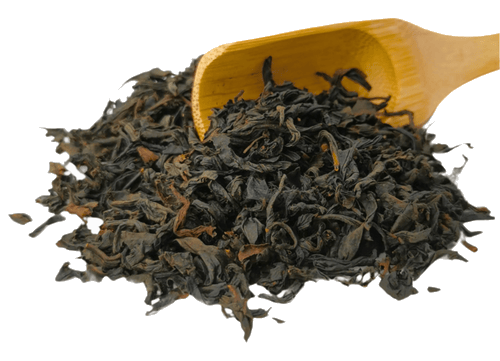
Nettle leaves make a green, earthy infusion with a grassy flavour. Simple leaves, simply brewed.
Have a lookBrewing nettle tea from fresh leaves
If you have foraged your own nettles (wearing gloves, ideally), the ratio changes. Use about one cup of fresh leaves to two cups of water. Add the leaves to the water, bring it just to a boil, then turn off the heat and let it sit for five minutes before straining. The sting will be long gone by the time you drink it.
Pick nettle leaves before the plant flowers, when they are youngest and most tender. Spring is the traditional foraging season. Choose plants away from paths and higher off the ground, and take only what you need.
Preserving vitamin C
If you are particularly interested in the vitamin content, a 2016 study found that steeping at lower temperatures of 50 to 60°C for 10 minutes preserved more vitamin C than boiling water. Most people brew with boiling water for convenience and flavour, but the option is there if you fancy experimenting.
| Method | Water temp | Time | Result |
|---|---|---|---|
| Quick brew | 100°C | 3 to 5 min | Lighter, grassier |
| Full steep | 100°C | 5 to 10 min | Stronger, earthier |
| Vitamin C steep | 50 to 60°C | 10 min | More delicate, lower extraction |
| Fresh leaf | Bring to boil | 5 min off heat | Fresher, greener |
Nettle tea benefits: what does the research say?
Here is where things get complicated. Nettle tea appears on a lot of lists promising everything from allergy relief to hair growth. The truth is quieter and more nuanced.
Studies have looked at nettle in various forms, mostly dried leaves, extracts and tinctures rather than tea specifically. A 2018 review reported that nettle leaves contain vitamins C, D and K, along with iron, selenium, zinc, magnesium, and various polyphenols and antioxidants. How much of that ends up in your cup depends on the leaf source, brewing method and steeping time.
Urinary and prostate health
Some research has examined nettle in relation to benign prostatic hyperplasia (BPH), a non-cancerous enlargement of the prostate that can cause urinary problems in men. A 2000 study found that nettle combined with saw palmetto improved BPH symptoms as much as finasteride, a prescription medication. A 2005 study found nettle alone improved urination compared with placebo. Both studied nettle leaves, not tea specifically.
Allergies
Nettle contains compounds that may affect histamine receptors, which has led to interest in its potential for allergy relief. The Cleveland Clinic notes that studies are mixed and that proven antihistamines remain more reliable for pollen season. Nettle might be worth trying for very mild symptoms, but do not expect it to replace your hay fever tablets.
Blood sugar
A 2013 study found nettle leaf extract lowered blood glucose and HbA1C in people with type 2 diabetes who were already taking insulin and oral medications. This was extract, not tea, and people taking diabetes medication should speak to their doctor before adding any herbal product to the mix.
The honest summary
Most nettle research uses concentrated extracts or dried leaf preparations, not brewed tea. What transfers to a cup of tea at realistic drinking amounts is unclear. Tea is a drink, not a medicine. If you have health concerns or are managing a condition, talk to your GP, pharmacist or midwife. We sell nettle because it tastes good and some people enjoy it, not because it treats anything.
Nettle tea side effects and safety
For most people, nettle tea is safe. The Cleveland Clinic advises that it may interact with certain medications including blood thinners like warfarin (nettle is high in vitamin K), blood pressure medications, diuretics, diabetes medications and lithium.
Pregnant women should avoid nettle tea, as it may stimulate uterine contractions. Some people are allergic to stinging nettle; if you experience itching, hives or difficulty breathing, seek medical help immediately.
If you are taking any regular medication or managing a health condition, check with a healthcare professional before drinking nettle tea regularly. The NHS herbal medicines guidance explains why that conversation matters.

Herbal Tea
Pure dandelion leaves make an earthy, gently bitter herbal infusion. Nothing added.
Have a lookCommon myths about nettle tea
Myth: nettle tea is a powerful detox
Words like detox and cleansing appear on a lot of nettle tea packaging. Your liver and kidneys handle detoxification perfectly well without assistance from herbal tea. Nettle may act as a mild diuretic, meaning you might need the loo more often, but that is not the same as removing toxins. Enjoy the flavour; do not expect it to purify anything.
Myth: nettle tea is rich in iron
Nettle leaves do contain iron, but how much ends up in brewed tea is another matter. The nutritional content varies depending on where the nettles grew, how they were processed, and how long you steep them. If you are concerned about iron levels, a blood test and a chat with your GP will tell you more than a teacup will.
Myth: the more you drink, the better
General guidance suggests one to three cups per day is reasonable for most people. More is not necessarily better, and if you are taking medications or have health conditions, even moderate amounts warrant a conversation with a healthcare provider first.
Iced nettle tea
Nettle makes a surprisingly good iced drink. Brew it twice as strong as usual, about two teaspoons per cup, steep for five to seven minutes, then strain and pour over plenty of ice. The result is clean and grassy without any sweetness, so you might want a squeeze of lemon or a touch of honey. On a warm afternoon, it is refreshing in a way that sugary drinks are not.
What to try next
If you enjoy nettle's green, earthy character but want something with a gentle caffeine lift, try Osprey Gunpowder, a rolled green tea with a bright, crisp finish. Dandelion Leaf Tea offers a similar earthy quality with a more pronounced bitterness, also caffeine-free. For something completely different but equally simple, Chamomile takes you in a softer, floral direction.
Still not sure what you like? The Caffeine-Free Tasting Box gives you five different herbal teas to compare, and the Tea Finder can help narrow things down.

Letterbox gift
Five caffeine-free herbal teas for evenings, after dinner or all day: mint, chamomile, fruit and ginger.
Have a lookWe sell Organic Nettle Tea loose in various sizes. Start with a smaller amount while you find your preferred strength, then stock up once you know. Orders over £35 ship free across the UK, we pack orders by hand in Huddersfield, and you are always welcome to call into the shop in Byram Arcade, Huddersfield, to see the leaf for yourself.
Frequently asked questions
What are the benefits of drinking nettle tea?
Research has looked at nettle for urinary health, blood sugar and allergies, mostly using extracts rather than brewed tea. Evidence is limited and mixed. Tea is a drink, not a medicine. If you have health questions, speak to your GP. The main benefit of nettle tea is that it tastes pleasantly green and earthy without any caffeine.
Does stinging nettle tea have caffeine?
No. Nettle tea is naturally caffeine-free. The plant contains no caffeine whatsoever, making it suitable for evenings or for anyone avoiding stimulants. You can drink it all day without worrying about disrupting your sleep.
How do you make stinging nettle tea?
Use one teaspoon of dried nettle leaf per cup. Pour boiling water over the leaves and steep for three to ten minutes depending on how strong you want it. Strain and drink plain, or add lemon for brightness. Shorter steeps give a lighter, grassier cup.
Are there side effects of nettle tea?
Nettle tea may interact with blood thinners, blood pressure medications, diabetes drugs and lithium. Pregnant women should avoid it. Some people are allergic. If you take regular medication or have a health condition, check with your doctor or pharmacist before drinking it regularly.
Can you drink nettle tea cold?
Yes. Brew it at double strength, steep for five to seven minutes, strain, and pour over ice. It makes a clean, grassy iced drink. Add lemon or a little honey if you want, though it works well plain too.
Is nettle tea the same as nettle soup?
No. Both come from the same plant, but nettle soup uses fresh or blanched leaves cooked with stock and vegetables. Nettle tea is dried leaves steeped in hot water. One is dinner, the other is a drink.
Sources: Healthline · Medical News Today · Cleveland Clinic · Wildway Bushcraft · NHS