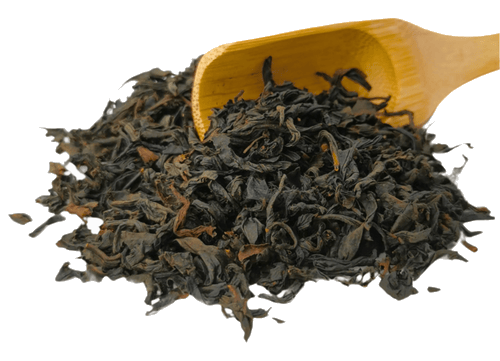
Peppermint Tea: Taste, Brewing, Benefits and Iced Recipes

Peppermint tea is a caffeine-free herbal infusion made from the dried leaves of Mentha × piperita, a hybrid mint native to Europe and Asia that has been used for thousands of years for its cooling flavour and bright, menthol-forward aroma. The taste is clean and bracing, with a gentle herbal sweetness underneath and none of the bitterness you get from over-brewed black tea. One teaspoon of leaves, boiling water, three minutes, and you have a cup that refreshes the palate after dinner or cools you down on a warm afternoon poured over ice.
The tea in this guide: Peppermint Tea from £3.20 Shop it →
If you have ever wondered why some mint teas taste sharper than others, the answer is menthol content. Peppermint leaves contain more menthol than spearmint, which is why the cup hits with that distinctive cooling sensation the moment you take a sip.
At a glance
- Pure dried peppermint leaves, naturally caffeine-free
- Brew one teaspoon per cup with boiling water for 3 to 4 minutes
- Flavour is crisp, cooling and lightly sweet with no bitterness
- Best without milk; try it with lemon or a little honey
- Brilliant hot after a meal or iced on a warm day
- Contains menthol, which gives the characteristic cooling finish
What does peppermint tea taste like?
The first thing you notice is the menthol: a bright, cooling hit that opens up the sinuses before you have even swallowed. Underneath that briskness sits a gentle herbal sweetness that rounds out the cup without needing sugar. There is no tannin bite, no astringency, just a clean finish that clears the palate.
The aroma is half the experience. Cover your mug while it steeps and the menthol stays in the cup rather than drifting off into the kitchen. Lift the lid and that minty freshness hits you properly.
If the cup tastes too sharp, you have probably brewed it a bit long or used too much leaf. A shorter steep softens the menthol without losing the freshness. If it tastes thin, add a touch more leaf next time. Peppermint is forgiving like that.
How to brew peppermint tea
Good peppermint tea needs nothing fancy: boiling water, a few minutes of patience, and a lid on the mug. Here is the method we use in the shop:
- Boil fresh water and let it reach a full rolling boil at 100°C.
- Add one level teaspoon of dried peppermint leaves per cup (about 250ml).
- Pour the boiling water over the leaves.
- Cover and steep for 3 to 4 minutes. Covering keeps the volatile menthol oils in the cup.
- Strain and drink.
That is it. No need to cool the water first the way you might for green tea. Peppermint leaves are robust and handle boiling water without turning bitter.

Should you add milk to peppermint tea?
No. Peppermint is best on its own, or with a squeeze of lemon for a brighter edge, or a little honey to round the finish. Milk does not work with the clean menthol flavour the way it does with malty black tea. Try it plain first before reaching for anything else.

How to make iced peppermint tea
Iced peppermint tea is one of the simplest summer drinks going. The menthol character actually comes through better when cold, making it properly refreshing on a warm afternoon. Here is how to do it:
- Use two teaspoons of dried peppermint leaves per cup (double the usual amount).
- Brew with boiling water for 3 to 5 minutes.
- Strain into a jug or glass.
- Pour over plenty of ice immediately, or chill in the fridge first.
If you are making a batch, chill it rather than leaving it at room temperature. Iced peppermint keeps its flavour well and does not go cloudy the way some black teas can.
Peppermint tea benefits: what does the research say?
Peppermint has been used traditionally for centuries, but most scientific research has focused on peppermint oil or extracts rather than the tea itself. The distinction matters: oil is far more concentrated than a cup of tea.
A 2014 review of nine trials involving 726 people with irritable bowel syndrome found that peppermint oil capsules provided significantly better symptom relief than placebo when used for at least two weeks. A separate trial found that peppermint oil capsules reduced IBS symptoms by 40% after four weeks, compared with 24.3% for placebo.
A 2023 review described peppermint oil as a safe herbal remedy for gastrointestinal issues including irritable bowel syndrome and functional dyspepsia, noting that peppermint oil may relax muscles and have antispasmodic effects in the digestive system. However, comparable effects from tea remain uncertain because tea is far less concentrated.
A small 2025 study suggested peppermint tea may improve cognitive performance and blood flow to the brain, but the study was very small and more research is needed.
The honest summary: peppermint tea is a pleasant drink with a long tradition, but it is not a medicine. If you have digestive concerns or any health questions, speak to your GP or pharmacist rather than relying on a cuppa.
A word on reflux
Peppermint may worsen heartburn or acid reflux in some people. If reflux is one of your triggers, it is worth knowing before you brew a pot after dinner.
Peppermint vs spearmint: what is the difference?
Both are mints, both make a lovely cup, but they are not the same plant or the same flavour. Here is how they compare:
| Feature | Peppermint | Spearmint |
|---|---|---|
| Botanical name | Mentha × piperita | Mentha spicata |
| Menthol content | Higher (sharper, more cooling) | Lower |
| Flavour | Brisk, cooling, clean | Softer, sweeter, gentler |
| Best for | A punchy, refreshing cup | A mellow, easy-drinking cup |
| Caffeine | None | None |
If you want the clearest cooling hit, choose peppermint. If you prefer something gentler, spearmint is the softer cousin. Not sure which you would like? Mint Mix combines both, so you get the peppermint brightness at first, then the spearmint sweetness on the way out. We have a full comparison in our peppermint vs spearmint guide.

Herbal Tea
Peppermint and spearmint share the pot. Cool, fresh and a little sweeter than peppermint alone.
Have a lookCommon mistakes when brewing peppermint tea
Peppermint is forgiving, but a few small errors can leave you with a less-than-brilliant cup:
- Not covering the mug. Those volatile menthol oils escape as steam. Put a saucer or lid on top while it steeps.
- Brewing too long. After five or six minutes the menthol can become overpowering rather than refreshing. Three to four minutes is the sweet spot.
- Using stale leaves. Dried peppermint keeps well in an airtight container away from light, but if your leaves are a year old and dusty, the flavour will be flat.
- Adding milk. It curdles the experience. Just do not.
A brief history of peppermint
Peppermint is a natural hybrid of watermint and spearmint, and it has been around for a very long time. According to Healthline, the plant is native to Europe and Asia and has been used for thousands of years for its minty taste and perceived benefits. The ancient Egyptians, Greeks and Romans all valued mint, though distinguishing exactly which species they were using is tricky at this distance.
Today peppermint turns up everywhere: breath mints, toothpaste, ice cream, cocktails, and of course tea. The leaves contain menthol, menthone and limonene, with menthol providing that distinctive cooling sensation and minty scent.
What to try next
If you enjoy peppermint tea, there are a few directions you might explore:
Liquorice and Peppermint adds the natural sweetness of liquorice root, which balances the mint beautifully. It is a bolder cup with more body.
Mint Bazaar Moroccan Tea pairs spearmint with Chinese gunpowder green tea for the classic Moroccan combination. It works brilliantly hot or iced.
If you want to compare mint styles side by side, the Caffeine-Free Tasting Box includes peppermint alongside chamomile, fruit and ginger infusions. It is letterbox-friendly, so it makes a good gift too.
Not sure where to start? The Tea Finder asks a few quick questions and points you toward teas you will actually enjoy.

Herbal Tea
Cooling peppermint followed by the lasting sweetness of liquorice root. A bold, naturally caffeine-free cup.
Have a lookWe sell Peppermint Tea as loose leaf, ready for your pot or infuser. Orders over £35 come with free UK delivery, and we pack orders by hand in Huddersfield. If you are nearby, the shop in Byram Arcade, Huddersfield, is open for browsing, tasting and tea chat.
Frequently asked questions
Is peppermint tea caffeine-free?
Yes. Peppermint leaves contain no caffeine at all, so you can drink it at any time of day without worrying about it keeping you awake. It is a true herbal infusion, not tea from the Camellia sinensis plant.
Does peppermint tea help with bloating?
Peppermint oil has been studied for digestive symptoms, and some trials show benefits for IBS. However, tea is much less concentrated than oil capsules, and the evidence specifically for tea is limited. It may help some people feel more comfortable after a meal, but it is not a treatment. Speak to your GP if bloating is a regular concern.
What is the best peppermint tea?
The best peppermint tea uses whole, properly dried leaves with a strong menthol aroma. Look for leaves that are bright green rather than brown and dusty. Loose leaf generally gives a better flavour than teabags because the leaves have more room to unfurl and release their oils.
Can you drink peppermint tea cold?
Absolutely. Brew it a bit stronger than you would for a hot cup, strain, and pour over plenty of ice. Iced peppermint tea keeps its flavour well and makes a refreshing summer drink that costs nothing once you have the leaves.
Is peppermint tea safe during pregnancy?
Peppermint tea in moderate amounts is generally considered safe during pregnancy, but if you have any concerns or underlying health conditions, check with your midwife or GP first. Concentrated peppermint oil is a different matter and should be used with caution.
What is the difference between peppermint and spearmint tea?
Peppermint is sharper and more menthol-forward; spearmint is softer, sweeter and less intense. Peppermint is a hybrid of spearmint and watermint, which is why it has that extra cooling punch. If you are unsure which you prefer, try both or pick Mint Mix, which combines the two.
Sources: Healthline · Medical News Today