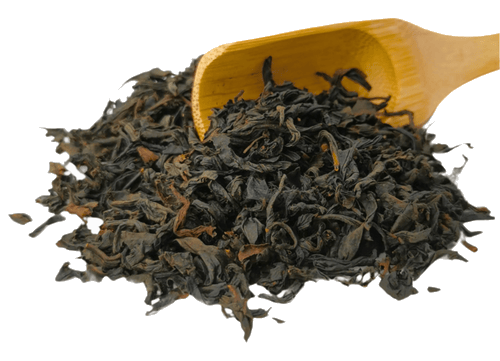
Decaf Earl Grey: Bergamot Flavour Without the Late-Night Regret

It is half past eight on a wet Tuesday evening. You fancy an Earl Grey but you also fancy sleeping before midnight. Decaf Earl Grey exists precisely for this moment: bright bergamot citrus on a smooth black tea base, with most of the caffeine removed so you can have a proper brew after dark without staring at the ceiling later.
The tea in this guide: Decaf Earl Grey from £5.95 Shop it →
The short answer to the question everyone asks: decaffeinated Earl Grey still contains a small amount of caffeine, typically less than 6 mg per cup compared with around 40 mg in regular Earl Grey and 90 mg in coffee. It is not caffeine-free, but it is close enough for most people who simply want to dial things down in the evening.
Below we cover how decaf Earl Grey is made, what it tastes like, how to brew it properly, and how to tell a good one from a disappointing one. We will also clear up a myth or two about Charles Grey himself.
At a glance
- Decaffeinated black tea flavoured with bergamot oil, often with cornflower petals
- Contains some caffeine (typically 4 to 6 mg per cup), not zero
- CO₂ decaffeination is the gentlest method and preserves flavour best
- Brew at 100°C for 2 to 4 minutes depending on strength preference
- Good plain; milk softens the cup but mutes the citrus
- Best later in the day when you want Earl Grey taste without the jolt
What is decaf Earl Grey?
Earl Grey is black tea flavoured with oil of bergamot, a citrus fruit that looks like a small lumpy orange and grows mainly in Calabria, southern Italy. Decaf Earl Grey uses the same formula but starts with decaffeinated black tea leaves instead of regular ones.
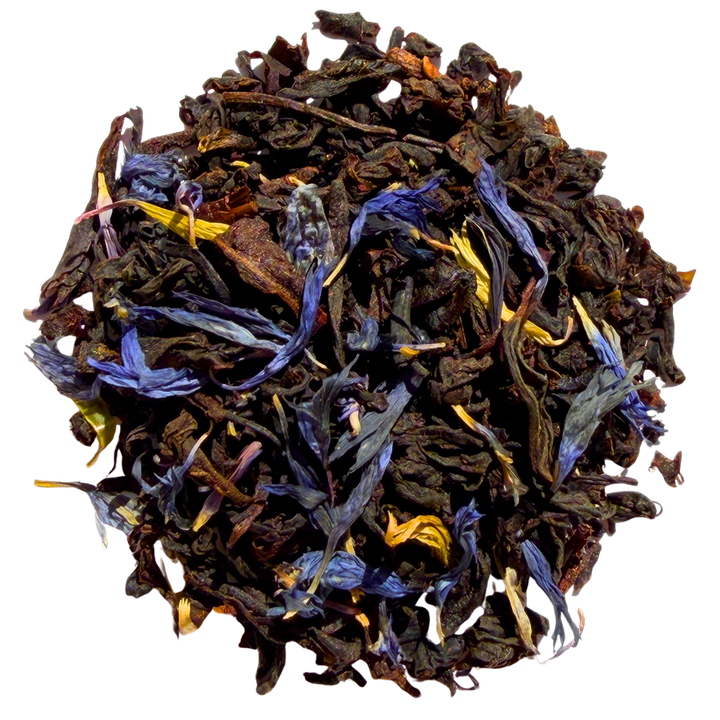
Most decaf Earl Greys use Ceylon (Sri Lankan) black tea as the base, often sourced from estates in the central highlands such as Nuwara Eliya, Dimbula and Uva, known for bright, clean-tasting tea. Some blenders add cornflower petals for colour, though they contribute little to flavour. The bergamot is the star, extracted from the rind of the fruit and added as an essential oil.
How is the caffeine removed?
Several methods exist, but the one most tea specialists prefer is CO₂ decaffeination. Carbon dioxide under high pressure acts as a solvent, pulling caffeine out of the leaf while leaving the flavour compounds largely intact. This method removes the most caffeine while maintaining flavour better than older chemical solvent approaches.
Older chemical solvent methods (ethyl acetate, methylene chloride) can strip out more of the tea's character. If a decaf tastes thin or papery, that is often the culprit. A good decaf should still taste like tea, not like hot water that once walked past some leaves.

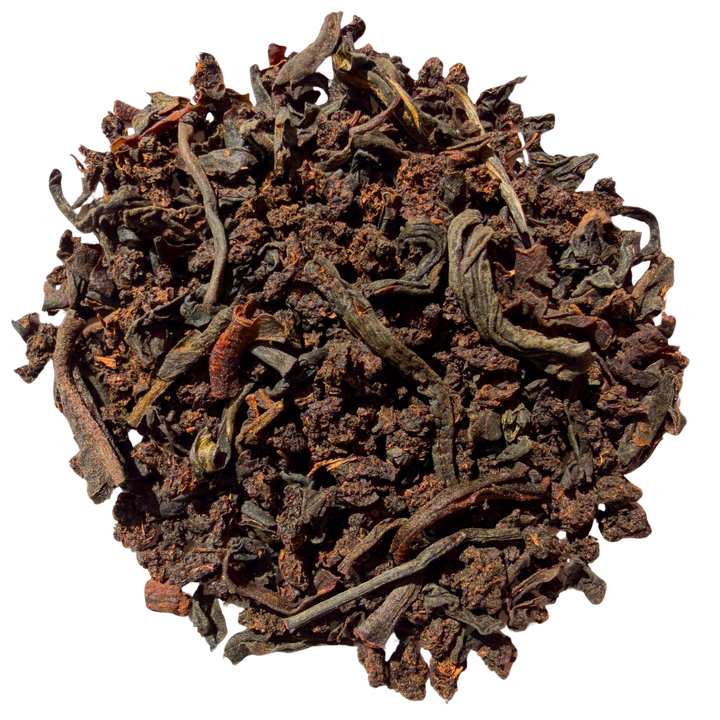
Black Tea
Bergamot and smooth black tea, with most of the caffeine removed. Still recognisably Earl Grey.
Have a lookHow much caffeine is in decaf Earl Grey?
Decaffeinated is not the same as caffeine-free. The decaffeination process removes most of the caffeine, but not all of it. A typical cup of decaf Earl Grey contains less than 6 mg of caffeine, with the decaffeination process removing around 97 to 99.5 percent of the original caffeine content while retaining flavour, colour and aroma.
For comparison, a cup of regular Earl Grey typically contains around 40 mg, and a cup of filter coffee around 90 mg. If you need to avoid caffeine entirely for medical reasons, choose a naturally caffeine-free herbal or rooibos tea instead. Our Earl Grey Rooibos gives you the bergamot character on a red rooibos base with zero caffeine.

Earl Grey caffeine compared
| Drink | Typical caffeine per cup |
|---|---|
| Decaf Earl Grey | 4 to 6 mg |
| Regular Earl Grey | 40 mg |
| Filter coffee | 90 mg |
| Earl Grey Rooibos | 0 mg (naturally caffeine-free) |
For more detail on Earl Grey caffeine levels and what affects them, we have a separate guide.
How to brew decaf Earl Grey
Decaf black tea brews much like regular black tea. The leaves have been through an extra process, so they can be slightly more delicate, but the method is the same.
- Boil fresh water and let the kettle click off. Use it immediately; reboiled water tastes flat.
- Measure one heaped teaspoon of loose leaf tea per cup (about 2.5 g). For tea bags, one bag per cup.
- Pour the boiling water directly over the leaves.
- Steep for 2 to 4 minutes. Taste at 2 minutes; the bergamot will be bright and the base light. Leave it another minute or two if you want more body from the black tea.
- Remove the leaves or bag. Oversteeping decaf can make it taste dry and a bit hollow.
Most tea experts recommend 100°C for 3 to 4 minutes, noting that loose leaf tea may take a little longer than tea bags because the leaves are not milled as fine. Find your own sweet spot by tasting as you go.
Should you add milk?
Try it plain first. The bergamot is brightest without milk, and a well-made decaf base is smooth enough to drink on its own. A splash of milk softens the cup and gives it a rounder feel, but it also mutes the citrus. If you like a milkier Earl Grey, brew a touch stronger before you add it.
A thin slice of lemon can sharpen the citrus edge, though it is hardly needed if you enjoy the blend's own bergamot aroma. Avoid anything too rich alongside it; a plain digestive or a slice of lightly sweet cake is about right.
Does decaf Earl Grey taste as good as regular?
This depends entirely on the tea and the decaffeination method. A poorly made decaf tastes thin, flat, or vaguely chemical. A good one still has the bright bergamot citrus at the front, a smooth black tea base underneath, and enough body to feel like a proper cup rather than flavoured water.
CO₂ decaffeination helps a lot. So does using quality Ceylon or blended black tea as the base, and real bergamot oil rather than artificial flavouring. Cornflower petals add a floral hint and look pretty in the dry leaf, but they are mainly decorative.
Porter Hill's Decaf Earl Grey keeps the bergamot character at the front of the cup. The black tea underneath carries it without competing, so the result still tastes like Earl Grey rather than a pale imitation.
The Earl Grey origin story (and why it is probably nonsense)
Earl Grey is named after Charles Grey, the 2nd Earl Grey, who was British Prime Minister from 1830 to 1834. The romantic version says he received the recipe during a diplomatic mission to China, as thanks for a kindness shown to a local man.
There is just one problem. The Chinese have never been great black tea drinkers themselves, so they were unlikely to have had an Earl Grey recipe to give visitors. More to the point, Charles Grey never set foot in China. Apart from those details, the story is completely true.
The more likely explanation is that a London tea merchant created the blend in Grey's honour sometime in the nineteenth century, and the flattering story was added later. Either way, the bergamot-scented tea outlasted the Prime Minister's political career.

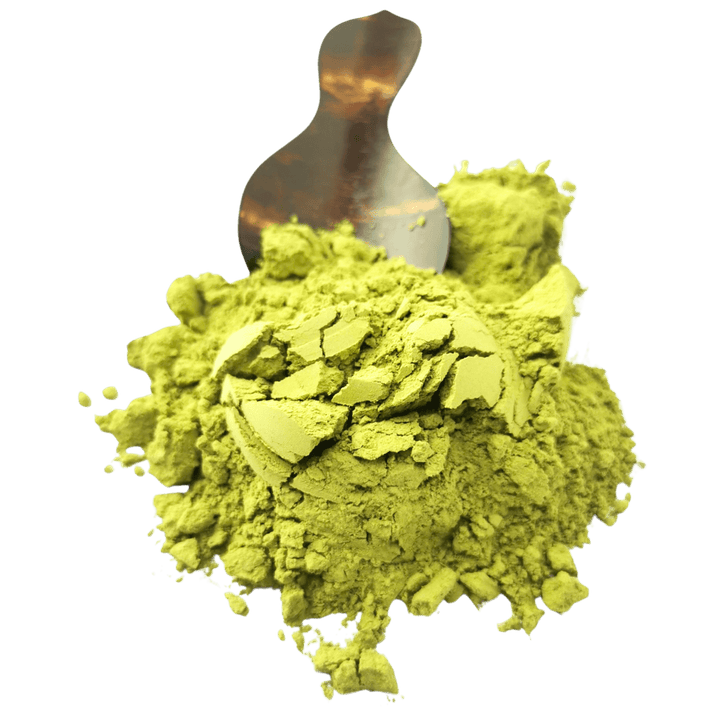
Rooibos Tea
Bergamot over mellow red rooibos. The familiar Earl Grey idea, naturally without caffeine.
Have a lookCommon mistakes with decaf Earl Grey
A few things can turn a decent decaf into a disappointing cup:
- Oversteeping. Decaf leaves have been through a lot. Leaving them too long makes the cup taste dry and hollow rather than stronger.
- Using stale tea. Decaf can lose its aroma faster than regular tea. Buy smaller quantities and store in an airtight container away from light.
- Expecting zero caffeine. If you need to avoid caffeine entirely, decaf is not the answer. Choose a naturally caffeine-free herbal or rooibos tea instead.
- Drowning it in milk. A splash is fine, but too much milk buries the bergamot entirely. You might as well drink plain decaf breakfast tea at that point.
Best decaf Earl Grey: loose leaf or tea bags?
Loose leaf generally gives you better flavour because the leaves are larger and less processed. Tea bags are convenient, especially at work or when travelling, but the finely milled tea inside can taste flatter.
If you are new to loose leaf, it is easier than you might think. A small mesh infuser or a pot with a built-in strainer is all you need. For a guide to getting started, see our page on decaf loose leaf tea.
When to drink decaf Earl Grey
Any time you want the familiar bergamot taste without the full caffeine hit. It is particularly useful for:
- An evening cup when you still want a proper brew but also want to sleep
- A later afternoon tea break when you have already had enough caffeine for the day
- Anyone cutting down on caffeine but not ready to give up tea entirely
If caffeine is not a concern and you prefer the conventional black tea style, our Classic Earl Grey is another option. For a completely caffeine-free alternative with the same bergamot character, Earl Grey Rooibos swaps the black tea for mellow red rooibos.
What to try next
If you like the idea of Earl Grey with less caffeine, you might also enjoy Decaf English Breakfast, a medium-bodied decaf black tea with soft floral notes that takes milk well. For something with a bit more sweetness, Cream Earl Grey adds a creamy vanilla note to the bergamot, turning the cup rounder and more dessert-like.
The Earl Grey Tasting Box lets you compare five different Earl Grey styles side by side, from the classic to the zesty and the malty. If you are after caffeine-free options more broadly, the Caffeine-Free Tasting Box includes mint, chamomile, fruit and ginger herbal teas for evenings or all-day drinking. Not sure where to start? Try the Tea Finder for a few suggestions based on what you already like.

Letterbox gift
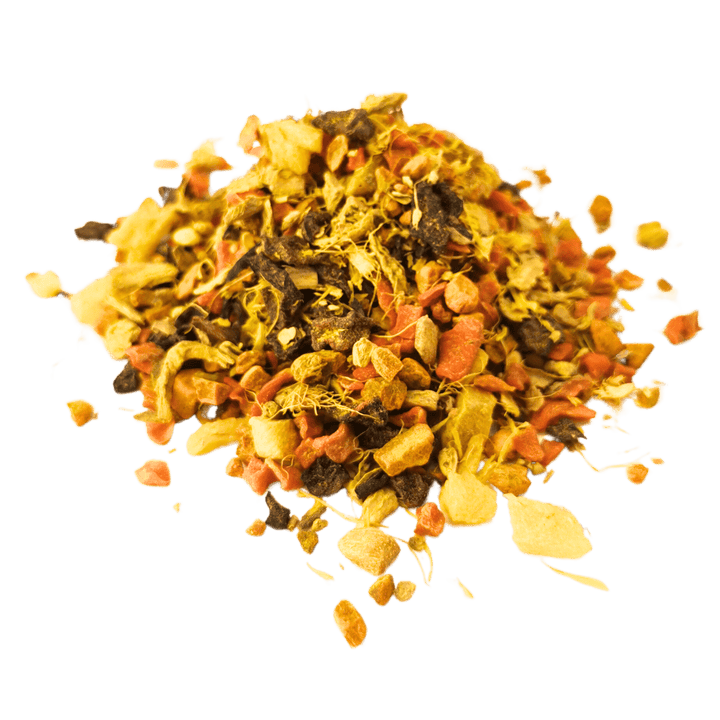
Five loose leaf Earl Greys side by side, from the classic to creamy, zesty and malty takes on it.
Have a lookOrder loose leaf online with free UK delivery on orders over £35. Or call into the shop in Byram Arcade, Huddersfield, if you want to smell the tea before you buy. The kettle is usually on.
Frequently asked questions
Is decaf Earl Grey completely caffeine-free?
No. Decaffeinated means most of the caffeine has been removed, but a small amount remains, typically 4 to 6 mg per cup. If you need to avoid caffeine entirely for medical reasons, choose a naturally caffeine-free herbal tea or rooibos instead. Our Earl Grey Rooibos gives you the bergamot flavour with zero caffeine.
How long should I brew decaf Earl Grey tea?
Two to four minutes with freshly boiled water. Taste at two minutes; the bergamot will be bright and the base light. Leave it another minute or two for more body, but avoid oversteeping or it can taste dry and flat rather than stronger.
What does decaf Earl Grey taste like?
You get the familiar bergamot citrus aroma at the front, with a smooth decaffeinated black tea base underneath. A good decaf still tastes like Earl Grey rather than flavoured water. The key is quality tea and gentle CO₂ decaffeination.
Can I add milk to decaf Earl Grey?
You can. Milk softens the black tea and gives the cup a rounder feel, but it also mutes the bright bergamot citrus. If you prefer milky Earl Grey, brew a little stronger before adding it. Try it plain first to see which you prefer.
Does decaf tea have caffeine?
Yes, decaffeinated tea still contains a small amount of caffeine. The decaffeination process removes around 97 to 99.5 percent, leaving typically 4 to 6 mg per cup. For more detail, see our guide on whether decaf tea has caffeine.