Yellow Tea Explained: China's Rarest Tea Type

Yellow tea accounts for roughly 0.5 percent of China's tea output, making it the rarest of the six traditional tea types. If you have never heard of it, you are in good company. Most tea drinkers have not, and most shops do not stock it.
The tea in this guide: Badaling Yellow Tea from £7.20 Shop it →
So what is yellow tea? It is a lightly oxidised Chinese tea that starts life much like green tea but goes through an extra step called men huang, or 'sealed yellowing'. That step softens the grassy sharpness, reduces astringency and coaxes out a gentle, rounded sweetness. The result is a cup that sits somewhere between green tea's brightness and oolong's depth, but quieter than either.
If green tea sometimes feels too brisk for you, and black is heavier than you want, yellow tea offers a useful middle path.
At a glance
- China's rarest tea type, roughly 0.5% of national production
- Mellow, sweet, low astringency, with soft grassy and nutty notes
- Caffeine: approximately 30 to 45 mg per cup
- Brew at 75 to 85°C for two to three minutes
- Best drunk plain, without milk
- Key step: men huang (sealed yellowing) after the initial heat treatment
What makes yellow tea different from green tea?
Both yellow and green tea start with the same broad process: fresh leaves are heated quickly to stop oxidation, a step called 'kill-green' or fixing. In green tea, the leaves then move straight to shaping and drying. In yellow tea, there is an extra stage in between.
After the initial heat, the still-warm, slightly damp leaves are wrapped in cloth or paper, or piled and covered, then left to rest. This is men huang. The leaves sit in their own warmth and moisture for anything from a few hours to a couple of days, depending on the style and the maker's judgement. During that time, a gentle micro-fermentation occurs: the leaves slowly yellow, sharper grassy compounds soften, and sweetness develops.
A study at Sichuan Agricultural University compared yellow tea and green tea made from the same batch of single buds, processed on the same day. The yellow tea scored higher for sweetness, freshness and body, and lower for astringency. Total catechins dropped by about 10 percent, with men huang responsible for roughly half of that reduction. Free amino acids rose by about 7.5 percent. These are figures from one study, one origin and one cultivar, not universal constants, but they help explain why the cup tastes the way it does.
The 'three yellows' visual test
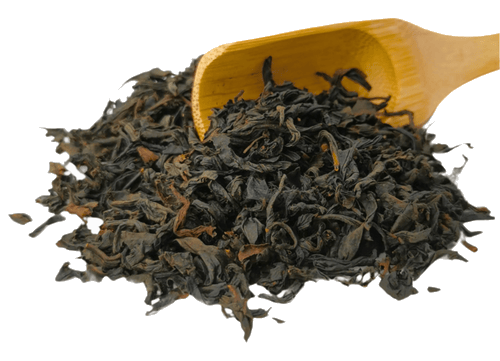
Traditional tea buyers look for three yellows: golden dry leaf, apricot-yellow liquor in the cup, and tender-yellow spent leaves after brewing. If the liquor looks green rather than gold, the yellowing step was likely skipped or barely performed. Some teas sold as yellow are really green tea under an old name, a problem the article below addresses.

What does yellow tea taste like?
Expect a mellow, rounded cup with soft sweetness and very low astringency. There are gentle grassy notes, but none of the sharp vegetal punch you might get from a fresh sencha or a brisk gunpowder. Underneath, there is often a grain-like or corn-like warmth, sometimes described as nutty or lightly honeyed.
The liquor is pale gold to apricot, and the aroma is faintly grassy with a hint of sweetness. It does not hit you over the head. If you like tea that asks you to slow down and pay attention, yellow tea rewards that.
Different styles vary. Junshan Yinzhen, a famous needle-style yellow tea from Hunan, is known for a clear yellow-gold liquor and mellow sweetness. Huoshan Huangya from Anhui has a soft, rounded profile. Huang Da Cha from Guangdong is bolder and warmer, with a deeper colour. But across the category, the defining character is that gentle, low-astringency sweetness.

Yellow Tea
A light yellow tea with a mellow, softly sweet character. Worth making a little time for.
Have a lookYellow tea vs green tea: a quick comparison
If you are deciding between the two, or wondering whether yellow tea is worth trying, this table sets out the main differences.
| Aspect | Yellow tea | Green tea |
|---|---|---|
| Processing | Kill-green, men huang (sealed yellowing), dry | Kill-green, shape, dry |
| Oxidation | Light (during men huang) | Minimal |
| Taste | Mellow, sweet, low astringency | Brighter, grassier, can be brisk |
| Liquor colour | Pale gold to apricot | Pale green to yellow-green |
| Caffeine | 30 to 45 mg per cup | 20 to 50 mg per cup (varies widely) |
| Rarity | Very rare (about 0.5% of Chinese output) | Common |
If you find green tea too sharp but like the idea of a light, refreshing cup, yellow tea is worth a try. If you prefer a punchy, grassy green, stick with something like Organic Osprey Gunpowder or a fresh Sencha.
How to brew yellow tea
Yellow tea is forgiving, but a bit of care brings out its best qualities. Here is a simple method.
- Use fresh, filtered water. Bring it to the boil, then let it cool for two to three minutes until it reaches 75 to 85°C. If you have a temperature-controlled kettle, set it to 80°C.
- Add one teaspoon of leaves (about 2 to 3 grams) per cup.
- Pour the water over the leaves and steep for two to three minutes.
- Remove the infuser or strain the leaves before the tea over-brews.
- Taste it plain first. Milk would cover the delicate sweetness that makes yellow tea worth choosing.
If the cup is too light, add a little more leaf next time rather than reaching for hotter water. If it tastes grassy or drying, shorten the steep or check your water temperature. Small adjustments work better than chasing one supposedly perfect recipe.
Good yellow tea can handle two or three infusions. The second steep often opens up a little more sweetness.
Why is yellow tea so rare?
The men huang step is the problem. It requires constant monitoring: temperature, humidity and timing all matter, and the window between 'not enough' and 'too much' is narrow. Few tea makers attempt it, and fewer still know how to control it well.
Many regions that once made yellow tea have let the skill lapse. The complicated process, combined with lower demand and higher prices, means it is often easier to make green tea instead. Some old, named yellow teas are now processed as green but still sold under their historic yellow-tea names, which does not help anyone's understanding of the category.
The result is that genuine yellow tea is hard to find and tends to cost more than green. If you see a 'yellow tea' priced like ordinary green and the liquor brews up green rather than gold, it is probably not the real thing.
A short history of yellow tea
The name 'yellow tea' has meant different things at different times. In the Tang dynasty, it referred to naturally yellowish tea bushes, including Shouzhou yellow tea and Mengding yellow buds. These were not processed the way modern yellow tea is; the colour came from the plant itself.
Modern yellow tea, defined by the men huang step, appears to have emerged during the Ming dynasty. A Lu'an-area treatise recorded that leaves left too long after firing, or insufficiently dried, turned yellow and tasted different, a happy accident that led to deliberate replication.
The term 'yellow tea' also had a status meaning: at the Imperial court, it could refer to any high-quality tea served to the Emperor, regardless of processing. This overlap of meanings, plus the modern confusion between genuine and mislabelled teas, makes the category murkier than most.
Famous yellow teas and where they come from
China's principal yellow teas each have their own character. Here are the names you are most likely to see:
- Junshan Yinzhen — from Junshan Island in Dongting Lake, Hunan Province. A silver-needle style, listed among China's famous teas. Mellow sweetness, clear yellow-gold liquor.
- Mengding Huangya — from Mengding Mountain, Ya'an, Sichuan. Traditionally processed with three yellowings alternating with three firings. Clean sweetness and a soft, rounded cup.
- Huoshan Huangya, from Mount Huo, Anhui Province. A protected-origin product since 2006. Soft, rounded, bright yellow liquor.
- Mogan Huangya, from Mount Mogan, Zhejiang Province. Gentle and floral.
- Huang Da Cha, from Guangdong. Bolder, warmer, with deeper colour. Literally 'big leaf yellow'.
There are others: Beigang Maojian from Hunan, Pingyang Huangtang from Zhejiang. But these five cover the main regional styles.
Common mistakes when buying or brewing yellow tea
A few pitfalls to avoid:
- Buying green tea labelled as yellow. If the liquor is green, not gold, the yellowing step was skipped. Check for the 'three yellows' or buy from a specialist.
- Using boiling water. Yellow tea is delicate. Water above 85°C can scald the leaves and bring out bitterness. Let the kettle cool a little.
- Over-steeping. Two to three minutes is plenty. Longer brews turn thin and drying.
- Adding milk. You can, but you will cover most of the subtlety that makes yellow tea worth drinking. Taste it plain first.
What to try next
Badaling Yellow Tea is a good starting point: light, mellow, softly sweet, with gentle grassy notes and a nutty undertone. If yellow tea is new to you, start there.
If you like the softness but want something a little richer, Chinese green teas like Organic Dragonwell offer chestnut-like nuttiness and gentle sweetness with a touch more body. For a brighter, crisper green cup, Organic Osprey Gunpowder gives you rolled leaves that slowly open in the water and a bright finish.
If you want to compare a few styles side by side, the Green Tea Tasting Box includes five loose-leaf green teas from Japan and China. Or use the Tea Finder if you are not sure where to start.

Letterbox gift
Five loose leaf green teas from Japan and China, from grassy Sencha to jasmine, Dragonwell and rolled gunpowder.
Have a lookAll our teas ship with free UK delivery on orders over £35. Or call into the shop in Byram Arcade, Huddersfield, and we will talk you through it over the counter.
Frequently asked questions
What is yellow tea?
Yellow tea is a rare Chinese tea type, lightly oxidised during a step called men huang or 'sealed yellowing'. It starts like green tea but rests warm and covered after the initial heat treatment, which softens grassy notes and develops a mellow sweetness. It accounts for about 0.5 percent of China's tea production.
Does yellow tea have caffeine?
Yes. Yellow tea is made from tea leaves and contains natural caffeine, typically around 30 to 45 mg per cup. The exact amount varies with leaf quantity and brewing time. It sits in the low-to-medium range for true tea, less than a strong black breakfast brew.
How is yellow tea different from green tea?
Yellow tea includes an extra processing step: after the leaves are heated, they are wrapped or piled and left to rest in their own warmth for hours or days. This men huang step softens grassy sharpness, reduces astringency and adds sweetness. Green tea skips this stage entirely.
Can you add milk to yellow tea?
You can, but milk covers the delicate, mellow flavour that makes yellow tea distinctive. It is best drunk plain. If you want a tea that works well with milk, a malty breakfast blend or a robust Assam is a better choice.
Why is yellow tea so expensive?
The men huang step is labour-intensive and requires skill. Temperature, humidity and timing must be carefully controlled, and few tea makers still practise the technique. Rarity and difficulty push prices higher than most green teas.
How should I store loose-leaf yellow tea?
Keep the leaves sealed, cool and dry, away from steam, direct sunlight and strongly scented foods. An airtight tin or resealable pouch in a cupboard is ideal. Yellow tea keeps well for six to twelve months stored properly, though freshness matters for the best flavour.
Sources: Chinese Tea Guide · Wikipedia · Teapedia