Bone China Mugs: Does Your Cup Really Change the Tea?

You have made the tea correctly. Good leaves, right temperature, timed to the second. Then you pour it into whatever mug was clean, and something feels slightly off. Maybe the handle is too small. Maybe the tea cools too fast. Maybe you are drinking Earl Grey from a mug that says 'World's Okayest Dad' and the mood is all wrong.
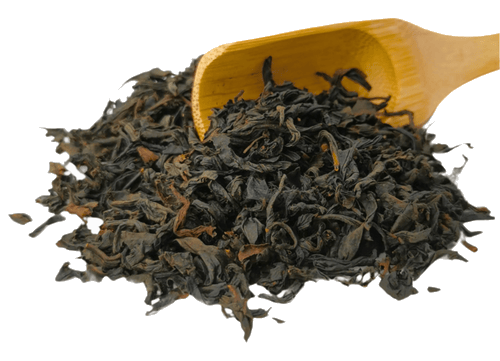
The tea in this guide: Quanzhou Milk Oolong from £5.35 Shop it →
The mug matters more than most people think. Bone china mugs keep tea hotter for longer, feel lighter in the hand, and let delicate flavours come through without interference. They will not turn bad tea into good tea, but they can make good tea better. And yes, tea really does taste different depending on what you drink it from.
At a glance
- Bone china typically contains around 50% bone ash, along with feldspar and kaolin clay, making it lighter, stronger and more translucent than standard porcelain
- The thin walls retain heat well but do not burn your fingers
- Delicate teas taste cleaner from fine china; robust breakfast blends work in thicker mugs too
- Fine bone china mugs typically hold 250ml to 470ml
- Look for a comfortable handle, stable base and a rim that suits how you sip
What is bone china, and why does it matter?
Bone china contains calcified bone ash mixed with china clay and feldspar. The precise proportions vary by manufacturer, but a high bone ash content is what distinguishes bone china from other porcelain. This formula produces something thinner, lighter and more chip-resistant than ordinary ceramics.
Hold a bone china mug up to the light and you will see a faint glow through the walls. That translucence is not just pretty. Thin walls mean the mug heats quickly and holds that warmth without becoming too hot to touch. The surface is also non-porous, so it will not absorb flavours or stain as easily as unglazed stoneware.
Fine bone china mugs feel almost weightless when empty, then satisfyingly balanced when full. There is a reason your gran kept the good china for visitors.
Does tea taste better in china?
Yes, but the effect depends on the tea. Here is what happens:
A thin china rim lets the tea flow smoothly onto your tongue, so you taste the full flavour immediately. Thick ceramic or stoneware rims spread the liquid differently, which can dull the first impression. For delicate teas like a light oolong or jasmine green, that thin rim makes a noticeable difference.
The material itself is neutral. Bone china does not react with tannins or add any flavour of its own. Glass is similar, but glass mugs cool faster and can feel clinical. Earthenware and unglazed ceramics can absorb oils over time, which some people like for specific teas and others find off-putting.

Temperature matters too. A well-made bone china mug keeps tea in the ideal drinking range longer than a thin glass or a heavy stoneware mug that absorbs too much heat initially. For a creamy oolong or a fragrant jasmine green, those extra minutes at the right temperature let you catch all the subtlety.
For a strong breakfast tea with milk, honestly, a sturdy ceramic mug works fine. The milk and malt will punch through regardless. But if you are drinking something delicate and want to taste the tea itself rather than just 'tea', china helps.
What is the best mug for tea?
The best mug is one you will actually use. But here are the qualities that make a real difference:
Capacity
Fine bone china mugs typically range from around 80ml espresso cups to 470ml larger mugs. For tea, 300ml to 380ml suits most people: enough for a proper sit-down without going cold before you finish.
Handle
A good handle gives you somewhere to put your thumb and does not force you into an awkward grip. Tankard-style mugs tend to have solid handles that work for larger hands. Dainty teacup handles suit smaller cups but can feel cramped on bigger mugs.
Rim
Thin and smooth beats thick and rolled. The rim is where your lips meet the tea, and that contact shapes your first impression of every sip.
Weight and balance
Light when empty, stable when full. A mug that tips easily or feels like lifting a brick is not one you will reach for.

Teaware
William Morris Fruits Fine China Tankard Mug
A fine china tankard mug decorated with William Morris's Fruits design. Plenty to look at between sips.
Have a lookFine bone china mugs vs ordinary ceramics
| Quality | Fine bone china | Standard ceramic | Stoneware |
|---|---|---|---|
| Weight | Light | Medium | Heavy |
| Wall thickness | Thin | Medium | Thick |
| Heat retention | Good | Good | Variable |
| Chip resistance | High | Medium | High |
| Translucence | Yes | No | No |
| Price range | £10 to £70+ | £5 to £20 | £8 to £30 |
Prices reflect typical UK retail ranges for fine bone china mugs, from simple designs to premium heritage brands.
Common mistakes when choosing a mug
Buying for looks alone. A beautiful mug with an uncomfortable handle or wobbly base becomes decoration, not daily kit. Check the handle shape and rim thickness before you commit.
Ignoring capacity. A 250ml mug might look elegant but runs out too quickly for a morning brew. Check the millilitres, not just the picture.
Assuming all bone china is dishwasher safe. Some patterns, especially metallic gold or platinum details, need hand washing. Check the care instructions before you buy.
Thinking bigger is always better. A 470ml mug is great for a lazy Sunday but impractical if you drink quickly and want a fresh cup. Match the size to how you actually drink.
Large fine bone china mugs: when bigger is better
If you take your tea seriously milky and want it to last through a chapter of your book or half a box set episode, a larger mug makes sense. Look for 380ml to 470ml capacity with a handle substantial enough to balance the weight when full.
Tankard shapes work well at this size. The taller, straighter sides keep the tea warmer than a wide, shallow bowl shape, and the proportions still look right. A flared breakfast cup scaled up to 450ml can look like a soup bowl.
The William Morris Strawberry Thief Tankard Mug holds enough for a proper brew in a shape that stays comfortable. The darker colour palette suits those grey mornings when you need something substantial in your hand.
Which teas suit bone china best?
Light oolongs, green teas and whites benefit most from fine china. These teas have subtle aromatics that get lost in thick, heavy mugs. The thin walls and neutral surface let you taste the tea rather than the vessel.
Milk oolong is a good test. Brewed well and poured into bone china, you get the full creamy texture and floral notes. The same tea in a chunky stoneware mug tastes flatter, like someone turned down the volume.
Breakfast teas with milk are more forgiving. The milk fat and strong malt flavours dominate anyway, so the mug matters less. Drink these from whatever is comfortable.
Herbal teas and fruit infusions fall somewhere in between. A china mug helps with delicate chamomile or a subtle mint, but a robust fruit tea holds its own in any vessel.

Oolong Tea
Creamy oolong with floral notes and a gentle caramel sweetness. A lovely one to linger over.
Have a lookA short history of bone china
Bone china was developed in England in the mid-18th century, with Thomas Frye patenting an early version in 1748 and Josiah Spode refining the formula around 1800. The addition of bone ash to the clay mixture created a material stronger and more translucent than the Chinese porcelain European potters had been trying to imitate.
Stoke-on-Trent became the centre of English bone china production, with several famous potteries making their names there. The industry has contracted since its peak, but fine bone china remains a British speciality, and the formula has barely changed in two centuries.
Interestingly, vegan alternatives now exist. Some manufacturers achieve traditional bone china properties without bone ash, creating products described as vegan-friendly while remaining translucent, lightweight and chip-resistant.
Caring for fine bone china mugs
Most modern fine bone china is dishwasher and microwave safe, but check the specific product. Metallic decorations, particularly gold and platinum bands, usually need hand washing. Thermal shock can crack any ceramic, so avoid pouring boiling water into a freezing mug straight from an unheated cupboard in winter.
Store mugs with space between them rather than stacking directly. If you must stack, place a piece of kitchen paper or felt between each mug to prevent scratching.
Tea stains happen. A paste of bicarbonate of soda and water, left for ten minutes and gently rubbed, shifts most marks without scratching. Avoid abrasive scourers on decorated china.
What to try next
If you want a bone china mug with enough personality to earn worktop space, the William Morris Fruits Tankard Mug combines fine china with a pattern that rewards attention. For a darker palette, the Strawberry Thief version has birds and berries in richer tones.
Need two matching mugs? The Strawberry Thief set gives you a pair without committing to a full dinner service. For something simpler, the Elements Stackable Ceramic set offers colour without the pattern.
Not sure which tea suits your new mug? The Bestsellers Tasting Box gives you five different teas to try, or use the Tea Finder to narrow down your preferences.
Order online with free UK delivery over £35. Or call into the shop in Byram Arcade, Huddersfield, and see the mugs in person before you decide.
Frequently asked questions
What is the difference between bone china and fine china?
Fine china is a broad term for high-quality ceramic ware. Bone china specifically contains bone ash, which makes it lighter, stronger and more translucent than other fine china. All bone china is fine china, but not all fine china contains bone.
Are bone china mugs good for everyday use?
Yes. Despite feeling delicate, bone china is actually more chip-resistant than standard porcelain. The combination of bone ash, feldspar and kaolin creates a strong, durable material. Most modern bone china is dishwasher safe, though check individual products for metallic decorations.
Why are fine bone china mugs expensive?
The materials cost more, the firing process is more precise, and the craftsmanship for decorated pieces takes time. Prices at UK retailers range from around £10 for simple designs to £70 for premium brands. You are paying for lighter weight, better heat retention and longer-lasting durability.
Do bone china mugs keep tea hotter?
The thin walls heat quickly and retain warmth well without becoming too hot to hold. Compared to thick stoneware, which absorbs heat initially, or thin glass, which loses it fast, bone china strikes a good balance. Your tea stays in the ideal drinking range longer.
Can you microwave bone china mugs?
Most plain bone china is microwave safe, but avoid microwaving mugs with metallic decoration such as gold or platinum bands. Check the product care instructions before heating. When in doubt, warm the mug with hot water from the kettle instead.
What size bone china mug is best for tea?
For most people, 300ml to 380ml works well: enough for a satisfying brew without going cold before you finish. If you like a large morning cup, look for 380ml to 470ml. Smaller cups around 250ml suit those who prefer more frequent, shorter drinks.