Caffeine Free Tea: A Complete Guide to Zero-Caffeine Brews

Caffeine free tea contains no caffeine at all, because it is made from plants that never had any in the first place. That makes it fundamentally different from decaf tea, which starts with caffeinated leaves and has most of the stimulant removed afterwards. If you want a hot drink with genuinely zero caffeine, you need herbal infusions, fruit tisanes or rooibos rather than decaffeinated black or green tea.
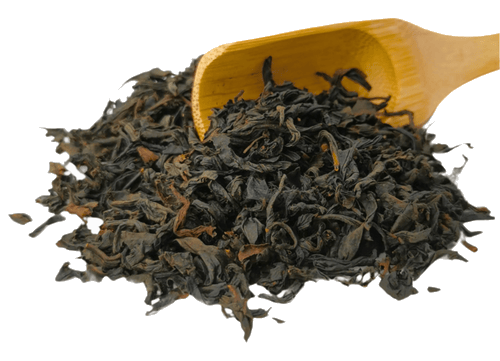
The tea in this guide: Rooibos from £3.85 Shop it →
The distinction matters. A tired parent looking for something to drink at midnight, or someone whose GP has told them to cut out caffeine entirely, needs to know the difference. So here it is, plain as day, along with a proper look at which teas fall into each camp.
At a glance
- Caffeine free tea is made from plants that contain no caffeine naturally
- Decaffeinated tea still contains a small amount, typically around 2 mg per cup
- Herbal infusions, fruit tisanes and rooibos are naturally caffeine free
- True tea from Camellia sinensis always contains caffeine unless decaffeinated
- Yerba mate looks like herbal tea but contains caffeine
- Brew most caffeine free teas with freshly boiled water for 5 to 10 minutes
Caffeine free vs decaf: what is the actual difference?
The words sound similar, but they mean different things in your cup.
Caffeine free means the tea is made entirely from ingredients that never contained caffeine. Chamomile flowers, peppermint leaves, hibiscus petals, ginger root, rooibos and fruit pieces all fall into this category. There is no caffeine to remove because there was none to begin with.
Decaffeinated means the tea started life as a caffeinated product, usually black or green tea from the Camellia sinensis plant, and went through a process to strip out most of the caffeine. Decaffeinated tea typically retains around 2 mg of caffeine per cup because complete removal is not possible with current methods.
For most people, that trace amount is insignificant. For someone with a medical reason to avoid caffeine entirely, or during late pregnancy when every milligram counts, it might matter. If you need absolute zero, stick to naturally caffeine free options.

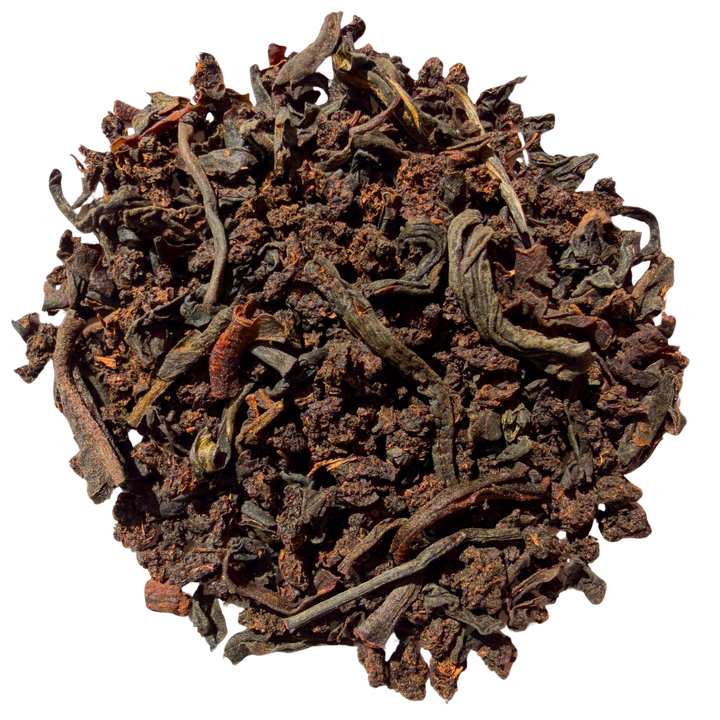
Rooibos Tea
Plain red rooibos makes a mellow amber cup with woody sweetness. Naturally caffeine-free.
Have a lookWhich teas are naturally caffeine free?
The good news is that the caffeine free world is bigger than you might expect. These categories all contain no caffeine whatsoever.
Herbal infusions
Chamomile, peppermint, lemon verbena, lemon balm, ginger, hibiscus, rosehip and dozens of other herbs and flowers make soothing cups without a trace of caffeine. Many herbal teas are naturally caffeine free because they are made with plants and herbs and do not contain tea leaves, the main ingredient that gives tea its caffeine boost.
Rooibos
Rooibos comes from the red bush plant, Aspalathus linearis, which grows exclusively in South Africa's Cederberg region. It is naturally caffeine free, has a mellow woody sweetness, and takes to flavourings beautifully. You can find it plain, with bergamot as an Earl Grey alternative, with fruit, or with warming spices.

Fruit tisanes
Blends of dried fruit, berries, hibiscus and rosehip petals make bright, tangy cups. They contain no tea leaves, so no caffeine. Some are quite sharp from the hibiscus; others are softer and sweeter.
Honeybush
A close relative of rooibos, also from South Africa, honeybush has a slightly sweeter, more honeyed character. Equally caffeine free.
The one herbal that catches people out
Yerba mate looks like a herbal tea and sits on health-food shelves alongside chamomile and peppermint, but it contains caffeine. Some plants used as herbal infusions do contain caffeine, with yerba mate as a prime example. If you are avoiding caffeine, check the ingredients rather than assuming anything labelled 'herbal' is safe.
Decaffeinated tea: when is it a good choice?
Decaf tea makes sense when you want the familiar taste of black or green tea without the full caffeine hit. A Decaf English Breakfast still tastes like a proper brew with milk. A Decaf Earl Grey keeps the bergamot lift. These are excellent evening options if you are happy with a trace amount rather than absolute zero.
The decaffeination process does affect flavour slightly. Most decaf black teas taste a touch lighter than their full-strength counterparts, but the best ones remain satisfying. Our Decaf Kyushu Sencha keeps its fresh vegetal notes; it just needs gentler water.

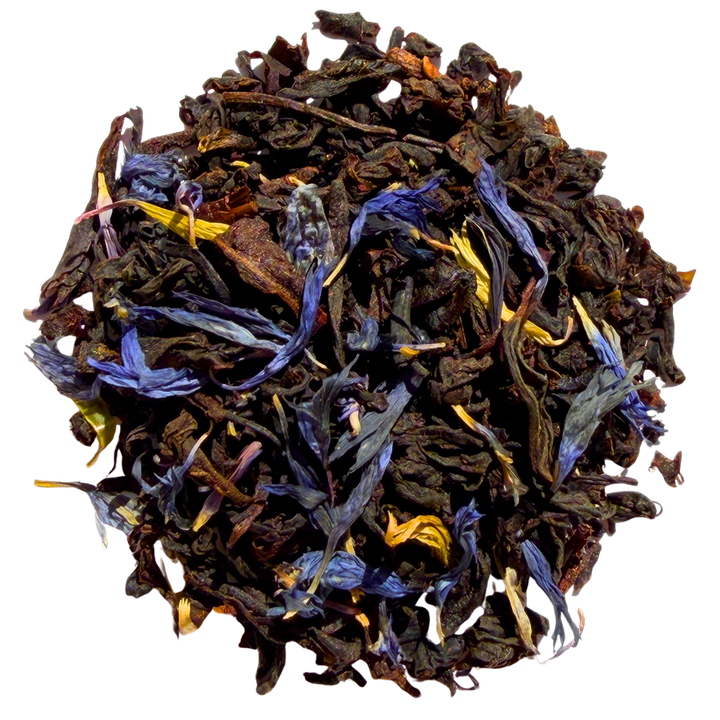
Black Tea
A medium-bodied decaf black tea with soft floral notes. Decaffeinated, rather than completely caffeine-free.
Have a lookCaffeine free green tea: does it exist?
Strictly speaking, no. Green tea comes from Camellia sinensis, which always contains caffeine. What you can find is decaffeinated green tea, which has had most of the caffeine removed, or green-tea-flavoured herbal blends that mimic some of the taste without using actual tea leaves.
If you search for 'caffeine free green tea' or 'green tea caffeine free', you are likely looking for a decaf option or perhaps a rooibos with grassy notes. There is no way to grow green tea without caffeine, so keep that in mind when reading labels.
Caffeine free matcha: the honest answer
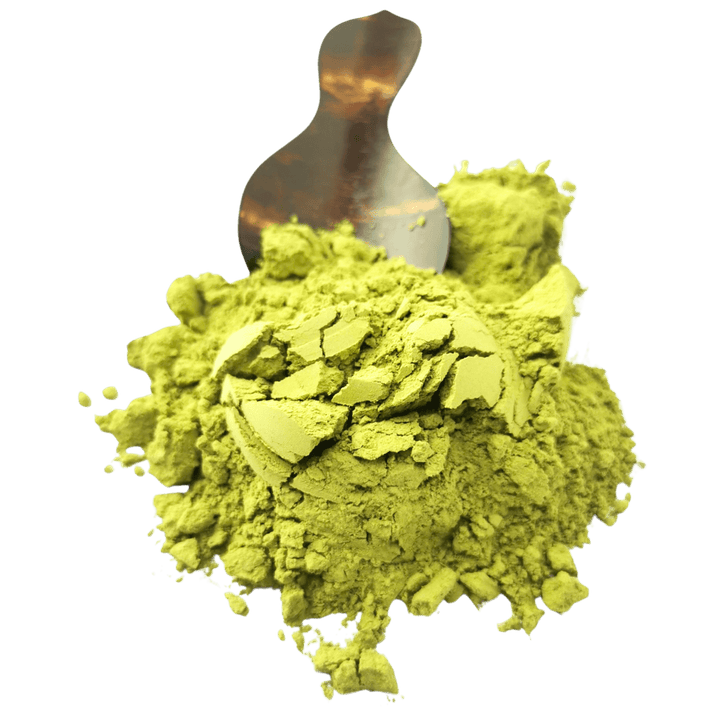
Matcha is powdered green tea, and green tea contains caffeine. There is no naturally caffeine free matcha. Some brands sell 'matcha-style' powders made from other ingredients, but these are not real matcha.
If you love the ritual and the vivid green colour but need to avoid caffeine, you might look at something like moringa powder, which is caffeine free and has a similar bright green appearance. It does not taste the same, mind.
Caffeine free chai: finding the spice without the buzz
Traditional masala chai is black tea simmered with milk and spices. The black tea base contains caffeine, but you have options.
A Decaf Masala Chai uses decaffeinated black tea, giving you the warming ginger, cinnamon and cardamom with only a trace of caffeine. For truly caffeine free chai, look for rooibos chai blends, which use rooibos as the base instead of black tea. The spice character comes through beautifully, and there is no caffeine at all.
Caffeine free Earl Grey: bergamot without the stimulant
Earl Grey is traditionally a black tea scented with bergamot oil. You can get decaf versions, or you can go fully caffeine free with rooibos Earl Grey, which our Earl Grey Rooibos does rather well. The mellow rooibos base takes the bergamot beautifully, and you get that familiar citrus lift without any caffeine.
How to brew caffeine free tea
Most herbal infusions and rooibos are forgiving. Unlike green tea, which can go bitter with water that is too hot, these blends shrug off boiling water and longer steep times.
| Type | Water | Steep time | Notes |
|---|---|---|---|
| Rooibos | 100°C | 5 to 8 minutes | Will not go bitter |
| Chamomile | 100°C | 5 to 7 minutes | Longer for stronger floral notes |
| Peppermint | 100°C | 5 to 7 minutes | Fresh and cooling |
| Fruit tisane | 100°C | 8 to 10 minutes | Needs time to release flavour |
| Ginger | 100°C | 5 to 10 minutes | Longer for more heat |
Some fruit and rooibos blends benefit from 8 to 12 minutes of steeping, so do not be afraid to let them sit. The tannin levels are low enough that bitterness is rarely a problem.
Common mistakes with caffeine free tea
Assuming all herbal tea is caffeine free
Most is, but yerba mate and guayusa are exceptions. Always check the ingredients if caffeine is a concern.
Treating decaf and caffeine free as the same
Decaf contains a small amount of caffeine; caffeine free contains none. If you need zero, choose herbal, fruit or rooibos.
Understeeping fruit blends
Fruit tisanes need more time than black tea. Give them at least 8 minutes, or the cup will taste thin and disappointing.

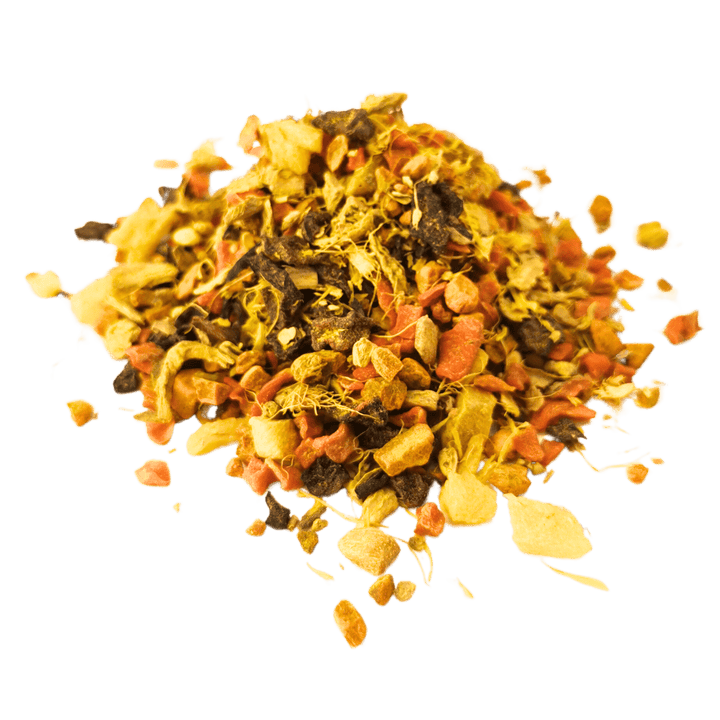
Letterbox gift
Five caffeine-free herbal teas for evenings, after dinner or all day: mint, chamomile, fruit and ginger.
Have a lookWhat to try next
If you are new to caffeine free teas, the Caffeine-Free Tasting Box is a good place to start. It includes five different herbal options, from mint and chamomile to fruit and ginger, so you can work out what you actually like.
For rooibos specifically, the Rooibos Tasting Box lets you compare plain, Earl Grey, marzipan and berry versions side by side. If you want pure fruity brightness, Fruit Full makes a generous fruit infusion that works hot or iced.
Not sure where to start? Our Tea Finder quiz asks a few questions and suggests something to suit.
We offer free UK delivery on orders over £35. If you are nearby, the kettle is always on at our shop in Byram Arcade, Huddersfield.
Frequently asked questions
Is caffeine free tea actually caffeine free?
Yes, if it is made from ingredients that never contained caffeine, like chamomile, peppermint, rooibos or fruit. These contain no caffeine whatsoever. Decaffeinated tea is different and retains a trace amount, typically around 2 mg per cup, because complete removal is not possible.
What is the best caffeine free tea in the UK?
That depends on your taste. Rooibos is popular for its mellow woody sweetness, especially if you miss black tea. Peppermint is refreshing after meals. Chamomile suits evenings. Fruit tisanes are bright and tangy. There is no single best; try a tasting box to find your favourite.
Is there a caffeine free green tea?
Not naturally. Green tea comes from Camellia sinensis, which always contains caffeine. You can buy decaffeinated green tea, which has most of the caffeine removed, but it still contains a small amount. For zero caffeine, look at herbal alternatives.
Does decaf tea have any caffeine?
Yes, a small amount. Decaffeination removes most caffeine but not all. A typical decaf tea contains around 2 mg per cup, compared to 40 to 70 mg in regular black tea. For more detail, see our guide on whether decaf tea has caffeine.
Is caffeine free herbal tea good for you?
Tea is a drink, not a medicine. Herbal teas are pleasant, hydrating and contain various plant compounds, but we cannot make health claims about them. If you have specific health questions, speak to your GP or pharmacist rather than relying on what you read on tea packaging.
Can pregnant women drink caffeine free tea?
Caffeine free herbal teas are generally considered fine during pregnancy, but some herbs are best avoided. NHS guidance suggests checking with your midwife if you are unsure about a specific ingredient. Rooibos, peppermint and ginger are commonly drunk during pregnancy, but always confirm with a healthcare professional. For more on this topic, see our tea and pregnancy guide.
Sources: NHS