Earl Grey Cake: A Simple Loaf Recipe With Lemon Icing

There is something quietly satisfying about a cake that tastes like a cup of tea. This Earl Grey loaf cake does exactly that: bergamot citrus in every crumb, a tender texture that keeps well for days, and a sharp lemon icing that cuts through the sweetness. It is the sort of thing you make on a Sunday afternoon when the rain is doing its best against the windows and you fancy something to go with your 3pm pot.
The tea in this guide: Classic Earl Grey from £3.50 Shop it →
The method is straightforward. You steep tea in warm milk, fold ground leaves into the batter, and bake it low and slow until the kitchen smells like the best kind of afternoon. No fussy layers, no piping bags, just a proper loaf you can slice and share.
At a glance
- Makes one 9×5-inch loaf, around 12 slices
- Prep time: 40 minutes (including steeping)
- Bake time: 55 to 65 minutes at 160°C/325°F
- Uses loose leaf Earl Grey in the milk and in the batter
- Finished with a simple lemon drizzle icing
- Keeps well wrapped for 3 to 4 days
Why bake with Earl Grey tea?
Earl Grey is black tea scented with bergamot, a citrus fruit grown mostly in Calabria, Italy. That bergamot oil is what gives the tea its distinctive floral-citrus character, and it translates beautifully into baking. The flavour is subtle enough to feel sophisticated but distinctive enough that people notice it.
Baking with tea is not new. The tradition of steeping tea into cakes and breads goes back centuries, from Welsh bara brith to Yorkshire tea loaf. What Earl Grey brings is that clean citrus note that works particularly well with lemon, honey, and butter. Leela James notes that the tea supposedly emerged in the mid-1800s and was named after British Prime Minister Charles Grey, though the exact origin story remains disputed.

Earl Grey loaf cake recipe
This recipe uses loose leaf tea in two ways: steeped into the milk for a gentle infusion throughout the batter, and ground finely to add directly to the dry ingredients. The double approach means the bergamot flavour comes through clearly without being overpowering.
Ingredients
For the cake:
- 150ml whole milk
- 1 heaped tablespoon loose leaf Earl Grey tea, plus 1 teaspoon finely ground
- 225g plain flour
- 1½ teaspoons baking powder
- ¼ teaspoon fine sea salt
- 175g caster sugar
- 150g unsalted butter, softened
- 2 large eggs, at room temperature
- Zest of 1 lemon
- 1 teaspoon vanilla extract
For the lemon icing:
- 150g icing sugar, sifted
- 2 to 3 tablespoons fresh lemon juice
Optional Earl Grey syrup:
- 50g caster sugar
- 50ml water
- 1 teaspoon loose leaf Earl Grey tea

Black Tea
Black tea with fragrant bergamot citrus. A bright, familiar cup for your afternoon break.
Have a lookStep-by-step method
- Steep the tea milk. Heat the milk in a small saucepan until it just begins to simmer. Remove from the heat, add 1 heaped tablespoon of loose leaf Earl Grey, and leave to steep for 30 minutes. The milk should turn a brown or chocolate-milk colour when properly infused. Strain through a fine sieve, pressing the leaves to extract as much liquid as possible. Top up with plain milk if needed to reach 120ml.
- Prepare the tin. Preheat your oven to 160°C (325°F/Gas 3). Grease a 9×5-inch loaf tin and line the base and long sides with baking parchment, leaving an overhang to help lift the cake out later.
- Mix the dry ingredients. In a bowl, whisk together the flour, baking powder, salt, and 1 teaspoon of finely ground Earl Grey. A pestle and mortar or spice grinder works well for grinding the leaves.
- Cream the butter and sugar. In a large bowl, beat the softened butter with the caster sugar until pale and fluffy, about 3 to 4 minutes with an electric mixer. Add the lemon zest and vanilla, then beat in the eggs one at a time, adding a spoonful of the flour mixture with the second egg to prevent curdling.
- Combine. Fold in half the flour mixture, then half the tea-infused milk. Repeat with the remaining flour and milk, folding gently until just combined. The batter should be thick but spoonable.
- Bake. Pour the batter into your prepared tin and smooth the top. Bake for 55 to 65 minutes, until a skewer inserted into the centre comes out clean or with just a few dry crumbs. Cover loosely with foil if the top browns too quickly in the last 15 minutes.
- Make the syrup (optional). While the cake bakes, combine the sugar and water in a small pan. Bring to a boil, add the tea leaves, simmer for 2 minutes, then remove from heat and steep for 5 minutes. Strain and set aside. This syrup adds moisture and intensifies the tea flavour.
- Finish the cake. Let the cake cool in the tin for 10 minutes. If using the syrup, poke holes in the top with a skewer and brush with 2 to 3 tablespoons of warm syrup. Lift out using the parchment and cool completely on a wire rack.
- Ice. Mix the icing sugar with enough lemon juice to make a thick but pourable icing. Drizzle over the cooled cake, letting it run down the sides. Allow to set for 10 minutes before slicing.
Which Earl Grey works best for baking?
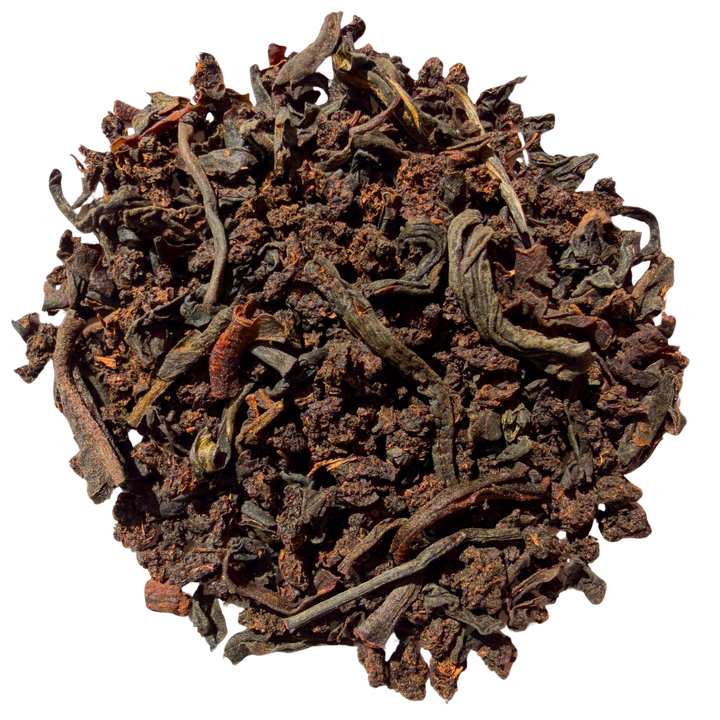
Any good loose leaf Earl Grey will work, but the character of the tea will come through in the finished cake. Classic Earl Grey gives a clean bergamot note that pairs beautifully with the lemon icing. Cream Earl Grey adds a vanilla-like softness that some bakers prefer, and Olivia at Liv for Cake used this variety for her layered version.
If you want a brighter, more citrus-forward result, Zesty Earl Grey brings orange pieces and lemongrass into the mix. The extra citrus notes complement the lemon icing particularly well.
| Earl Grey variety | Flavour notes | Best for |
|---|---|---|
| Classic Earl Grey | Clean bergamot, smooth black tea | Traditional tea cake flavour |
| Cream Earl Grey | Bergamot with vanilla softness | Richer, sweeter cakes |
| Zesty Earl Grey | Bergamot, orange, lemongrass | Brighter citrus finish |
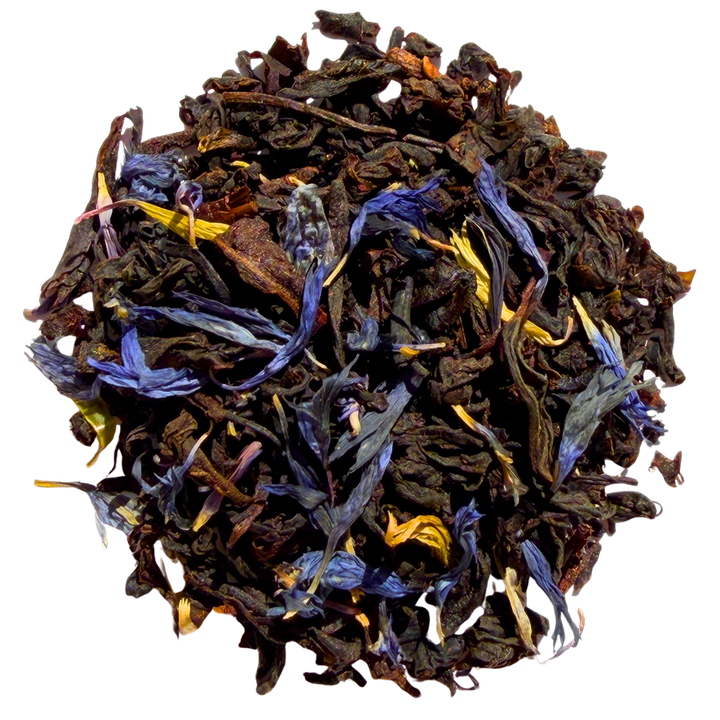
| Yorkshire Fog Earl Grey | Bergamot, vanilla, lavender | Floral afternoon bakes |

Black Tea
The familiar bergamot of Earl Grey, softened by a creamy, vanilla-like sweetness.
Have a lookCommon mistakes when baking with tea
The most frequent problem is a cake that tastes like nothing at all. This usually means the tea was not steeped long enough, or not enough was used. Thirty minutes steeping time sounds excessive for a cup of tea, but for baking you need that concentrated flavour to survive the oven.
Another issue is texture. Ground tea leaves in the batter can feel gritty if not ground finely enough. Use a spice grinder or pestle and mortar, and sift out any larger pieces. Some people prefer to leave the ground tea out entirely and rely on the steeped milk alone, which gives a cleaner texture but a subtler flavour.
One more caution from experience: do not be tempted to garnish with whole tea leaves. They look lovely in photographs but are unpleasant to chew. A light dusting of dried lavender or a few strands of lemon zest work better if you want decoration.
Does Earl Grey cake contain caffeine?
Yes. Earl Grey is made with black tea, which naturally contains caffeine. The amount in a slice of cake will be modest compared to a cup of tea, since the leaves are diluted through the batter and some caffeine is lost in baking. Black tea typically contains 30 to 50mg of caffeine per 8-ounce serving, but a slice of cake would contain considerably less.
If you need to avoid caffeine entirely, you could experiment with Earl Grey Rooibos, which uses the same bergamot flavouring over naturally caffeine-free rooibos. The flavour will be slightly different, earthier and less brisk, but the bergamot still comes through.
Pairing your Earl Grey cake
The obvious choice is a pot of the same tea you baked with. There is a pleasing symmetry to it, and the bergamot in the cup echoes the bergamot in the cake without competing.
For something different, try Yorkshire Fog Earl Grey alongside. The lavender and vanilla notes in the tea contrast nicely with the sharp lemon icing. Or go in the other direction with Lemongrass tea for a completely herbal, caffeine-free pairing that emphasises the citrus.
Our tea and cake pairing guide has more ideas if you want to experiment further.
Storing and freezing
Wrapped well in clingfilm or kept in an airtight tin, this loaf stays moist for 3 to 4 days at room temperature. The syrup helps if you have used it. After that, it begins to dry out but still makes excellent toast.
The un-iced cake freezes well for up to 2 months. Wrap tightly in clingfilm, then foil. Defrost at room temperature and add the lemon icing fresh before serving.
What to try next
Classic Earl Grey is where most bakers start, with its clean bergamot over smooth black tea. If you want to compare a few varieties before committing to a full pouch, the Earl Grey Tasting Box lines up five different styles in letterbox-friendly packets.
Cream Earl Grey is worth trying if you prefer a softer, more vanilla-leaning cake. And for your next baking project, our Raspberry Lemon Verbena tea cake takes a similar approach with fruity herbal tea instead.
Not sure where to start? The Tea Finder asks a few quick questions and suggests the right tea for you.

Letterbox gift
Five loose leaf Earl Greys side by side, from the classic to creamy, zesty and malty takes on it.
Have a lookOrder loose leaf online and get free UK delivery on orders over £35. Or call into the shop in Byram Arcade, Huddersfield, and we will help you find the right Earl Grey for your next bake.
Frequently asked questions
What does Earl Grey cake taste like?
Earl Grey cake has a subtle bergamot citrus flavour running through a tender, buttery crumb. It tastes like drinking a cup of Earl Grey, but in cake form. The lemon icing adds sharpness that balances the sweetness and echoes the citrus in the tea.
Can I use tea bags instead of loose leaf?
Yes. Use 2 tea bags for steeping in the milk and open another 2 bags to add the leaves directly to the batter. Loose leaf generally gives a stronger flavour, but tea bags work if that is what you have in the cupboard.
How do I get a stronger Earl Grey flavour?
Steep the tea in the milk for the full 30 minutes. Add finely ground tea leaves directly to the batter. Brush the warm cake with Earl Grey syrup before it cools. Using a strongly flavoured loose leaf tea rather than a mild tea bag also helps.
Is Earl Grey cake suitable for vegetarians?
This recipe is vegetarian, using butter, eggs, milk, and no gelatine. It is not vegan as written. You could experiment with plant-based alternatives, though the texture and flavour may differ.
Can I make Earl Grey cupcakes instead?
Yes, the batter works for cupcakes. Fill cases about two-thirds full and bake at 170°C for 18 to 22 minutes. The recipe makes approximately 12 standard cupcakes. Top with lemon icing or a simple vanilla buttercream.
What is the best icing for Earl Grey cake?
A sharp lemon drizzle icing complements the bergamot beautifully. Vanilla buttercream also works well, especially with Cream Earl Grey. Some bakers make an Earl Grey glaze by steeping tea into the liquid, though lemon tends to give a cleaner contrast.
Sources: Liv for Cake · Leelalicious · Cambrea Bakes